
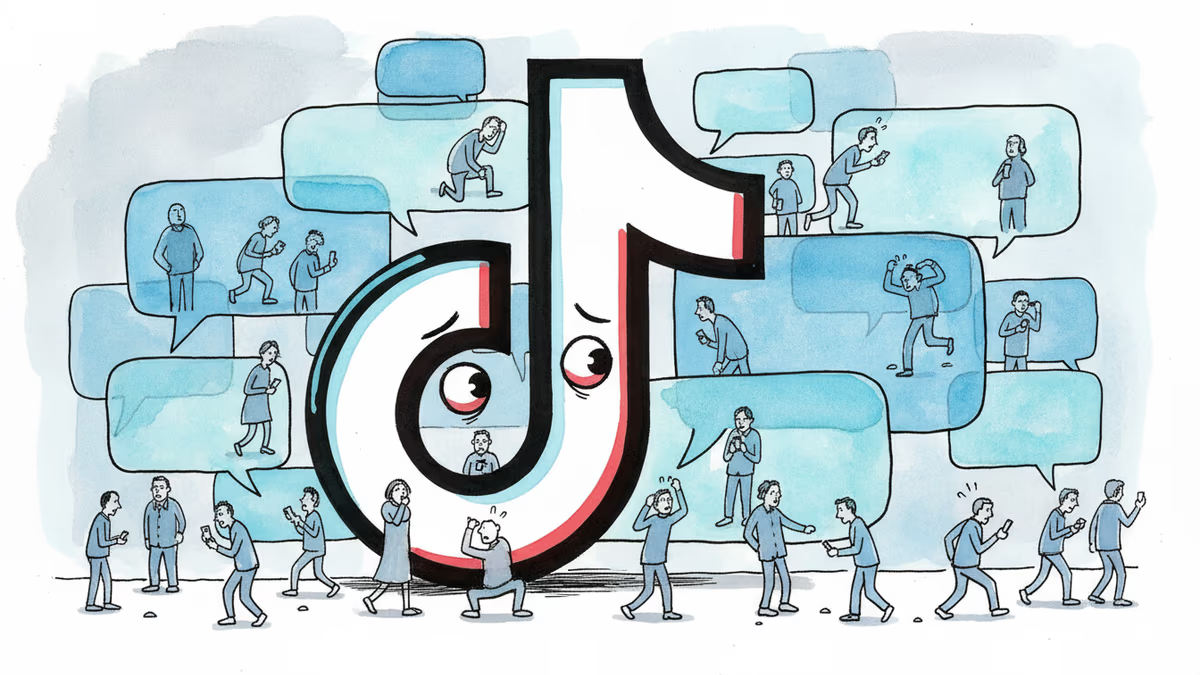
Why TikTok Chose Surveillance Over Privacy
TikTok refuses end-to-end encryption for DMs, citing user safety. But this decision reveals a complex calculation about regulation, competition, and control.
One billion users send messages daily on TikTok. Many are teenagers sharing their most private thoughts. TikTok just decided it wants to keep those conversations readable.
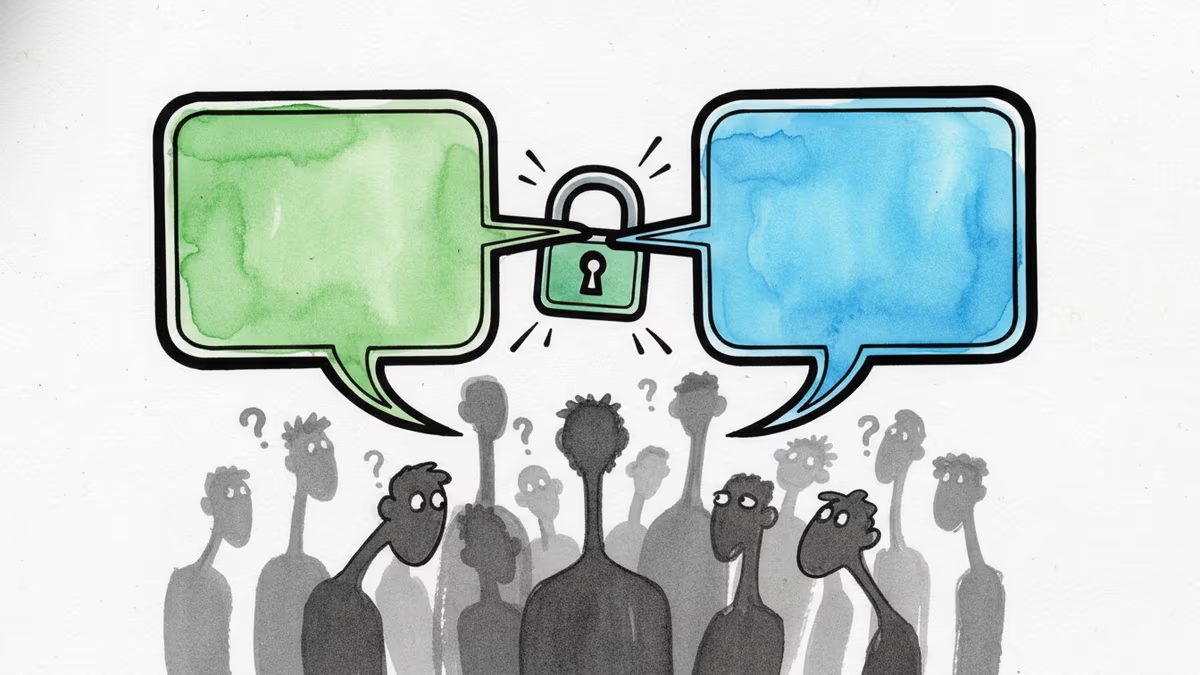
The social media giant told the BBC it won't introduce end-to-end encryption for direct messages, claiming the technology would make users "less safe." The company argues it needs police and safety teams to access messages when necessary, particularly to protect younger users from harm.
This puts TikTok on an island. While Signal, WhatsApp, Facebook Messenger, and Apple Messages have embraced end-to-end encryption as the gold standard, TikTok is swimming against the tide.
The Transparency Gambit
TikTok's reasoning sounds noble: protect kids from predators, help law enforcement catch bad actors, maintain platform safety. The company says only authorized employees can access DMs under specific circumstances—valid law enforcement requests or user reports of harmful behavior.
But privacy advocates see a different motive. By keeping messages readable, TikTok is making a calculated bet that transparency will help it survive regulatory scrutiny. The company, owned by Chinese firm ByteDance, faces existential threats in multiple markets. The US wants it sold. Europe wants it regulated. India already banned it.
"Look, we're cooperative," TikTok seems to be saying. "We're not like those encrypted platforms where terrorists and criminals can hide."
The Youth Safety Paradox
TikTok's emphasis on protecting young users creates a fascinating paradox. The platform that revolutionized how teens express themselves now argues those same teens need corporate oversight of their private conversations.

Cybersecurity experts point out the flaw in this logic. Standard encryption—what TikTok uses—protects messages in transit but leaves them vulnerable on servers. This creates honeypots for hackers and authoritarian governments. When Beijing wants to know what Hong Kong activists are saying, or when hackers breach TikTok's servers, those "protected" messages become weapons.
The Business of Being Watched
There's another angle TikTok isn't discussing: data value. Encrypted messages are worthless for advertising algorithms. Readable messages reveal user interests, relationships, and behaviors—all valuable for targeting ads and understanding user engagement.
While TikTok claims it doesn't use DM content for advertising, the company's business model depends on knowing users intimately. Encryption would create a blind spot in that surveillance apparatus.
Industry Pushback
TikTok's decision puts it at odds with the broader tech industry's privacy evolution. Even Facebook—not exactly a privacy champion—has committed to encrypting Messenger conversations. Apple has made privacy a core brand differentiator. Google is expanding encryption across its services.
This creates a competitive vulnerability. As privacy awareness grows, especially among Gen Z users, TikTok's "we can read your messages" policy could become a liability. Competitors are already highlighting their encryption advantages.
The Regulatory Calculation
TikTok's bet may still pay off. Governments worldwide are struggling with encrypted communications that shield criminal activity. The UK's Online Safety Act, the EU's Digital Services Act, and proposed US legislation all grapple with the "going dark" problem—law enforcement's inability to access encrypted communications.
By voluntarily maintaining message access, TikTok positions itself as a responsible platform partner. This could provide crucial goodwill as regulators decide the company's fate.
Authors
Related Articles
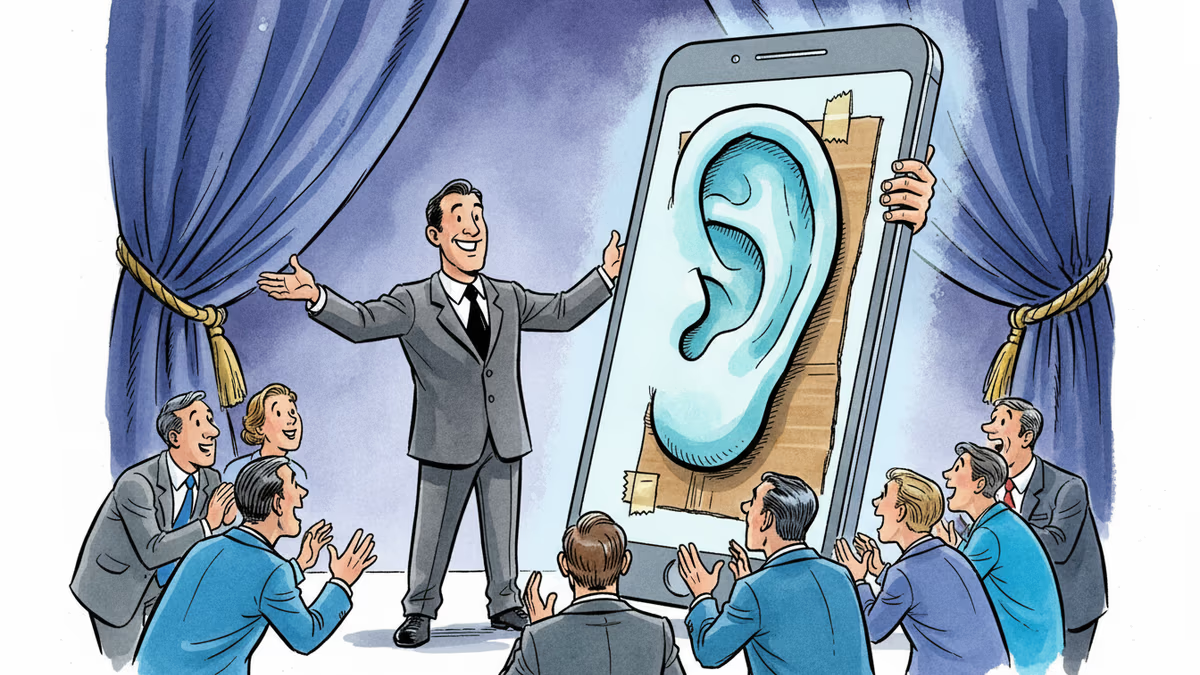
The FTC fined Cox Media and two ad firms $930,000 — not for actually eavesdropping on users, but for falsely claiming they could. The case raises uncomfortable questions about surveillance capitalism.
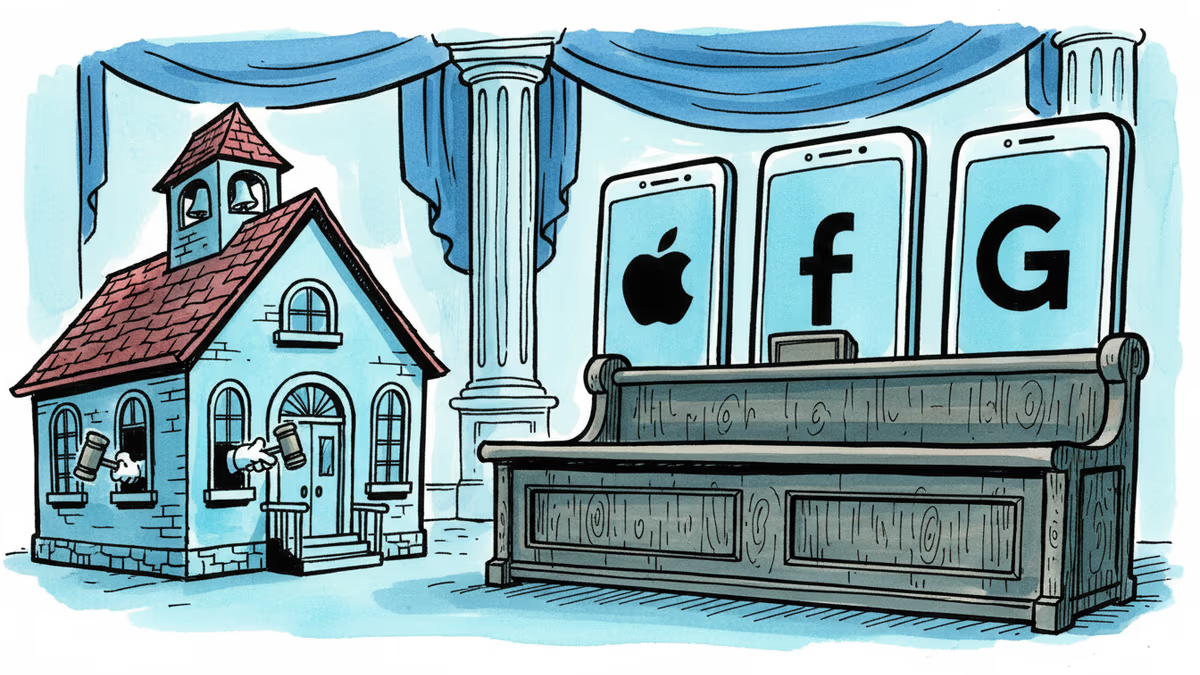
Snap, YouTube, and TikTok settled a landmark school district lawsuit over social media addiction. With 1,000+ similar cases pending, this could reshape Big Tech's liability landscape.
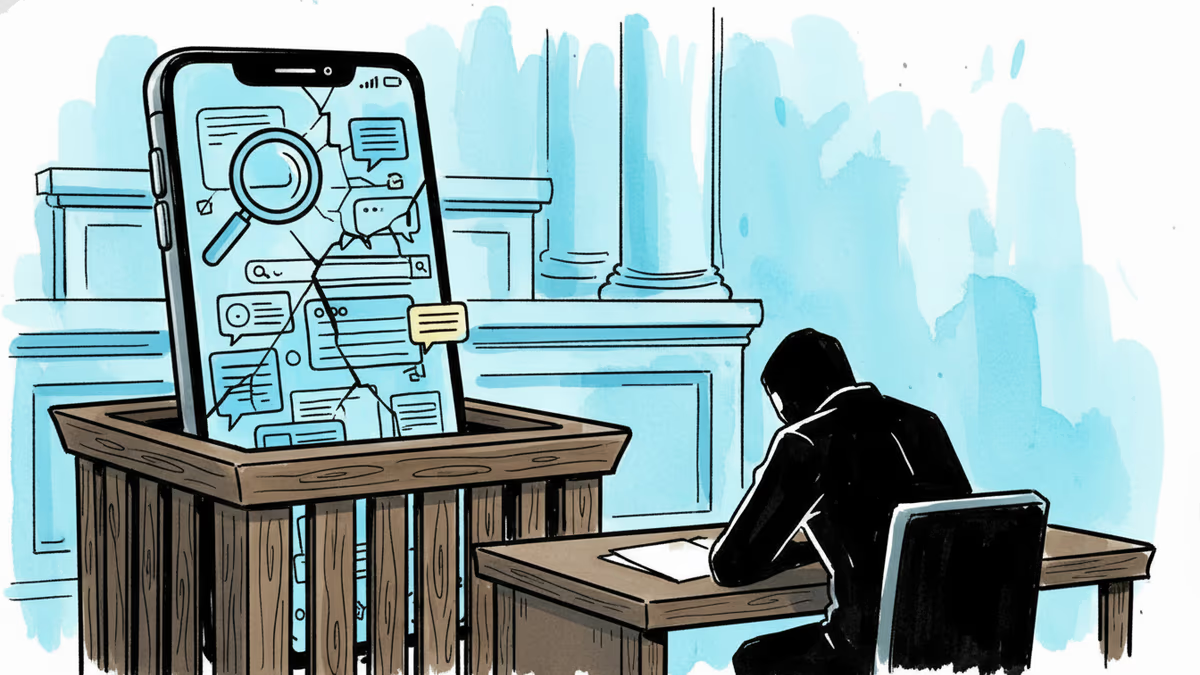
A Utah woman was sentenced to life in prison partly because of her Google searches and deleted texts. The Kouri Richins case reveals how digital footprints have become the courtroom's most reliable witness.
After 15 years of fragmented mobile messaging, Apple and Google are rolling out end-to-end encrypted RCS messaging between iPhones and Android devices. Here's what changed, why it took so long, and what it means for your privacy.
The FTC fined Cox Media and two ad firms $930,000 — not for actually eavesdropping on users, but for falsely claiming they could. The case raises uncomfortable questions about surveillance capitalism.
Snap, YouTube, and TikTok settled a landmark school district lawsuit over social media addiction. With 1,000+ similar cases pending, this could reshape Big Tech's liability landscape.
A Utah woman was sentenced to life in prison partly because of her Google searches and deleted texts. The Kouri Richins case reveals how digital footprints have become the courtroom's most reliable witness.
After 15 years of fragmented mobile messaging, Apple and Google are rolling out end-to-end encrypted RCS messaging between iPhones and Android devices. Here's what changed, why it took so long, and what it means for your privacy.
Thoughts
Share your thoughts on this article
Sign in to join the conversation