
The Concert Monopoly Goes to Court
The DOJ takes on Live Nation-Ticketmaster's alleged monopoly grip on the concert industry. A landmark antitrust case reveals the 'flywheel' strategy that locks out competition.
When 90% Control Isn't Enough
In a Manhattan federal courtroom Monday, the biggest antitrust case in the entertainment industry began with a simple question: How much market control is too much? For Live Nation-Ticketmaster, which handles over 90% of major venue ticketing in America, that question could reshape an entire industry.
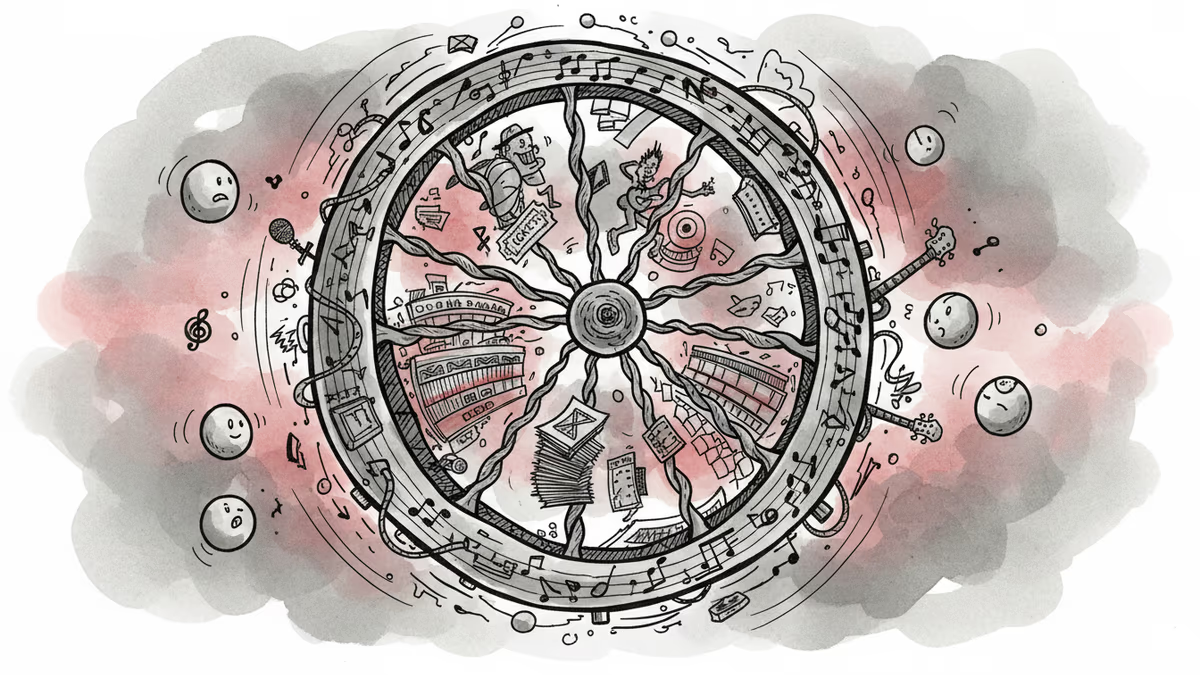
The Department of Justice, backed by 40 state attorneys general, painted a picture of systematic market manipulation. Lead DOJ counsel David Dahlquist described Live Nation's strategy as a "flywheel" – a self-reinforcing system where dominance in one area (ticketing) feeds dominance in another (venue management), creating an ecosystem that competitors simply cannot penetrate.
The 'Retaliation Insurance' Economy
Perhaps the most damning evidence comes from Live Nation's competitors themselves. To even attempt winning business from venues, rival ticketing companies have had to offer "retaliation insurance" – essentially promising to compensate venues for any punishment they might face from Live Nation for switching providers.
This isn't typical market competition. When companies need insurance against a competitor's retaliation, you're looking at something closer to extortion. Venues that dared use alternative ticketing services reportedly faced restricted access to popular artists, unfavorable contract terms, or outright exclusion from Live Nation's roster of performers.

The flywheel works like this: Live Nation owns or operates major venues, books the biggest artists, and controls the ticketing. Each component reinforces the others, making it nearly impossible for any single competitor to break in.
Beyond Ticketing Fees
For consumers, this case isn't just about those notorious service fees (though those matter too). It's about choice, innovation, and fair pricing across the entire concert experience. When one company controls the pipeline from artist booking to ticket sales, there's little incentive to improve customer experience or keep prices competitive.
The ripple effects extend globally. Live Nation's model has influenced concert industries worldwide, from Europe to Asia-Pacific markets. A ruling against the company could signal to regulators everywhere that platform-based monopolies need new approaches to antitrust enforcement.
The Bigger Platform Problem
This case represents something larger than just concerts. Live Nation's strategy mirrors what we've seen across digital platforms – create an ecosystem so comprehensive that leaving becomes economically impossible for all participants. It's the same playbook used by major tech companies, just applied to live entertainment.
Authors
Related Articles
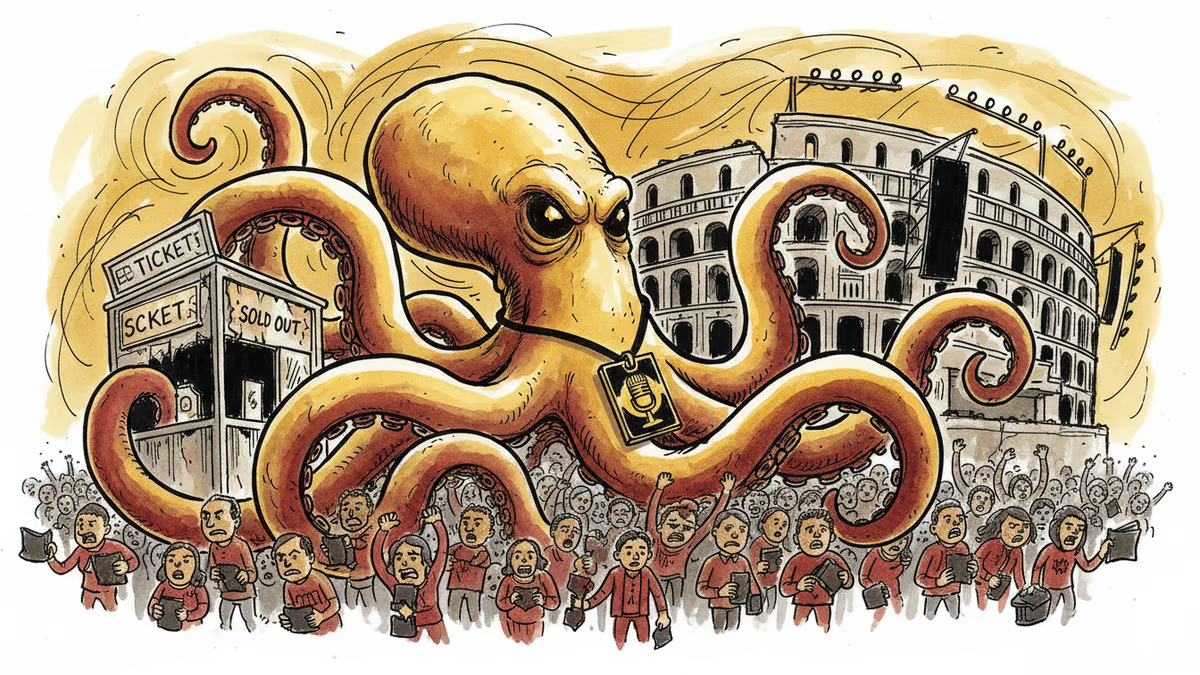
A federal jury ruled Live Nation operated as an illegal monopoly. Slack messages mocking customers, a possible Ticketmaster breakup, and what it means for every concert ticket you've ever bought.

Michigan takes a different approach to climate litigation, accusing oil giants of antitrust violations to suppress clean energy competition
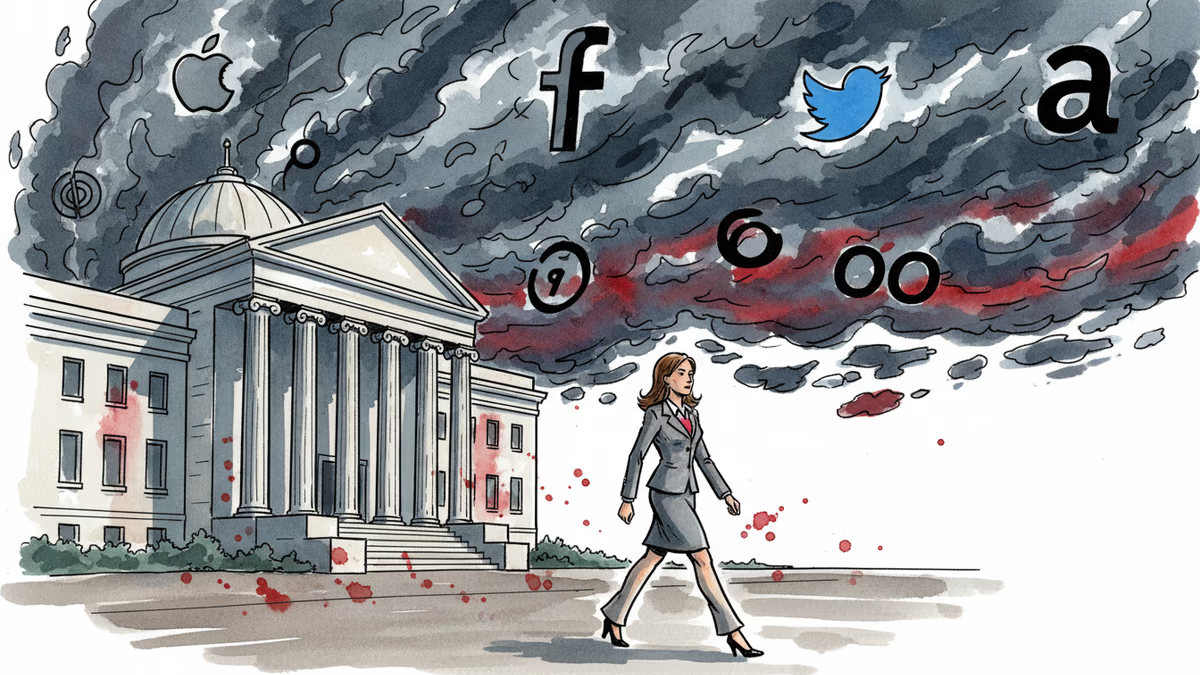
Gail Slater's sudden departure as DOJ's antitrust chief raises questions about timing, strategy, and what comes next for Big Tech regulation in America.
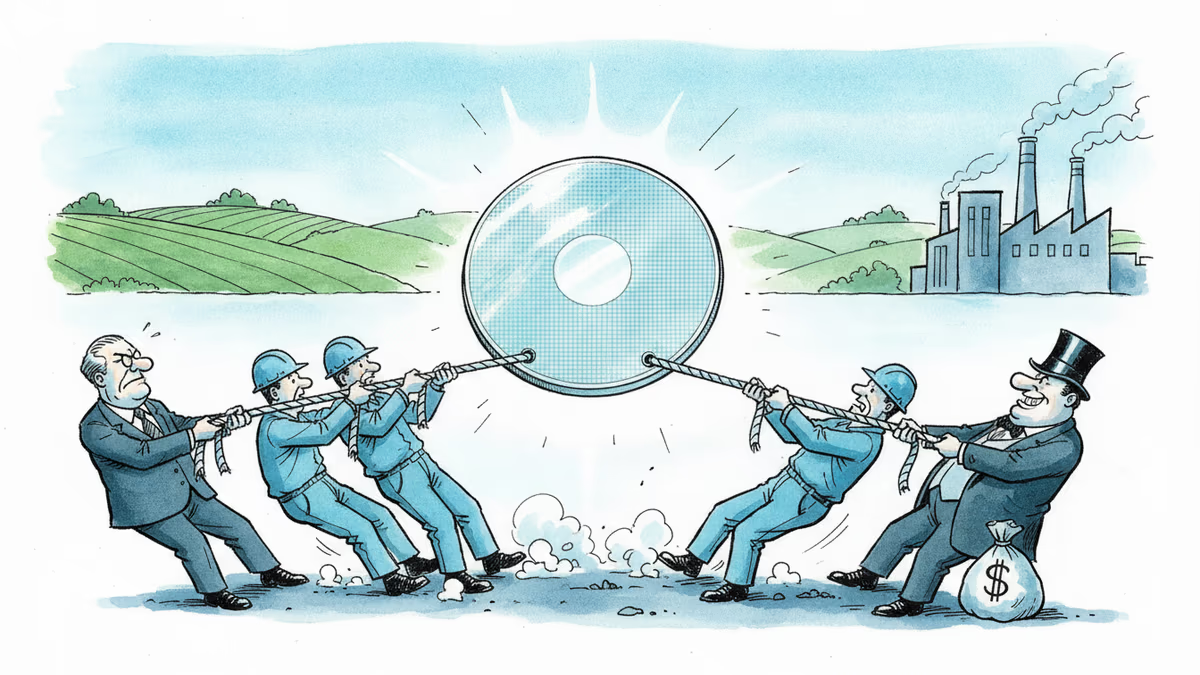
Samsung Electronics' union branch revealed that 84% of survey respondents oppose the government's roughly $290 billion (₩400 trillion) semiconductor megaproject in Gwangju. Government, management, the union and shareholders are all reading the same national project in sharply different ways.
A federal jury ruled Live Nation operated as an illegal monopoly. Slack messages mocking customers, a possible Ticketmaster breakup, and what it means for every concert ticket you've ever bought.
Michigan takes a different approach to climate litigation, accusing oil giants of antitrust violations to suppress clean energy competition
Gail Slater's sudden departure as DOJ's antitrust chief raises questions about timing, strategy, and what comes next for Big Tech regulation in America.
Samsung Electronics' union branch revealed that 84% of survey respondents oppose the government's roughly $290 billion (₩400 trillion) semiconductor megaproject in Gwangju. Government, management, the union and shareholders are all reading the same national project in sharply different ways.
Thoughts
Share your thoughts on this article
Sign in to join the conversation