
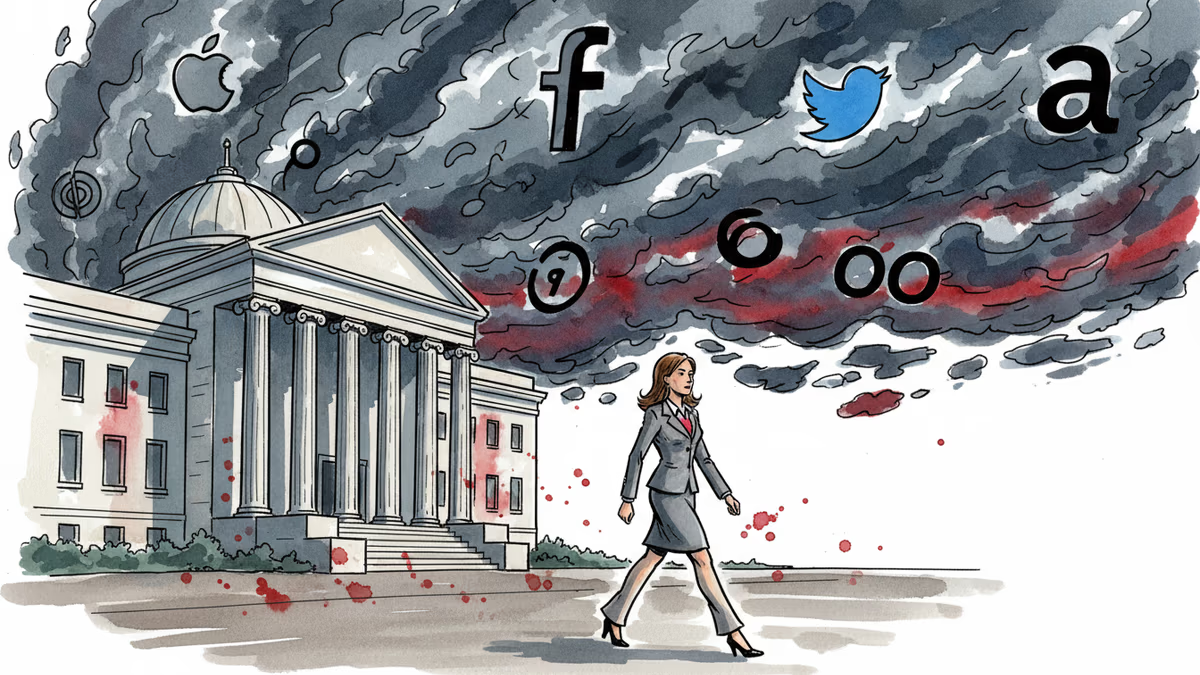
Why Did DOJ's Top Trust-Buster Just Walk Away?
Gail Slater's sudden departure as DOJ's antitrust chief raises questions about timing, strategy, and what comes next for Big Tech regulation in America.
Weeks Before the Big Show, the Star Player Exits
Gail Slater just walked away from one of Washington's most consequential jobs. The Justice Department's top antitrust enforcer announced her departure Thursday, leaving behind a $10 billion lawsuit against Live Nation that's set to begin in just weeks.
The timing isn't lost on anyone. Slater's exit comes as the DOJ prepares for what could be its biggest entertainment industry breakup since the 1948 Paramount decree that shattered Hollywood's studio system.
"It is with great sadness and abiding hope that I leave my role as AAG for Antitrust today," Slater posted on X, calling the position "the honor of a lifetime." Attorney General Pam Bondi thanked her for her service but dodged questions about why she left or who's taking over.
The Unfinished Symphony
Slater didn't just oversee cases—she orchestrated a fundamental shift in how America thinks about corporate power. Under her watch, the DOJ launched aggressive campaigns against Google, Apple, Meta, and Amazon. These weren't just legal cases; they were statements about whether tech giants had grown too powerful for democracy to handle.
The Live Nation case epitomizes this approach. The DOJ alleges that the company's ownership of Ticketmaster has created a stranglehold on live entertainment, forcing artists and venues into exploitative contracts while gouging consumers with $15 "convenience fees" on $50 tickets.
But here's what makes Slater's departure particularly intriguing: she's leaving right before the crescendo. The Live Nation trial represents everything her tenure stood for—taking on entrenched monopolies that touch millions of American lives.

The Stakeholder Calculus
Big Tech executives are cautiously optimistic. One Silicon Valley general counsel, speaking on background, described the departure as "an opportunity for reset." Translation: they're hoping the next enforcer will be less aggressive about breaking up their business models.
Consumer advocates are sounding alarms. "This creates uncertainty at the worst possible time," says Sarah Miller of the American Economic Liberties Project. "Companies are already testing boundaries, and leadership vacuum could embolden more aggressive consolidation."
Wall Street is watching the succession closely. Antitrust enforcement directly impacts merger valuations, and any policy shift could unlock billions in previously blocked deals. Defense contractor stocks ticked up slightly after the news broke.
International regulators are taking notes. The EU's Margrethe Vestager has often coordinated with DOJ antitrust efforts. Slater's departure could signal whether America will continue leading global tech regulation or cede that role to Brussels.
The Deeper Game
Slater's exit reflects a broader tension in American capitalism. The Biden administration treated antitrust as economic populism—using competition policy to address inequality and consumer welfare. The Trump administration appears more focused on efficiency and innovation.
This philosophical divide matters for more than just policy wonks. It determines whether your local concert venue can negotiate fair terms with Live Nation, whether app developers can compete with Apple's App Store, and whether small businesses can reach customers without paying Google's advertising tolls.
The stakes extend beyond America's borders. Countries worldwide look to U.S. antitrust precedents when crafting their own tech regulations. A softer American approach could encourage more permissive policies globally, potentially reshaping how digital markets operate everywhere.
Authors
Related Articles
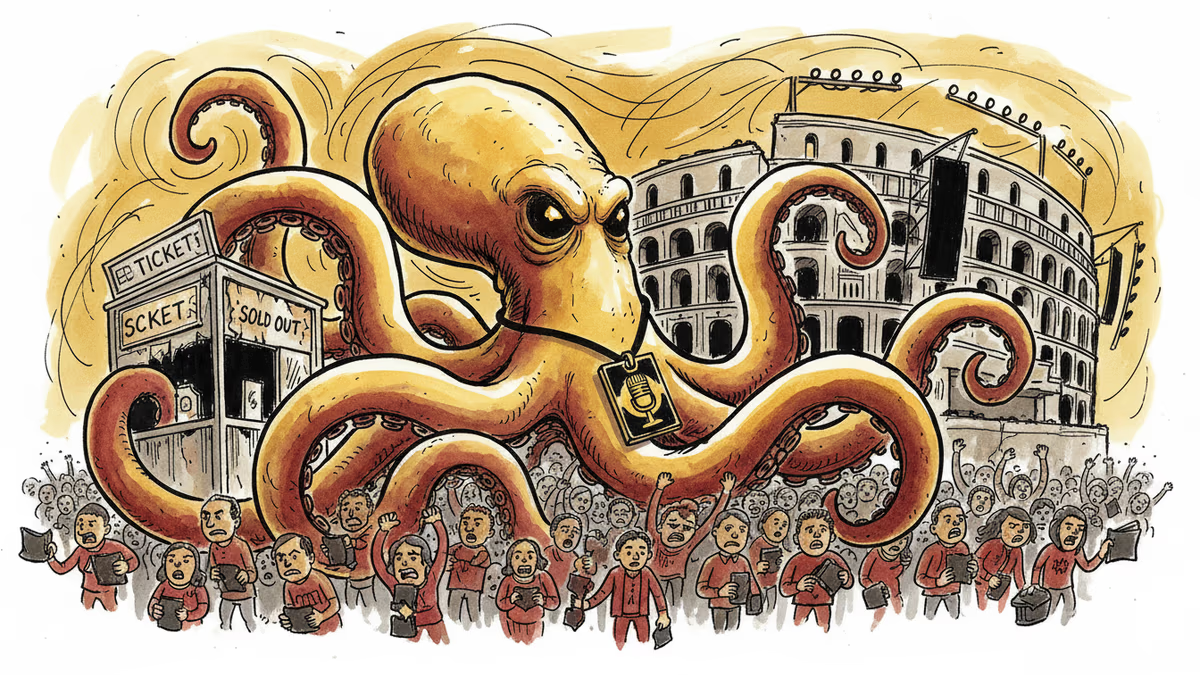
A federal jury ruled Live Nation operated as an illegal monopoly. Slack messages mocking customers, a possible Ticketmaster breakup, and what it means for every concert ticket you've ever bought.

OpenAI's new app integrations let ChatGPT book hotels, order groceries, build websites, and control Spotify—all from one chat window. Here's what that power shift really means.
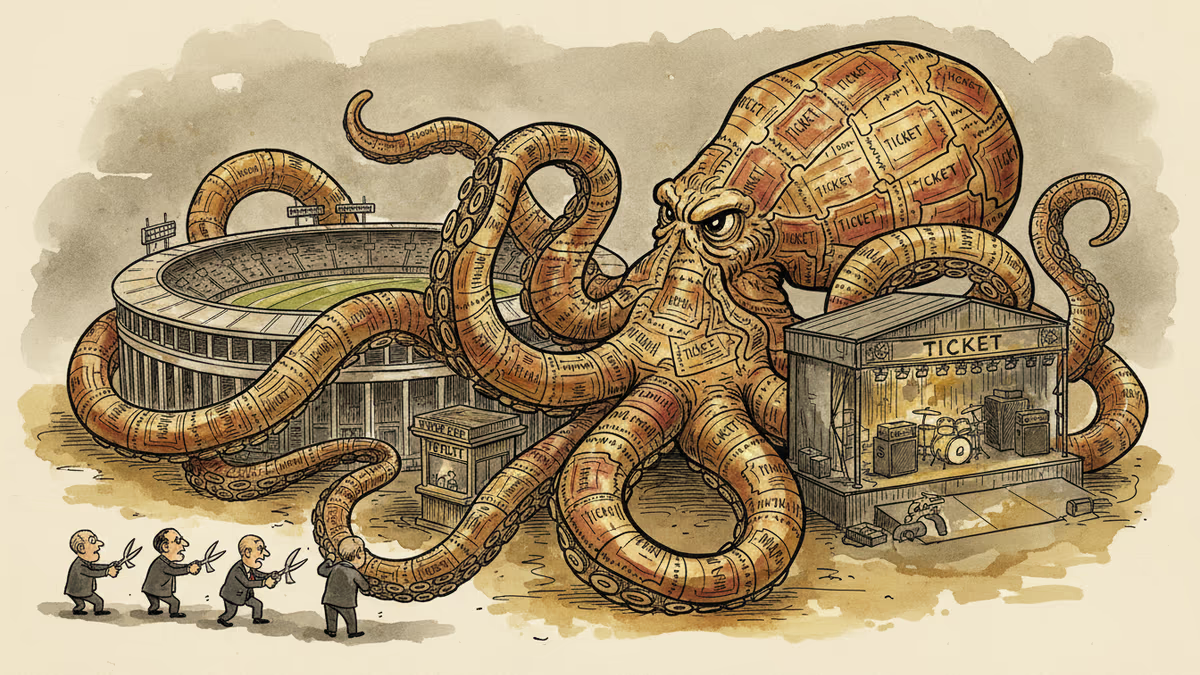
Live Nation-Ticketmaster settled a federal antitrust lawsuit, but reports suggest no forced split. With 27 states pressing on, is this the end—or just halftime?
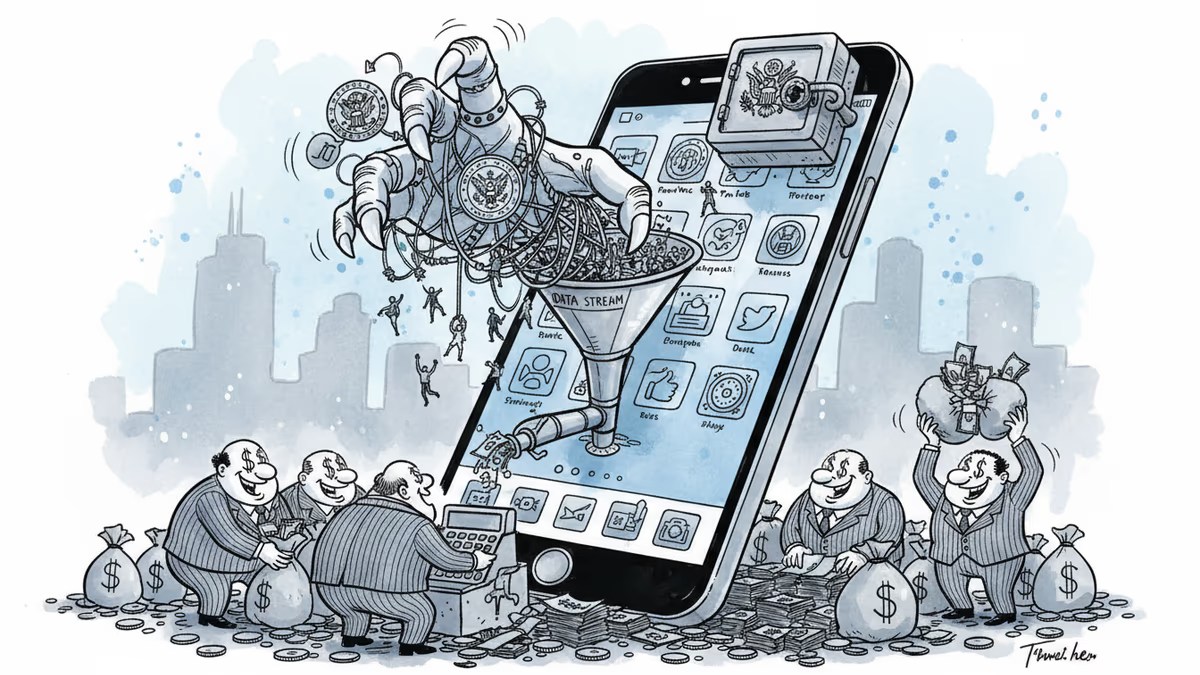
CBP admits buying location data from ad industry while Meta contractors watch users in bathrooms through smart glasses. The digital privacy boundary is crumbling.
A federal jury ruled Live Nation operated as an illegal monopoly. Slack messages mocking customers, a possible Ticketmaster breakup, and what it means for every concert ticket you've ever bought.
OpenAI's new app integrations let ChatGPT book hotels, order groceries, build websites, and control Spotify—all from one chat window. Here's what that power shift really means.
Live Nation-Ticketmaster settled a federal antitrust lawsuit, but reports suggest no forced split. With 27 states pressing on, is this the end—or just halftime?
CBP admits buying location data from ad industry while Meta contractors watch users in bathrooms through smart glasses. The digital privacy boundary is crumbling.
Thoughts
Share your thoughts on this article
Sign in to join the conversation