
Bezos's Media Dilemma Exposes Big Tech's Journalism Problem
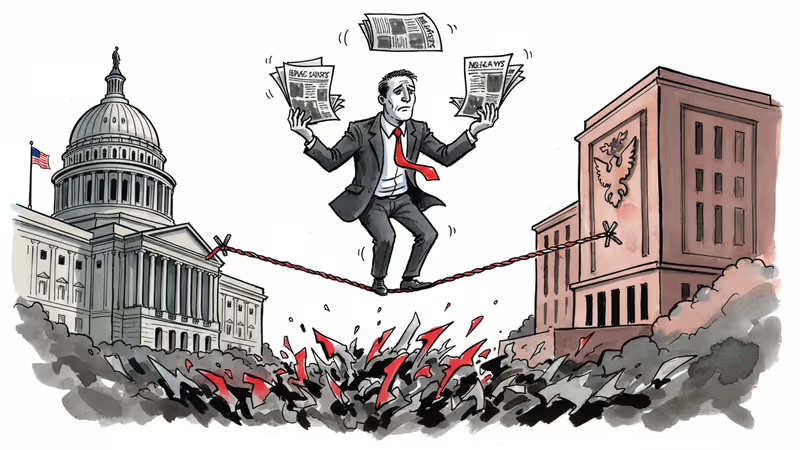
Washington Post layoffs and subscriber exodus reveal the risks when tech billionaires own major news outlets. Political calculations clash with editorial independence.
300 journalists lost their jobs. Over 300,000 readers canceled their subscriptions. This is what happened at The Washington Post after owner Jeff Bezos tried to play politics.
Thirteen years after Bezos bought the legendary newspaper for $250 million, his vast business empire has become its biggest liability. While Amazon MGM Studios spent $40 million producing a fawning documentary about Melania Trump, The Post was preparing mass layoff notices. The timing wasn't coincidental—it was calculated.
When Business Interests Override Editorial Independence
Bezos faces a conflict that's become increasingly common in the media landscape: How do you maintain journalistic integrity when your primary business depends on government favor? Amazon needs federal contracts, faces antitrust scrutiny, and operates in a heavily regulated environment. Every critical story about the Trump administration potentially threatens billions in revenue.
This isn't just about The Post. Bezos owns one of America's most influential newspapers while running a company that's deeply intertwined with government operations. Amazon Web Services hosts federal agencies, Amazon competes for defense contracts, and the company faces ongoing regulatory challenges. The conflict of interest is structural, not situational.
The Subscriber Revolt Tells a Bigger Story
The 300,000 subscription cancellations represent more than lost revenue—they signal a fundamental breakdown in reader trust. Post subscribers, traditionally liberal-leaning, recognized the shift in editorial direction and voted with their wallets. They understood what Bezos apparently didn't: readers value independence over access.

This exodus reveals something crucial about modern media consumption. Audiences are increasingly sophisticated about media ownership and its implications. They can spot when business interests override editorial judgment, and they're willing to abandon publications that compromise their independence.
The Broader Tech-Media Problem
Bezos's struggles illuminate a wider issue: tech billionaires buying media properties as side projects often underestimate the complexity of journalism. Unlike other businesses, news organizations derive their value from trust and credibility—assets that can evaporate overnight when readers perceive conflicts of interest.
Elon Musk's transformation of Twitter into X, Marc Benioff's ownership of Time, and various tech executives' media investments all raise similar questions. Can someone simultaneously run a major technology company and maintain editorial independence at a news organization? The evidence suggests it's nearly impossible.
The Cost of Appeasement
Perhaps most tellingly, Bezos's attempts to curry favor with Trump have yielded no tangible benefits. Despite the Melania documentary and editorial restraint, Amazon hasn't secured special treatment or protection from regulatory scrutiny. Instead, Bezos has damaged his newspaper's reputation and lost hundreds of thousands of subscribers.
This outcome underscores a harsh reality: political appeasement rarely works in the long term. Authoritarian-leaning politicians view concessions as weakness, not friendship. Meanwhile, the compromises required to maintain political favor often destroy the very thing that made the media property valuable in the first place.
Authors
Related Articles
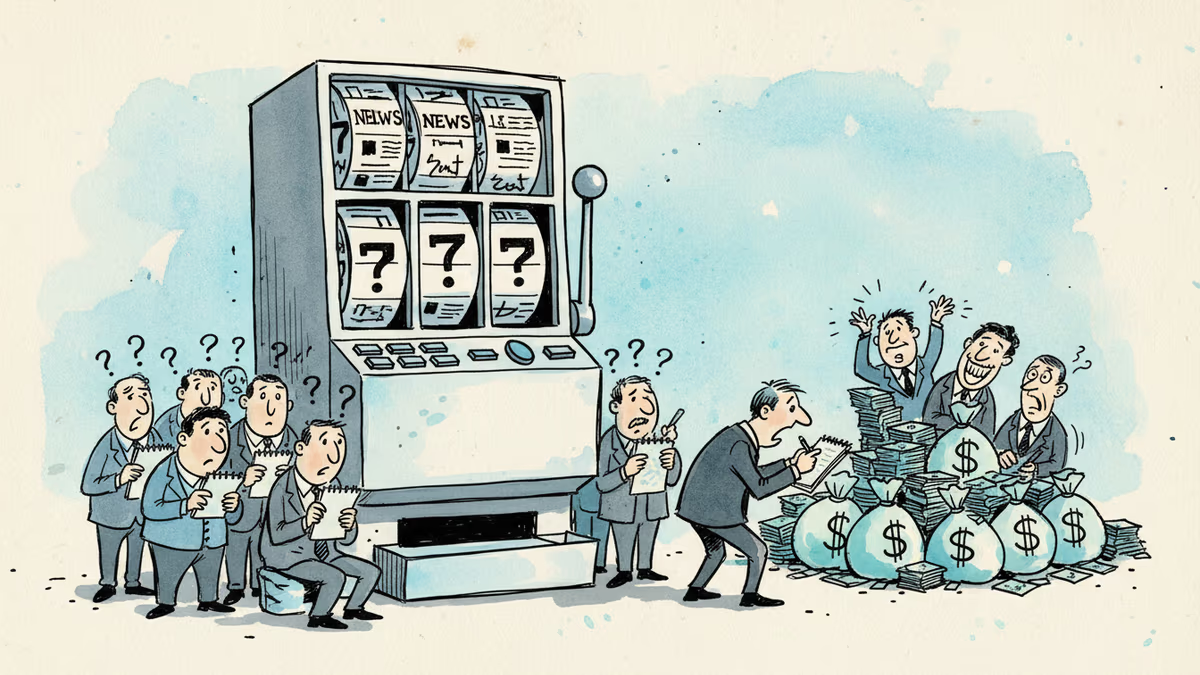
As Polymarket and Kalshi expand news partnerships, insider trading concerns mount. The line between gambling and information is blurring dangerously.
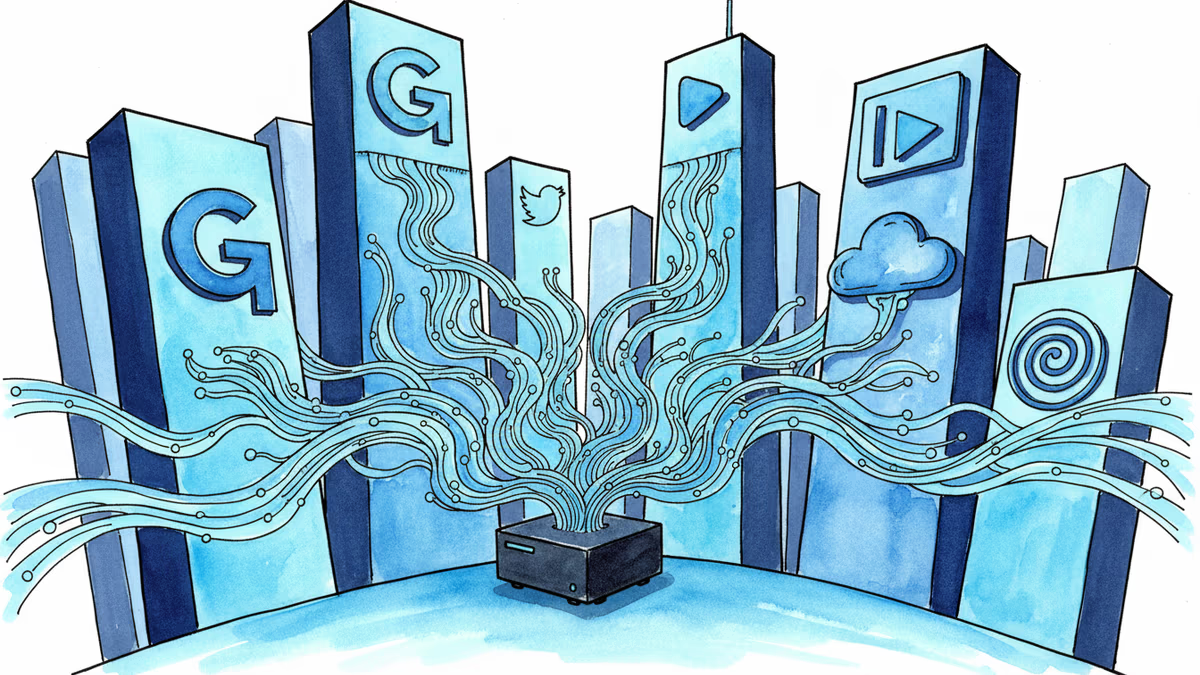
Current AI's open-source device challenges Big Tech's AI monopoly with offline capabilities and 22 Indian languages. Could this spark a new era of decentralized AI?
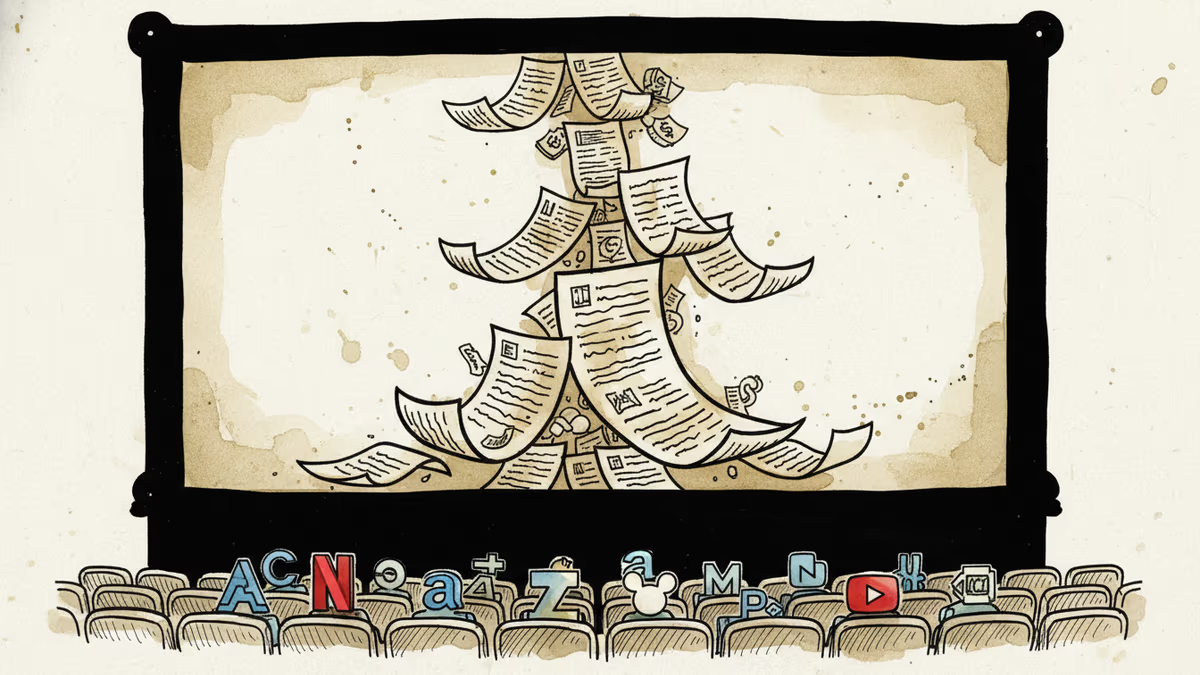
Paramount-Warner merger creates streaming giant with 200M+ subscribers after Netflix abandoned WBD deal. What this mega-consolidation means for content and competition.
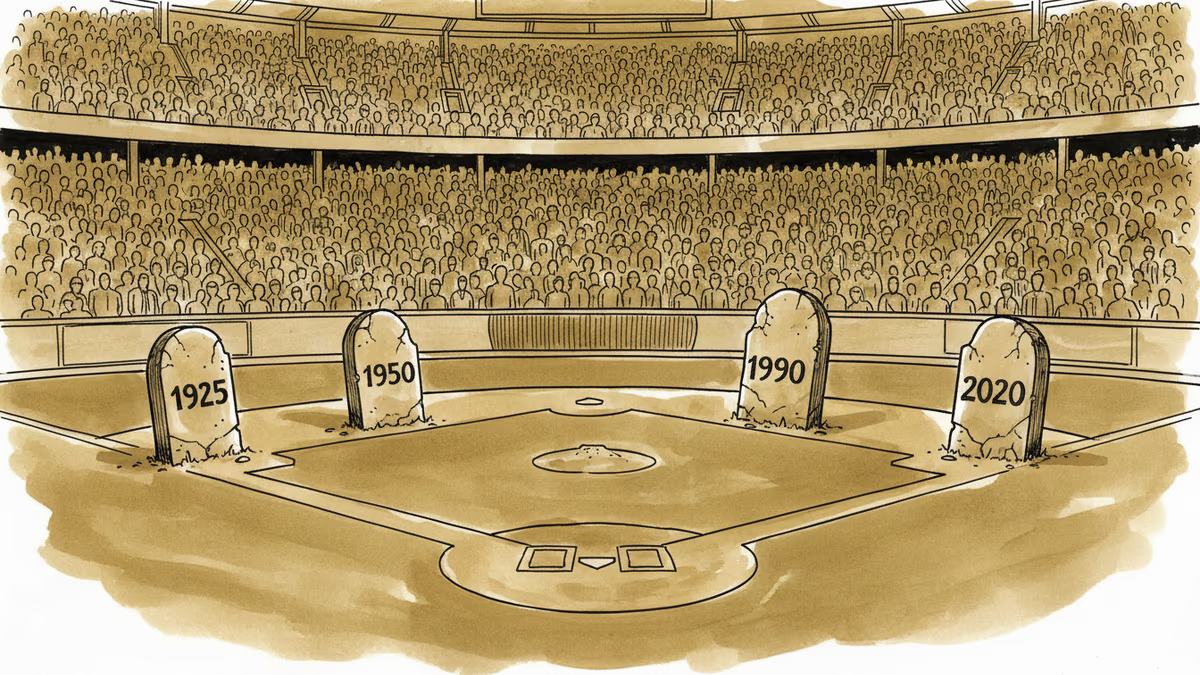
From 1925 to 2026, media has declared baseball's death countless times. Why crisis narratives persist and what they reveal about how sports evolve in the attention economy.
As Polymarket and Kalshi expand news partnerships, insider trading concerns mount. The line between gambling and information is blurring dangerously.
Current AI's open-source device challenges Big Tech's AI monopoly with offline capabilities and 22 Indian languages. Could this spark a new era of decentralized AI?
Paramount-Warner merger creates streaming giant with 200M+ subscribers after Netflix abandoned WBD deal. What this mega-consolidation means for content and competition.
From 1925 to 2026, media has declared baseball's death countless times. Why crisis narratives persist and what they reveal about how sports evolve in the attention economy.
Thoughts
Share your thoughts on this article
Sign in to join the conversation