
Washington Post CEO Steps Down, Tumblr Ex-Chief Takes Helm
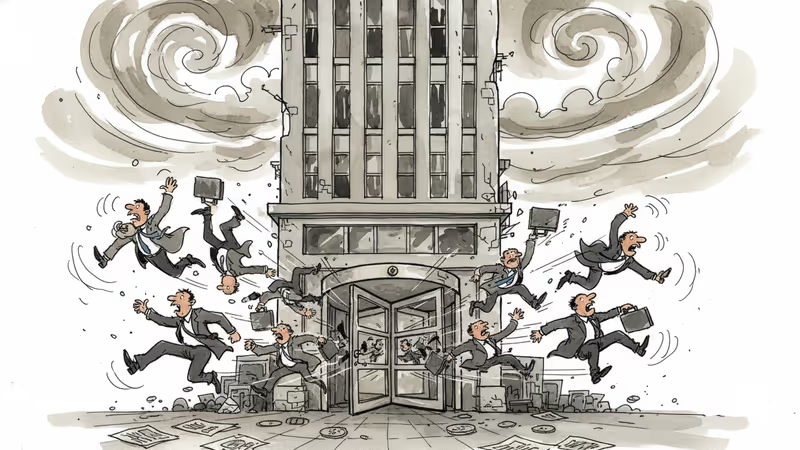
Will Lewis resigns as Washington Post CEO after mass layoffs, with former Tumblr CEO Jeff D'Onofrio stepping in as acting CEO. A digital transformation experiment or sign of deeper crisis?
The 153-year-oldWashington Post is spinning its revolving door once again. Will Lewis has stepped down as CEO following this week's mass layoffs, with Jeff D'Onofrio—former CEO of Tumblr from 2017 to 2022—stepping in as acting CEO and publisher.
It's a curious choice that says more about the state of legacy media than any press release could.
A Tech Resume in a News Crisis
D'Onofrio's background reads like a case study in digital media's complicated relationship with success. Since June 2023, he's served as the Post's CFO, giving him a front-row seat to Jeff Bezos' ongoing experiment with one of America's most storied newspapers. But his media experience is surprisingly thin—a brief stint as general manager of Yahoo News during its Verizon ownership days.
More telling is his Tumblr tenure. From 2017 to 2022, D'Onofrio helmed the once-vibrant social platform as it struggled with declining user engagement and an unclear path to profitability. The platform that once defined internet culture became increasingly irrelevant under his watch—hardly the success story you'd expect for someone now tasked with rescuing a major newspaper.
The Pattern Behind the Appointment

This isn't just about one CEO swap. It reflects a broader trend where traditional media companies are betting their futures on tech executives who promise digital transformation. The logic seems sound: hire someone who understands platforms, algorithms, and user engagement to navigate the digital landscape.
But the track record is mixed. Tumblr under D'Onofrio, Twitter under various tech-focused leaders, even Yahoo during its Verizon years—the graveyard of digital media is littered with platforms that had tech-savvy leadership but lost their way.
What This Means for Media's Future
The Post's choice reveals the industry's fundamental uncertainty about its own identity. Are newspapers tech companies that happen to produce journalism? Content platforms competing with TikTok and Instagram? Or something else entirely?
Bezos acquired the Post in 2013 with promises of digital innovation and financial stability. While subscriber numbers have grown, profitability remains elusive—hence the recent layoffs that preceded Lewis's departure. The appointment of someone with D'Onofrio's background suggests a continued belief that tech expertise can solve journalism's economic challenges.
Yet the question remains: does running a social media platform prepare someone to navigate the complex ecosystem of political reporting, investigative journalism, and public service that defines a newspaper like the Post?
Authors
Related Articles
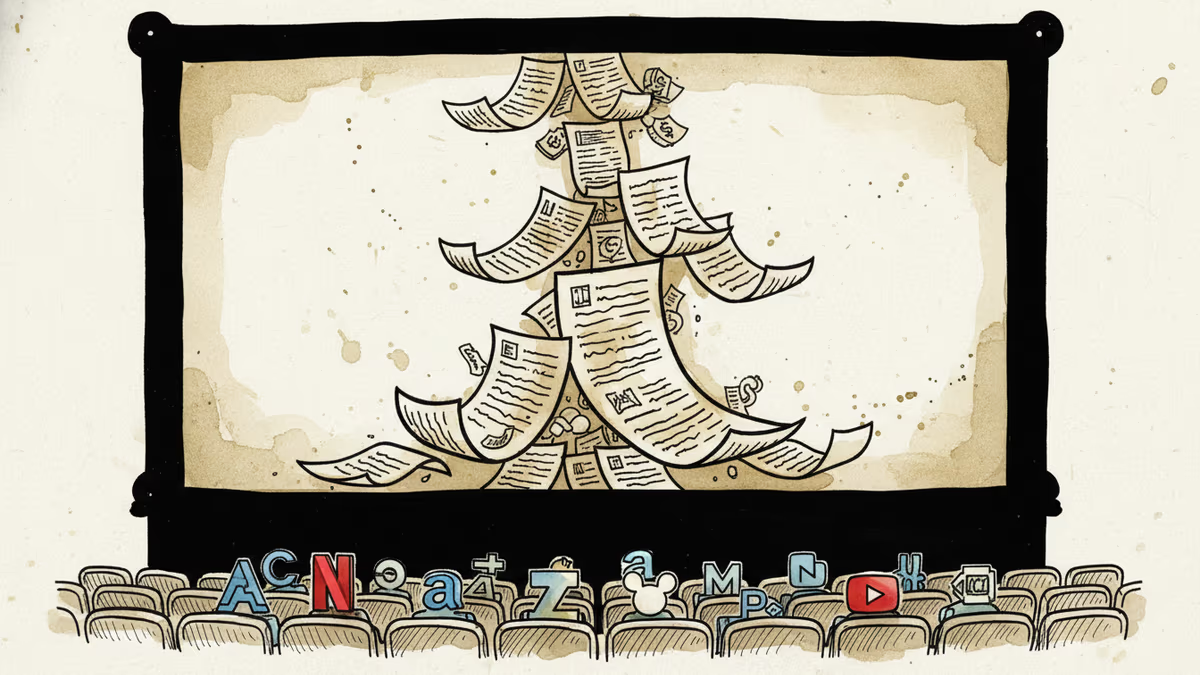
Paramount-Warner merger creates streaming giant with 200M+ subscribers after Netflix abandoned WBD deal. What this mega-consolidation means for content and competition.

From 1925 to 2026, media has declared baseball's death countless times. Why crisis narratives persist and what they reveal about how sports evolve in the attention economy.
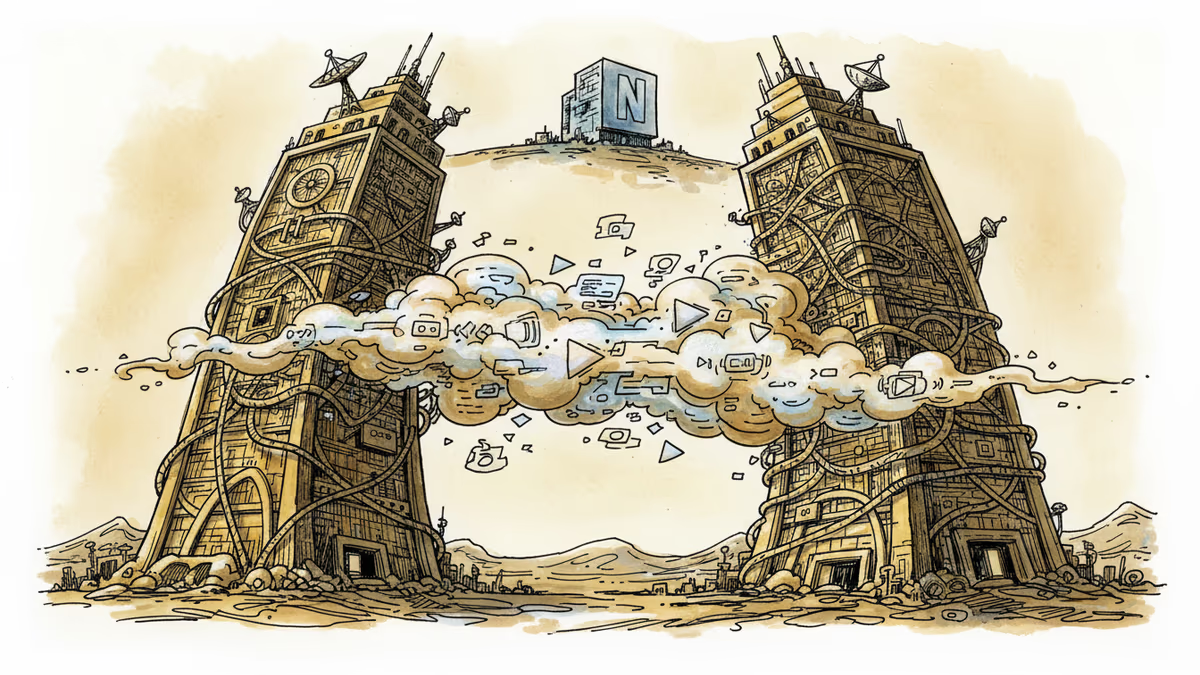
Warner Bros. Discovery and Paramount announce $83B merger after Netflix withdraws from bidding war. Analysis of streaming consolidation and industry implications.
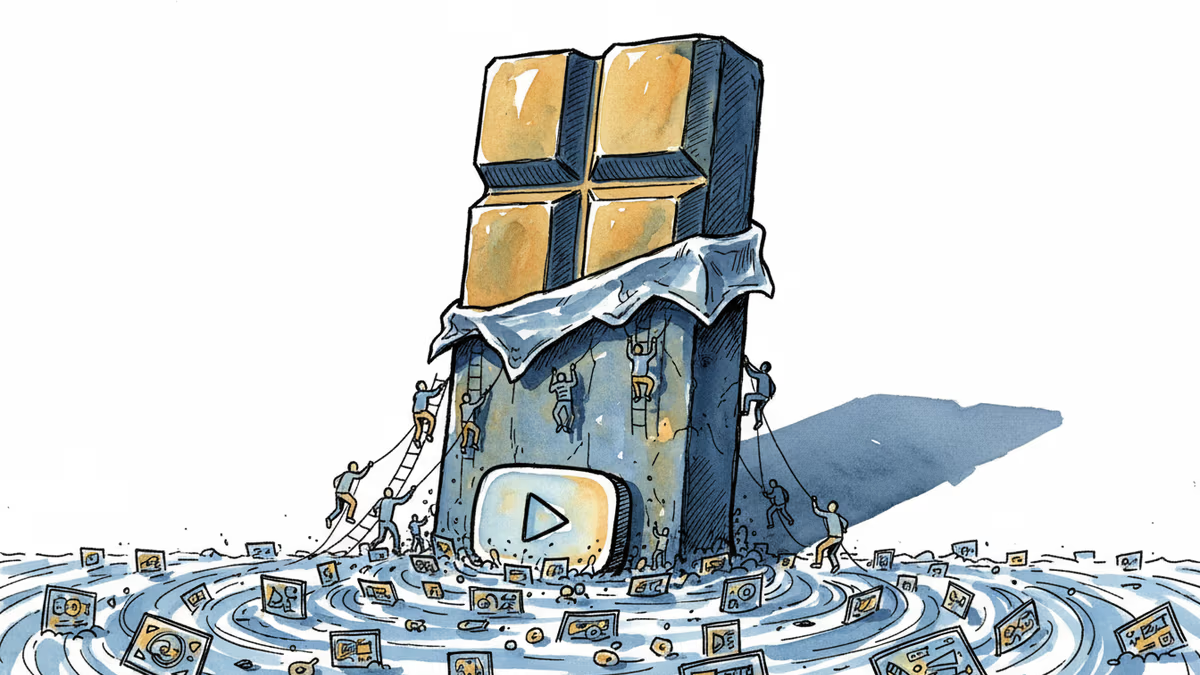
The world's biggest YouTuber lost money on media while his chocolate brand thrived. As AI floods the market with content, creators are scrambling to find new business models.
Paramount-Warner merger creates streaming giant with 200M+ subscribers after Netflix abandoned WBD deal. What this mega-consolidation means for content and competition.
From 1925 to 2026, media has declared baseball's death countless times. Why crisis narratives persist and what they reveal about how sports evolve in the attention economy.
Warner Bros. Discovery and Paramount announce $83B merger after Netflix withdraws from bidding war. Analysis of streaming consolidation and industry implications.
The world's biggest YouTuber lost money on media while his chocolate brand thrived. As AI floods the market with content, creators are scrambling to find new business models.
Thoughts
Share your thoughts on this article
Sign in to join the conversation