
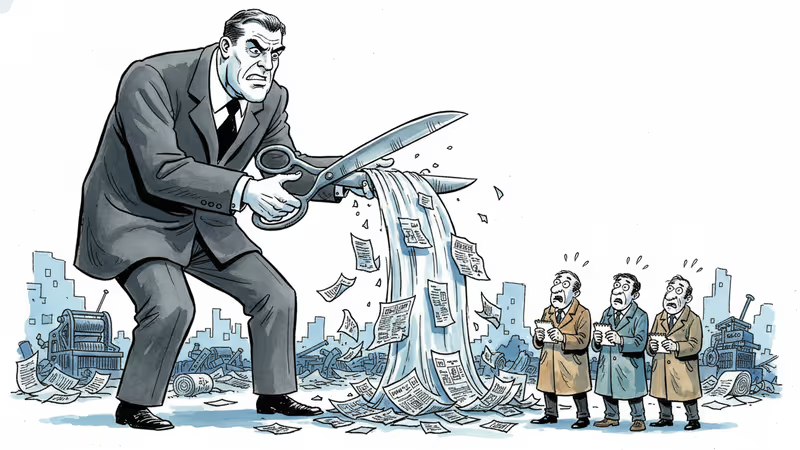
Bezos Just Fired the Journalists Who Were Watching Him
Amazon founder Jeff Bezos's Washington Post slashed its tech coverage team by half in massive layoffs affecting 300+ staff. A look at how tech billionaires are controlling media coverage of themselves.
Seven of the world's 10 richest people made their fortunes in tech. And one of them just fired the journalists who were covering him.
Jeff Bezos'sWashington Post gutted its tech coverage team as part of sweeping layoffs affecting more than 300 people. The tech, science, health, and business team was slashed from 80 to 33 reporters—more than half. The tech desk alone cut 14 people. Its San Francisco bureau is now a shell.
Among those laid off: reporters covering Amazon, artificial intelligence, internet culture, and investigations. The paper also eliminated its media industry team—the very journalists who had been reporting on Bezos's ownership of their own newspaper.
The Timing Tells the Story
Where was Bezos when his newspaper announced these cuts? In Florida, giving Defense Secretary Pete Hegseth a tour of his space company Blue Origin's facilities. Less than 48 hours later, The Post laid off the journalist who covered Blue Origin.
This isn't just about one billionaire. Salesforce founder Marc Benioff owns Time, pharmaceutical executive Patrick Soon-Shiong owns the LA Times. All moved closer to Trump after his 2024 election win. Bezos blocked his paper's endorsement of Kamala Harris, triggering "hundreds of thousands" of subscription cancellations.
The Profitability Excuse

Post executives framed the layoffs as a "reboot" aimed at reaching readers and achieving profitability. The numbers are real: the paper lost $100 million in 2024, and daily visits dropped from 22.5 million in January 2021 to around 3 million by mid-2024.
But the choice of what to cut reveals priorities. Tech coverage decimated. Media industry coverage eliminated. Foreign bureaus shuttered. Meanwhile, other departments faced lighter cuts.
The Broader Pattern
This isn't happening in a vacuum. Google's algorithm changes have directed readers away from news outlets toward AI-generated answers. The media industry faces fragmented audiences and declining revenues.
Yet the specific targeting of tech coverage at a tech billionaire's newspaper raises uncomfortable questions. When the people wielding outsized influence over global politics and economics also control the flow of information about themselves, who watches the watchers?
What This Means for You
The consolidation of media ownership under tech billionaires affects what information reaches the public. When coverage of Amazon gets cut at Bezos's paper, when media industry reporting disappears, when foreign bureaus close—these aren't just business decisions. They're editorial choices about what stories get told.
For readers, this means being more conscious about news sources and funding models. For the tech industry, it raises questions about accountability when the most powerful players can influence their own coverage.
Authors
Related Articles
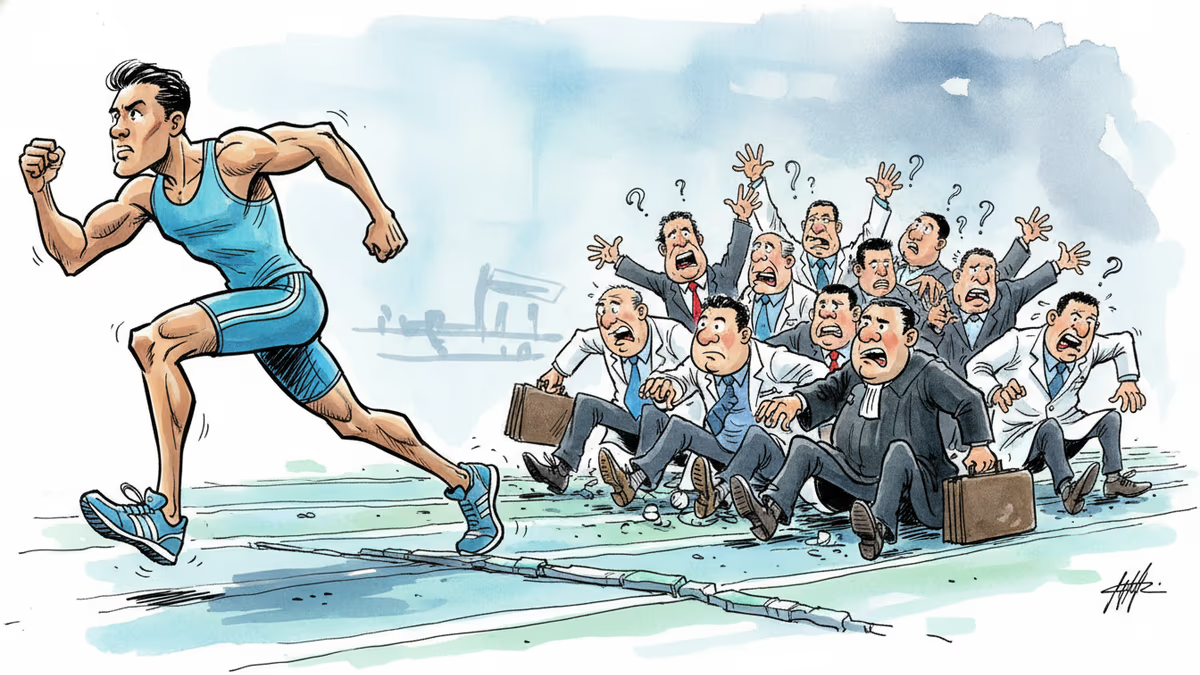
Stanford's 2026 AI Index reveals AI adoption outpacing PCs and the internet, junior dev jobs falling 20%, and the benchmarks we use to measure AI progress are broken. Here's what the data actually says.
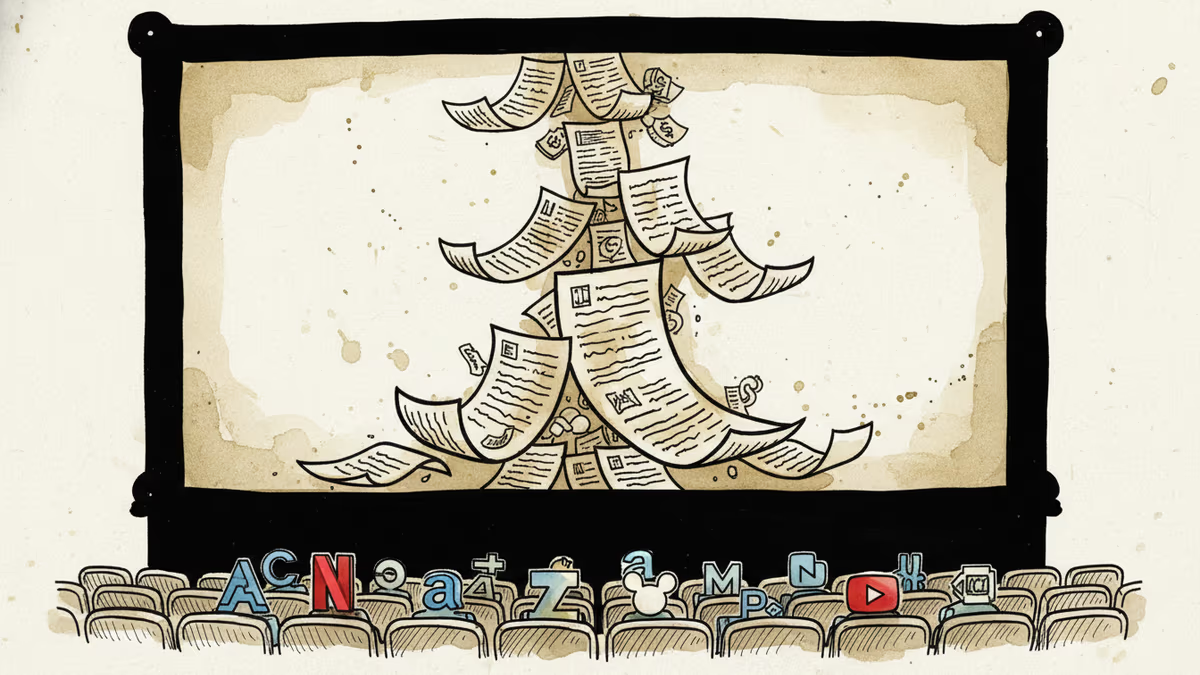
Paramount-Warner merger creates streaming giant with 200M+ subscribers after Netflix abandoned WBD deal. What this mega-consolidation means for content and competition.
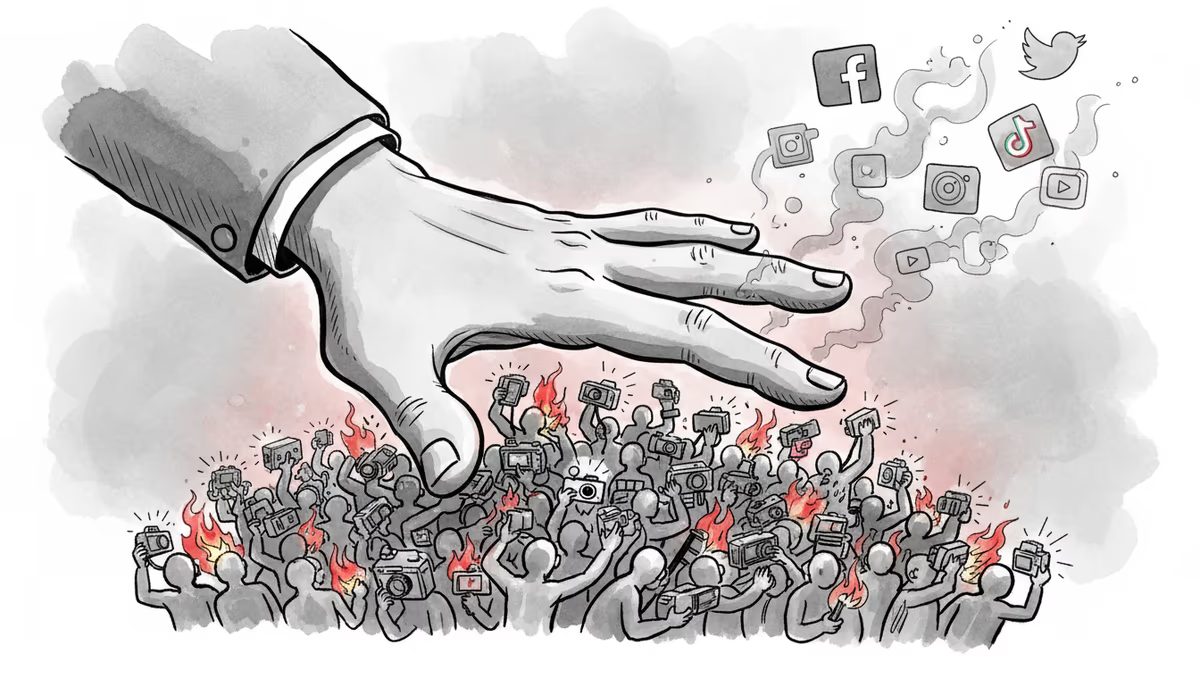
Gaza and Iran's media blackouts reveal how truth dies in the digital age. An analysis of modern information warfare tactics and their global implications.
From 1925 to 2026, media has declared baseball's death countless times. Why crisis narratives persist and what they reveal about how sports evolve in the attention economy.
Stanford's 2026 AI Index reveals AI adoption outpacing PCs and the internet, junior dev jobs falling 20%, and the benchmarks we use to measure AI progress are broken. Here's what the data actually says.
Paramount-Warner merger creates streaming giant with 200M+ subscribers after Netflix abandoned WBD deal. What this mega-consolidation means for content and competition.
Gaza and Iran's media blackouts reveal how truth dies in the digital age. An analysis of modern information warfare tactics and their global implications.
From 1925 to 2026, media has declared baseball's death countless times. Why crisis narratives persist and what they reveal about how sports evolve in the attention economy.
Thoughts
Share your thoughts on this article
Sign in to join the conversation