

Zero-Energy Chill: How Radiative Cooling Is Rewriting the Rules of Heat
Explore the breakthrough of radiative cooling tech. Learn how startups like SkyCool Systems use the vacuum of space to cool buildings by 35ºC without electricity.
Beating the heat is becoming a survival game. During the summer of 2025, heatwaves shattered power grids across North America and Europe. While air conditioning is a literal lifesaver, it's also a power-hungry monster that contributes to the very warming it tries to mitigate. Enter Radiative Cooling: a millennia-old concept turbocharged by 21st-century materials science that chills surfaces without using a single watt of electricity.
Tapping into the Cold of Deep Space
The magic lies in the "atmospheric window." Our atmosphere allows specific infrared wavelengths between 8 and 13 micrometers to pass through and escape directly into the cold vacuum of space. By engineering materials—like those developed by UCLA scientist and SkyCool Systems co-founder Aaswath Raman—that specifically emit heat at these frequencies, we can cool buildings even under the blazing midday sun.

The Commercial Race: From Roofs to T-Shirts
A new wave of startups, including SkyCool, Planck Energies, and i2Cool, is racing to scale this. Their coatings reflect over 94% to 97% of sunlight. Thermal imaging from field tests shows treated surfaces staying a massive 35ºC cooler than their surroundings, slashing AC energy needs by up to 20%.
However, the tech isn't a silver bullet. Weather, dust, and pollution can dull the reflective surfaces over time. Furthermore, the most durable coatings currently rely on fluoropolymers—so-called 'forever chemicals' that pose environmental risks. The industry's next challenge is achieving the same performance with biodegradable, low-cost materials.
Authors
Related Articles
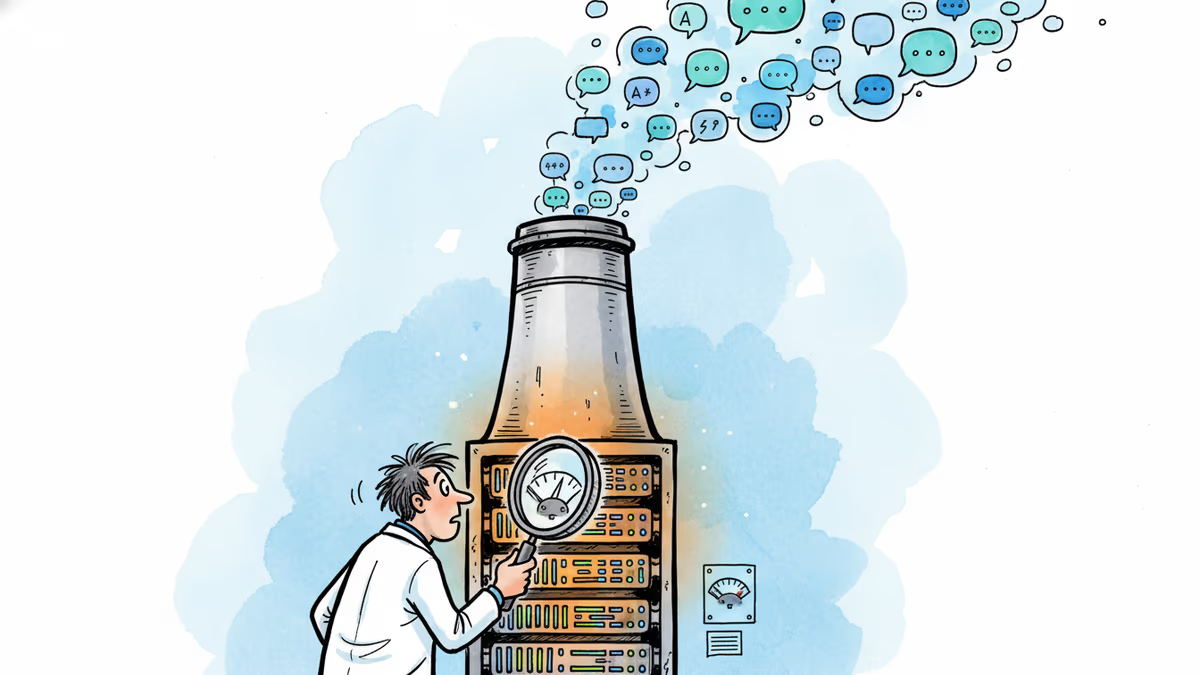
AI sustainability researcher Sasha Luccioni is launching a new venture to push for energy transparency in AI. Here's why Big Tech keeps the numbers hidden—and what's starting to change.
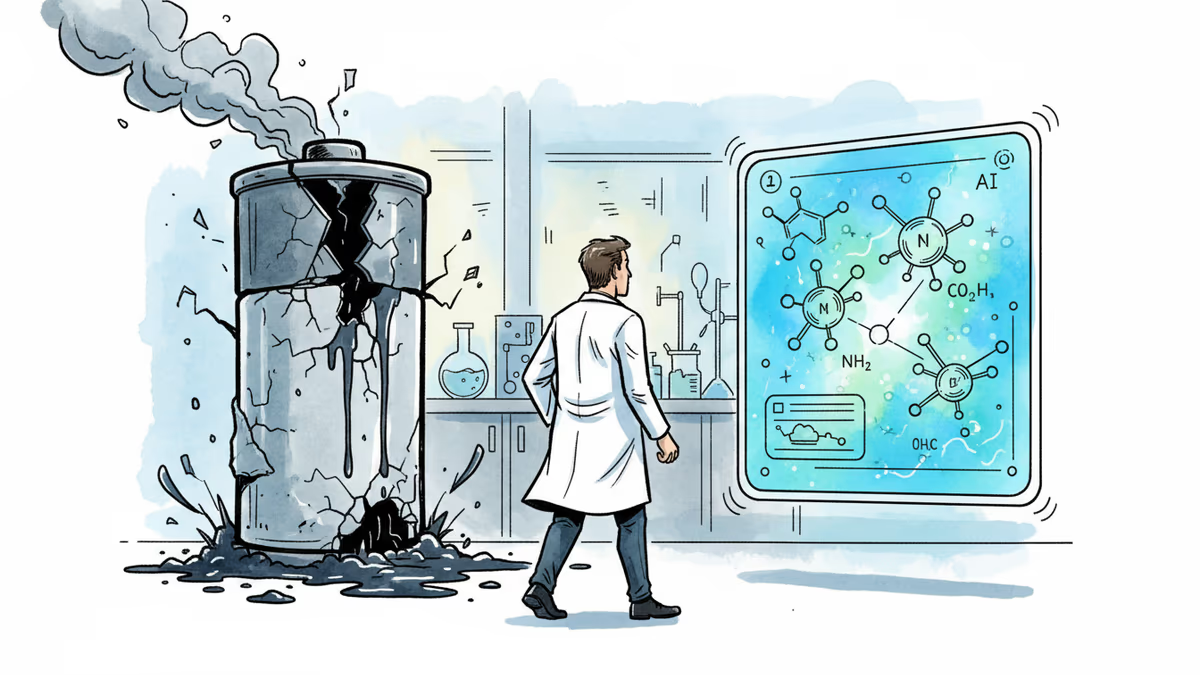
SES AI is abandoning lithium battery development for AI-driven materials discovery. One CEO's blunt diagnosis of Western battery industry collapse — and what it means for the future of energy tech.
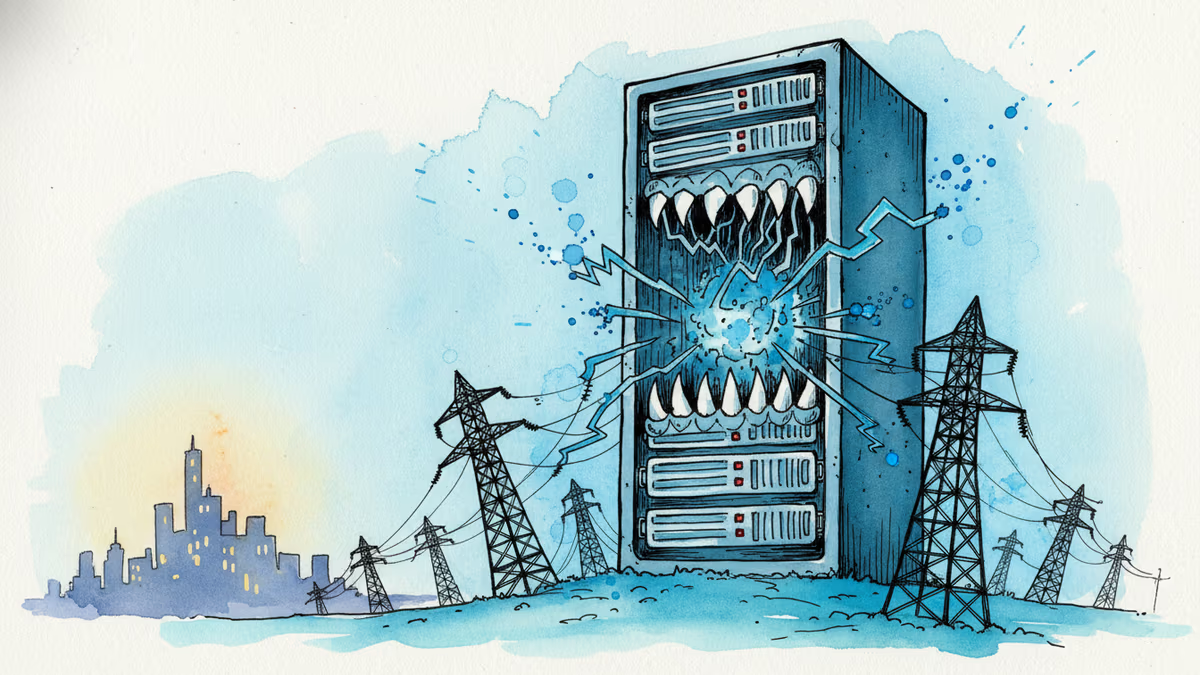
US data centers could consume 12% of national electricity by 2028. A new MIT Tech Review survey of 300 executives reveals energy costs are now the top threat to AI innovation.
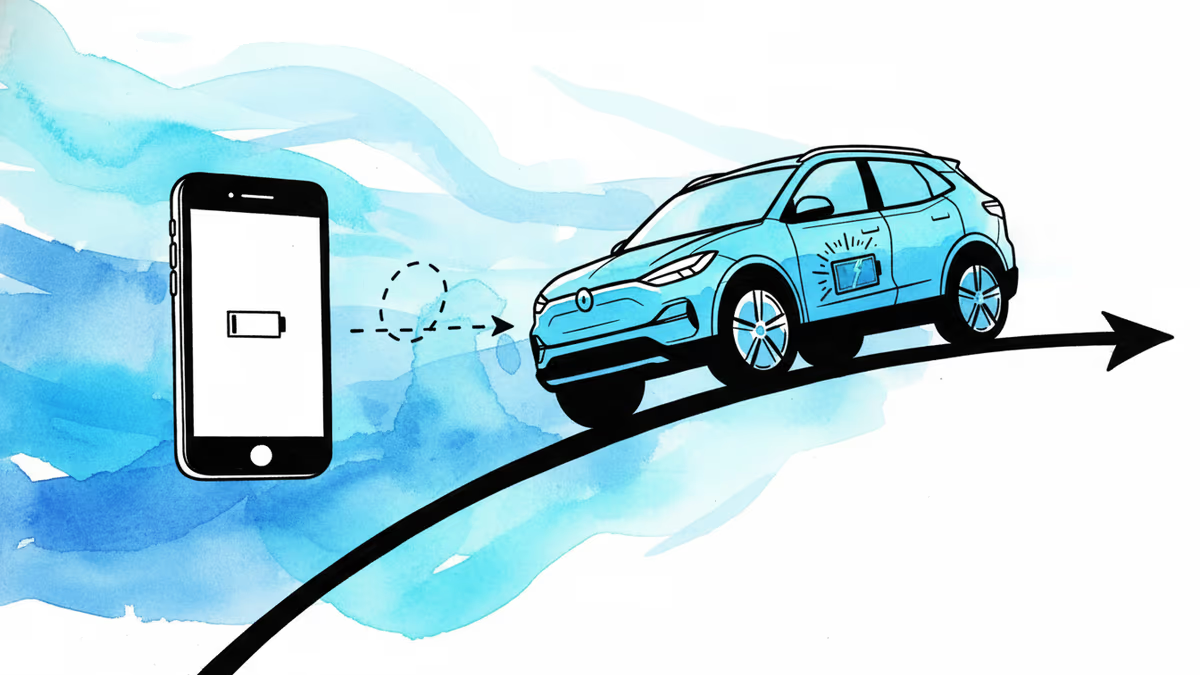
University of Michigan study reveals modern EV batteries lose only 2% capacity annually, lasting over a decade. How liquid cooling and thermal management changed everything.
AI sustainability researcher Sasha Luccioni is launching a new venture to push for energy transparency in AI. Here's why Big Tech keeps the numbers hidden—and what's starting to change.
SES AI is abandoning lithium battery development for AI-driven materials discovery. One CEO's blunt diagnosis of Western battery industry collapse — and what it means for the future of energy tech.
US data centers could consume 12% of national electricity by 2028. A new MIT Tech Review survey of 300 executives reveals energy costs are now the top threat to AI innovation.
University of Michigan study reveals modern EV batteries lose only 2% capacity annually, lasting over a decade. How liquid cooling and thermal management changed everything.
Thoughts
Share your thoughts on this article
Sign in to join the conversation