

Telly Dual-Screen TV Shipping 2024: The Hidden Cost of 'Free'
Telly dual-screen TV shipping 2024 update. The startup's plan to give away 500,000 free TVs for data faces logistics and privacy hurdles.
Is your privacy worth a $1,000 TV? For many, the answer is still stuck in a warehouse. Telly, the startup promising a free 55-inch dual-screen TV in exchange for constant data tracking, is reportedly struggling to fulfill its ambitious delivery targets.
Telly Dual-Screen TV Shipping 2024 Goals Face Reality Check
According to industry reports, Telly hasn't had an easy time scaling its operation. When it debuted in May 2023, the company expected to ship 500,000 units by that summer. However, despite gaining 250,000 sign-ups by June of that year, the actual rollout has been significantly slower than anticipated. By 2024, Telly claimed plans to ship "millions more," but concrete delivery figures remain elusive.

The Unbreakable Contract: Ads for Hardware
The device features a primary 55-inch display and a secondary "billboard" screen below it. Owners are strictly prohibited from disabling tracking or covering the ad screen. Telly claims the hardware is worth $1,000, and users who fail to comply with the data-sharing terms are contractually obligated to pay the full price. The barrier to entry isn't just the ads—it's also the lengthy, intrusive survey required for eligibility.
- Mandatory ad viewing on the secondary display.
- Permanent tracking of viewing habits and personal data.
- Penalty fees of $1,000 for non-compliance.
Authors
Related Articles
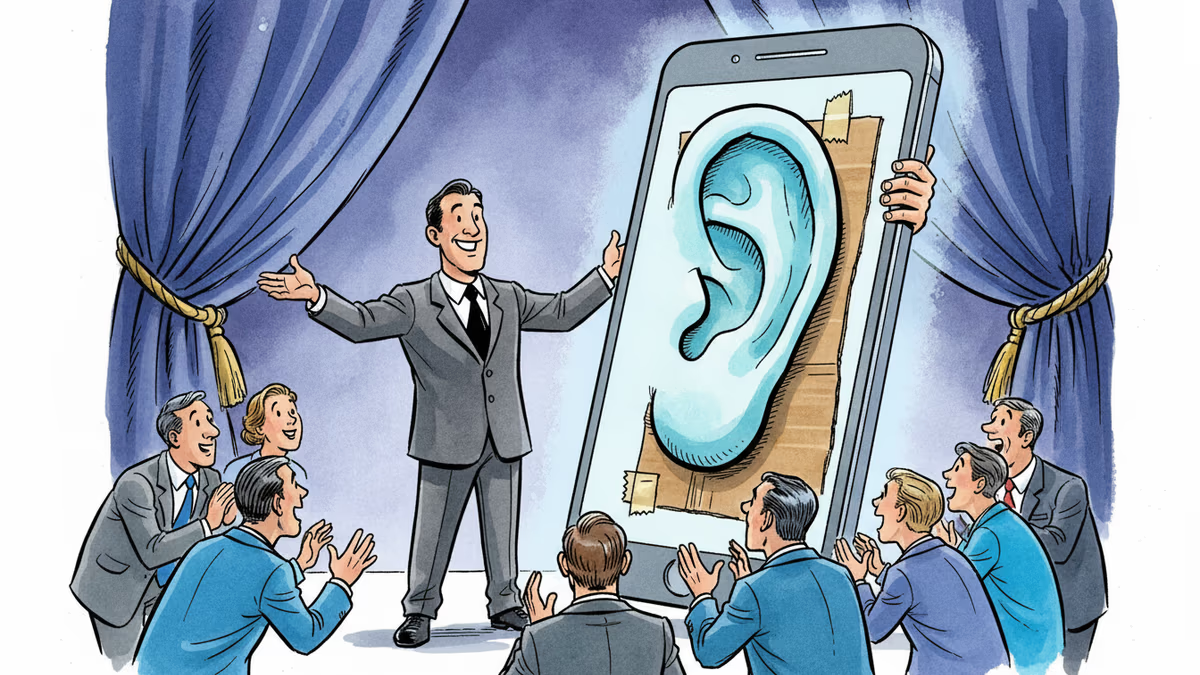
The FTC fined Cox Media and two ad firms $930,000 — not for actually eavesdropping on users, but for falsely claiming they could. The case raises uncomfortable questions about surveillance capitalism.
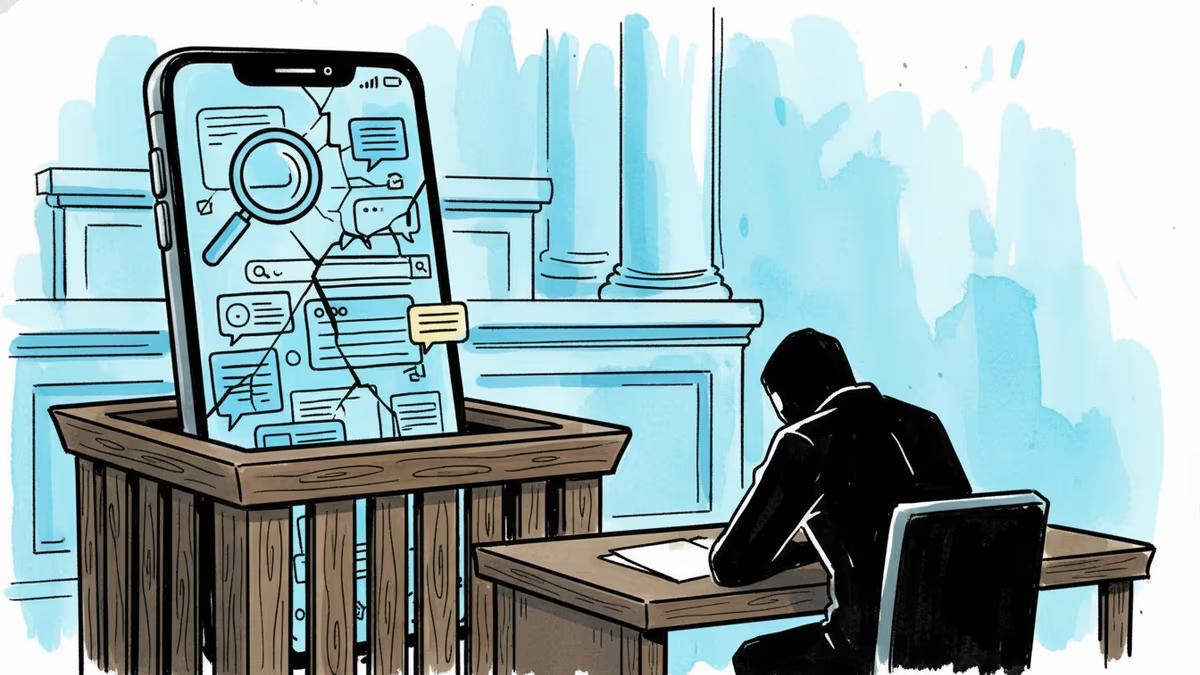
A Utah woman was sentenced to life in prison partly because of her Google searches and deleted texts. The Kouri Richins case reveals how digital footprints have become the courtroom's most reliable witness.
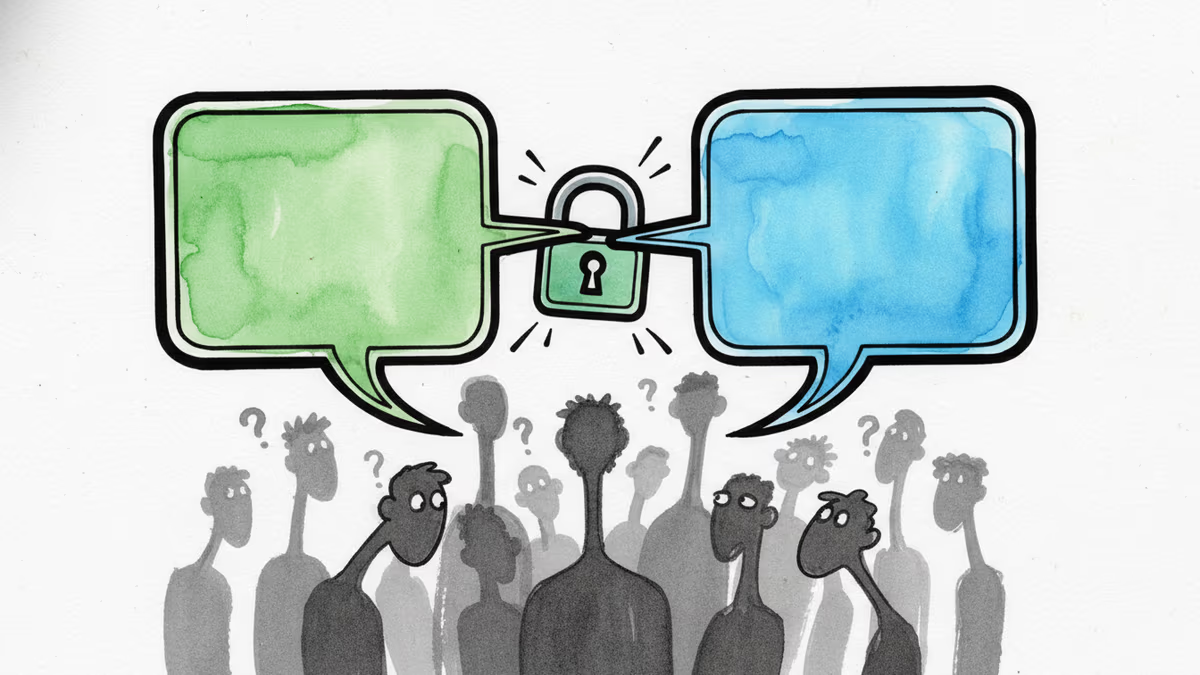
After 15 years of fragmented mobile messaging, Apple and Google are rolling out end-to-end encrypted RCS messaging between iPhones and Android devices. Here's what changed, why it took so long, and what it means for your privacy.
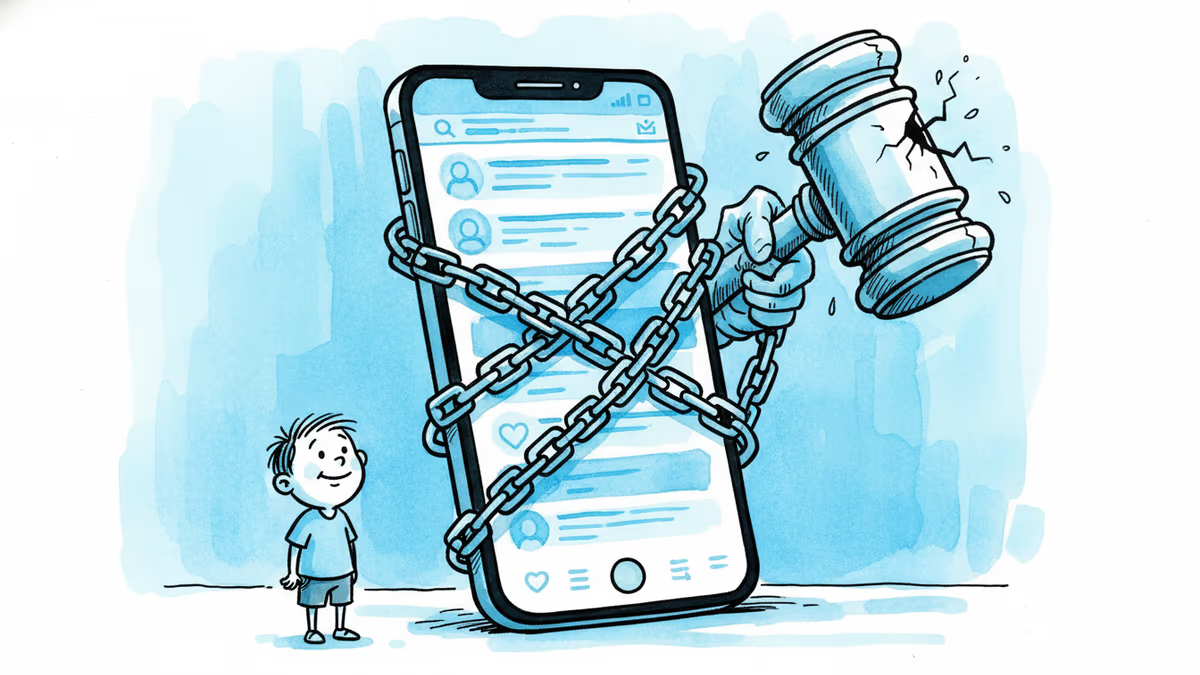
New Mexico already won $375 million from Meta. Now it wants something harder to give: a court order forcing Facebook, Instagram, and WhatsApp to redesign themselves. A three-week trial starts Monday.
The FTC fined Cox Media and two ad firms $930,000 — not for actually eavesdropping on users, but for falsely claiming they could. The case raises uncomfortable questions about surveillance capitalism.
A Utah woman was sentenced to life in prison partly because of her Google searches and deleted texts. The Kouri Richins case reveals how digital footprints have become the courtroom's most reliable witness.
After 15 years of fragmented mobile messaging, Apple and Google are rolling out end-to-end encrypted RCS messaging between iPhones and Android devices. Here's what changed, why it took so long, and what it means for your privacy.
New Mexico already won $375 million from Meta. Now it wants something harder to give: a court order forcing Facebook, Instagram, and WhatsApp to redesign themselves. A three-week trial starts Monday.
Thoughts
Share your thoughts on this article
Sign in to join the conversation