

Tech's New Cold War: China Closes Chip Gap as Satellites 'Dogfight' in Orbit
A new report reveals China's breakthrough in chip-making machinery, drastically closing the semiconductor gap as U.S. and Chinese satellites engage in orbital "dogfighting."
The technological cold war between the U.S. and China is escalating on two critical fronts. New reports indicate Beijing is nearing semiconductor independence on the ground while its satellites are engaging in frequent close-quarters maneuvers with American assets in orbit.
According to Reuters, China has successfully developed an advanced chip-making machine, a breakthrough suggesting the nation is far closer to breaking Western dominance in the semiconductor industry than previously believed. This rapid progress is also fueling a new class of AI-era billionaires within the country, as Insider reports.
Simultaneously, the competition is heating up hundreds of miles above Earth. Clashes between U.S. and Chinese satellites have become so common that officials have dubbed the orbital jostling "dogfighting," the Washington Post reports. These maneuvers highlight the growing militarization of space and the strategic importance of orbital dominance.

Washington appears to be responding to this intensified space race. NASA has appointed billionaire astronaut and Elon Musk ally Jared Isaacman as its new chief. The move is widely seen as an effort to accelerate U.S. space ambitions, including returning astronauts to the Moon before China achieves the same feat, according to the BBC.
Meanwhile, the societal impacts of technology continue to draw scrutiny. The parents of a teenager who died by suicide after being tricked in a sextortion scheme are now suing Meta, reports The Guardian, alleging the platform's role in the tragedy.
Authors
Related Articles
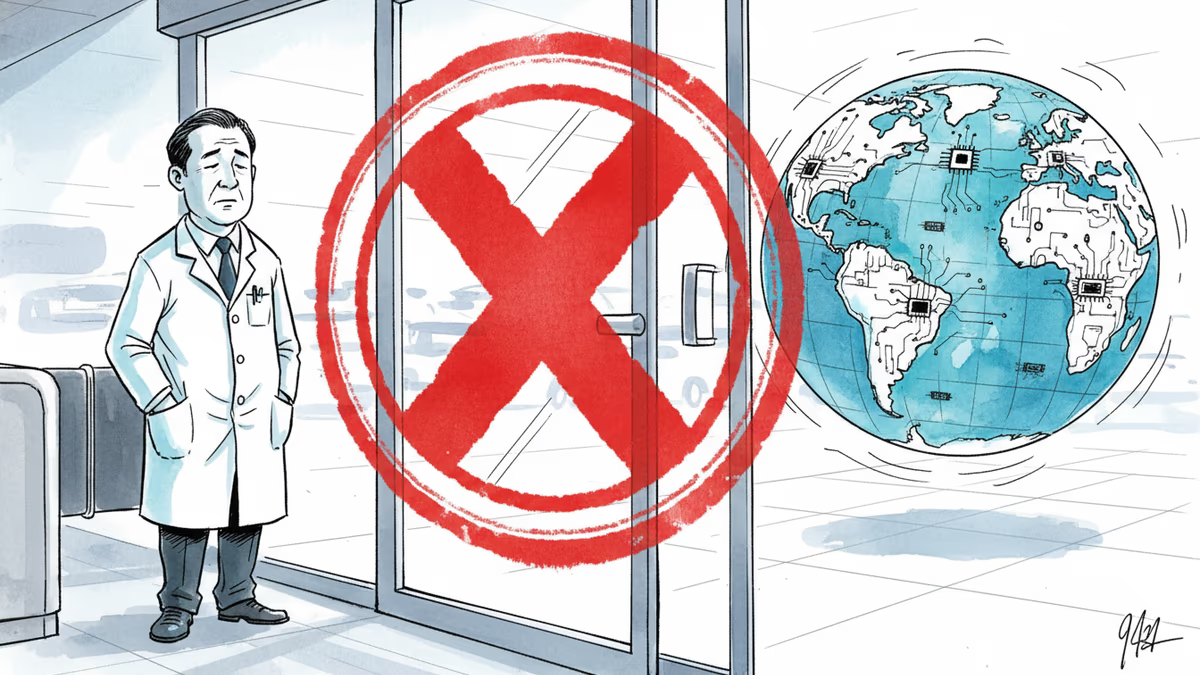
China is restricting AI researchers and startup founders from traveling abroad as the U.S.-China AI performance gap narrows to just 2.7%. What Beijing's talent lockdown means for the global AI race.

The US government invested $2 billion in quantum computing startups, but Congress says the money was never authorized for that purpose. The fate of IBM-backed Anderon hangs in the balance.
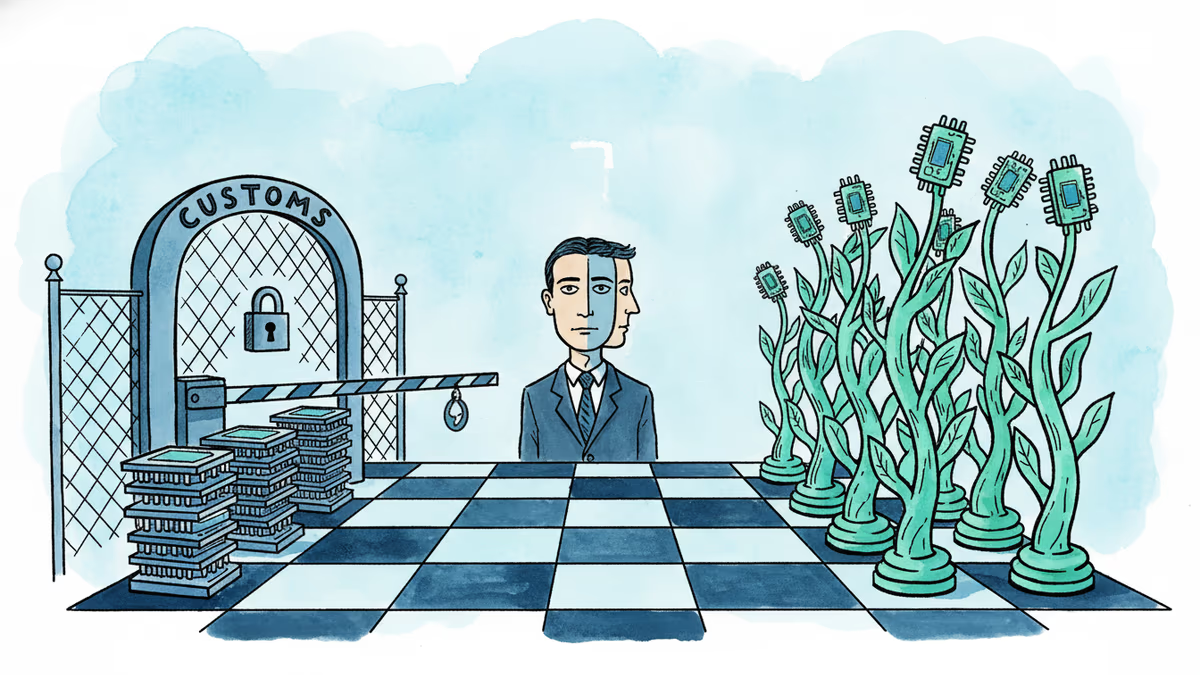
Beijing added an Nvidia gaming chip to its customs ban list the same week Jensen Huang visited China with Trump. Here's what it means for the chip war—and who actually wins.
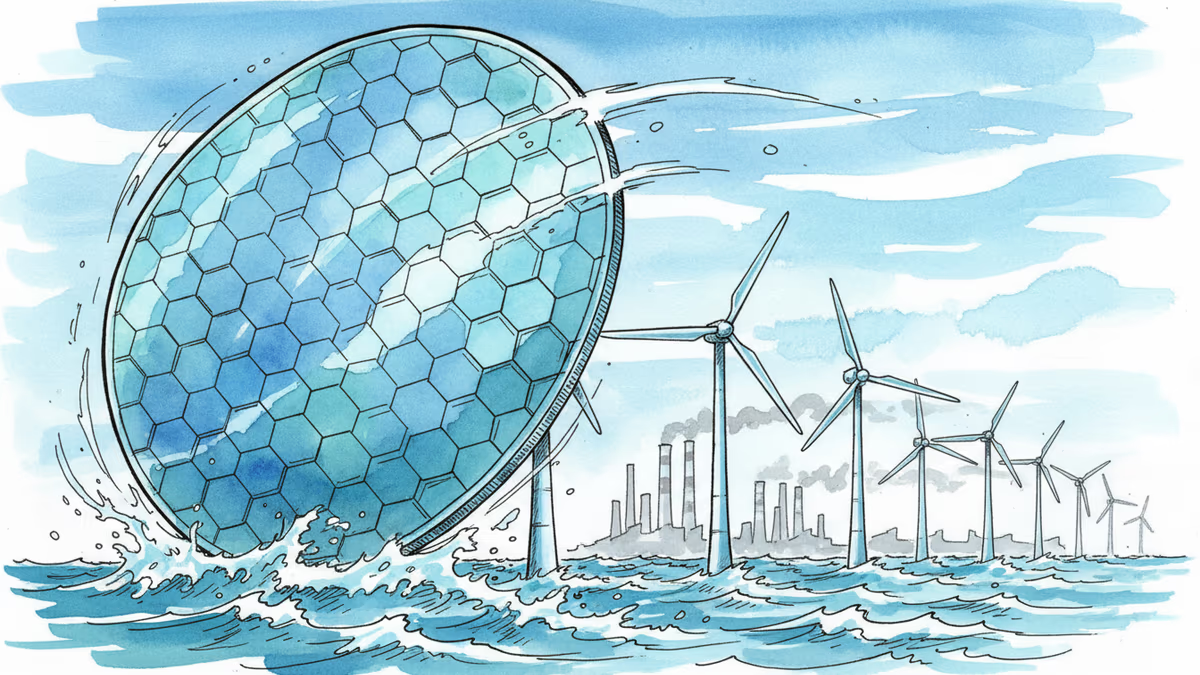
TSMC has signed a 30-year power purchase agreement for 100% of output from Taiwan's Hai Long offshore wind project. The 1GW deal reveals how chipmakers are quietly becoming energy companies.
China is restricting AI researchers and startup founders from traveling abroad as the U.S.-China AI performance gap narrows to just 2.7%. What Beijing's talent lockdown means for the global AI race.
The US government invested $2 billion in quantum computing startups, but Congress says the money was never authorized for that purpose. The fate of IBM-backed Anderon hangs in the balance.
Beijing added an Nvidia gaming chip to its customs ban list the same week Jensen Huang visited China with Trump. Here's what it means for the chip war—and who actually wins.
TSMC has signed a 30-year power purchase agreement for 100% of output from Taiwan's Hai Long offshore wind project. The 1GW deal reveals how chipmakers are quietly becoming energy companies.
Thoughts
Share your thoughts on this article
Sign in to join the conversation