
#US-China
Total 40 articles
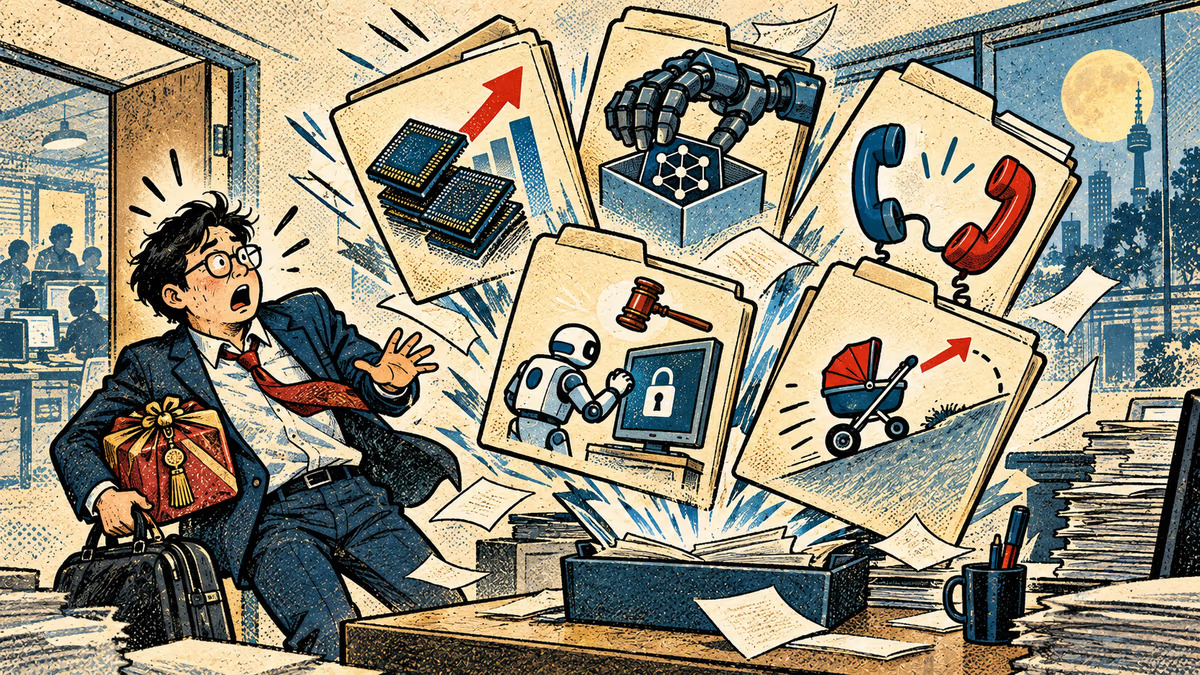
Five stories from late September, traced to where the paper trail stops: Korea's export record, Nvidia's Hugging Face 8-K, a US-China AI channel, the UN on AI, and rising births.
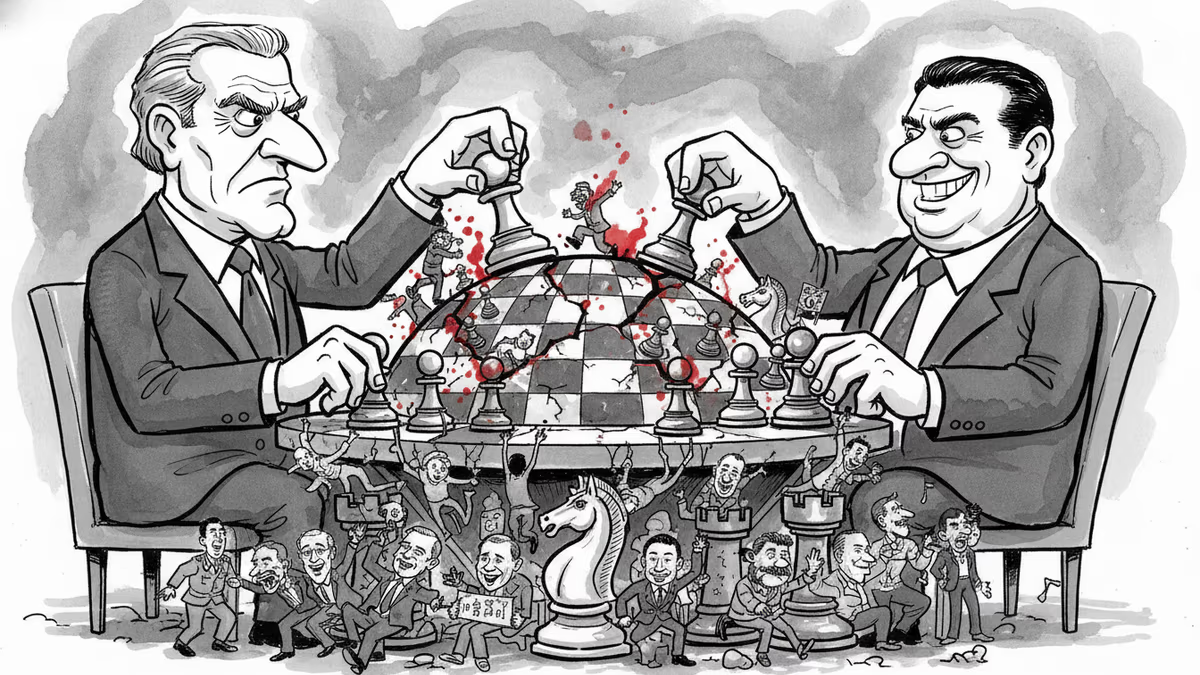
The world is watching for a Xi-Trump summit date. But the deeper question isn't when they'll meet — it's what kind of world they're building together, and apart.
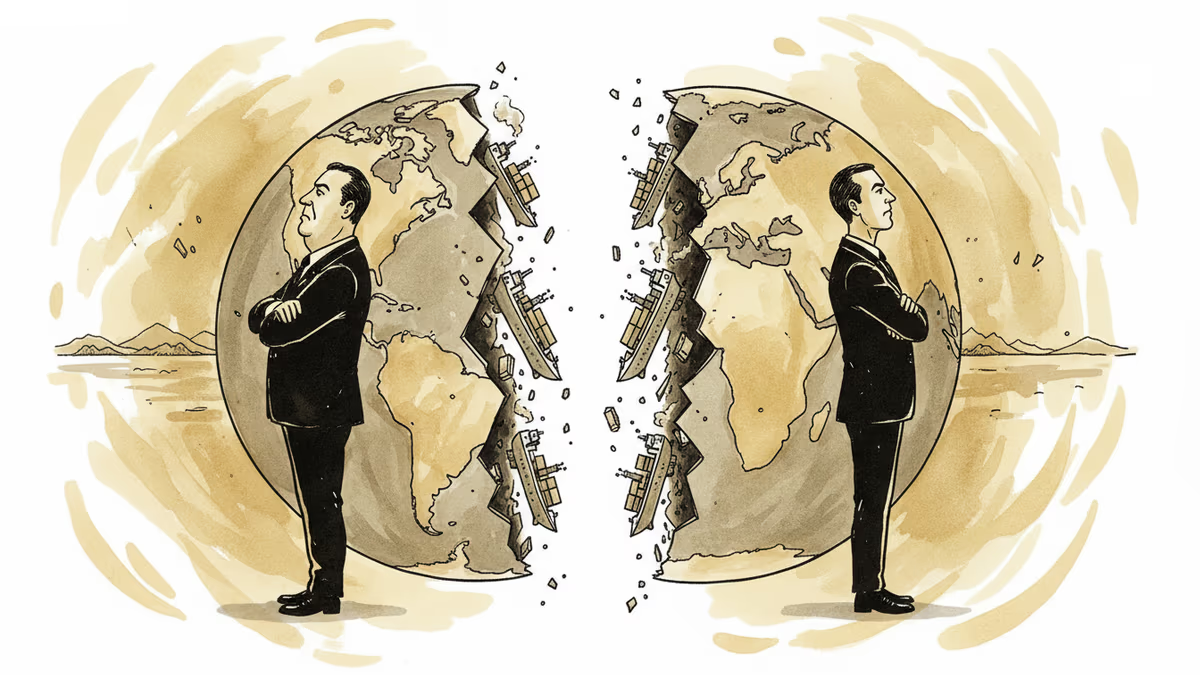
The WTO chief says the world order has irrevocably changed. What does the end of the postwar free trade era mean for businesses, consumers, and the global economy?

PRISM by Liabooks
Place your ad in this space
[email protected]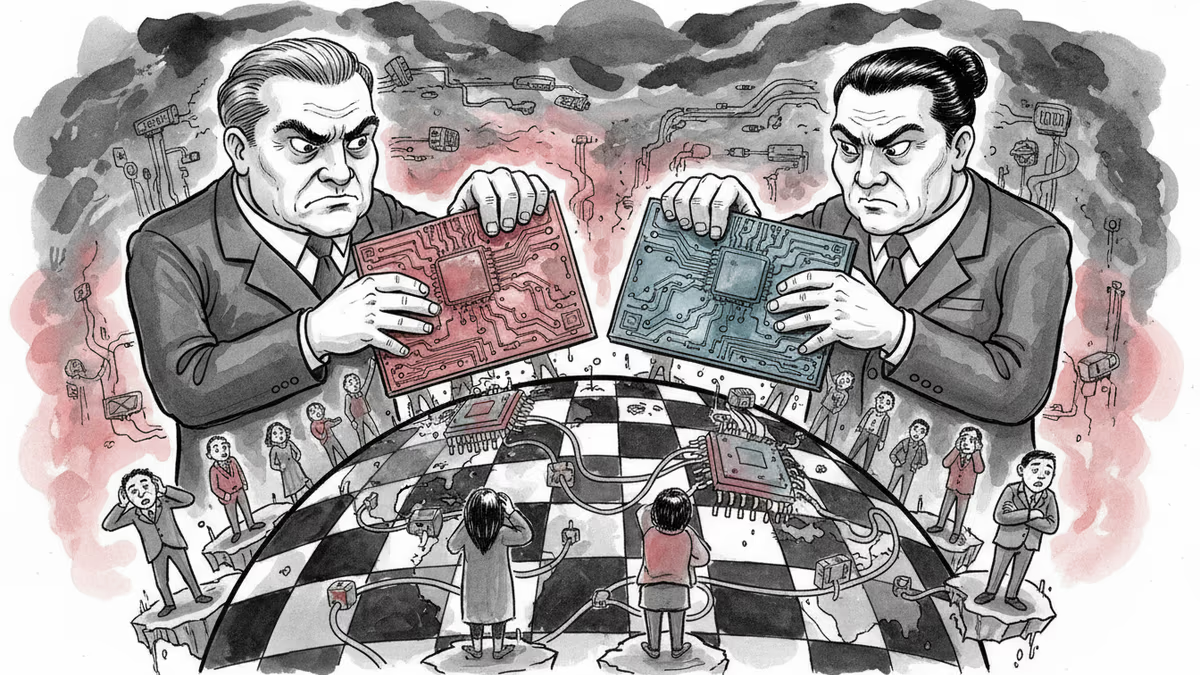
As the US and China race to dominate AI, research, talent, and capital face new borders. What does a fragmented AI world mean for the rest of us?
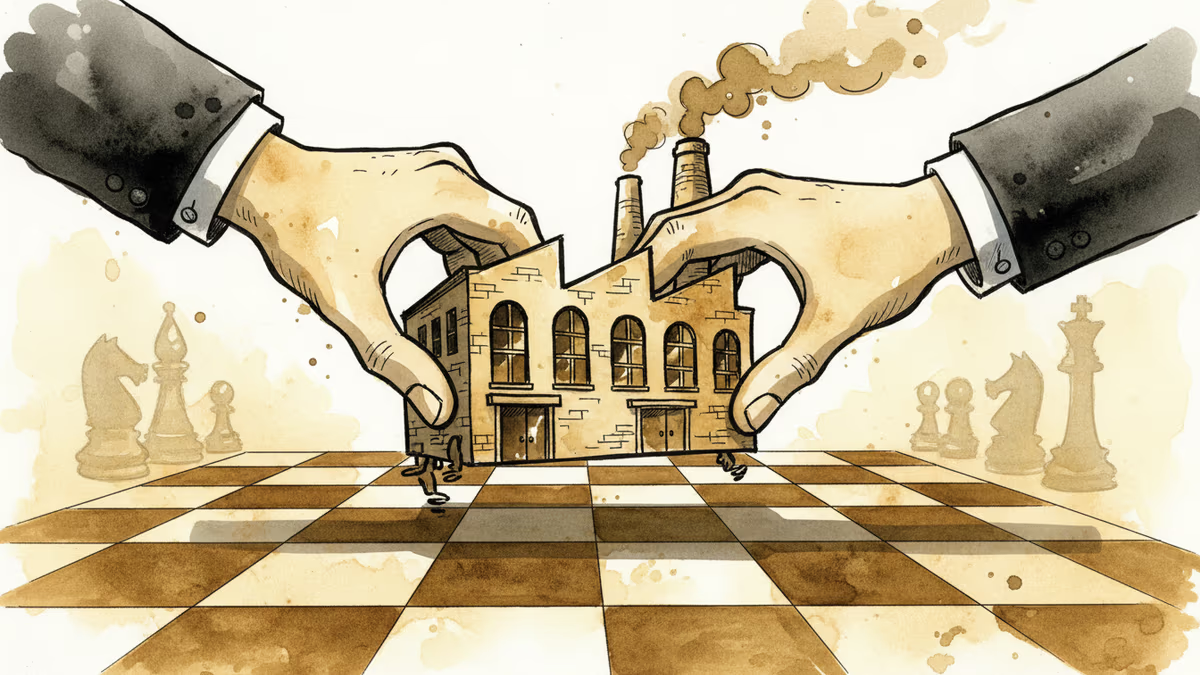
The US is embedding economic power into its security architecture, forcing companies to rethink supply chains not as logistics problems but as geopolitical declarations.
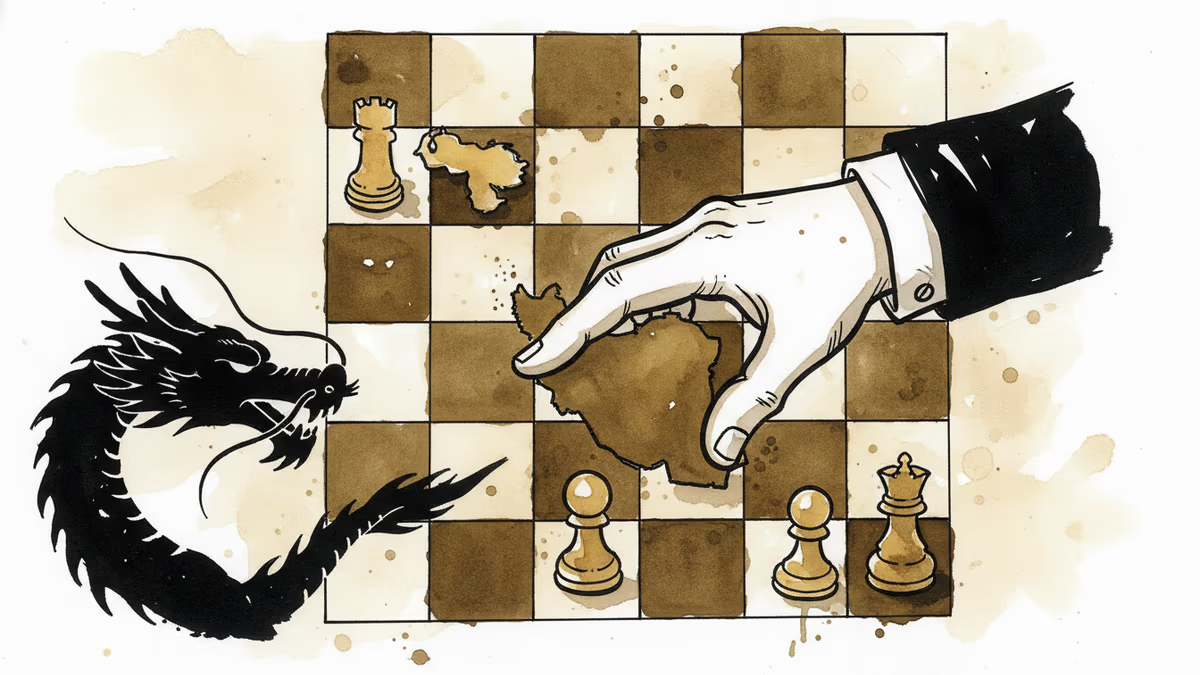
US strikes on Iran are increasingly read by analysts as part of a broader Trump strategy to squeeze China by pressuring its key partners — Iran, Venezuela, Cuba. Here's what that means for global markets and geopolitics.
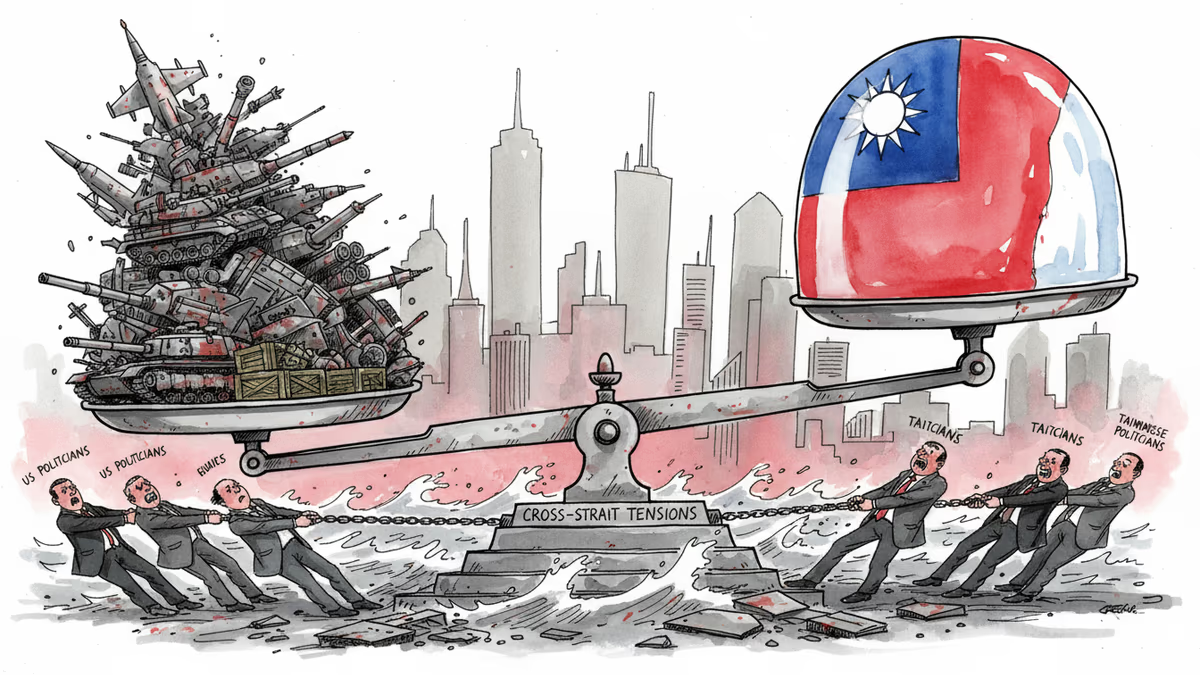
Taiwan's legislature begins reviewing a massive defense budget as political parties clash over prioritizing US weapons purchases versus indigenous capabilities like the T-Dome system.
PRISM by Liabooks
Place your ad in this space
[email protected]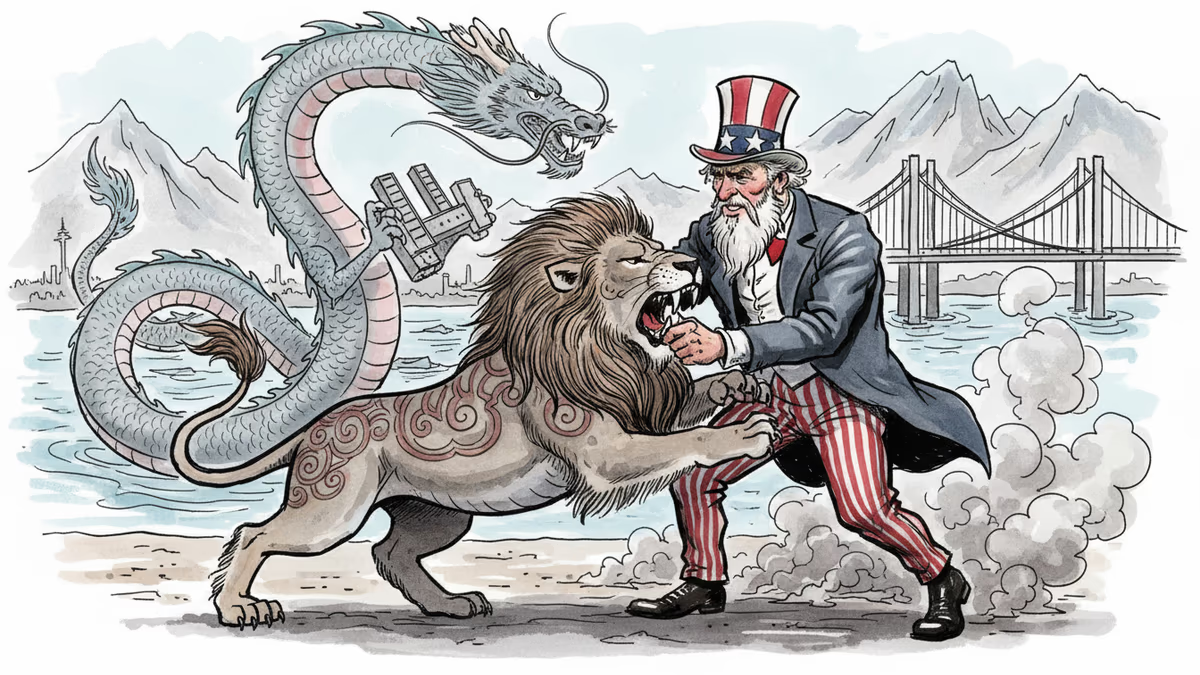
As US-Iran tensions escalate, military hawks see an opportunity to restore deterrence. But the broader strategic consequences may benefit Beijing more than Washington.
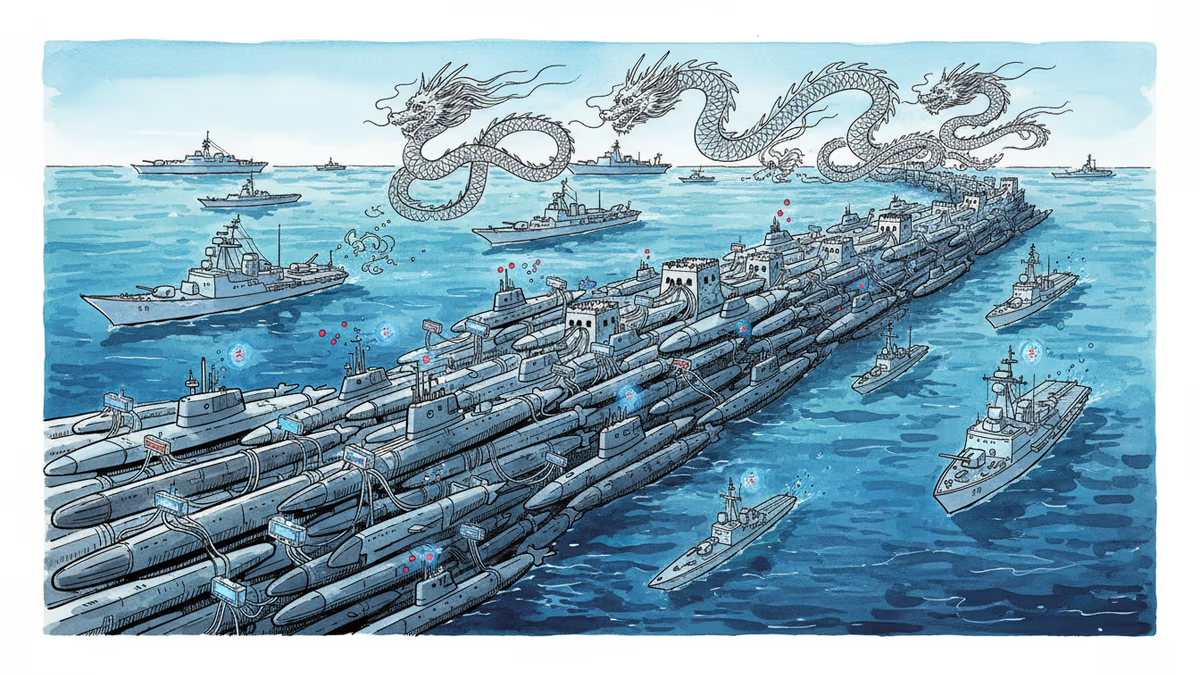
China is building a sophisticated undersea warfare system to contest US submarine supremacy, secure its nuclear deterrent, and reshape Pacific strategic balance through layered defenses and AI integration.
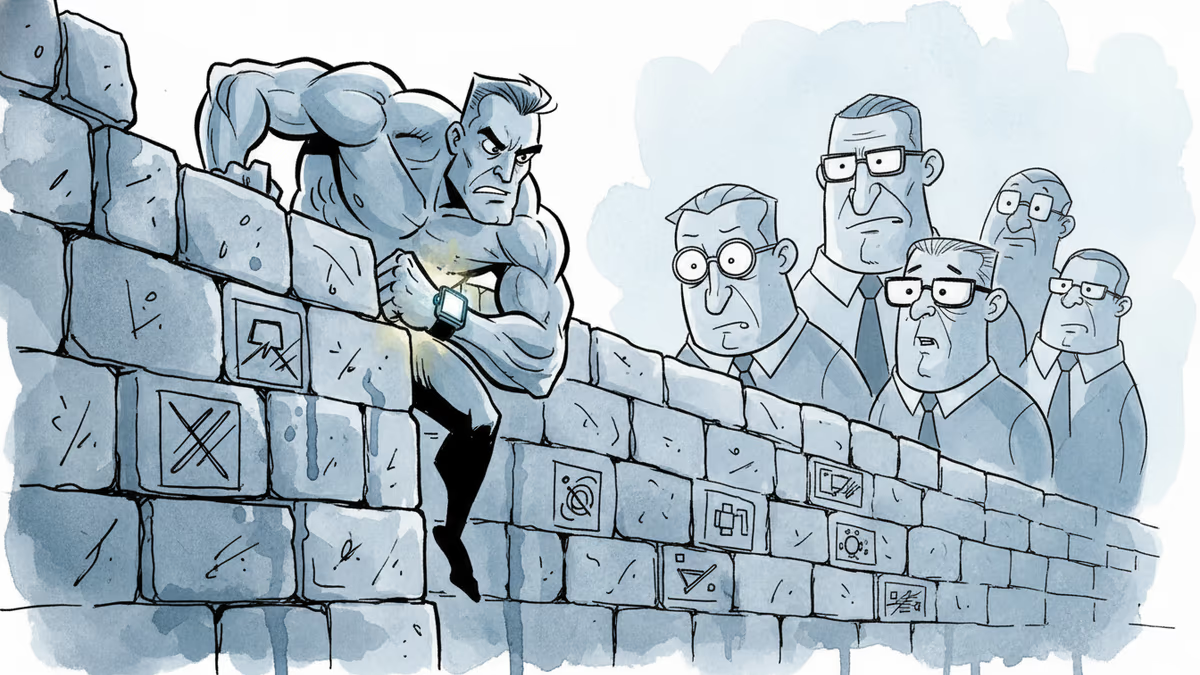
Despite US blacklisting, Huawei pushes into European wearables market with smartwatches and earbuds, challenging Apple and Samsung in a **$50 billion** global market
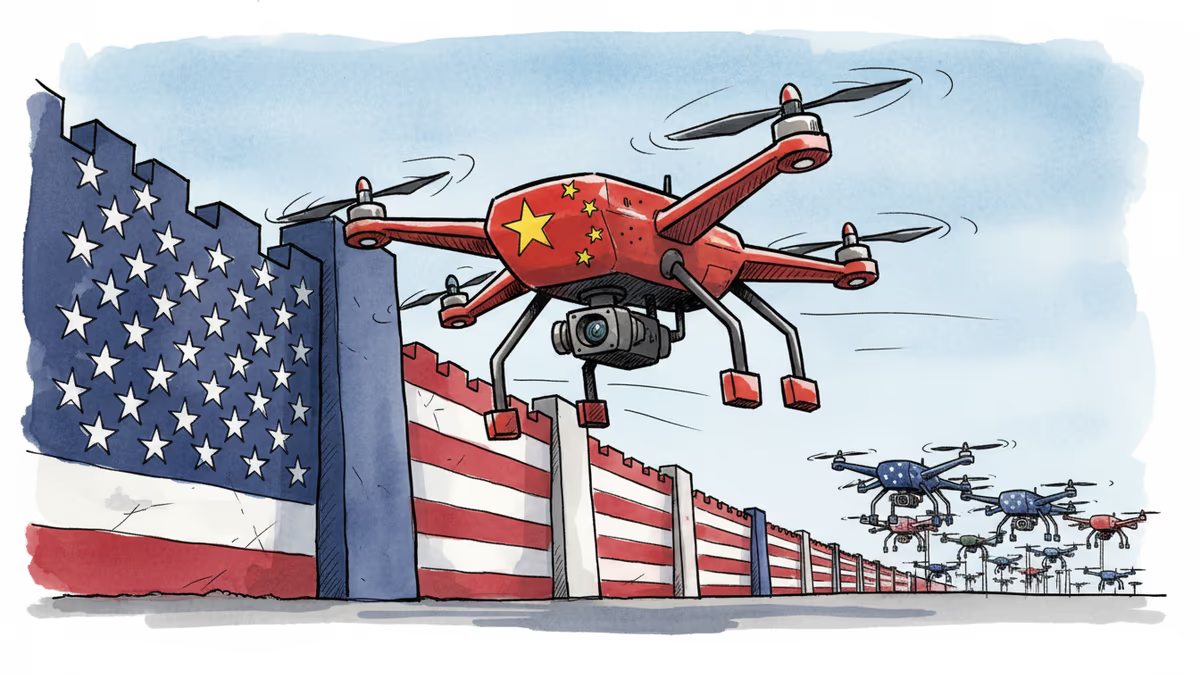
China's drone giant DJI challenges the US import ban in federal court, setting up a high-stakes battle that could reshape the global drone industry and tech trade wars.
PRISM by Liabooks
Place your ad in this space
[email protected]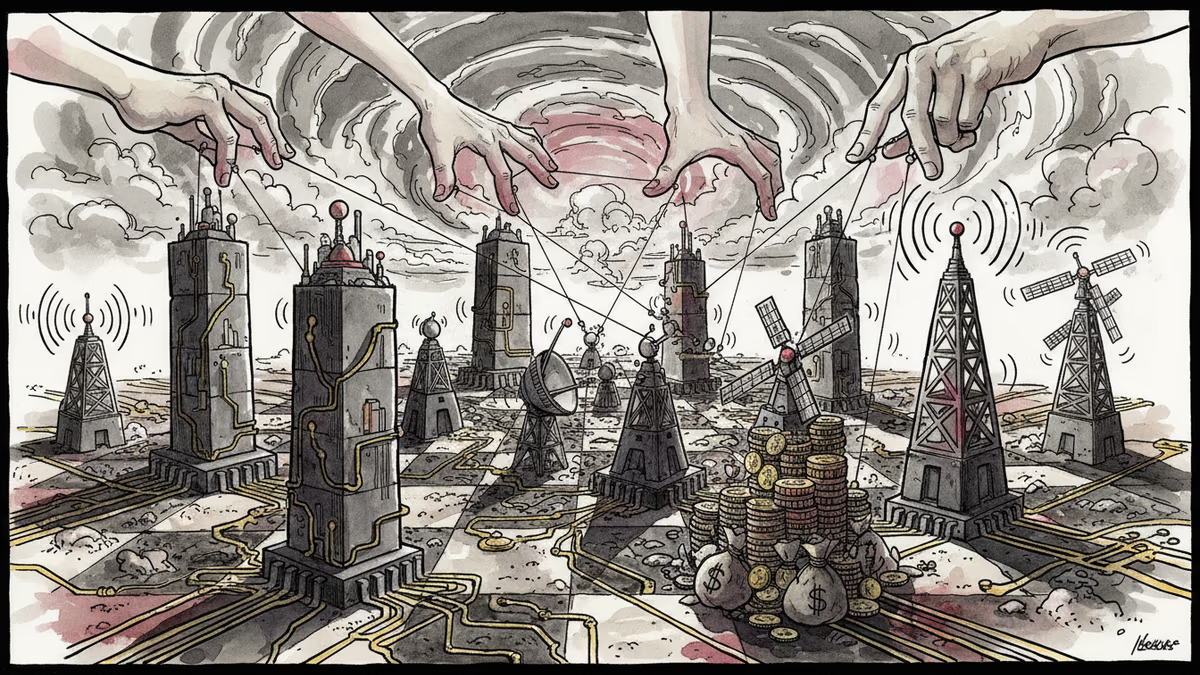
Georgetown professor Abraham Newman explains how Trump's second term is leveraging economic networks as geopolitical weapons, transforming the nature of international power
