
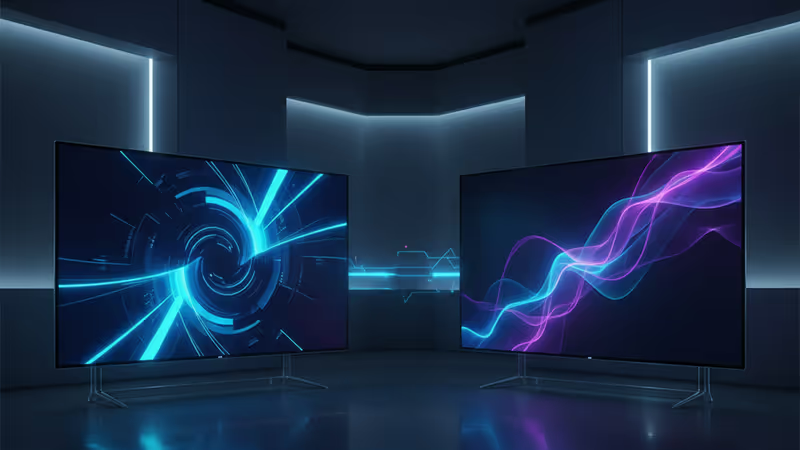
TCL Hisense TV market performance: Shaking the foundation of the TV hierarchy
TCL and Hisense are closing the performance gap with Sony, Samsung, and LG. Discover how the TCL X11L is redefining the TV market hierarchy in 2026.
The era of the 'Big Three' is facing a serious reality check. For decades, Sony, Samsung, and LG sat comfortably atop the TV world, but they're no longer alone. According to The Verge, challengers like TCL and Hisense have made impressive strides, narrowing the performance gap that once separated 'budget' brands from 'premium' ones.
TCL Hisense TV market performance: The end of the budget label
There was a time when Pioneer and Panasonic ruled the plasma era, leaving the mid-range battle to the likes of Vizio, TCL, and Hisense. But while Vizio pivoted toward an ad-centric model under Walmart, its competitors doubled down on hardware. Over the last 2-3 years, these brands didn't just offer 'more bang for the buck'—they started offering sheer performance.

New models like the TCL X11L are living proof of this shift. These TVs are now achieving brightness levels and color accuracy that were once exclusive to panels costing twice as much. This aggressive technological push is forcing traditional leaders to reconsider their pricing strategies in a market where loyalty is increasingly tied to specs rather than logos.
Why performance parity matters now
The distinction between a 'mid-range' and 'high-end' TV is blurring. As manufacturing techniques for Mini-LED and OLED-alternative technologies mature, the 'halo effect' of legacy brands is fading. For consumers, this means the choice is no longer between quality and price, but about which brand offers the best integration of the two.
Authors
Related Articles
At Apple's 50th anniversary, top executives insisted the iPhone will anchor the AI era—and beyond. But is that confidence visionary or a warning sign?
Nine months after a record-breaking launch, Nintendo is cutting Switch 2 production from 6 million to 4 million units per quarter. What went wrong, and what does it signal for the console market?
Memory prices have surged up to 6x due to AI demand, causing shortages and price hikes across smartphones, gaming consoles, and laptops. How AI's appetite affects everyday consumers.
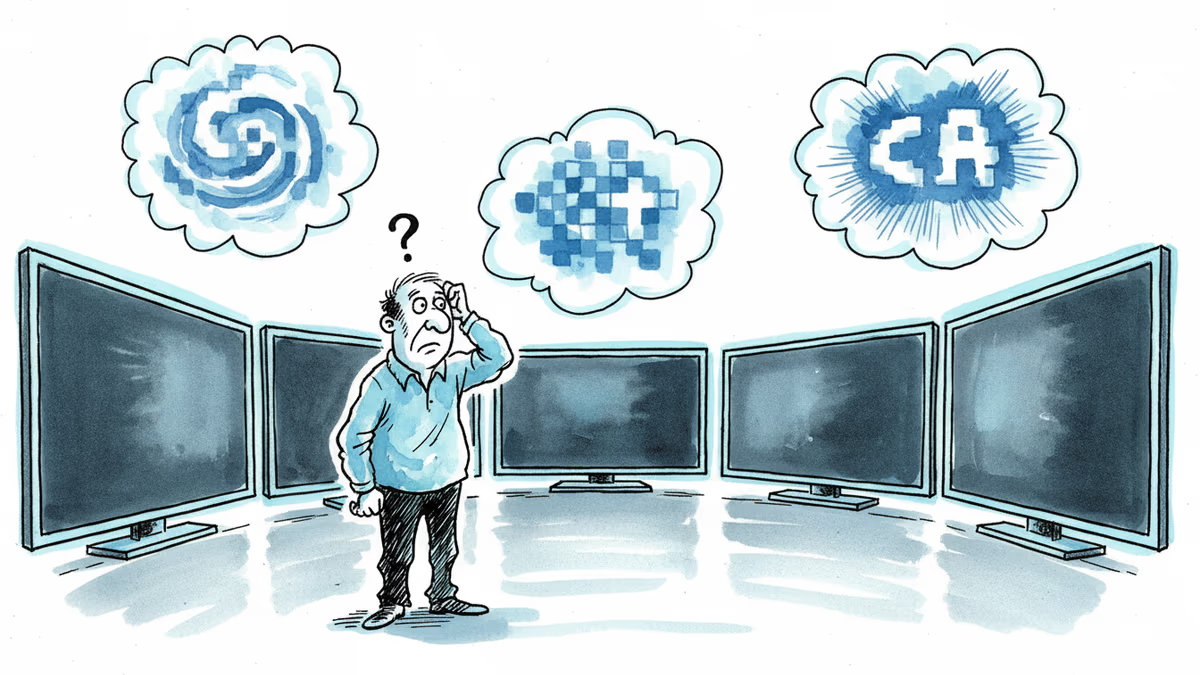
From OLED to QLED to mini-LED, TV technology advances faster than ever while prices plummet. What does this mean for consumers navigating the crowded market?
At Apple's 50th anniversary, top executives insisted the iPhone will anchor the AI era—and beyond. But is that confidence visionary or a warning sign?
Nine months after a record-breaking launch, Nintendo is cutting Switch 2 production from 6 million to 4 million units per quarter. What went wrong, and what does it signal for the console market?
Memory prices have surged up to 6x due to AI demand, causing shortages and price hikes across smartphones, gaming consoles, and laptops. How AI's appetite affects everyday consumers.
From OLED to QLED to mini-LED, TV technology advances faster than ever while prices plummet. What does this mean for consumers navigating the crowded market?
Thoughts
Share your thoughts on this article
Sign in to join the conversation