
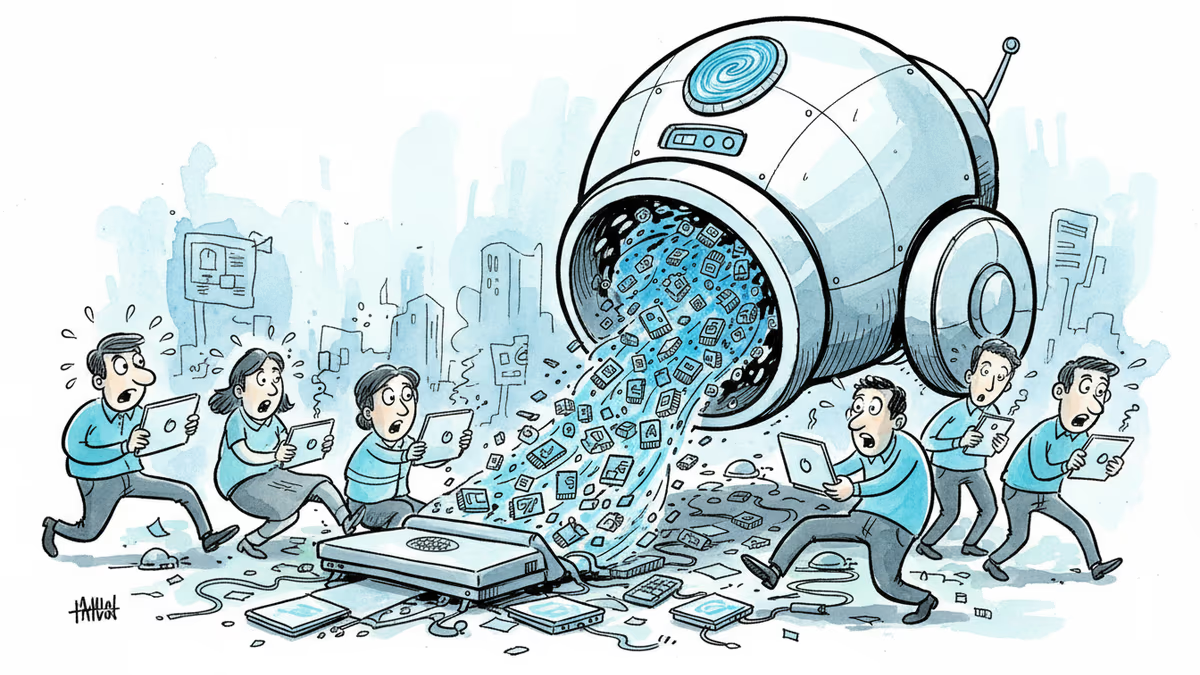
RAM Shortage Hits Your Wallet, Not Just Data Centers
Memory prices have surged up to 6x due to AI demand, causing shortages and price hikes across smartphones, gaming consoles, and laptops. How AI's appetite affects everyday consumers.
Memory Prices Have Sextupled. Yes, Really.
RAM prices aren't just rising—they're exploding. Depending on the chip type, memory costs have tripled, quadrupled, even sextupled. The culprit? AI companies are hoovering up every memory chip they can find.
Thought you were safe because you don't build PCs? Think again. This memory crunch is coming for every device in your life.
Your Next Phone Upgrade Just Got Expensive
Planning to upgrade your smartphone in the next couple years? Looking at a new gaming console or laptop? Even need a router replacement? Every single one of these devices faces shortages, price hikes, or both through 2025 and beyond.
This isn't just about paying more—it's about availability. High-end devices requiring premium memory could become genuinely hard to find. That flagship phone or gaming laptop you've been eyeing? It might not exist at the price point you expected.
Big Tech Wins, Everyone Else Pays

The irony is stark. While Samsung, SK Hynix, and Micron are seeing their profits soar from sky-high memory prices, consumers face the opposite reality. Every device manufacturer—from Apple to Sony to Nintendo—must pass these costs along.
Consider the gaming industry. The next PlayStation or Nintendo console was already expected to be pricier due to inflation. Add memory shortages, and you're looking at potentially $600-700 entry points instead of the traditional $400-500 range.
AI's Hidden Tax on Innovation
This memory crunch reveals something uncomfortable about the AI boom. Companies like OpenAI, Google, and Microsoft need massive amounts of high-bandwidth memory (HBM) to train and run their AI models. They're essentially competing with consumer electronics for the same finite supply.
The result? A hidden "AI tax" on every device you buy. Your smartphone's price includes the premium that ChatGPT and Gemini have driven into the memory market.
The Broader Economic Ripple
This goes beyond individual purchases. Small businesses relying on affordable hardware for operations face budget crunches. Educational institutions planning technology refreshes must recalculate costs. Even cloud services—already expensive—may see further price increases as providers face higher infrastructure costs.
The memory shortage also threatens the very democratization of technology that made smartphones and laptops accessible to billions. Higher prices could push advanced devices back toward being luxury items.
Authors
Related Articles
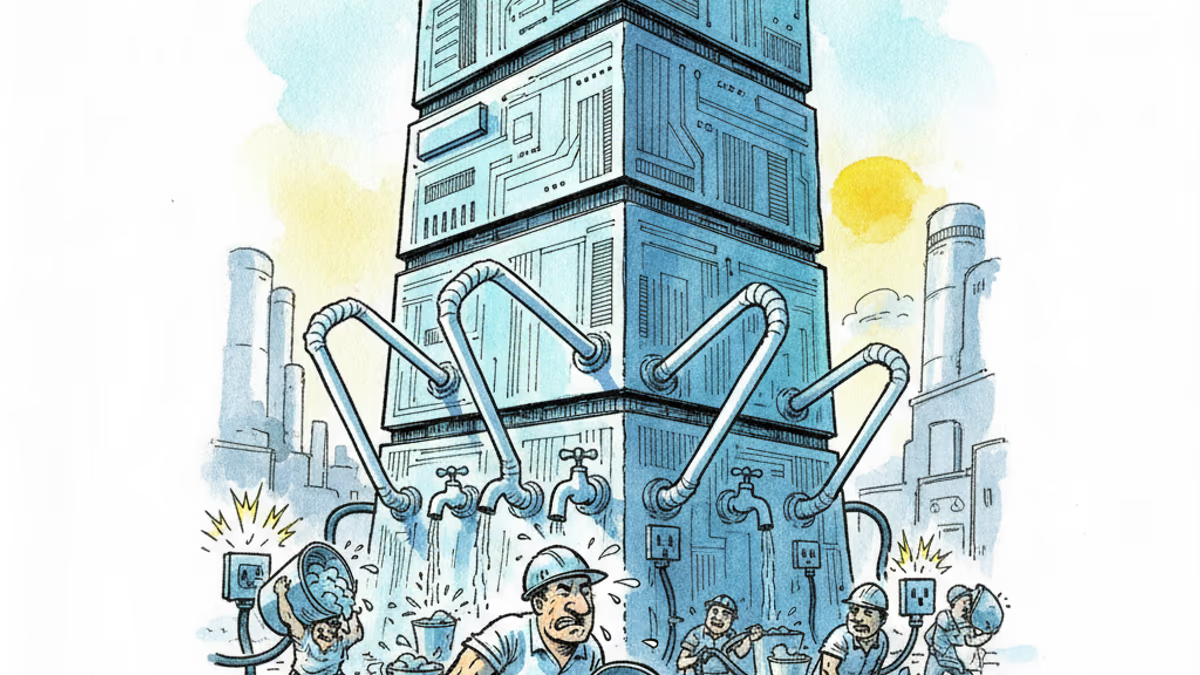
Samsung and SK unveiled a chip and AI investment package worth thousands of trillions of won on June 29. The headline number swings wildly by outlet, but the real contest isn't capital — it's water and power.
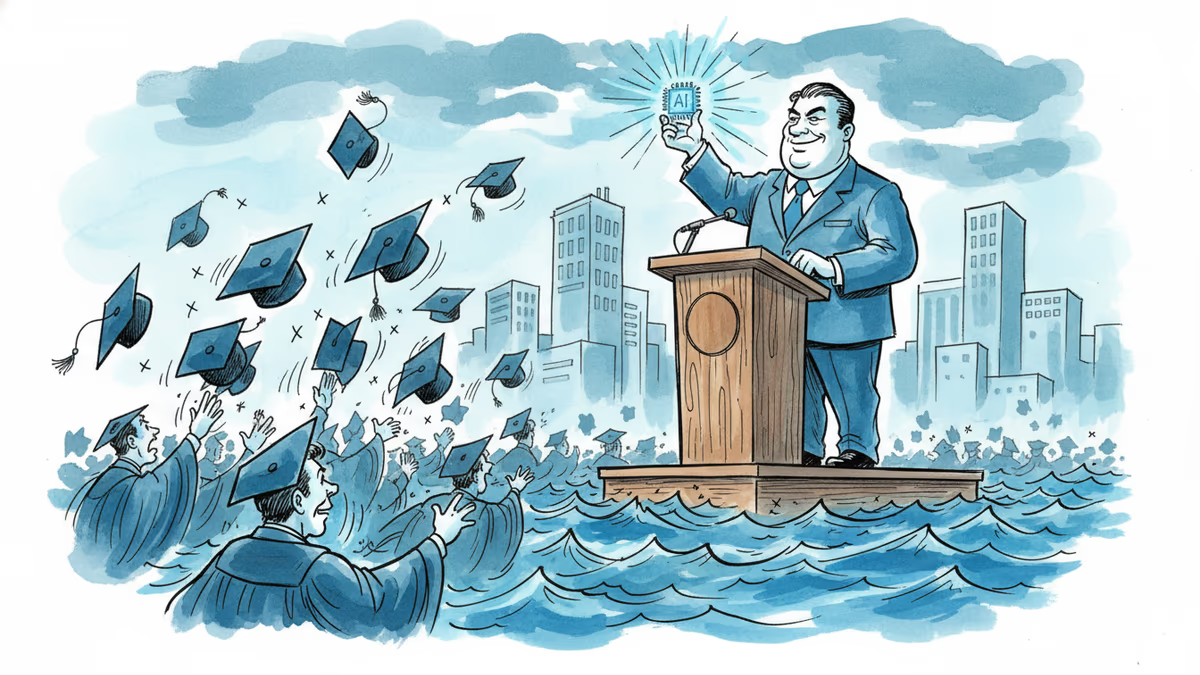
Viral videos show 2026 graduates jeering executives who praise AI at commencement ceremonies. It's not just rudeness — it's a signal about who pays for technological optimism.
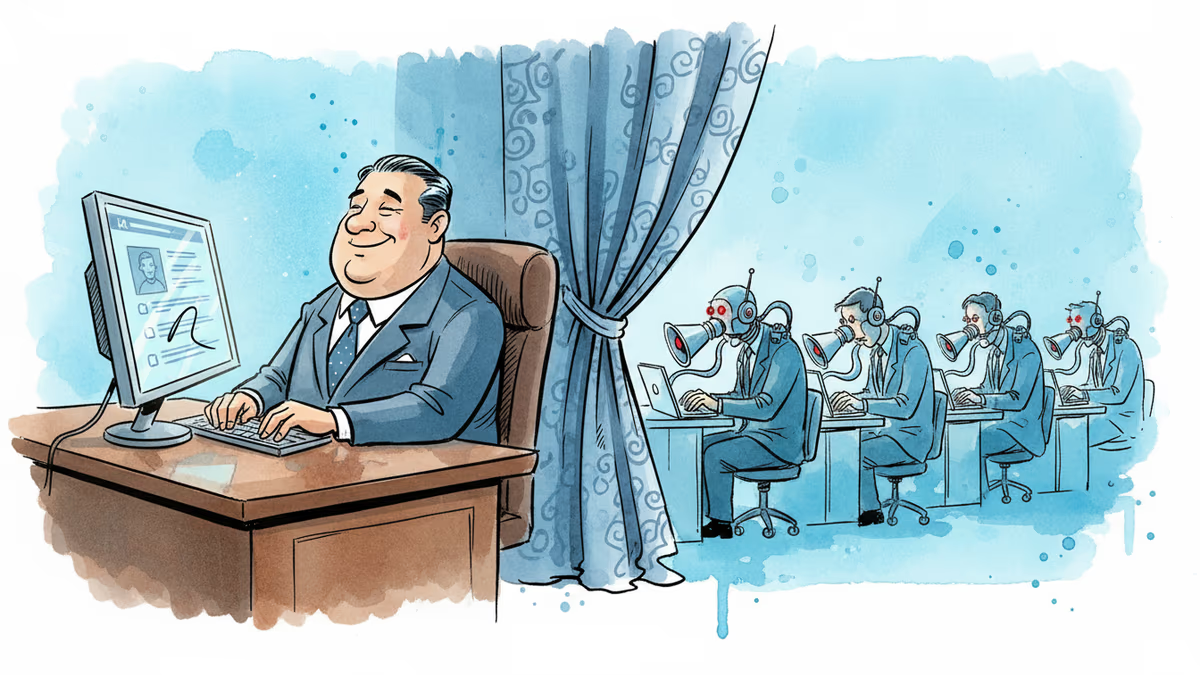
Filipino virtual assistants using AI to ghost-manage LinkedIn profiles for executives is now a structured industry. 30 comments a day, fake engagement rings, and a platform struggling to tell real from fabricated.
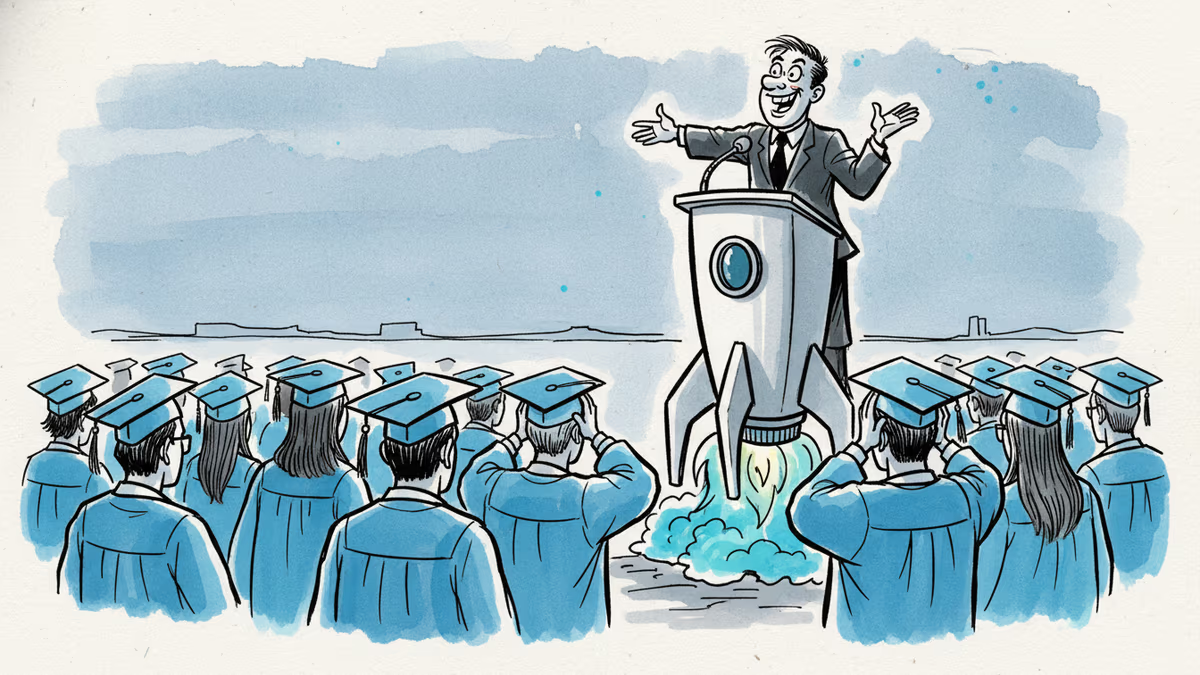
Two commencement speakers learned the hard way that AI enthusiasm doesn't land well with today's graduates. The backlash reveals a widening gap between tech optimism and Gen Z's economic reality.
Samsung and SK unveiled a chip and AI investment package worth thousands of trillions of won on June 29. The headline number swings wildly by outlet, but the real contest isn't capital — it's water and power.
Viral videos show 2026 graduates jeering executives who praise AI at commencement ceremonies. It's not just rudeness — it's a signal about who pays for technological optimism.
Filipino virtual assistants using AI to ghost-manage LinkedIn profiles for executives is now a structured industry. 30 comments a day, fake engagement rings, and a platform struggling to tell real from fabricated.
Two commencement speakers learned the hard way that AI enthusiasm doesn't land well with today's graduates. The backlash reveals a widening gap between tech optimism and Gen Z's economic reality.
Thoughts
Share your thoughts on this article
Sign in to join the conversation