
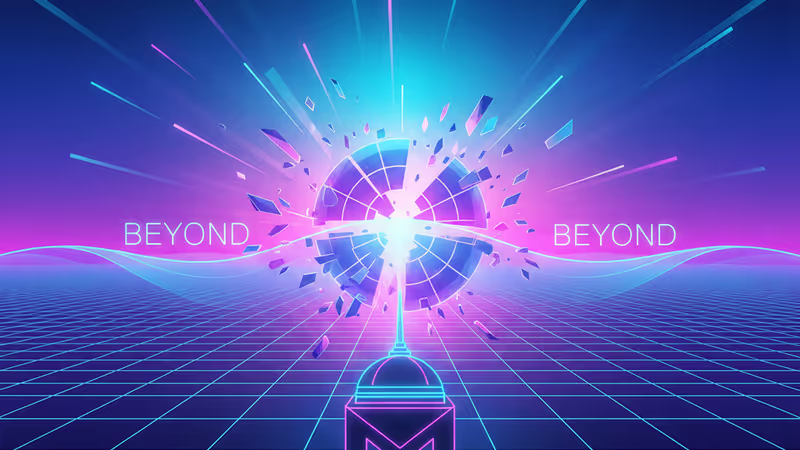
Beyond the Breakthroughs: MIT Tech Review Preps Its List of 2025's 'Worst Technologies'
2025 saw major leaps in AI and biotech. But what about the failures? MIT Technology Review is set to reveal its annual list of the year's worst technologies, offering a critical look at what went wrong.
As 2025 draws to a close, it's clear the year was anything but quiet. Artificial intelligence became further embedded in our daily lives, weight-loss drugs expanded their reach, and the biotech world delivered some genuinely shocking developments in gene therapy, IVF, and neurotech.
According to its weekly biotech newsletter, 'The Checkup', the team at MIT Technology Review is already preparing its highly anticipated list of breakthrough technologies for 2026, slated for publication in the new year. But before they look forward, they're also looking back—with a critical eye.

Journalist Antonio Regalado is compiling his traditional, and arguably more provocative, list: the year's worst technologies. While the industry often celebrates its victories, this annual feature forces a necessary conversation about the missteps, the overhyped, and the ethically questionable innovations that marked the year. It serves as a crucial reality check on the true pace and direction of progress.
Authors
Related Articles
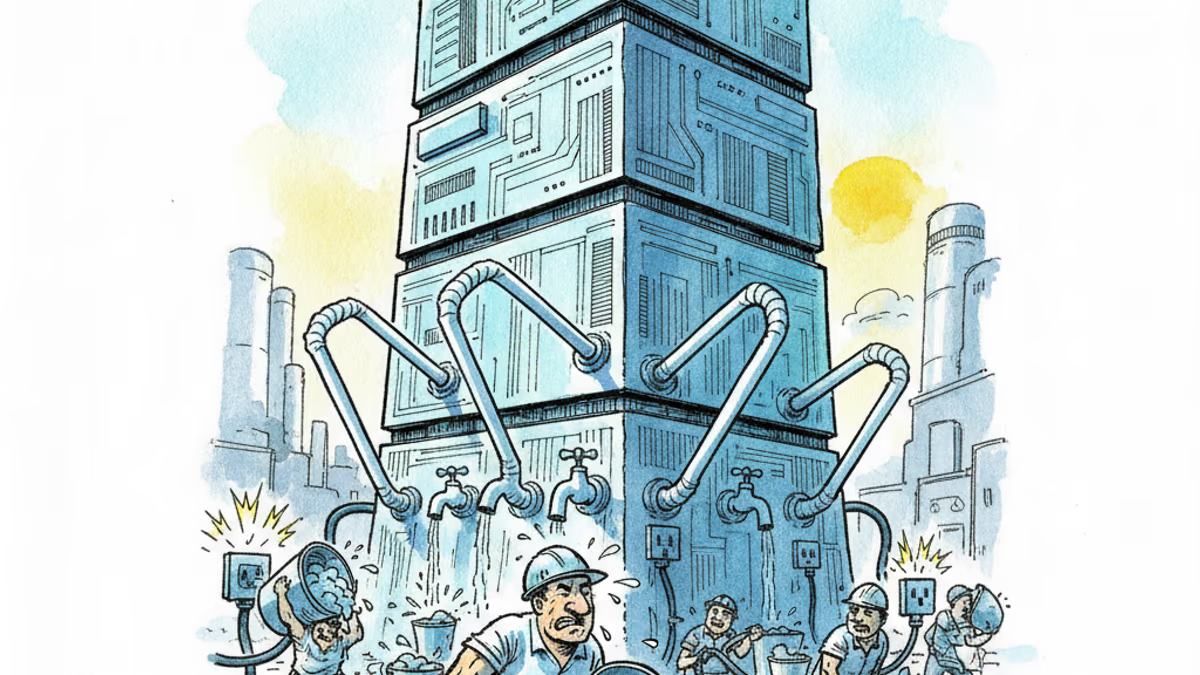
Samsung and SK unveiled a chip and AI investment package worth thousands of trillions of won on June 29. The headline number swings wildly by outlet, but the real contest isn't capital — it's water and power.
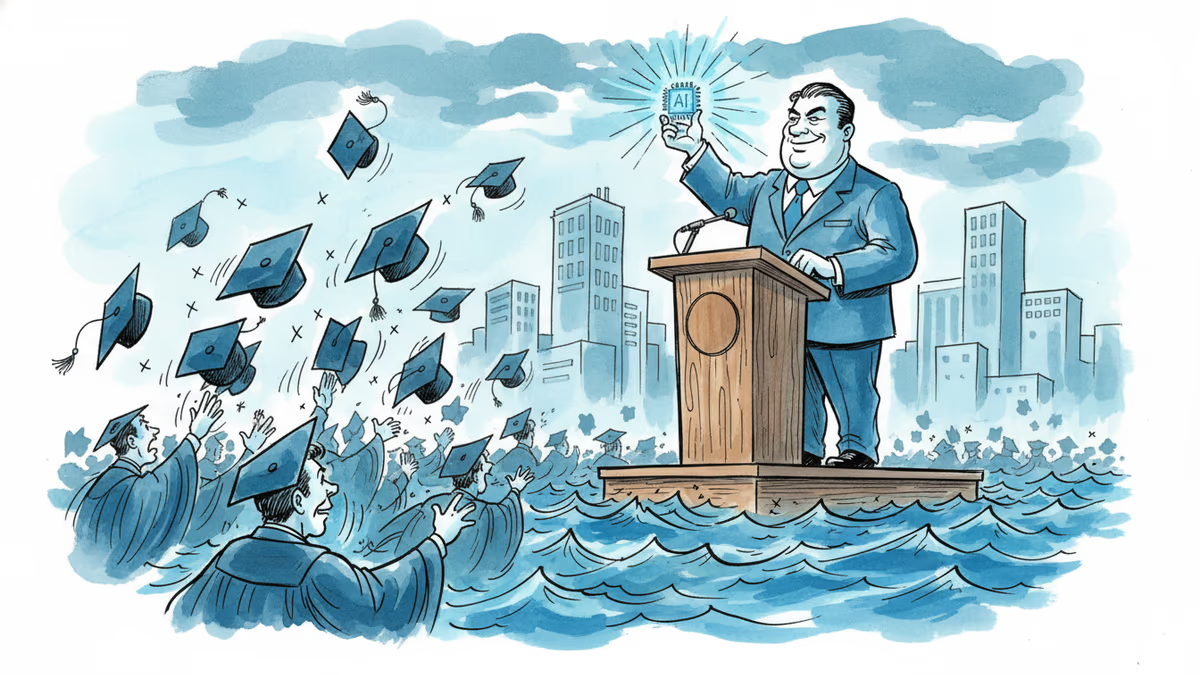
Viral videos show 2026 graduates jeering executives who praise AI at commencement ceremonies. It's not just rudeness — it's a signal about who pays for technological optimism.
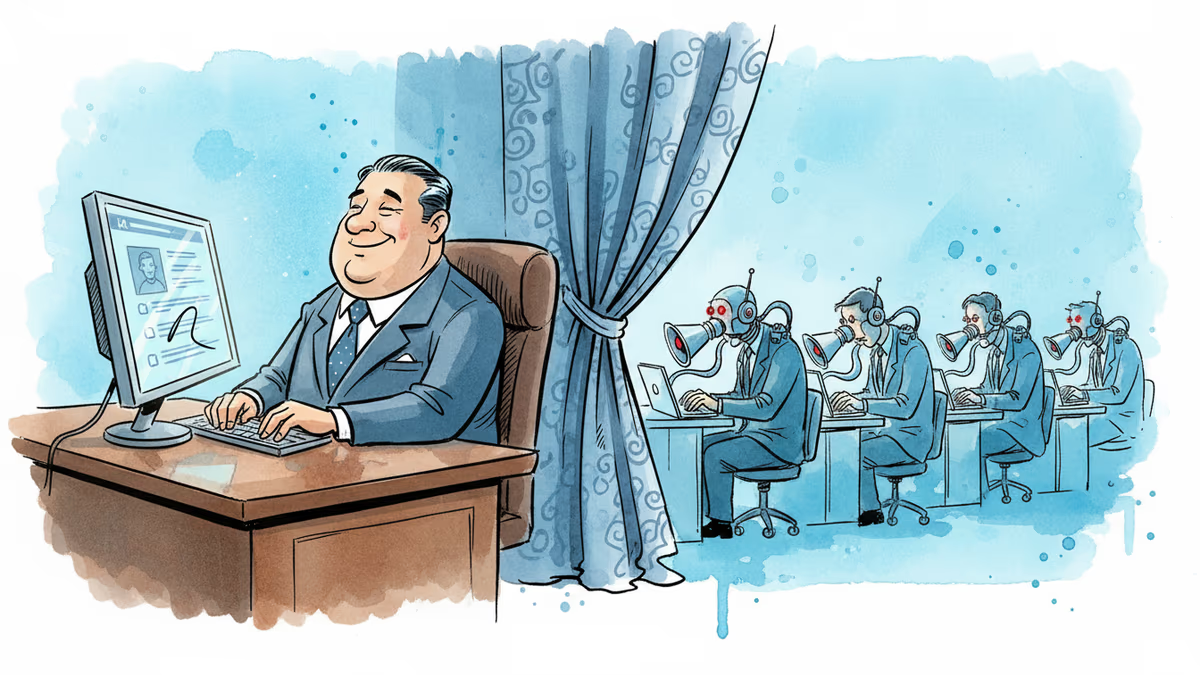
Filipino virtual assistants using AI to ghost-manage LinkedIn profiles for executives is now a structured industry. 30 comments a day, fake engagement rings, and a platform struggling to tell real from fabricated.
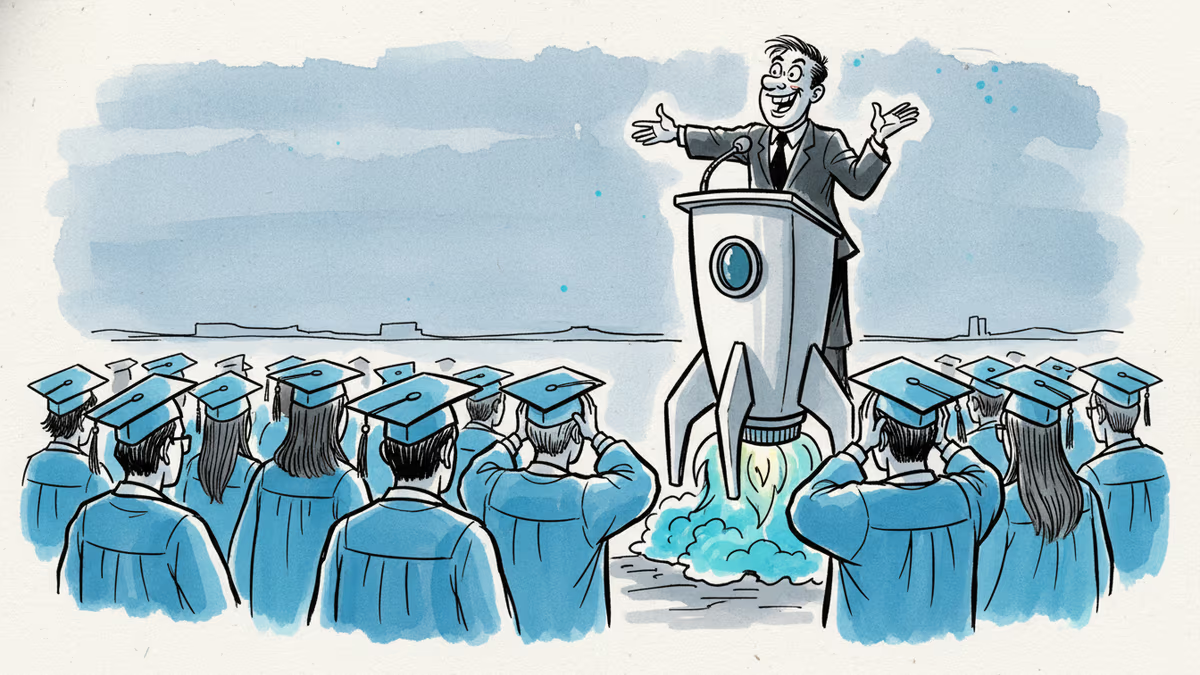
Two commencement speakers learned the hard way that AI enthusiasm doesn't land well with today's graduates. The backlash reveals a widening gap between tech optimism and Gen Z's economic reality.
Samsung and SK unveiled a chip and AI investment package worth thousands of trillions of won on June 29. The headline number swings wildly by outlet, but the real contest isn't capital — it's water and power.
Viral videos show 2026 graduates jeering executives who praise AI at commencement ceremonies. It's not just rudeness — it's a signal about who pays for technological optimism.
Filipino virtual assistants using AI to ghost-manage LinkedIn profiles for executives is now a structured industry. 30 comments a day, fake engagement rings, and a platform struggling to tell real from fabricated.
Two commencement speakers learned the hard way that AI enthusiasm doesn't land well with today's graduates. The backlash reveals a widening gap between tech optimism and Gen Z's economic reality.
Thoughts
Share your thoughts on this article
Sign in to join the conversation