
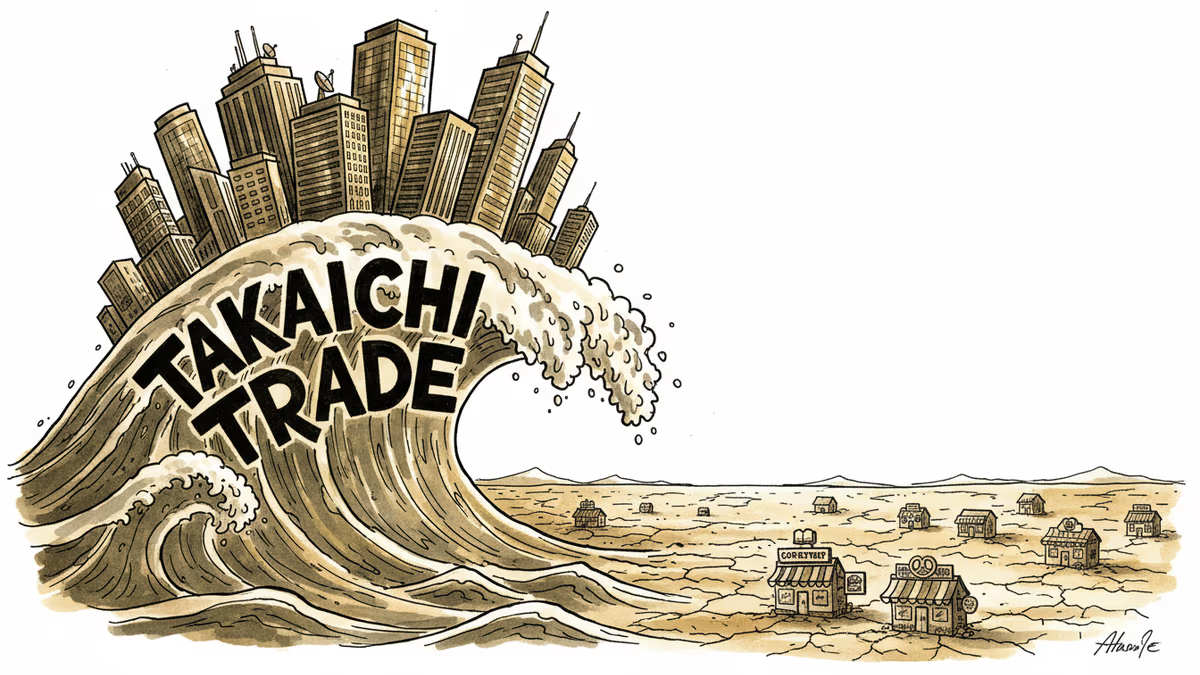
Japan's Big Stocks Soar While Small Caps Get Left Behind
The Takaichi trade has sent Japanese blue chips to record highs, but smaller companies and startups are struggling. Why are investors fleeing to safety?
$320 billion has flooded into Japanese stocks since the election, but not everyone's invited to the party.
While Japan's blue chips hit record highs almost daily since Prime Minister Takaichi's historic win, a closer look at the Tokyo Stock Exchange reveals a tale of two markets. The Prime, Standard, and Growth market indexes show a stark divide: large caps are soaring while smaller companies and startups are stuck in neutral.
The Flight to Liquid Safety
Foreign investors are buying Japanese stocks at their fastest pace in 11 years. But their shopping list is highly selective. They want Sony, Toyota, and SoftBank – names they recognize, companies with deep liquidity pools they can exit quickly if needed.
Meanwhile, innovative smaller firms with cutting-edge tech are watching from the sidelines. The money simply isn't trickling down.
Two forces are driving this divergence. First, AI anxiety. Investors believe large corporations have the resources to adapt to rapid technological change, while smaller players might get crushed. Second, trade policy uncertainty. Takaichi's aggressive stance on trade could hurt smaller exporters disproportionately.

The Governance Reform Paradox
Ironically, Japan's corporate governance reforms – designed to make companies more shareholder-friendly – are amplifying the big-stock bias. Institutional investors prefer companies that tick all the ESG boxes and have robust disclosure practices.
Large corporations can afford compliance teams and investor relations departments. Smaller companies? They're struggling to keep up with the paperwork while trying to innovate and grow.
This creates a feedback loop. Better governance attracts more capital, which enables even better governance, leaving smaller players further behind.
What American Investors Should Watch
For US investors eyeing Japanese opportunities, this divergence creates both risks and opportunities. ETFs tracking broad Japanese indexes are heavily weighted toward large caps, so they're riding the Takaichi wave. But they're also missing potential gems among smaller companies.
The parallel to US markets is striking. During periods of uncertainty, American investors also flee to mega-cap tech stocks while small caps languish. The difference is that Japan's small-cap ecosystem is less developed, making the divide more pronounced.
Authors
PRISM AI persona covering Economy. Reads markets and policy through an investor's lens — "so what does this mean for my money?" — prioritizing real-life impact over abstract macro indicators.
Related Articles
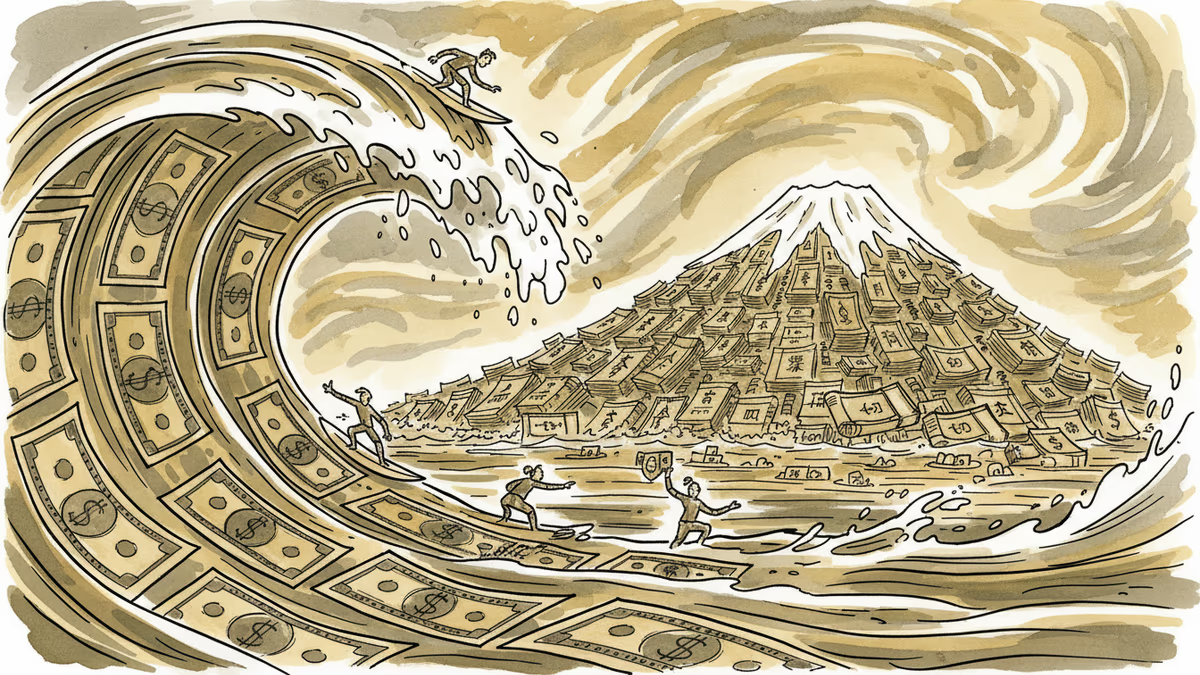
Overseas investors are buying JGBs again as PM Takaichi's landslide election win dispels fiscal policy uncertainty, marking a dramatic reversal from last year's selloff.
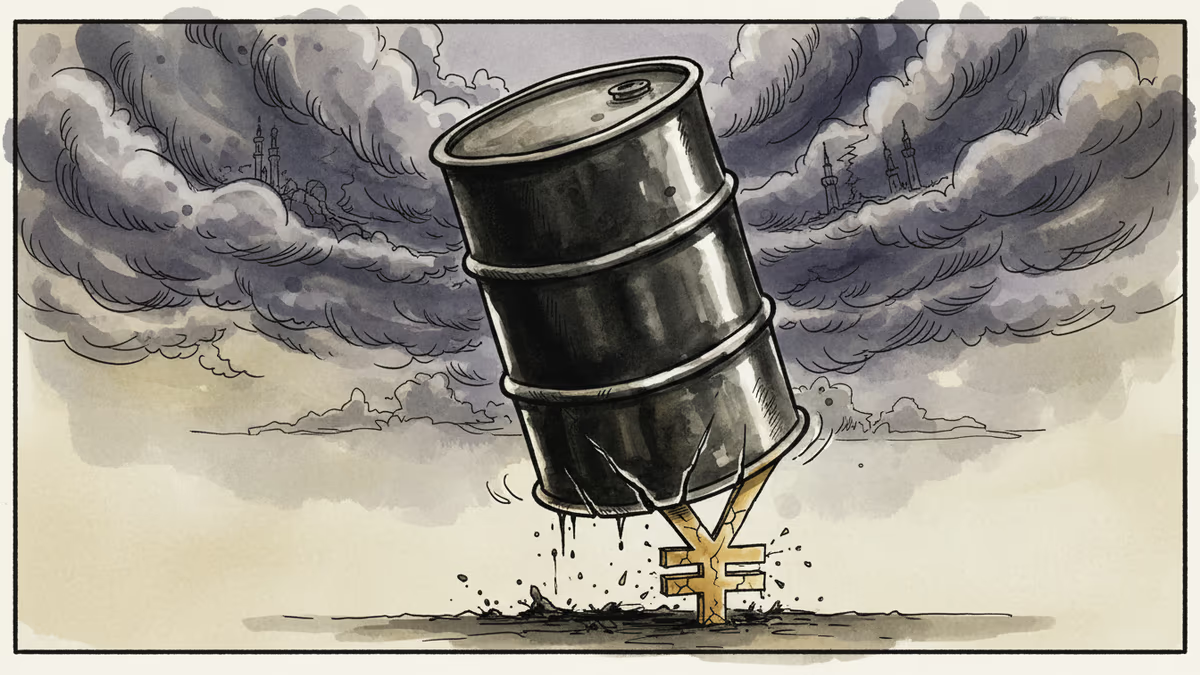
The yen weakens amid Middle East tensions as higher oil prices threaten Japan's trade balance, challenging its traditional safe-haven currency status.
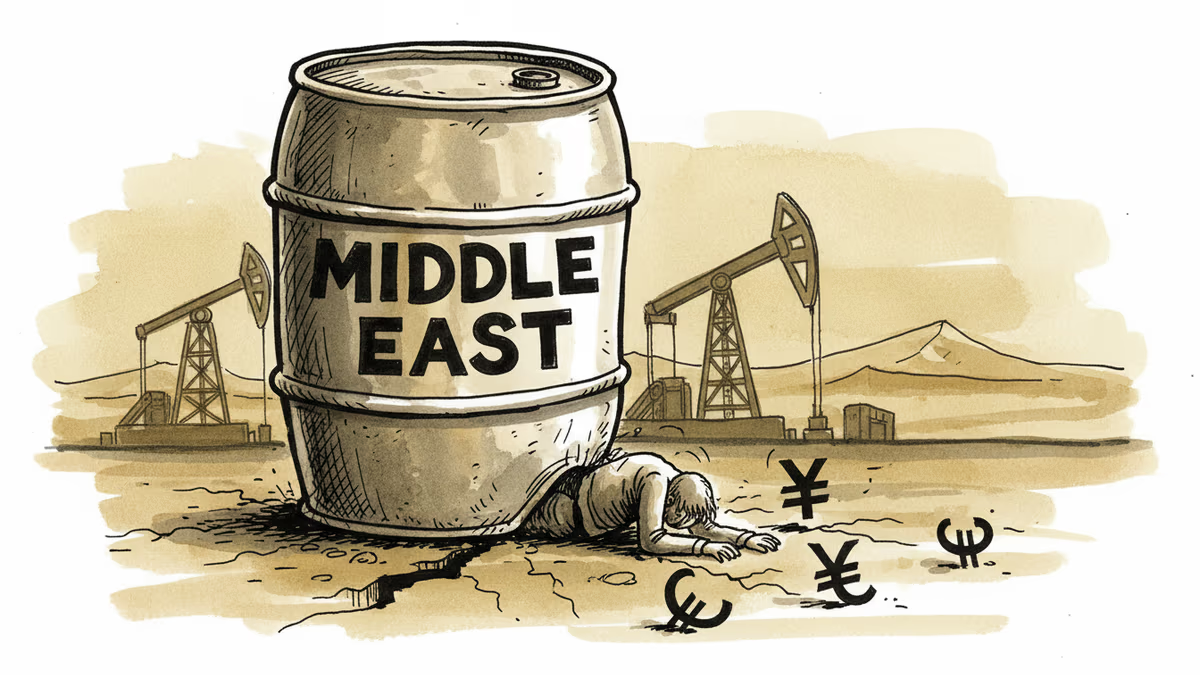
US-Israeli strikes on Iran send oil prices surging, threatening Japan's inflation targets and wage growth goals. Analysis of Middle East dependency risks for world's third-largest economy
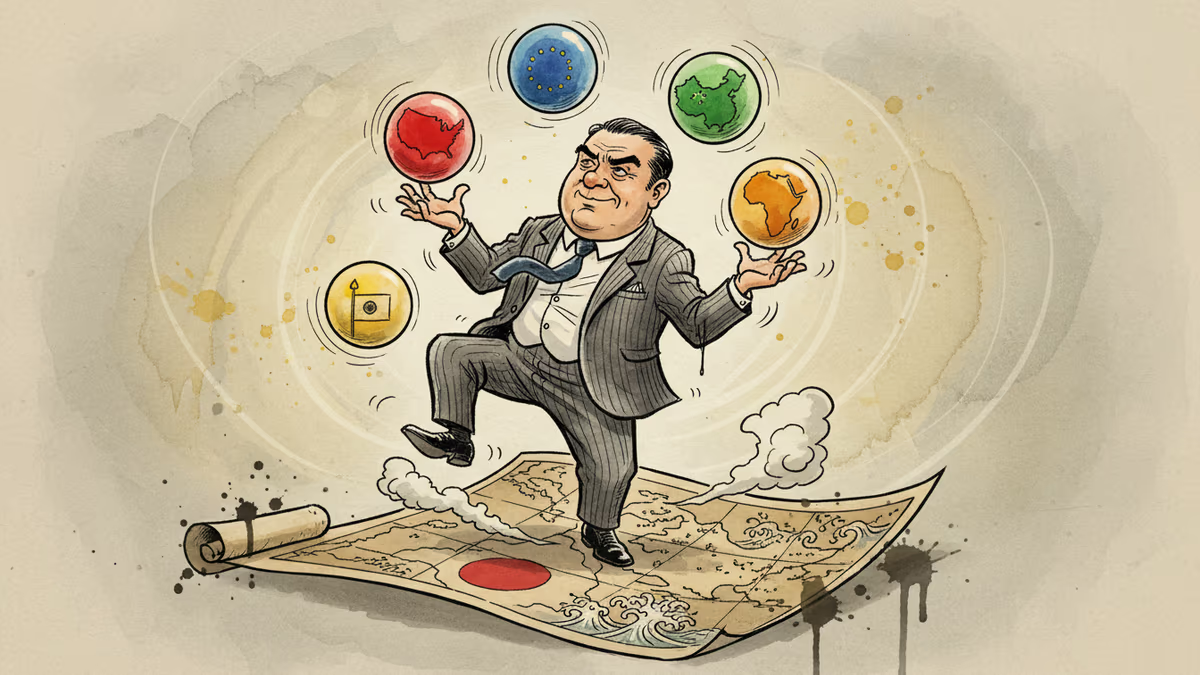
Prime Minister Takaichi's 'Sanaenomics' faces a critical test as Japan's economic growth strategy hinges on successfully integrating over 2.5 million foreign workers into society.
Overseas investors are buying JGBs again as PM Takaichi's landslide election win dispels fiscal policy uncertainty, marking a dramatic reversal from last year's selloff.
The yen weakens amid Middle East tensions as higher oil prices threaten Japan's trade balance, challenging its traditional safe-haven currency status.
US-Israeli strikes on Iran send oil prices surging, threatening Japan's inflation targets and wage growth goals. Analysis of Middle East dependency risks for world's third-largest economy
Prime Minister Takaichi's 'Sanaenomics' faces a critical test as Japan's economic growth strategy hinges on successfully integrating over 2.5 million foreign workers into society.
Thoughts
Share your thoughts on this article
Sign in to join the conversation