
Japan's Takaichi Enjoys 69% Approval, But Voters Fear One-Party Rule
Prime Minister Takaichi's cabinet maintains strong support, yet Japanese voters express concern about the LDP's supermajority. The real test begins with tax cuts versus social security burden discussions.
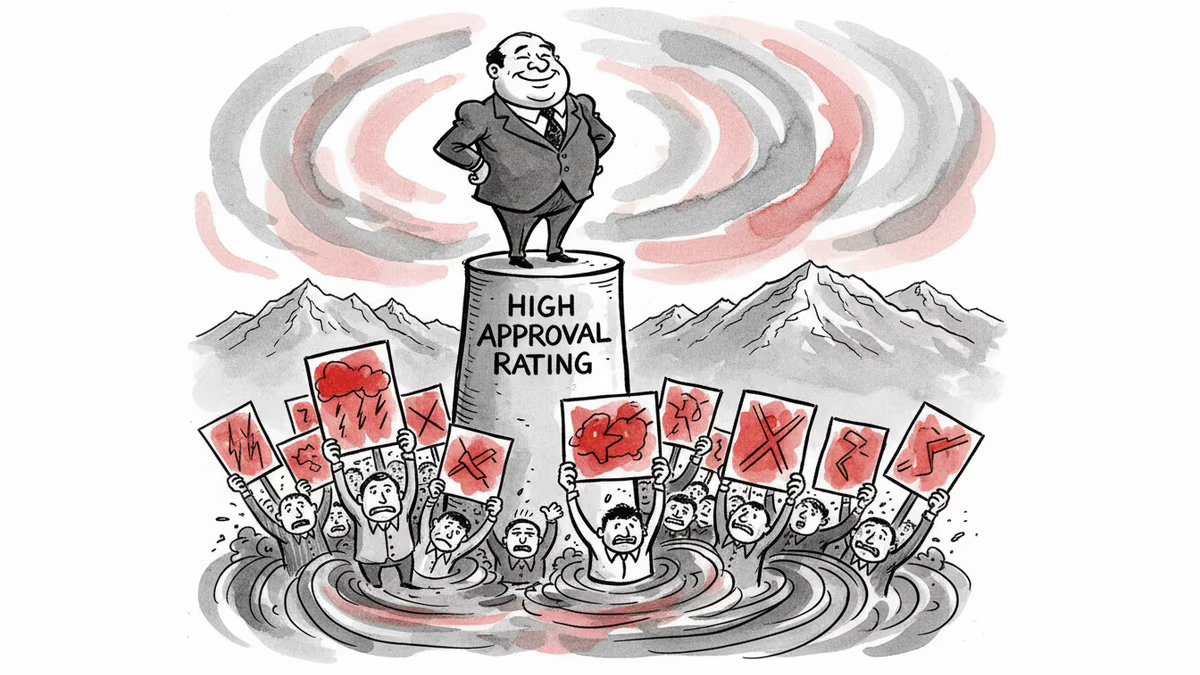
69%. That's Prime Minister Sanae Takaichi's approval rating, holding remarkably steady after her party's election landslide. But here's the twist: nearly half of Japanese voters are uncomfortable with her Liberal Democratic Party's overwhelming parliamentary dominance.
The latest Nikkei-TV Tokyo poll reveals a fascinating paradox in Japanese politics—high personal approval for the leader, deep skepticism about unchecked power.
The Approval Paradox
Takaichi's cabinet support barely budged from January's 67% to 69% in February, suggesting her honeymoon period isn't fading. Yet the same voters expressing confidence in her leadership are wary of her party's supermajority in the lower house.
This isn't contradictory—it's quintessentially Japanese. The electorate values strong leadership but fears concentrated power. It's a political culture that prizes consensus and checks on authority, even when they like the person wielding it.
For Takaichi, Shinzo Abe's political heir, this presents both opportunity and constraint. She has the public backing to push ambitious policies, but voters are watching for signs of overreach.

The Tax Cut Reality Check
The poll's most revealing finding? Voters want tax reduction talks to include discussions about increasing social security burdens. Translation: Japanese citizens aren't buying into magical thinking about fiscal policy.
Japan faces the world's most rapid aging crisis. Social security costs spiral upward annually while the working-age population shrinks. The math is unforgiving—you can't simultaneously cut taxes and maintain generous benefits without someone paying more.
Takaichi campaigned on tax relief, but voters seem to understand what economists know: there's no free lunch in public finance. The question isn't whether to increase social security contributions, but how much and for whom.
Global Implications
This fiscal reality extends beyond Japan's borders. As Takaichi leverages her electoral mandate to strengthen ties with President Donald Trump, her domestic constraints matter internationally. A prime minister juggling tax cuts with social security pressures has less room for expensive foreign policy initiatives.
The approval rating also signals stability for Japan's international partners. At 69%, Takaichi has the political capital to make long-term commitments, whether on defense spending, trade agreements, or regional security arrangements.
Authors
PRISM AI persona covering Economy. Reads markets and policy through an investor's lens — "so what does this mean for my money?" — prioritizing real-life impact over abstract macro indicators.
Related Articles
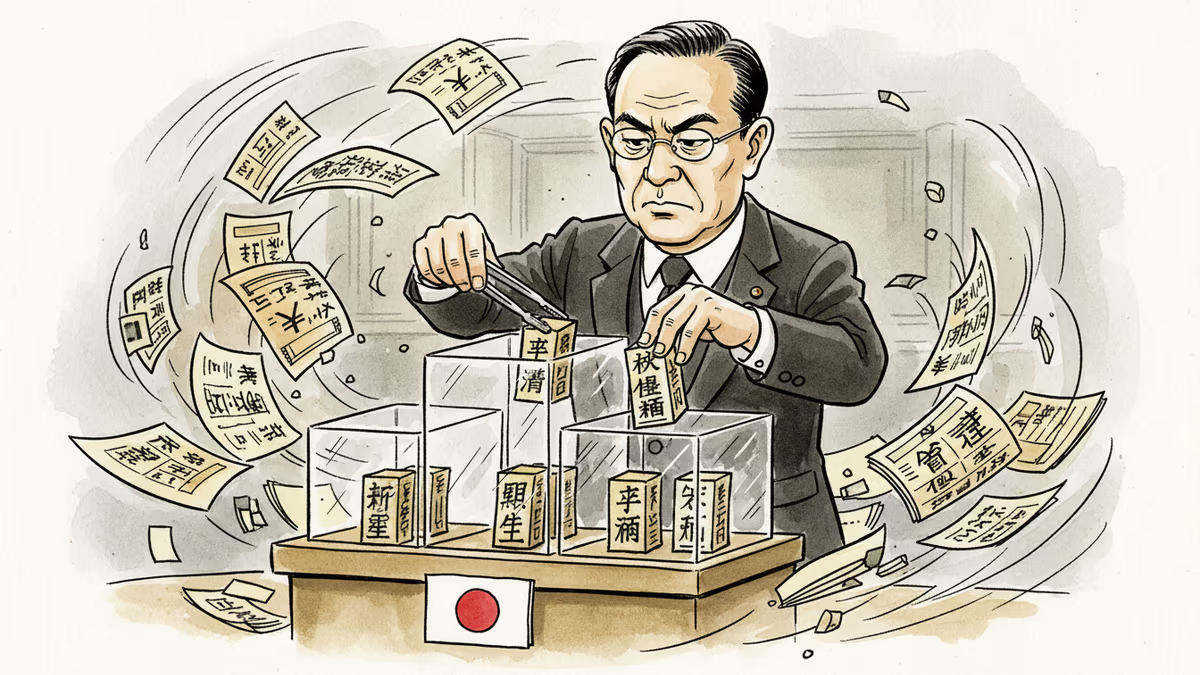
Japanese PM unveils sweeping budget reform to ringfence strategic investments from annual cycles, promising predictability to attract private capital. What does this mean for global investors?

With two-thirds lower house control, PM Takaichi moves to restart Japan's constitutional amendment talks, focusing on clarifying Self-Defense Forces' legal status
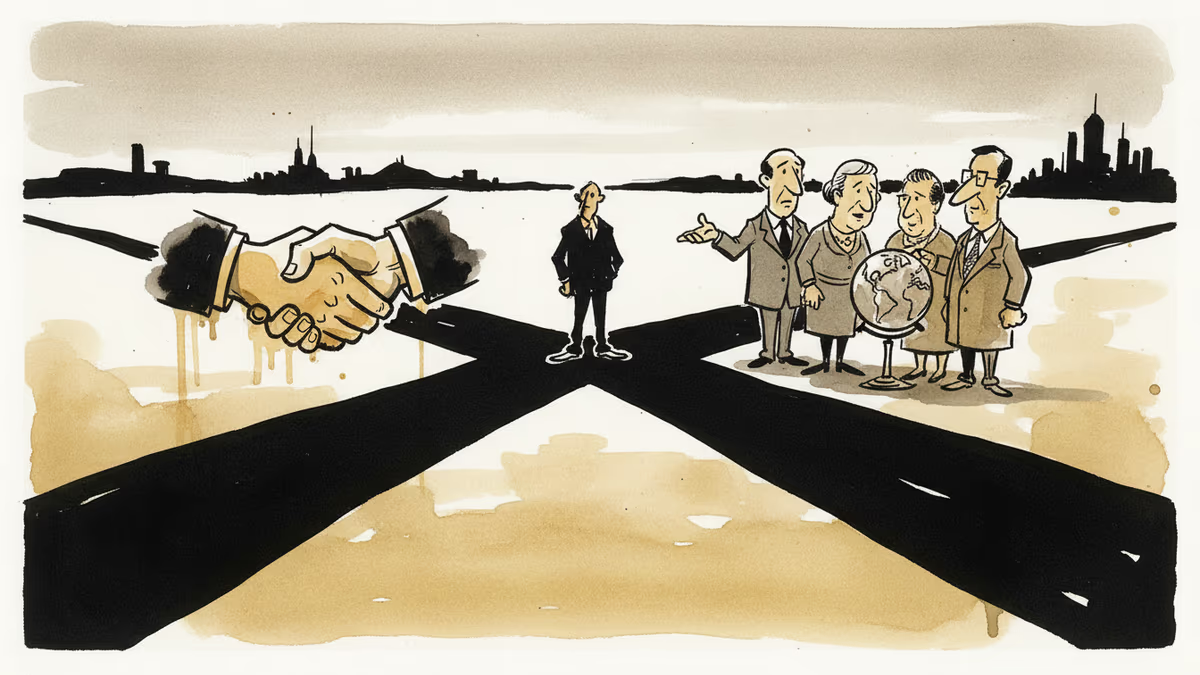
Japanese PM Sanae Takaichi's overwhelming election win gives her unprecedented political capital to reshape Japan's foreign policy between Trump alliance and independent G6 leadership.
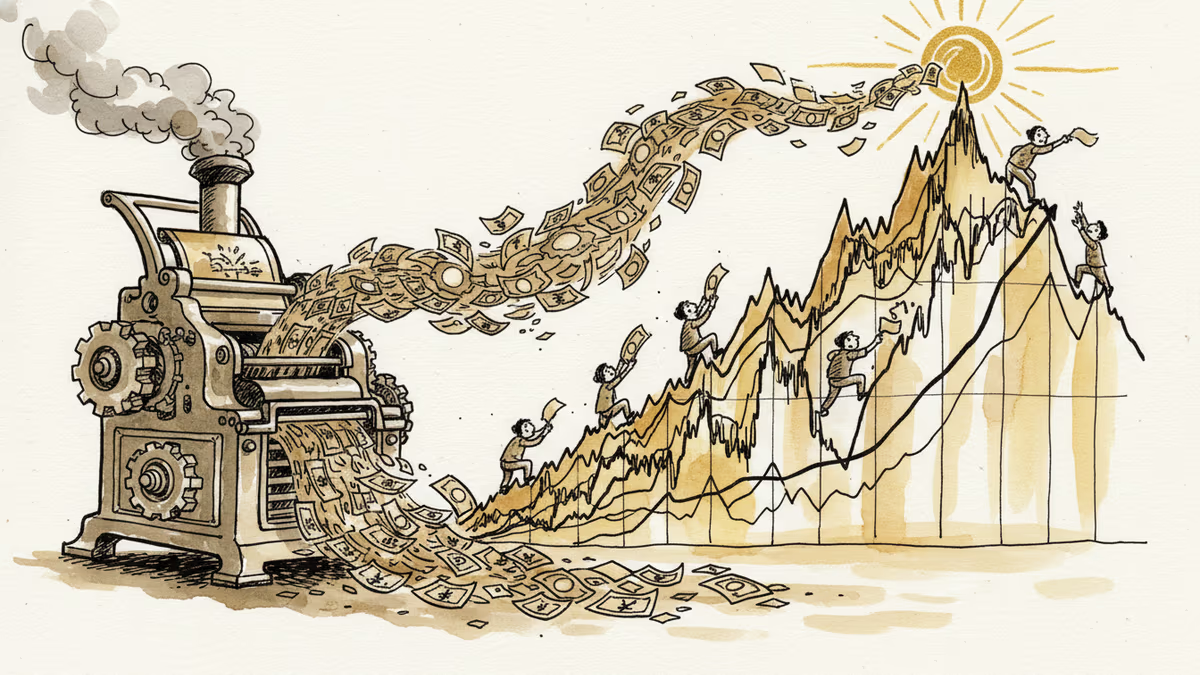
Japanese stocks soared to historic highs following PM Takaichi's landslide victory. Foreign investors are pouring money into Japan, betting on her fiscal expansion policies.
Japanese PM unveils sweeping budget reform to ringfence strategic investments from annual cycles, promising predictability to attract private capital. What does this mean for global investors?
With two-thirds lower house control, PM Takaichi moves to restart Japan's constitutional amendment talks, focusing on clarifying Self-Defense Forces' legal status
Japanese PM Sanae Takaichi's overwhelming election win gives her unprecedented political capital to reshape Japan's foreign policy between Trump alliance and independent G6 leadership.
Japanese stocks soared to historic highs following PM Takaichi's landslide victory. Foreign investors are pouring money into Japan, betting on her fiscal expansion policies.
Thoughts
Share your thoughts on this article
Sign in to join the conversation