
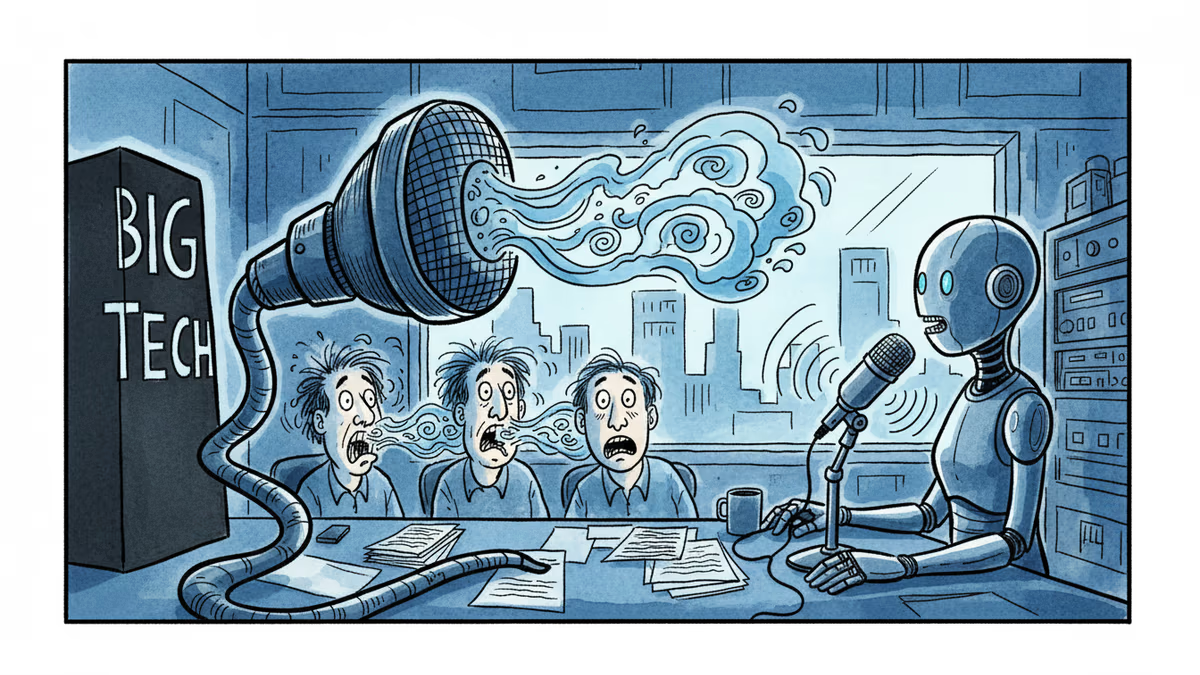
When AI Steals Your Voice: The New Frontier of Digital Identity Theft
NPR's David Greene sues Google over AI voice cloning in NotebookLM. As AI perfectly mimics human voices, who owns the rights to how you sound?
"My voice is, like, the most important part of who I am." Those words from David Greene, longtime NPR "Morning Edition" host, capture something profound about our digital age dilemma. Greene is suing Google, claiming the company's NotebookLM AI tool illegally cloned his distinctive voice.
The case began with a flood of messages. Friends, family, and colleagues started reaching out to Greene, pointing out the uncanny resemblance between his voice and NotebookLM's male podcast narrator. It wasn't just the tone—it was his cadence, intonation, and even signature filler words like "uh."
Google's Defense: Professional Actor, Not AI Theft
Google's response was swift and categorical. A company spokesperson told The Washington Post that "the sound of the male voice in NotebookLM's Audio Overviews is based on a paid professional actor Google hired." No Greene involved, they insist.
But Greene isn't buying it. Now hosting KCRW's "Left, Right, & Center," he's built a 20-year career around his distinctive vocal presence. To him, this isn't just about sound—it's about identity theft in the digital age.
The Scarlett Johansson Precedent
This isn't uncharted territory. OpenAI faced similar heat when actress Scarlett Johansson complained that ChatGPT's voice was mimicking hers. The company quickly removed the voice, but the incident highlighted a growing problem: AI systems that sound remarkably like real people, whether by design or coincidence.

NotebookLM's podcast feature is particularly sophisticated. Users upload documents, and two AI hosts generate natural-sounding conversations about the content. The technology is impressive—and that's precisely the problem.
The Voice Rights Minefield
Here's where it gets complicated. How similar is too similar? Greene makes his living with his voice, so for him, this is about economic survival. But proving intentional voice cloning versus coincidental similarity is legally murky.
The entertainment industry has some protections—California's publicity rights laws, for instance. But what about the millions of people whose voices exist in digital recordings? Podcasters, YouTubers, even people who've left voicemails could theoretically find their vocal patterns replicated by AI.
The Broader Stakes
This case could set crucial precedents. If Greene wins, it might establish that distinctive vocal characteristics deserve protection similar to visual likeness rights. If Google prevails, it could open the floodgates for AI voice generation with minimal legal constraints.
The technology industry is watching closely. Voice AI is exploding across applications—from customer service to content creation. A ruling favoring voice rights could require expensive licensing deals or force companies to prove their AI voices are truly original.
The Greene case isn't just about one radio host's voice. It's about whether we own our digital selves in an age when technology can clone almost anything human.
Authors
Related Articles
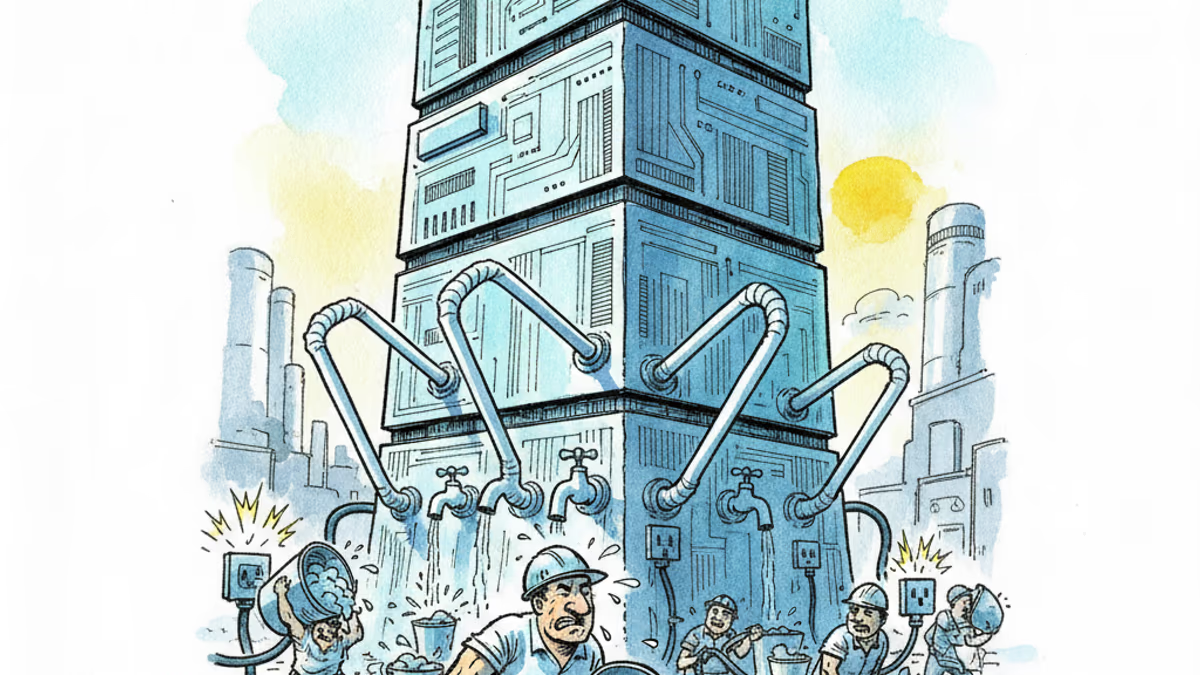
Samsung and SK unveiled a chip and AI investment package worth thousands of trillions of won on June 29. The headline number swings wildly by outlet, but the real contest isn't capital — it's water and power.
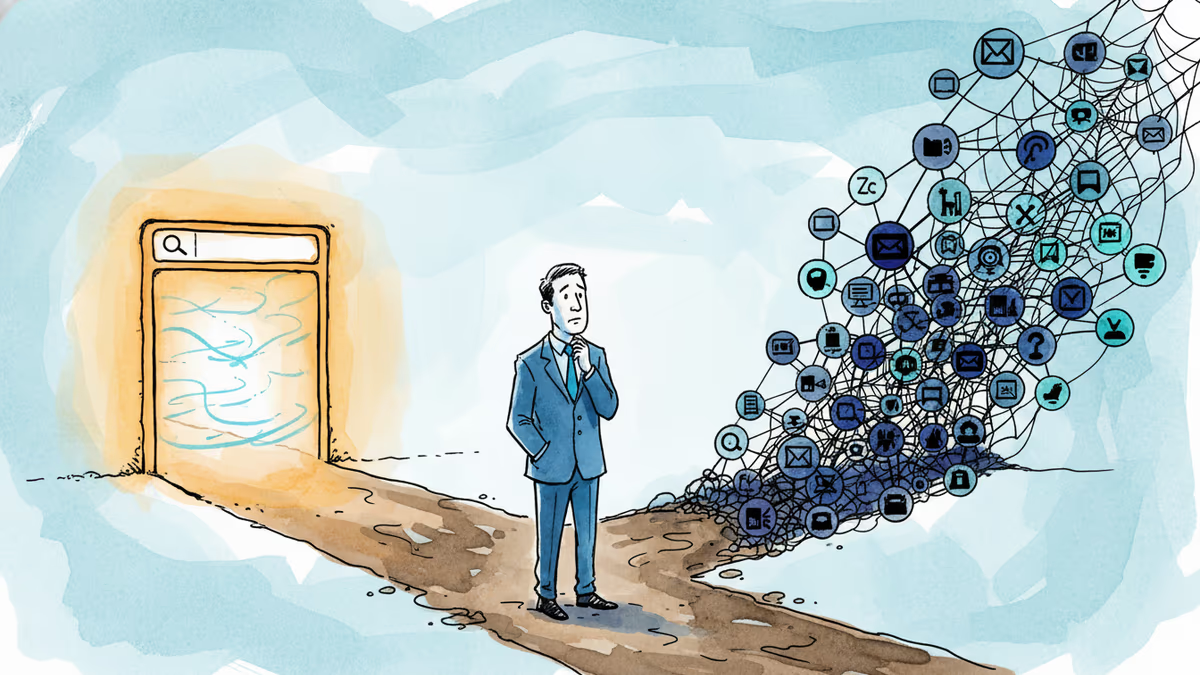
In a post-Google I/O interview, Sundar Pichai acknowledged flawed search results, real AI anxiety, and an AGI timeline that makes the label irrelevant. Here's what he said — and what it means.
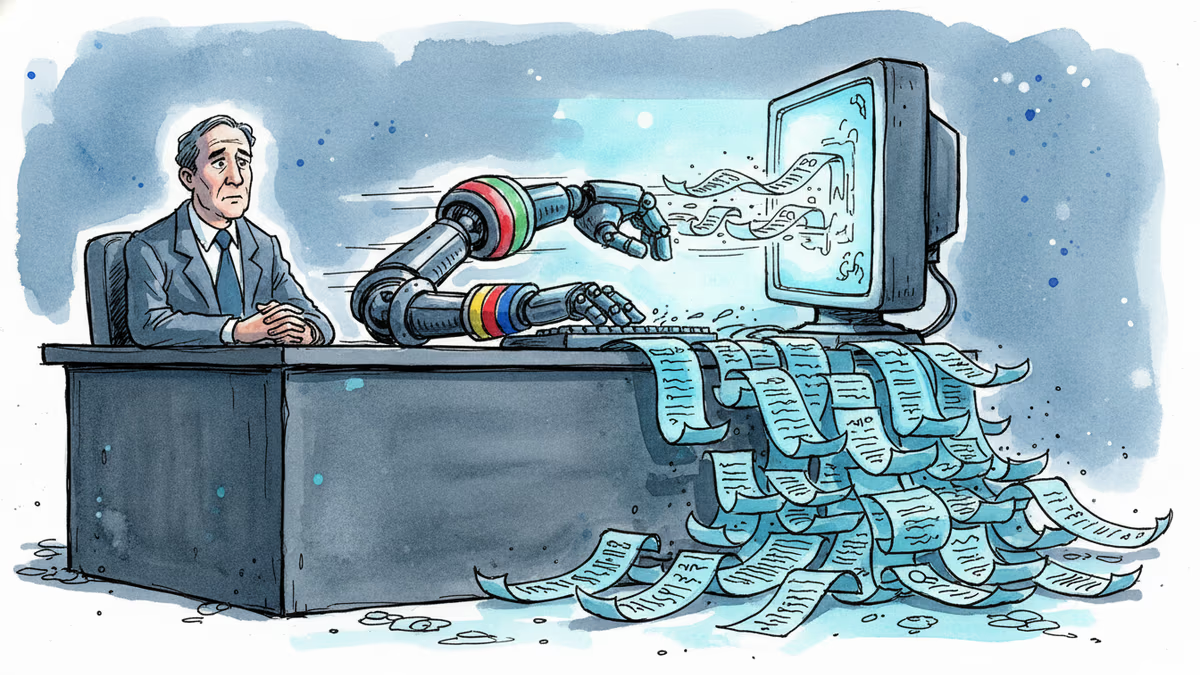
Google is building AI agents that search the web proactively, without user prompting. That's not just a product update — it's a fundamental shift in who controls the information you receive.
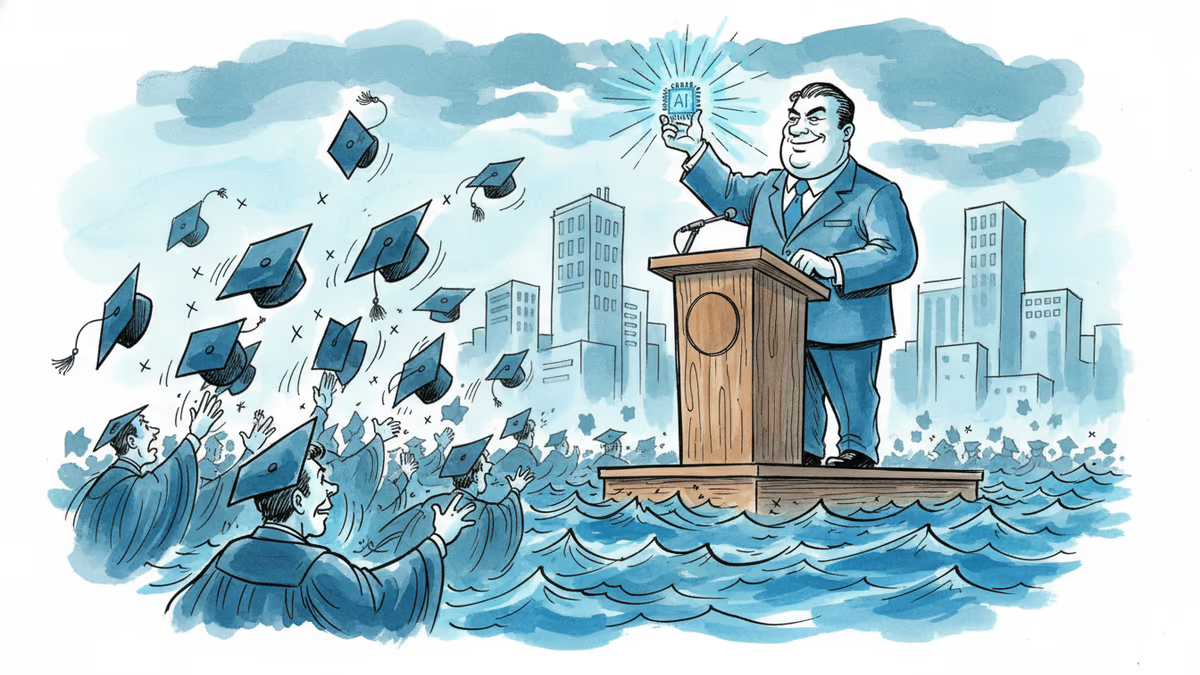
Viral videos show 2026 graduates jeering executives who praise AI at commencement ceremonies. It's not just rudeness — it's a signal about who pays for technological optimism.
Samsung and SK unveiled a chip and AI investment package worth thousands of trillions of won on June 29. The headline number swings wildly by outlet, but the real contest isn't capital — it's water and power.
In a post-Google I/O interview, Sundar Pichai acknowledged flawed search results, real AI anxiety, and an AGI timeline that makes the label irrelevant. Here's what he said — and what it means.
Google is building AI agents that search the web proactively, without user prompting. That's not just a product update — it's a fundamental shift in who controls the information you receive.
Viral videos show 2026 graduates jeering executives who praise AI at commencement ceremonies. It's not just rudeness — it's a signal about who pays for technological optimism.
Thoughts
Share your thoughts on this article
Sign in to join the conversation