

South Korea Unveils 370 KPH High-Speed Train Tech, Entering Global Top Tier
South Korea has developed the core technology for the EMU-370, a next-generation high-speed train with an operating speed of 370 kph, second only to China's CR450. Commercialization is targeted for after 2031.
South Korea is joining the elite ranks of high-speed rail technology, announcing it has completed the development of core technologies for its next-generation EMU-370 train. The new train is designed to operate at 370 kilometers per hour (230 mph), which would make it the world's second-fastest upon commercialization, according to the country's transport ministry.
The train, developed under a national R&D program, has a technically designed maximum speed of 407 kph (253 mph). The project, which ran from April 2022 to December 2025, was led by the Korea Railroad Research Institute with a total investment of $15.23 million (22.5 billion won) from both public and private sectors, the ministry stated.
This development positions South Korea to leapfrog established players in the global race for speed.

| Country/Model | Commercial Operating Speed | Status |
|---|---|---|
| China (CR450) | 400 kph | In test operations, service planned for 2027 |
| South Korea (EMU-370) | 370 kph | Core technology developed |
| France, Germany, Japan | ~320 kph | Currently in service |
The government's roadmap is ambitious but clear. Manufacturing of the first vehicles is slated to begin next year in 2026, with test operations starting in 2030. Full commercial service is expected sometime after 2031.
Authors
Related Articles
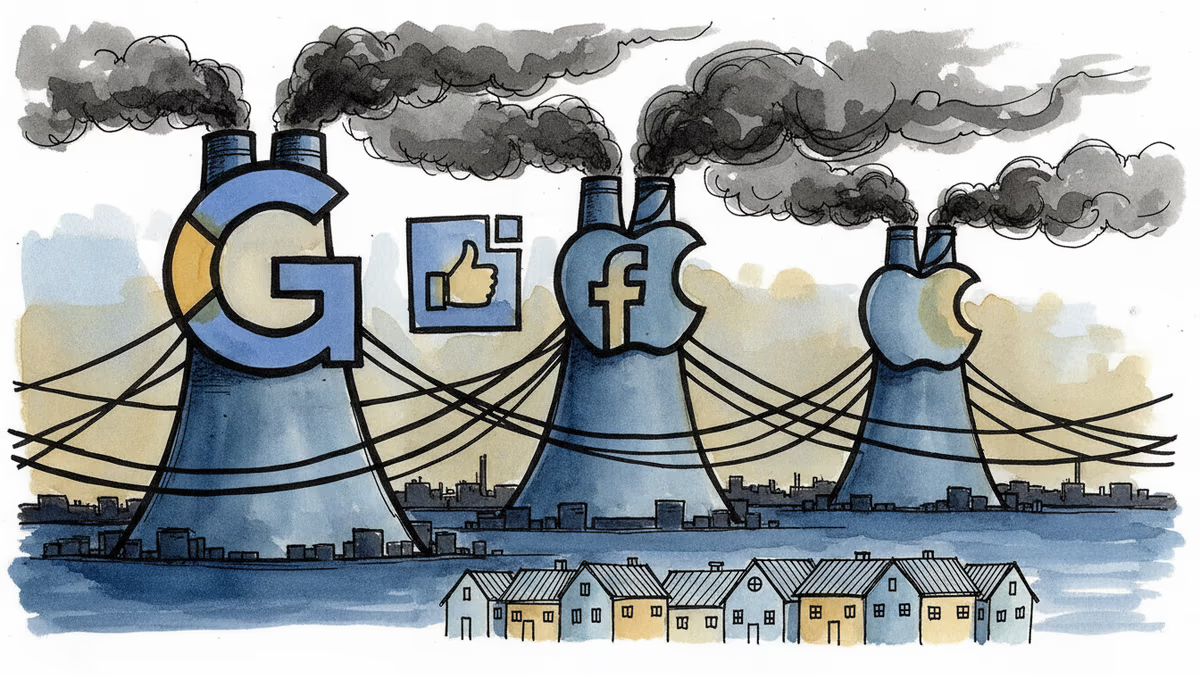
Amazon, Google, Meta and others pledge to pay for their data centers' power infrastructure, but the agreement lacks enforcement and ignores basic economics
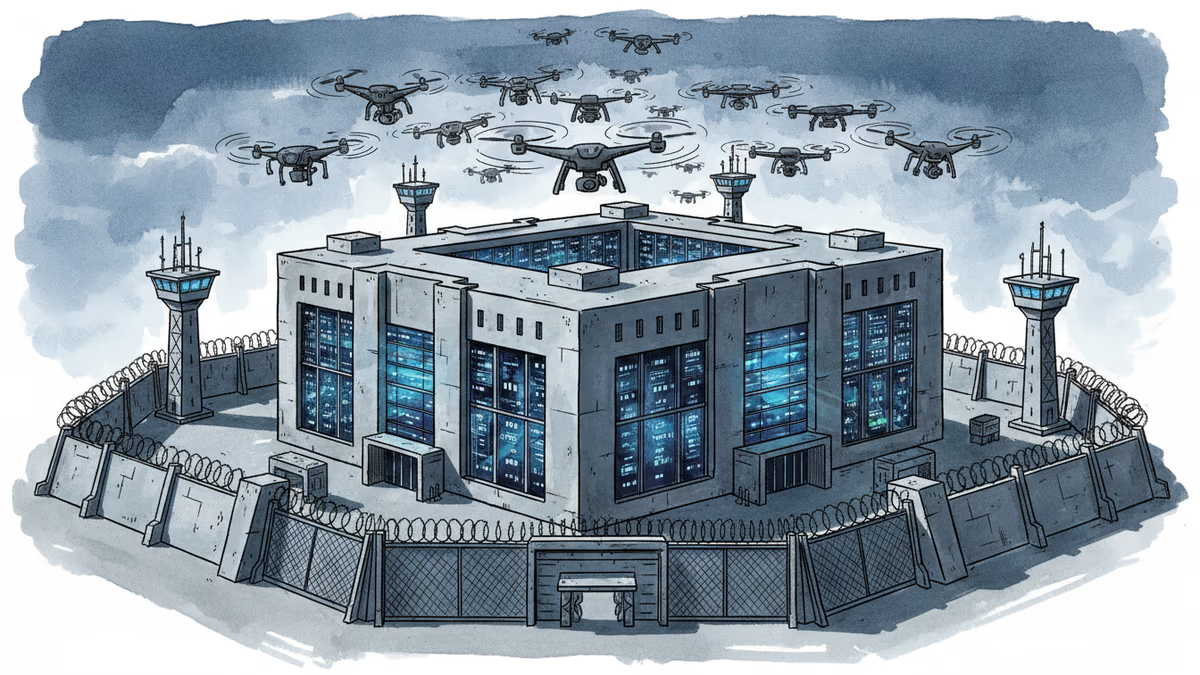
Iranian strikes on AWS facilities mark a new era where cloud infrastructure faces physical warfare. How should companies and governments adapt to this reality?
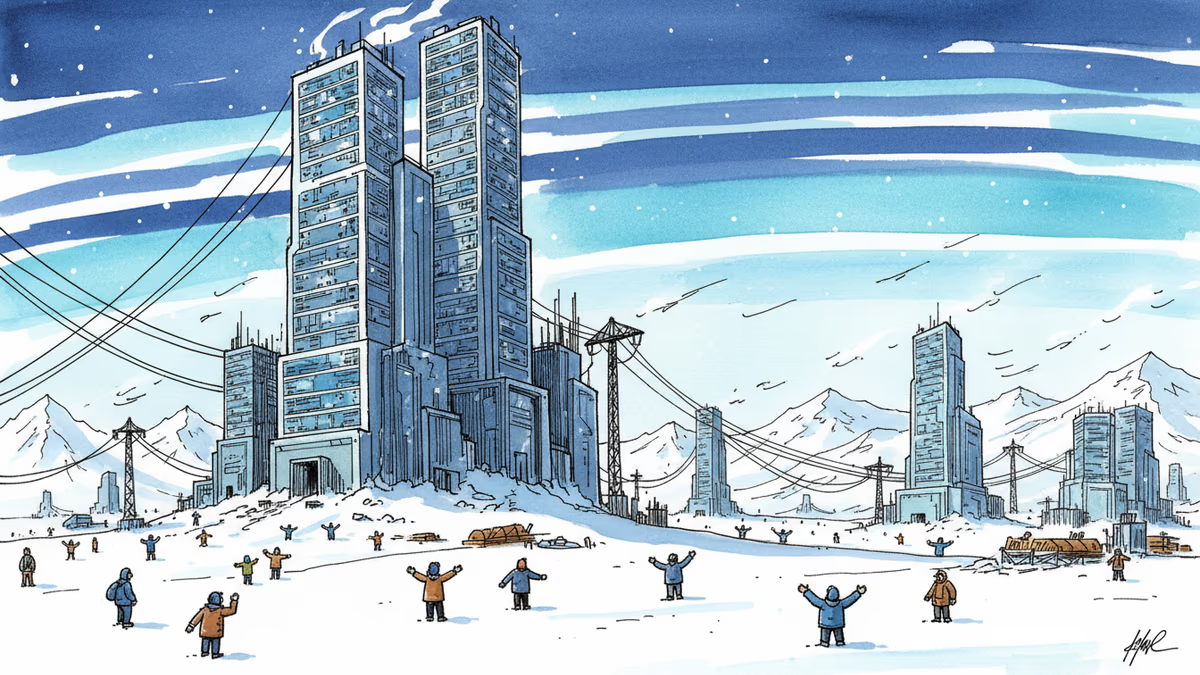
As Europe faces a power crisis, the Nordic countries have become the unexpected hotbed for AI data centers. What's driving this Arctic gold rush?
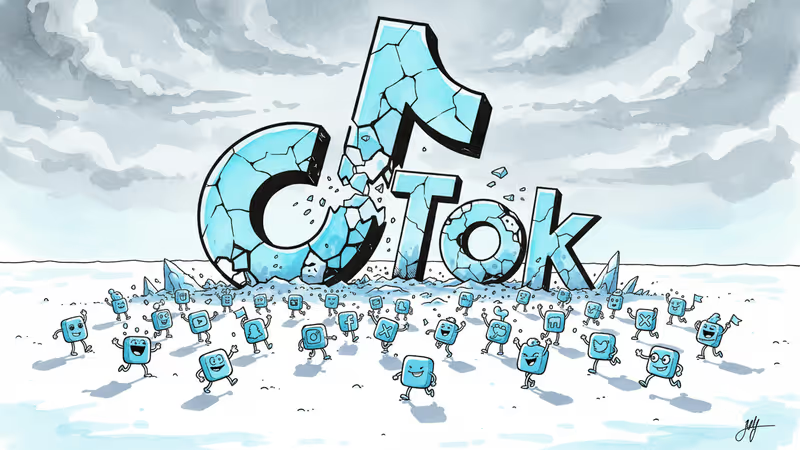
TikTok's massive outage during ownership transition sparked user exodus to competitors like Skylight and Upscrolled, revealing how infrastructure vulnerabilities reshape social media dynamics.
Amazon, Google, Meta and others pledge to pay for their data centers' power infrastructure, but the agreement lacks enforcement and ignores basic economics
Iranian strikes on AWS facilities mark a new era where cloud infrastructure faces physical warfare. How should companies and governments adapt to this reality?
As Europe faces a power crisis, the Nordic countries have become the unexpected hotbed for AI data centers. What's driving this Arctic gold rush?
TikTok's massive outage during ownership transition sparked user exodus to competitors like Skylight and Upscrolled, revealing how infrastructure vulnerabilities reshape social media dynamics.
Thoughts
Share your thoughts on this article
Sign in to join the conversation