
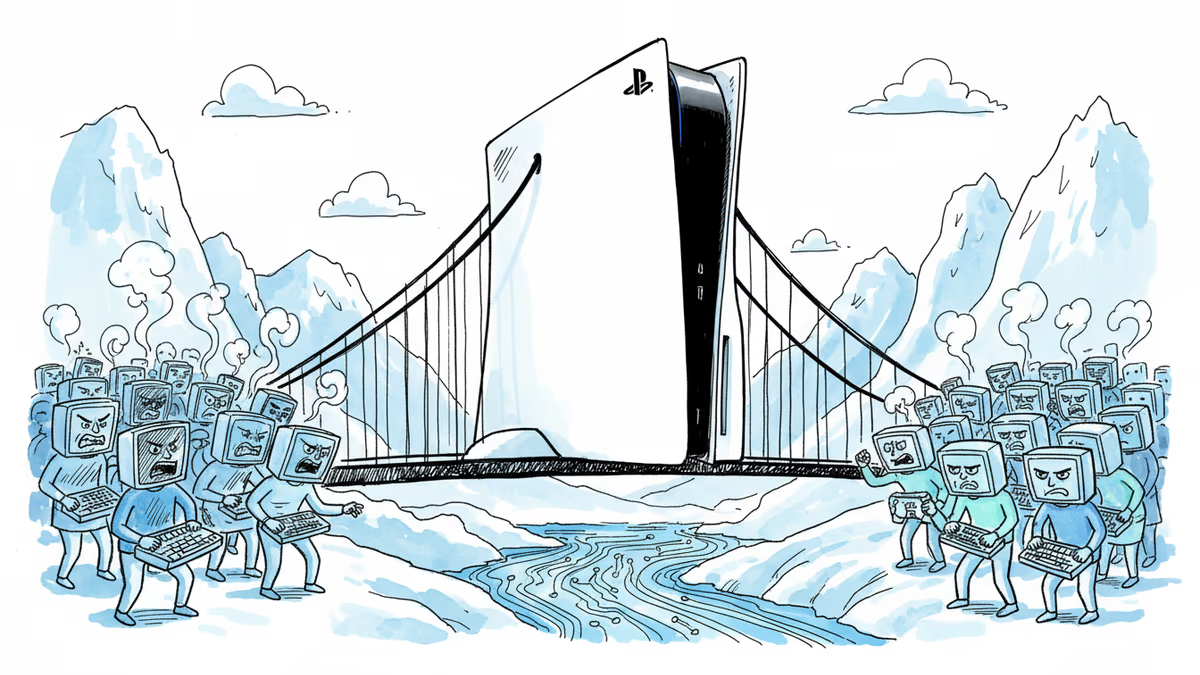
Sony's PC Gamers Betrayal: Why Exclusivity Still Matters
Sony cancels PC releases for future single-player games to protect PS5 sales and counter Microsoft's next Xbox strategy. A deep dive into the console wars' latest battleground.
200 Million PC Gamers Just Got the Cold Shoulder
Sony is pulling back from PC gaming in a big way. According to Bloomberg's March 4th report, the company has canceled PC plans for upcoming single-player titles, including last year's Ghost of Yotei and the anticipated Returnal successor, Saros.
The decision affects a massive audience. PC gaming represents $180 billion of the global gaming market—more than triple the console market's $52 billion. Yet Sony's internal teams worry that PC releases could cannibalize PlayStation 5 console sales and potentially benefit competitor hardware.
The Console Protection Racket
Sony's logic is straightforward: if gamers can play the same exclusives on PC, why buy a $500 console? It's a fair point, but it ignores a crucial reality. Most PC gamers weren't going to buy a PS5 anyway.
The real concern seems to be Microsoft's rumored next-gen Xbox strategy. If the next Xbox can run PC games natively, Sony's titles could theoretically end up on rival hardware—a nightmare scenario for any console maker.
But here's the catch: by restricting access, Sony might be creating a bigger problem. Ghost of Tsushima's PC release was a massive success on Steam, proving there's substantial demand and revenue potential beyond the PlayStation ecosystem.

Multiplayer Gets a Pass—Here's Why
Interestingly, Sony isn't applying this restriction universally. Multiplayer titles like Bungie's Marathon reboot will still launch cross-platform tomorrow. The reasoning is sound: multiplayer games thrive on large player bases, regardless of platform.
There's also the revenue model difference. Multiplayer games generate ongoing income through battle passes, cosmetics, and seasonal content. Single-player games? It's mostly a one-time purchase, making platform exclusivity more valuable for driving hardware sales.
The Bigger Gaming Landscape
This move comes as the gaming industry grapples with changing consumer behavior. Game Pass, Steam Deck, and cloud gaming are blurring the lines between platforms. Younger gamers increasingly expect games everywhere, not locked to specific hardware.
Sony's decision feels like swimming against the current. While competitors embrace cross-platform play and accessibility, Sony is doubling down on the walled garden approach that defined the early console wars.
What PC Gamers Are Really Losing
Beyond the immediate game cancellations, this represents a philosophical shift. Sony's first-party studios create some of the industry's most acclaimed single-player experiences. Restricting these to one platform limits their cultural impact and artistic reach.
For developers within Sony's ecosystem, it also means smaller potential audiences for their creative work. That's a tough pill to swallow when you've spent years crafting experiences that could resonate with millions more players.
Authors
Related Articles
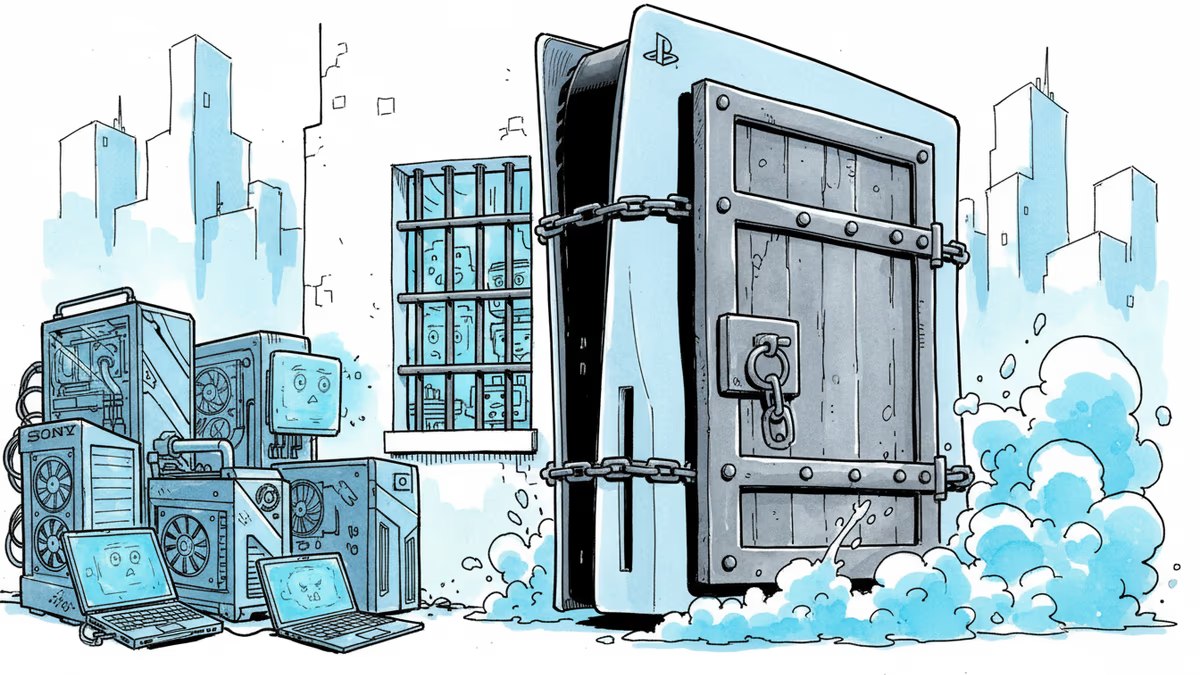
Sony is pulling its major single-player PlayStation games from PC. After six years of multiplatform expansion, the reversal raises hard questions about exclusivity, hardware sales, and who really controls gaming's future.
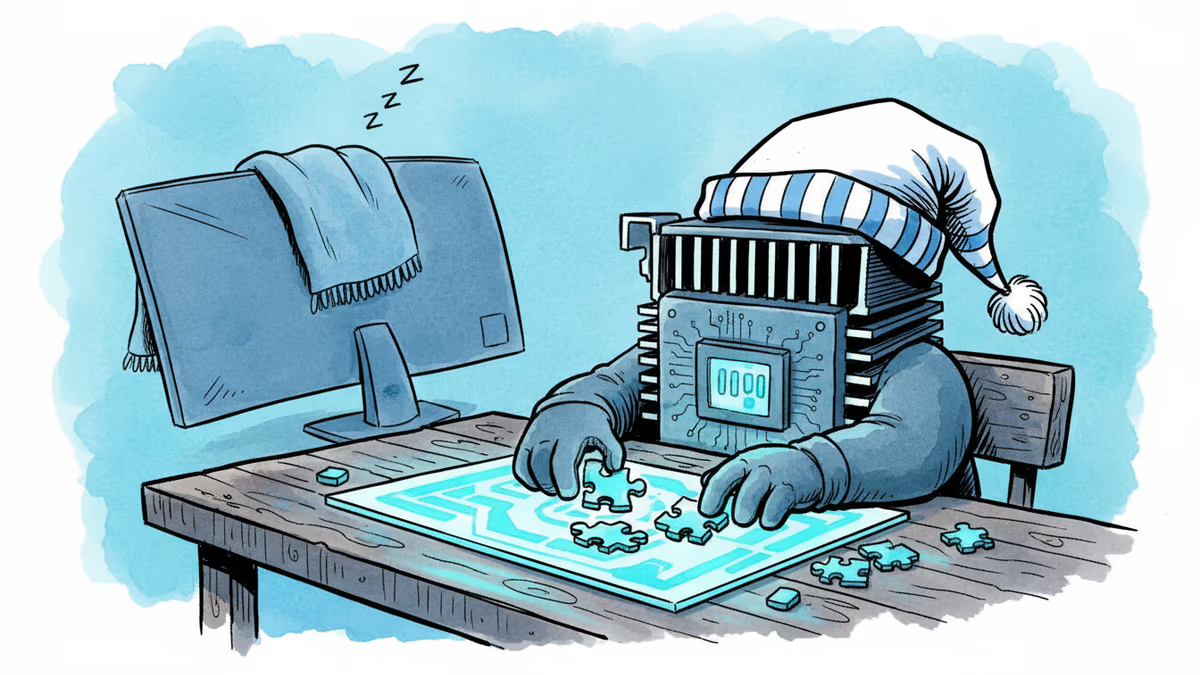
Nvidia's new Auto Shader Compilation feature pre-builds DirectX shaders during idle time, aiming to cut those frustrating load-screen waits after driver updates. Here's what it actually means.
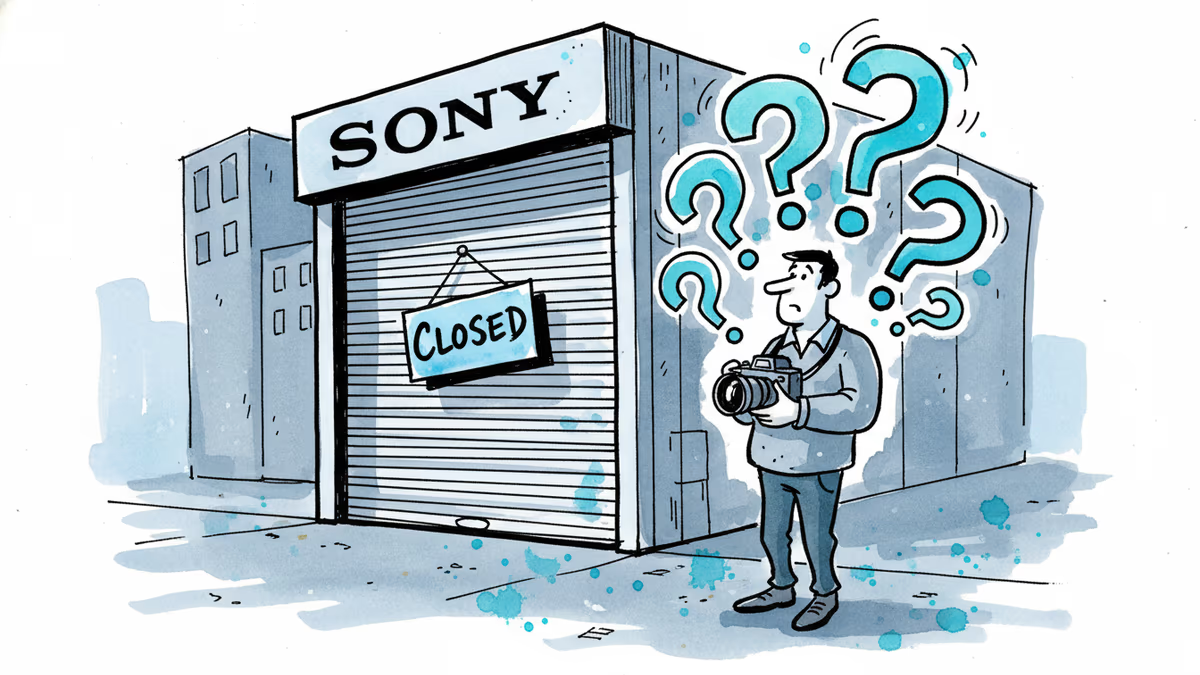
Sony halted orders for most of its CFexpress and SD card lineup on March 27, 2026 — the same day it raised PS5 prices. What does this mean for photographers, consumers, and Sony's broader strategy?
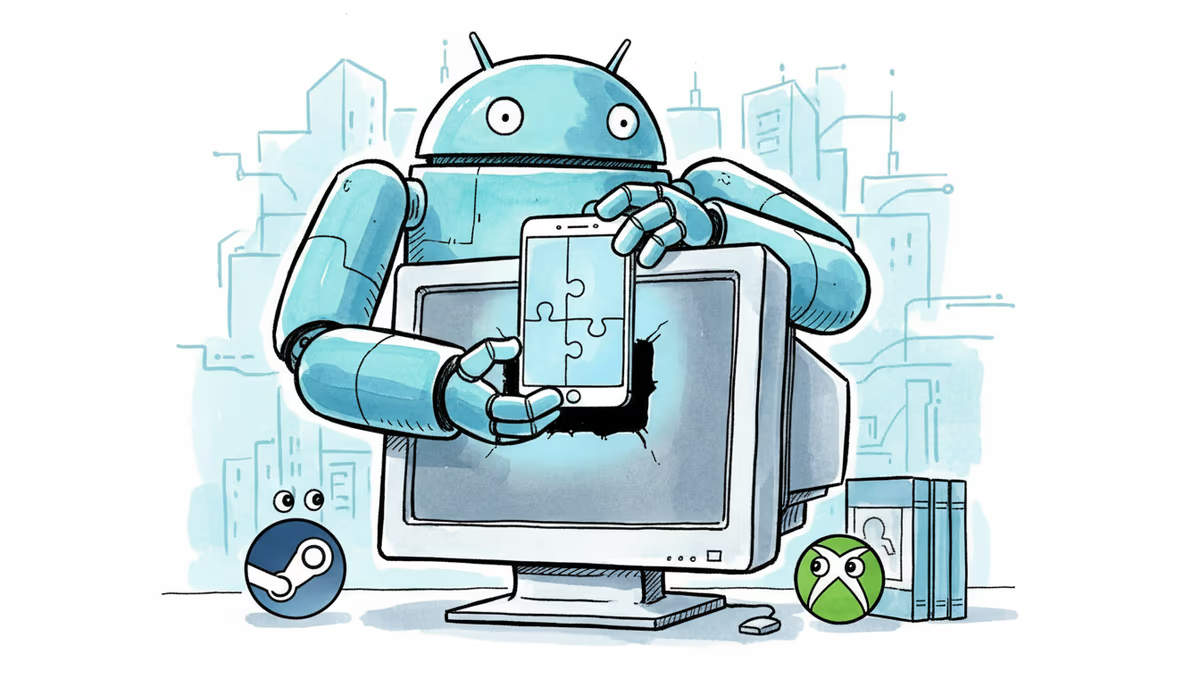
At GDC 2026, Google announced major updates to bring Google Play to Windows—new tabs, wishlists, premium titles, and game trials. But can it compete with Steam and Game Pass?
Sony is pulling its major single-player PlayStation games from PC. After six years of multiplatform expansion, the reversal raises hard questions about exclusivity, hardware sales, and who really controls gaming's future.
Nvidia's new Auto Shader Compilation feature pre-builds DirectX shaders during idle time, aiming to cut those frustrating load-screen waits after driver updates. Here's what it actually means.
Sony halted orders for most of its CFexpress and SD card lineup on March 27, 2026 — the same day it raised PS5 prices. What does this mean for photographers, consumers, and Sony's broader strategy?
At GDC 2026, Google announced major updates to bring Google Play to Windows—new tabs, wishlists, premium titles, and game trials. But can it compete with Steam and Game Pass?
Thoughts
Share your thoughts on this article
Sign in to join the conversation