
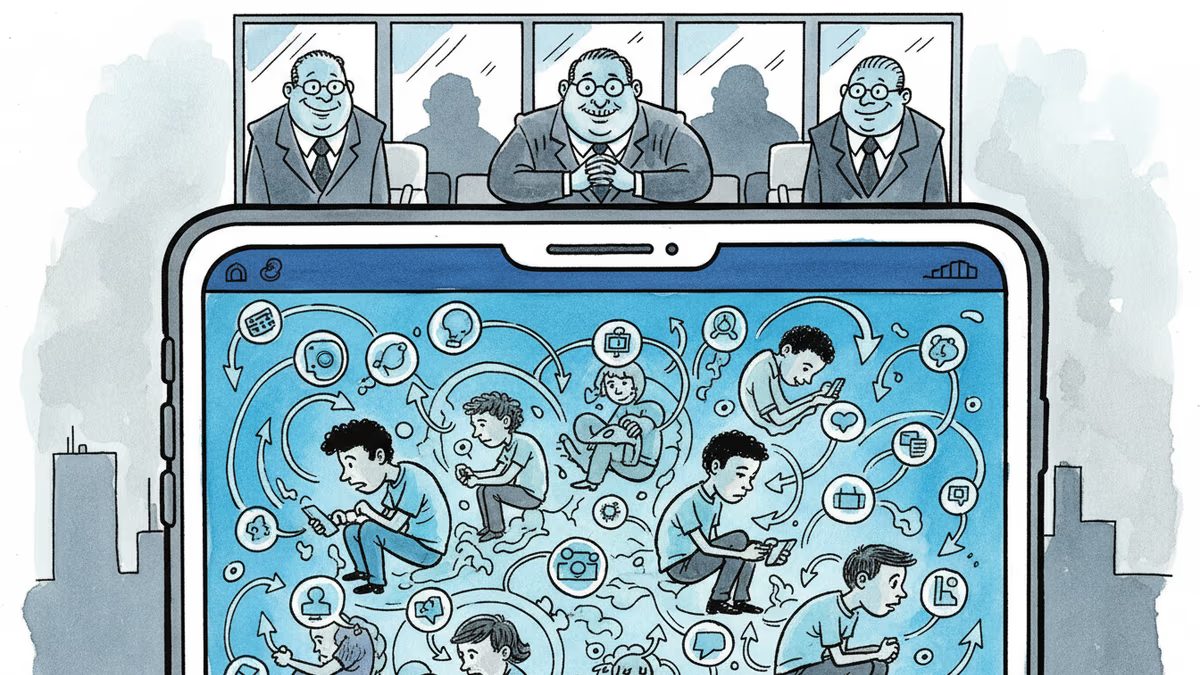
Big Tech on Trial: Are Social Media Giants Liable for Teen Mental Health?
Meta, Snap, TikTok face landmark trials over teen addiction and depression claims. Zuckerberg set to testify as Section 230 protections fail.
500 million teens worldwide spend over 7 hours daily on social media. This year, some of their parents are dragging the platforms to court, claiming these companies deliberately designed addiction into their products.
What makes 2026 different? These lawsuits have broken through Big Tech's legal fortress: Section 230. For the first time, companies like Meta, Snap, TikTok, and Google's YouTube can't hide behind the law that traditionally shields online platforms from user-generated content liability.
The Algorithm Accusation
These aren't your typical content moderation cases. Plaintiffs aren't arguing about what teens see—they're challenging how platforms are built. The core allegation: these companies knowingly designed features to maximize engagement, even when it meant exploiting teenage psychology.
Internal documents are damning. Chat logs from one social media company show executives discussing "teen engagement optimization." One message reportedly read: "We need to make it impossible for them to put the phone down."
Mark Zuckerberg himself will take the stand—a rare move for a CEO of his stature. He'll face questions about Instagram's safety measures and whether Meta prioritized profits over protection.
The Defense: "We're Not the Villain"

Tech companies aren't going down without a fight. Meta argues it has invested billions in teen safety, pointing to recent changes:
- Default private accounts for users under 18
- AI-powered age verification systems
- Restricted advertising to minors
- Usage time notifications and breaks
But critics call these "cosmetic fixes." The underlying recommendation algorithms, they argue, still prioritize engagement over wellbeing.
The Broader Stakes
This isn't just about individual companies—it's about redefining digital responsibility. If plaintiffs win, it could trigger a wave of similar lawsuits globally and force fundamental changes to how social platforms operate.
Regulators are watching closely. The EU's Digital Services Act already requires platforms to assess risks to minors. The UK is considering similar legislation. Success in these US courts could accelerate regulatory action worldwide.
The Teen Perspective: Caught in the Middle
Interestingly, many teens themselves are divided. Some appreciate the connectivity and creative opportunities these platforms provide. Others recognize the addictive pull but feel powerless to resist.
One 17-year-old plaintiff testified: "I knew Instagram was making me feel worse about myself, but I couldn't stop scrolling. It felt designed to trap me."
Authors
Related Articles
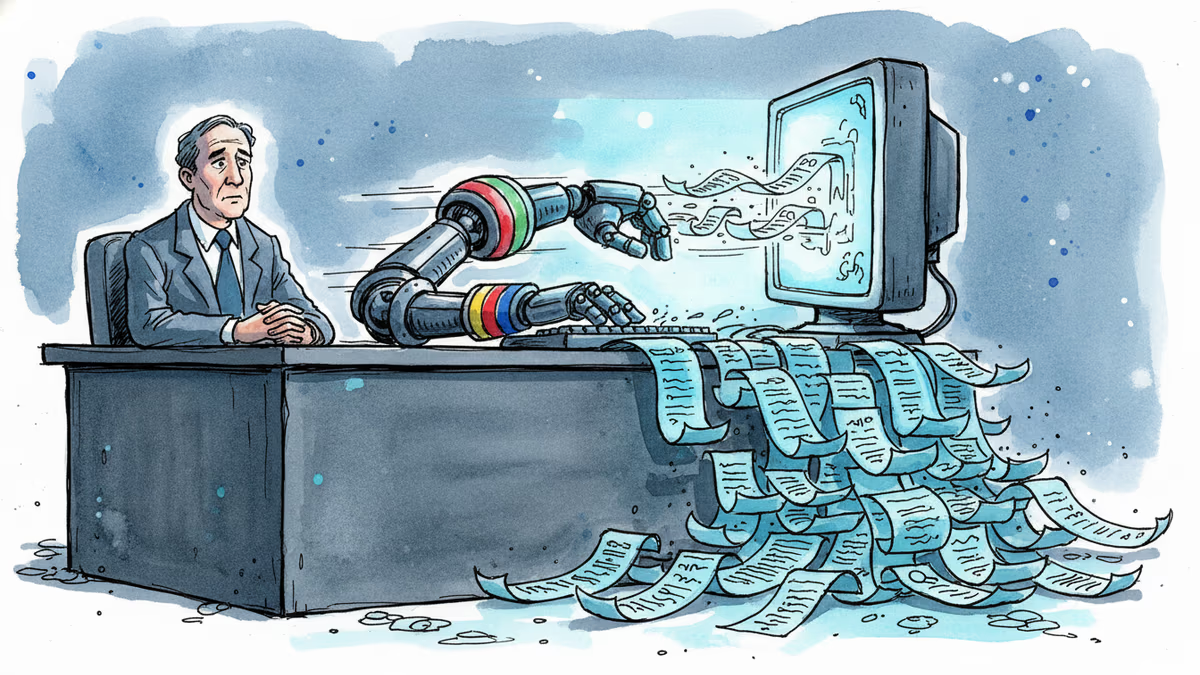
Google is building AI agents that search the web proactively, without user prompting. That's not just a product update — it's a fundamental shift in who controls the information you receive.
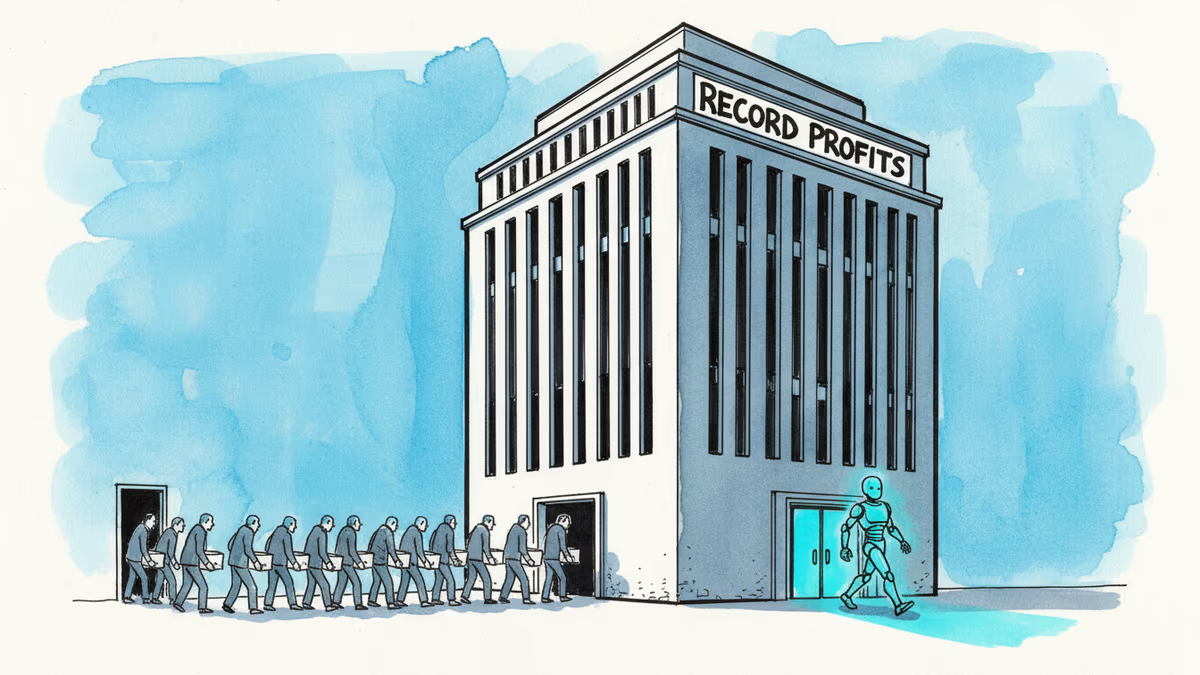
Cisco just posted record quarterly revenue and cut 4,000 jobs on the same day. It's not a contradiction — it's a template spreading across Big Tech.
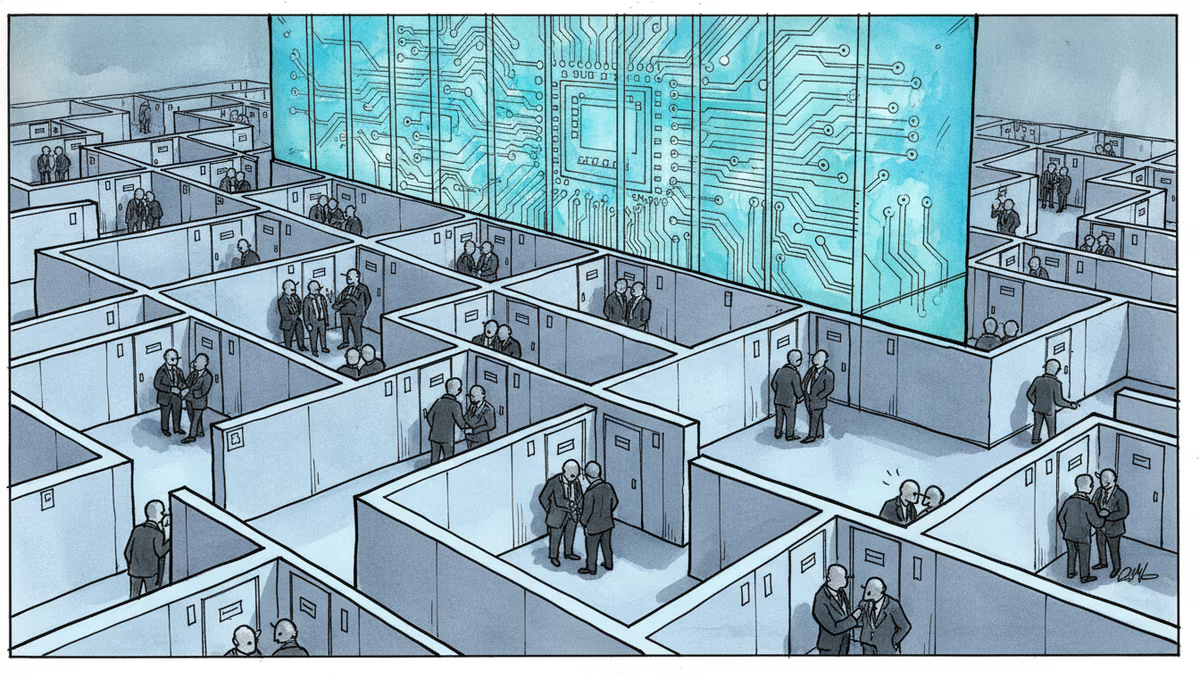
Behind every congressional hearing on Big Tech, there's a quieter room where the real rules get negotiated. As AI regulation, antitrust battles, and privacy law converge on Capitol Hill in 2026, the stakes have never been higher.
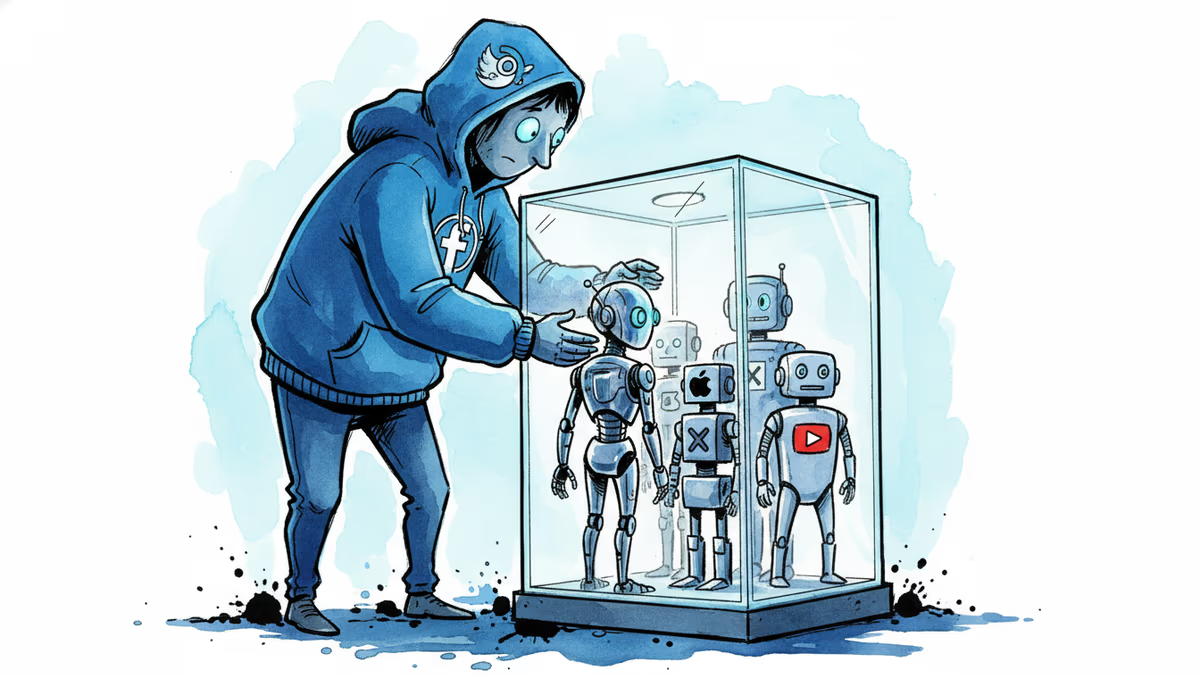
Meta acquired humanoid robotics startup ARI, adding to a Big Tech arms race in physical AI. The real prize isn't a robot product — it's a new way to train intelligence.
Google is building AI agents that search the web proactively, without user prompting. That's not just a product update — it's a fundamental shift in who controls the information you receive.
Cisco just posted record quarterly revenue and cut 4,000 jobs on the same day. It's not a contradiction — it's a template spreading across Big Tech.
Behind every congressional hearing on Big Tech, there's a quieter room where the real rules get negotiated. As AI regulation, antitrust battles, and privacy law converge on Capitol Hill in 2026, the stakes have never been higher.
Meta acquired humanoid robotics startup ARI, adding to a Big Tech arms race in physical AI. The real prize isn't a robot product — it's a new way to train intelligence.
Thoughts
Share your thoughts on this article
Sign in to join the conversation