
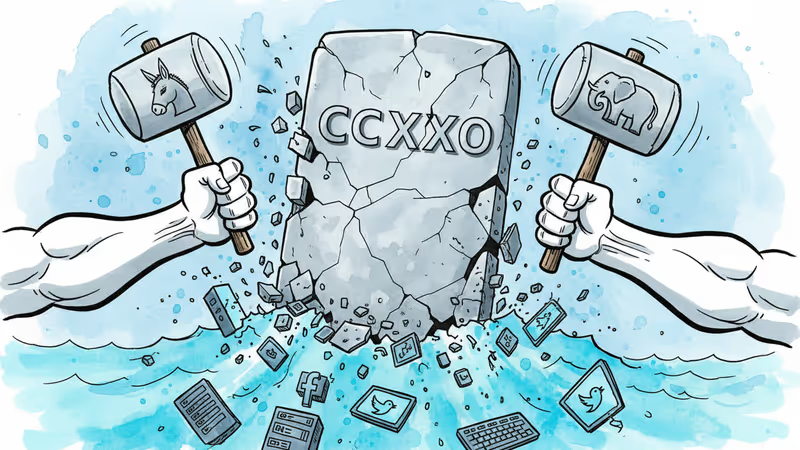
Section 230 at 30: The Internet's Constitution Under Siege
Three decades after creating the modern internet, Section 230 faces its biggest existential threat from lawmakers and courts seeking to dismantle the law that built Big Tech.
Twenty-six words changed everything. Today marks exactly 30 years since those words became law, creating the foundation for the internet as we know it. But now, the very law that built Big Tech faces its greatest existential threat.
Section 230 of the Communications Decency Act took effect on February 8, 1996, establishing a simple principle: online platforms aren't liable for content their users post. This legal shield allowed Facebook, YouTube, Twitter, and countless other platforms to flourish without fear of being sued into oblivion over every controversial post, meme, or comment.
Without this protection, the internet would look radically different. Platforms would need to pre-screen every piece of content, turning the wild west of online discourse into a heavily policed digital landscape. The free-flowing conversations, viral moments, and democratic access to information that define our digital age simply wouldn't exist.
Why Everyone Wants Section 230 Gone
The irony is that Section 230 worked too well. The law that was meant to protect small websites and encourage free speech instead enabled the rise of tech giants worth trillions of dollars. Meta, Google, and Amazon built their empires under this legal umbrella, but along the way, problems emerged: misinformation, hate speech, privacy violations, and market dominance.
Now, the law faces attacks from all sides. Conservatives argue Big Tech uses Section 230 to censor conservative voices. Progressives claim platforms hide behind it to avoid accountability for harmful content. Even Meta's Mark Zuckerberg has called for "updating" the law, acknowledging that unconditional immunity may no longer be tenable.
The political momentum is undeniable. Former President Trump wanted to "terminate" Section 230 entirely. President Biden has called for its revocation. Supreme Court cases are chipping away at its scope. State legislatures are passing laws that effectively circumvent it.

The Unintended Consequences
But what happens if Section 230 actually disappears or gets severely weakened? The consequences could be far more dramatic than lawmakers anticipate.
Smaller platforms and startups would likely be the first casualties. Without broad legal immunity, only companies with massive legal teams could afford to operate social platforms. The internet could consolidate even further around existing giants who can weather the litigation storm.
Content moderation might become either hyper-aggressive or non-existent. Platforms might remove anything remotely controversial to avoid lawsuits, creating sterile digital spaces. Alternatively, they might abandon moderation entirely, turning platforms into unfiltered chaos.
The global implications are equally significant. Other countries are watching how America handles Section 230. If the US weakens platform protections, authoritarian governments worldwide might feel emboldened to impose even stricter internet controls.
The Innovation Dilemma
Perhaps most critically, changing Section 230 could stifle the next wave of internet innovation. The law didn't just protect Facebook and Google—it protected every forum, comment section, review site, and user-generated platform that makes the modern web dynamic and interactive.
Emerging technologies like AI-generated content, virtual reality social spaces, and decentralized platforms all rely on the same legal principles that Section 230 established. Weakening these protections could slow innovation just as new technologies are reshaping how we communicate online.
Authors
Related Articles
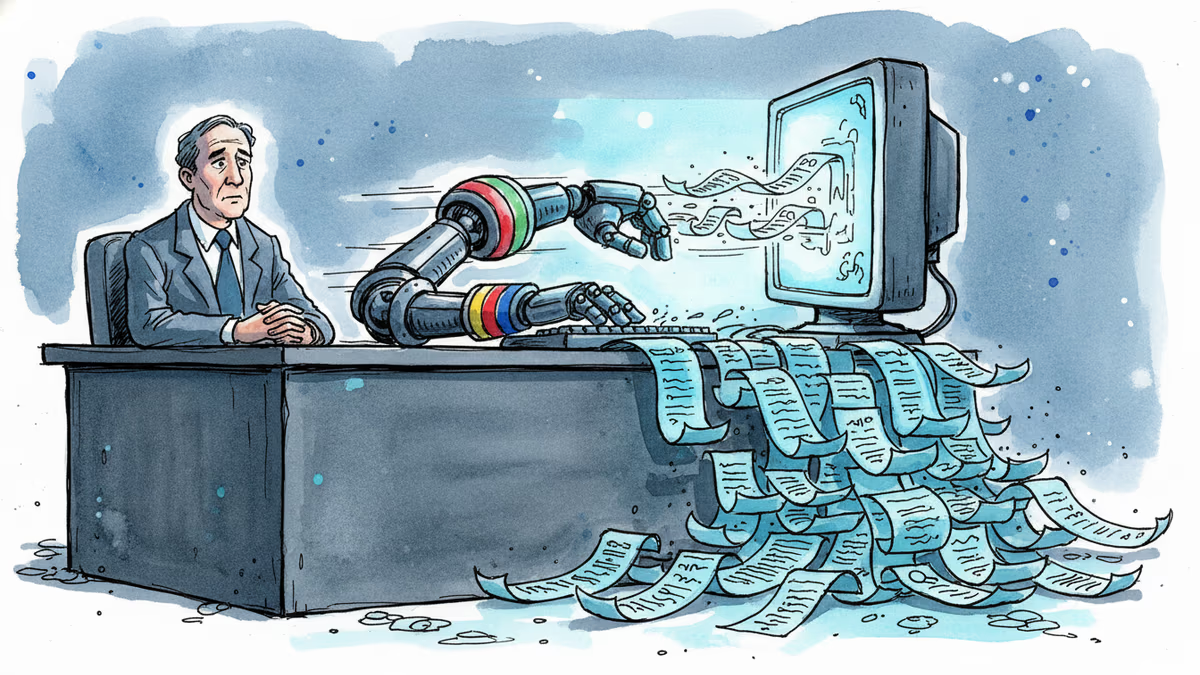
Google is building AI agents that search the web proactively, without user prompting. That's not just a product update — it's a fundamental shift in who controls the information you receive.
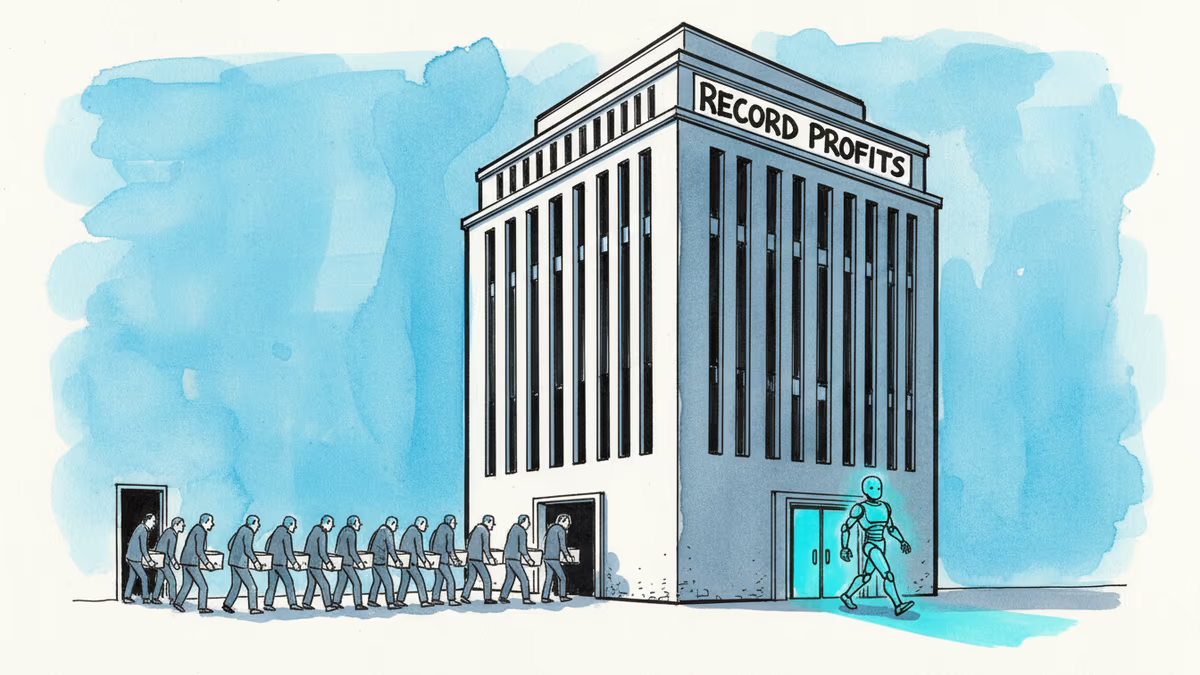
Cisco just posted record quarterly revenue and cut 4,000 jobs on the same day. It's not a contradiction — it's a template spreading across Big Tech.
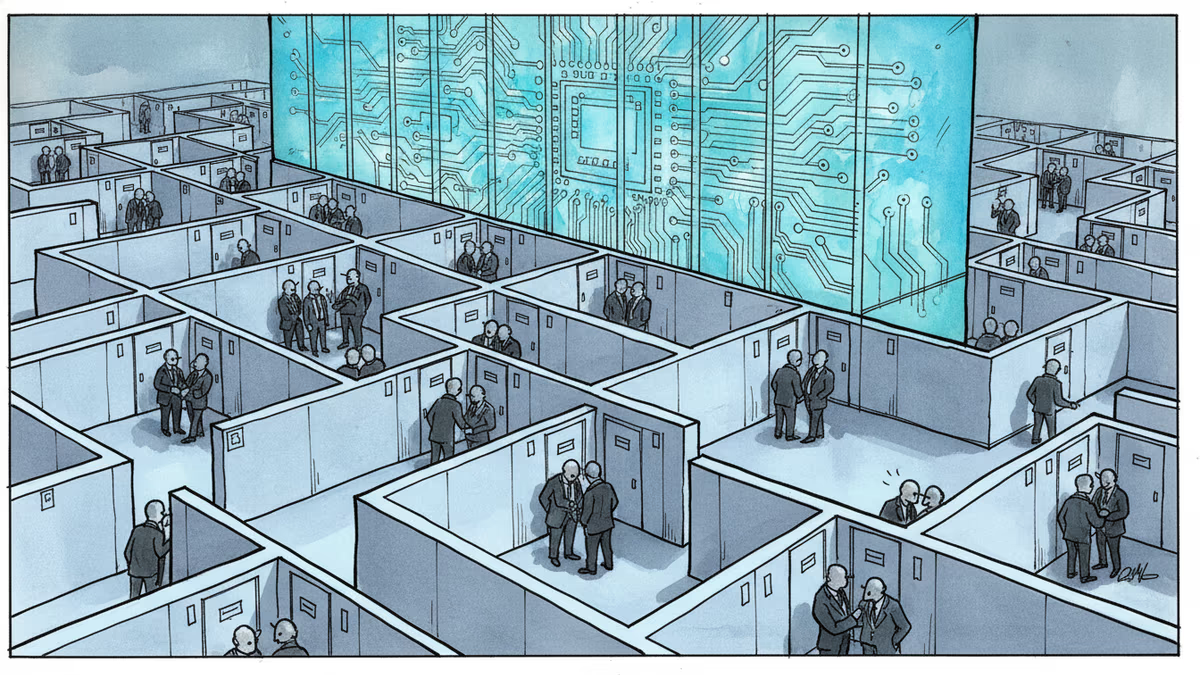
Behind every congressional hearing on Big Tech, there's a quieter room where the real rules get negotiated. As AI regulation, antitrust battles, and privacy law converge on Capitol Hill in 2026, the stakes have never been higher.
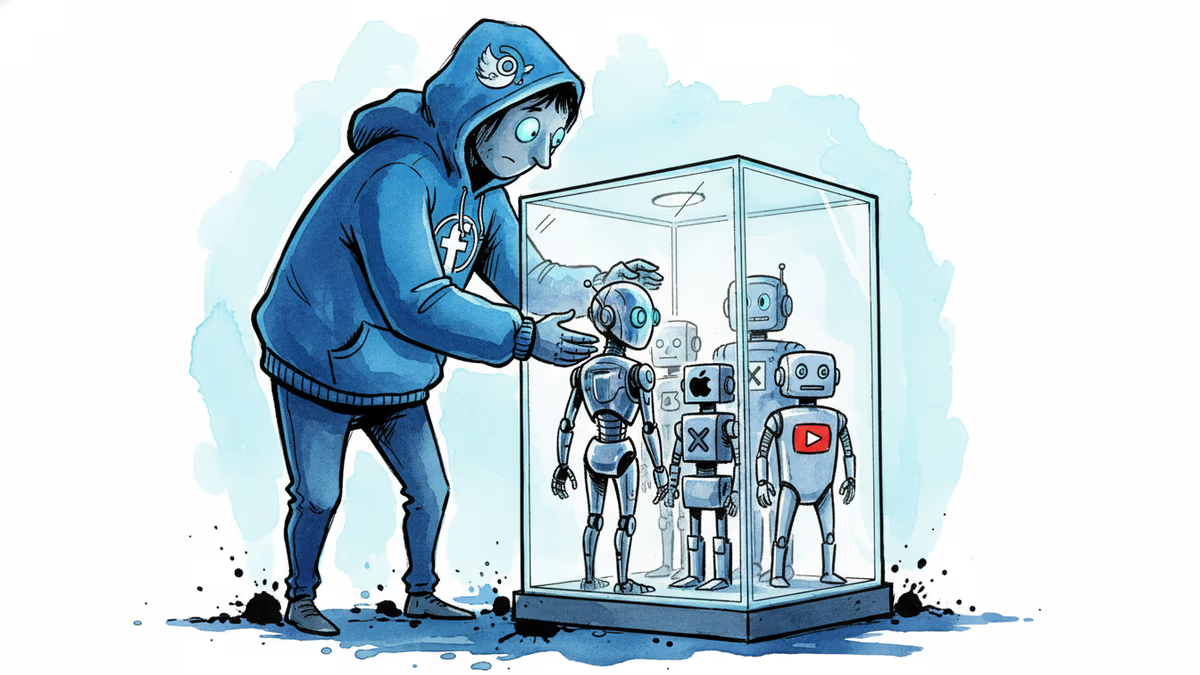
Meta acquired humanoid robotics startup ARI, adding to a Big Tech arms race in physical AI. The real prize isn't a robot product — it's a new way to train intelligence.
Google is building AI agents that search the web proactively, without user prompting. That's not just a product update — it's a fundamental shift in who controls the information you receive.
Cisco just posted record quarterly revenue and cut 4,000 jobs on the same day. It's not a contradiction — it's a template spreading across Big Tech.
Behind every congressional hearing on Big Tech, there's a quieter room where the real rules get negotiated. As AI regulation, antitrust battles, and privacy law converge on Capitol Hill in 2026, the stakes have never been higher.
Meta acquired humanoid robotics startup ARI, adding to a Big Tech arms race in physical AI. The real prize isn't a robot product — it's a new way to train intelligence.
Thoughts
Share your thoughts on this article
Sign in to join the conversation