
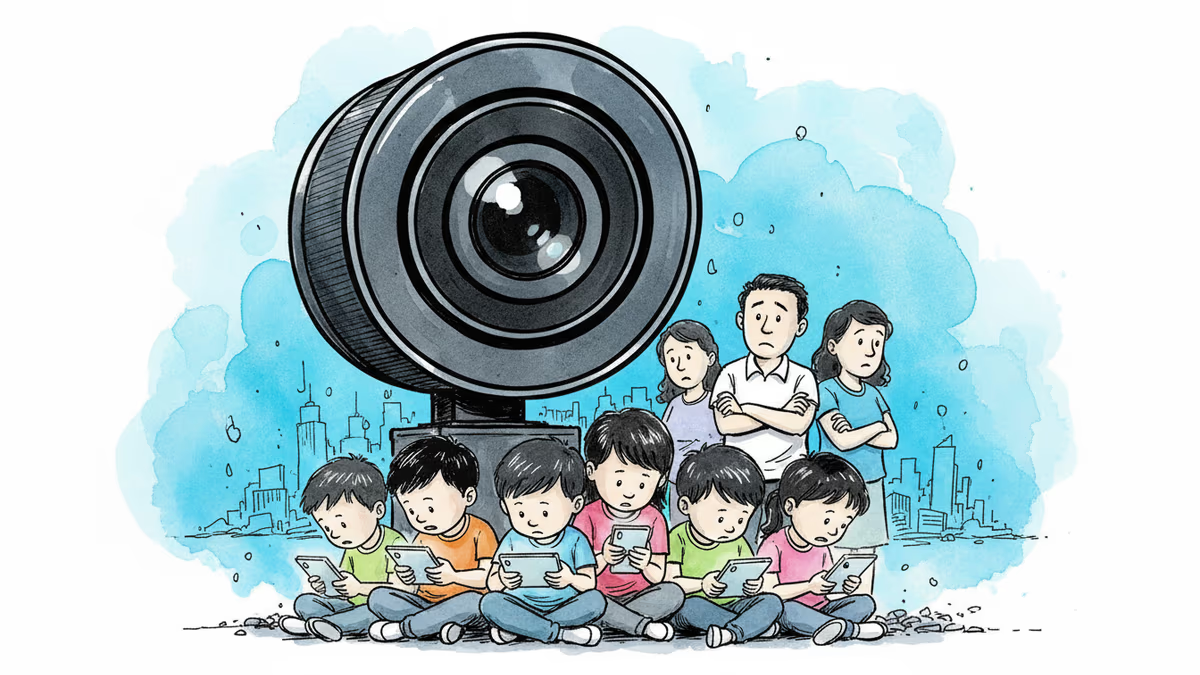
The 4 Million Kids Meta Knew Were There All Along
Zuckerberg's court testimony reveals shocking internal documents showing 30% of US kids aged 10-12 were already on Instagram by 2015, despite age restrictions.
4 million children under 13 had Instagram accounts as of 2015. That's roughly 30% of all US kids aged 10-12. This wasn't a leaked statistic or external estimate—it came straight from Meta's own internal documents, revealed as CEO Mark Zuckerberg testified in a Los Angeles courtroom this Wednesday.
The numbers weren't supposed to see daylight. But in a landmark trial that could reshape how we think about social media and kids, they're now evidence in a case that has TikTok and Snap already settling out of court.
When the Boss Says "Make Them Stay Longer"
The plaintiff's lawyers didn't just have numbers. They had emails. A 2015 chain showed Zuckerberg pushing employees to increase users' app time by 12%—directly contradicting his earlier Congressional testimony that Instagram didn't set usage-increase goals.
"We need to get people to spend more time," the internal communications suggested. But here's what's more troubling: Meta's own research showed that parental supervision couldn't prevent compulsive social media use among teens. Worse, teens who'd experienced trauma were even more likely to overuse the platforms.
20-year-old plaintiff KGM (who goes by Kaley) is arguing that this wasn't accidental—it was by design.
The Beauty Filter Dilemma

Instagram's beauty filters became another flashpoint. Meta's own experts recommended banning these features for teens, citing mental health concerns. The recommendation was ignored.
When pressed about age verification, Zuckerberg deflected to smartphone makers like Apple, saying they should do more to help. Ironically, Apple recently rolled out age assurance tools for developers—partly in response to growing pressure to regulate platforms like Facebook and Instagram.
What This Means for Every Parent
The courtroom drama matters beyond Silicon Valley. If the jury finds Meta liable, it could trigger a wave of new regulations, settlements, and fundamental changes to how social platforms operate.
Meta's defense strategy? Blame Kaley's "unhappy childhood" rather than their algorithms. But with TikTok and Snap already settling before trial, the writing might be on the wall.
The trial represents something bigger: the first major legal test of whether social media companies can be held responsible for addiction-like usage patterns, especially among vulnerable users.
The Regulatory Domino Effect
States across the US are already developing their own social media laws. This trial could provide the legal precedent they need to enforce stricter rules. The implications extend beyond American borders—regulators worldwide are watching.
For investors, the stakes are enormous. A finding of liability could mean billions in settlements and fundamental changes to engagement-driven business models that power the entire social media industry.
Authors
Related Articles
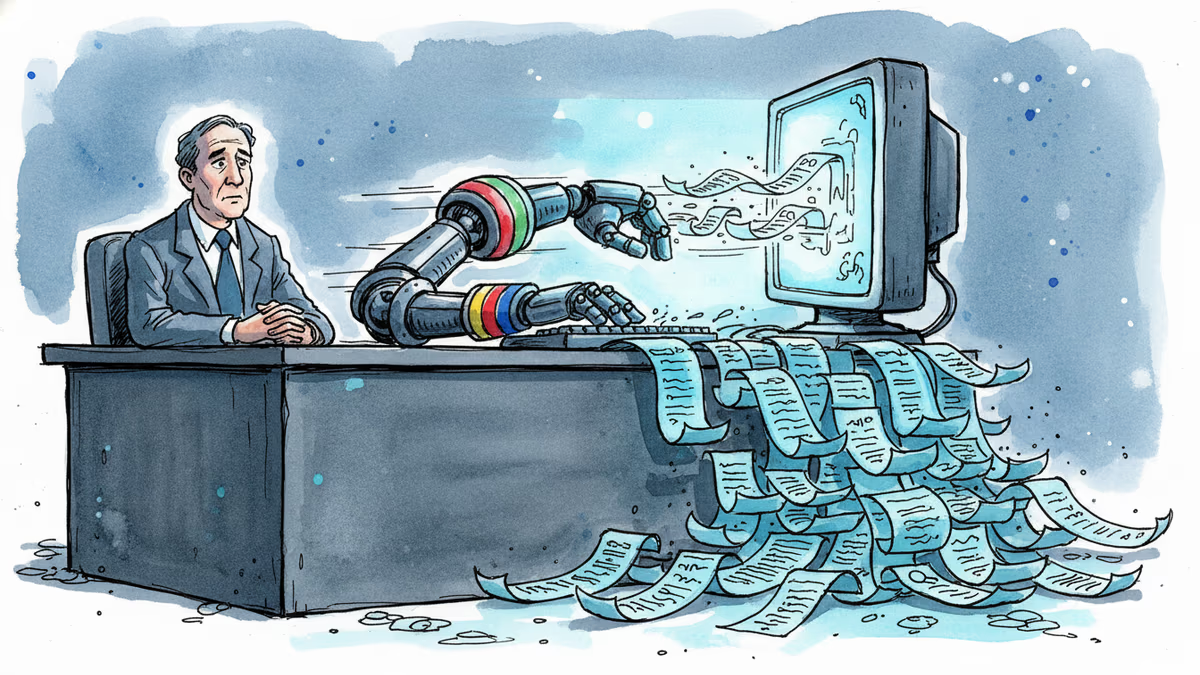
Google is building AI agents that search the web proactively, without user prompting. That's not just a product update — it's a fundamental shift in who controls the information you receive.
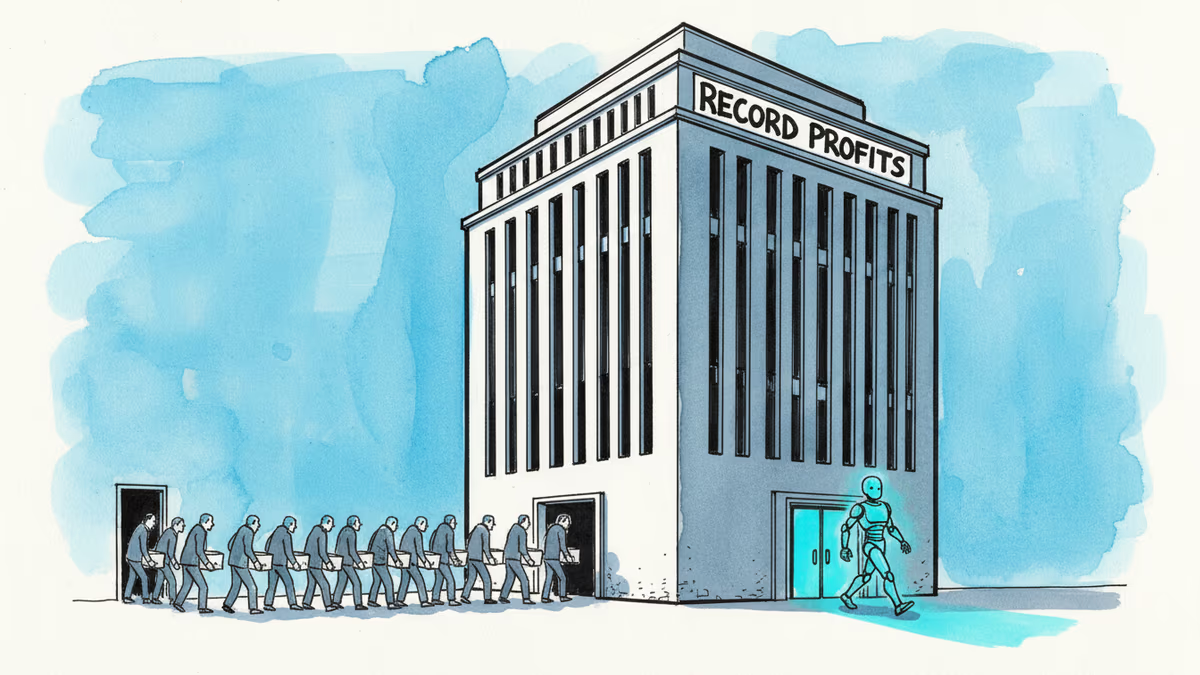
Cisco just posted record quarterly revenue and cut 4,000 jobs on the same day. It's not a contradiction — it's a template spreading across Big Tech.
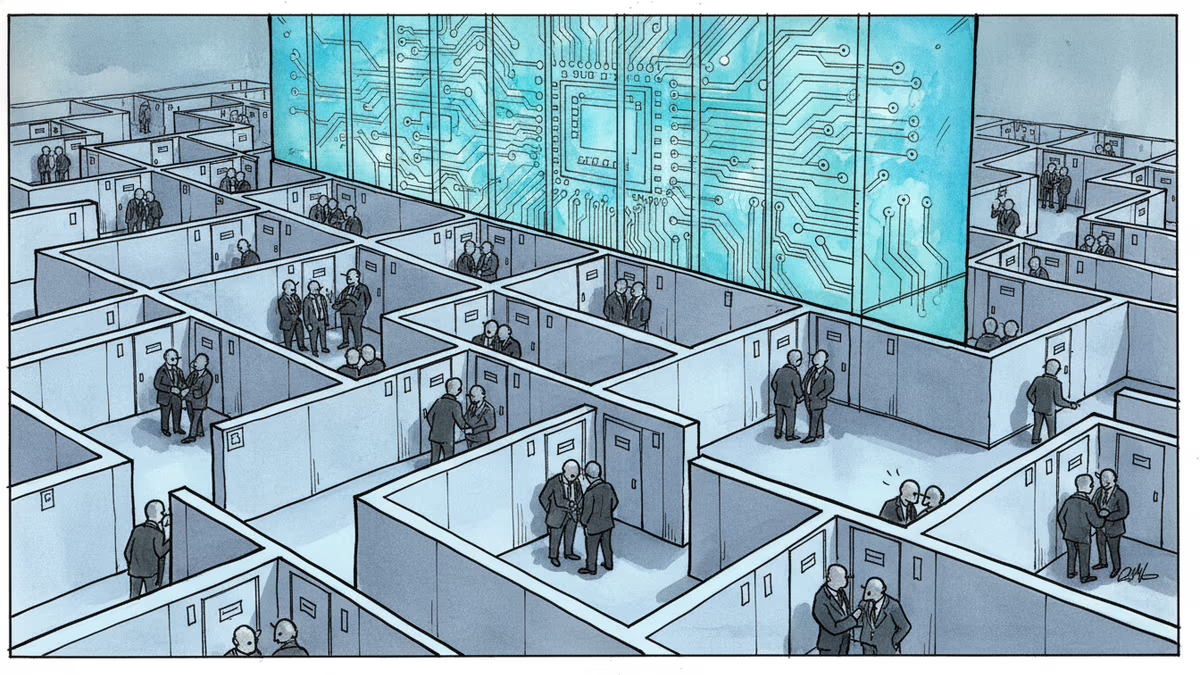
Behind every congressional hearing on Big Tech, there's a quieter room where the real rules get negotiated. As AI regulation, antitrust battles, and privacy law converge on Capitol Hill in 2026, the stakes have never been higher.
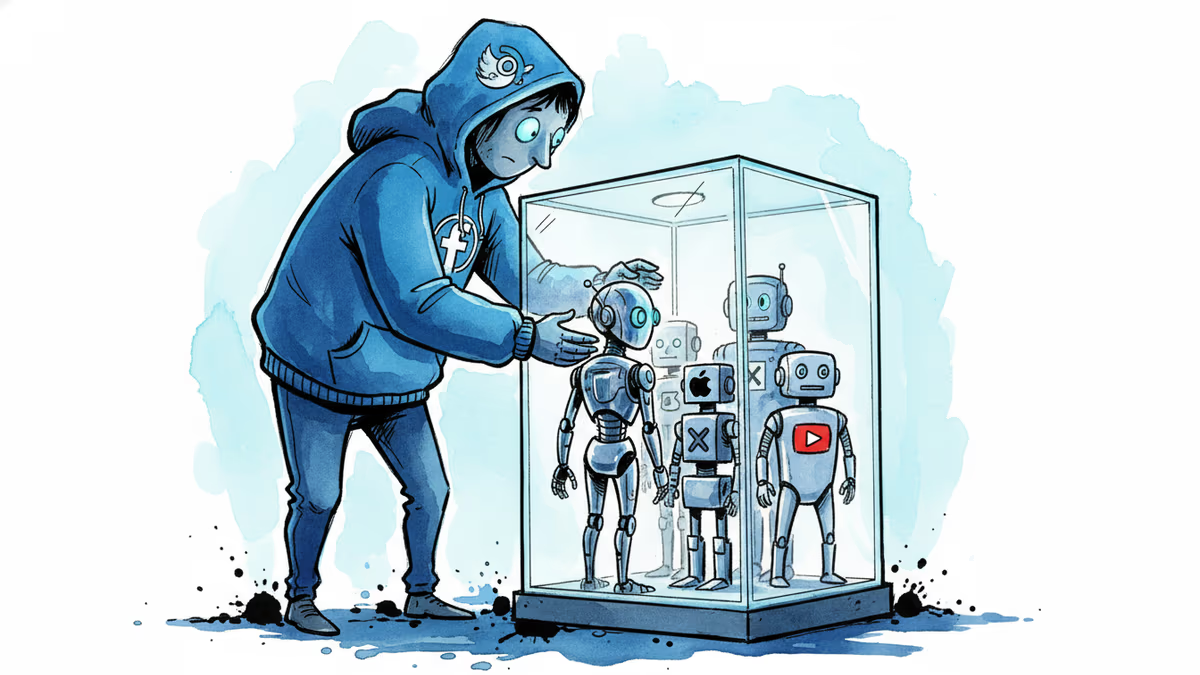
Meta acquired humanoid robotics startup ARI, adding to a Big Tech arms race in physical AI. The real prize isn't a robot product — it's a new way to train intelligence.
Google is building AI agents that search the web proactively, without user prompting. That's not just a product update — it's a fundamental shift in who controls the information you receive.
Cisco just posted record quarterly revenue and cut 4,000 jobs on the same day. It's not a contradiction — it's a template spreading across Big Tech.
Behind every congressional hearing on Big Tech, there's a quieter room where the real rules get negotiated. As AI regulation, antitrust battles, and privacy law converge on Capitol Hill in 2026, the stakes have never been higher.
Meta acquired humanoid robotics startup ARI, adding to a Big Tech arms race in physical AI. The real prize isn't a robot product — it's a new way to train intelligence.
Thoughts
Share your thoughts on this article
Sign in to join the conversation