
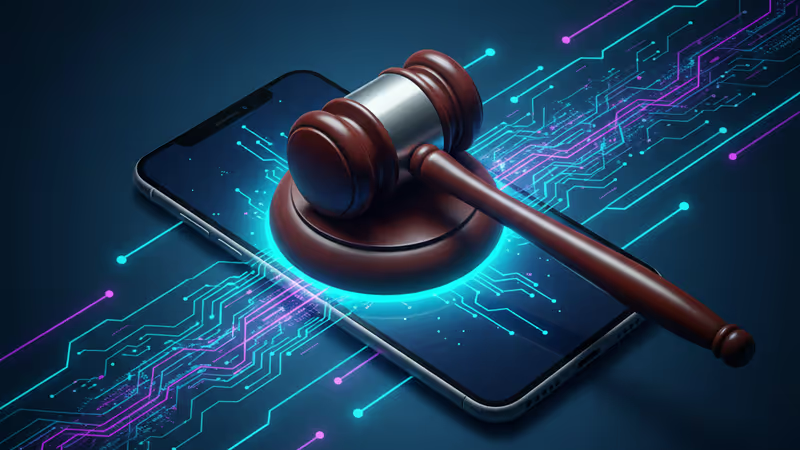
Inside the Snap Social Media Addiction Settlement: A Last-Minute Escape
Snap settles a major social media addiction lawsuit just days before trial. Meta, TikTok, and YouTube face a jury next Monday as Mark Zuckerberg prepares to testify.
The "Big Tobacco" moment for social media has arrived—but the first company set for trial just blinked. Just days before it was scheduled to face a jury, Snap has reached a settlement in a high-stakes lawsuit accusing the platform of fueling social media addiction, according to reports from the New York Times.
The Snap Social Media Addiction Settlement Precedent
The lawsuit was brought by K.G.M., a 19-year-old who alleged that Snapchat's algorithms and features—such as infinite scroll and auto-play—were intentionally designed to be addictive, leading to severe mental health issues. While Snap employees had reportedly raised concerns about teen mental health risks as far back as 9 years ago, the company had previously dismissed these internal warnings as "cherry-picked" and out of context.
Algorithms vs. Free Speech

This legal battle highlights a fundamental clash: plaintiffs argue that algorithmic recommendations and push notifications are deceptive products that cause harm, drawing parallels to the 1990s lawsuits against cigarette companies. In contrast, tech giants have defended their design choices as protected speech under the First Amendment, likening them to editorial decisions made by newspapers. By settling, Snap avoids becoming the first social media platform to have a jury weigh in on these addiction claims.
Meta and TikTok Trials Looming
While Snap has exited this specific trial, the pressure remains on other industry leaders. Jury selection for a massive case involving Meta, TikTok, and YouTube is set to begin next Monday, January 27, 2026. Mark Zuckerberg, CEO of Meta, is expected to testify. Legal experts suggest that if the plaintiffs prevail, it could trigger multibillion-dollar settlements and force a radical redesign of how social media platforms interact with younger users.
Authors
Related Articles
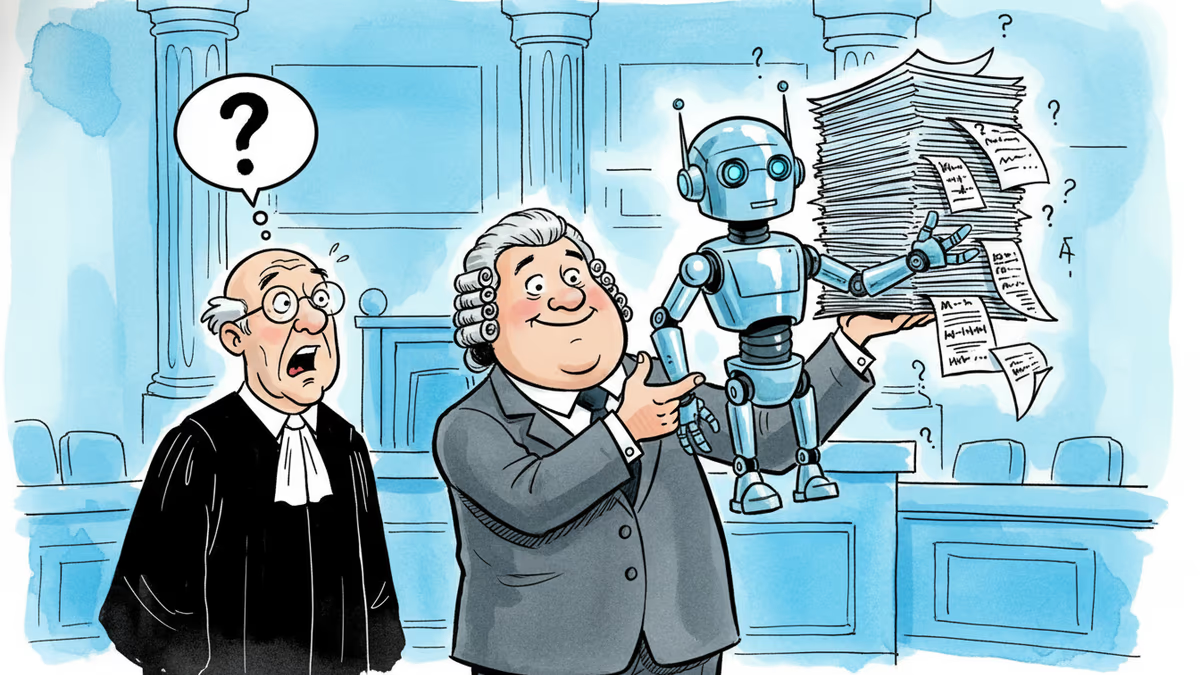
A law firm marketing itself on AI-powered legal success submitted fake citations in a federal appeal. Now its lawyers face sanctions — and the broader AI legal industry faces a credibility crisis.
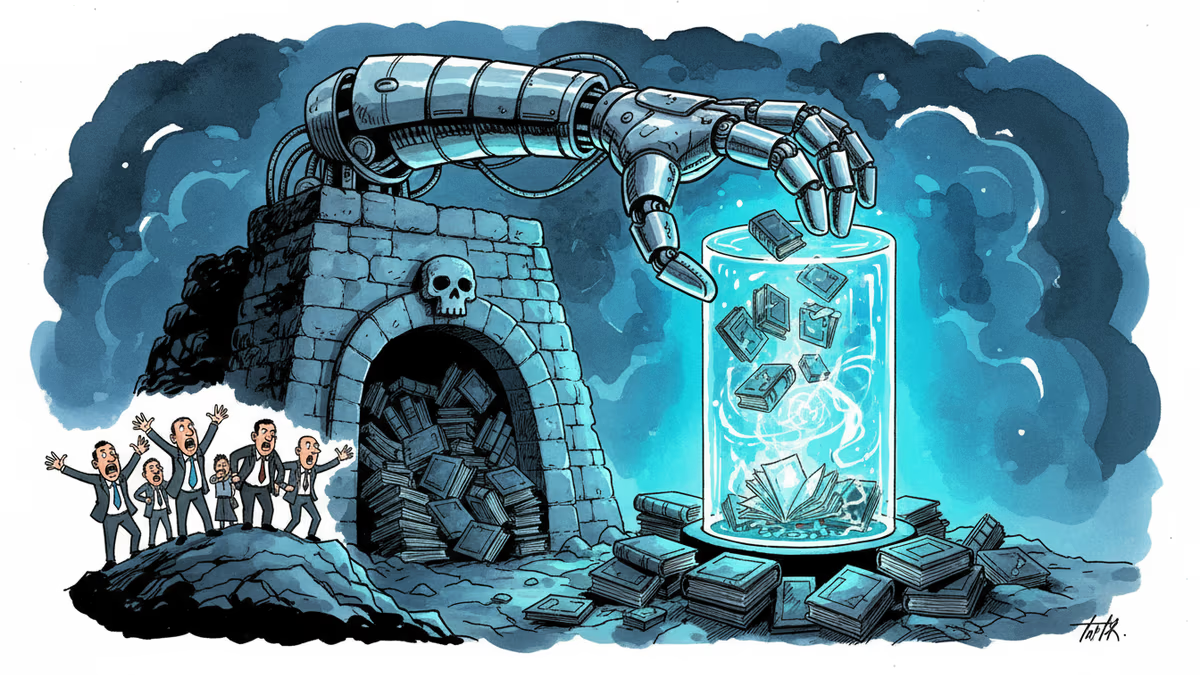
Five major publishers and author Scott Turow have filed a class action lawsuit against Meta, alleging the company used illegal pirate sites like LibGen to train its Llama AI models without permission.
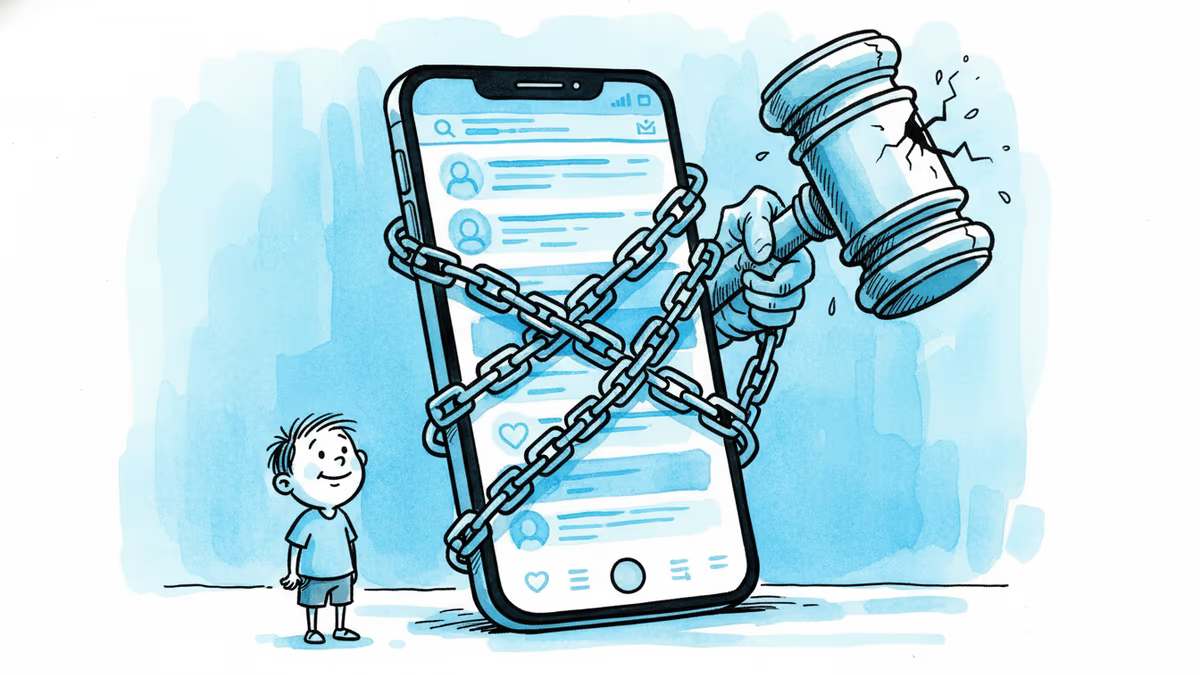
New Mexico already won $375 million from Meta. Now it wants something harder to give: a court order forcing Facebook, Instagram, and WhatsApp to redesign themselves. A three-week trial starts Monday.
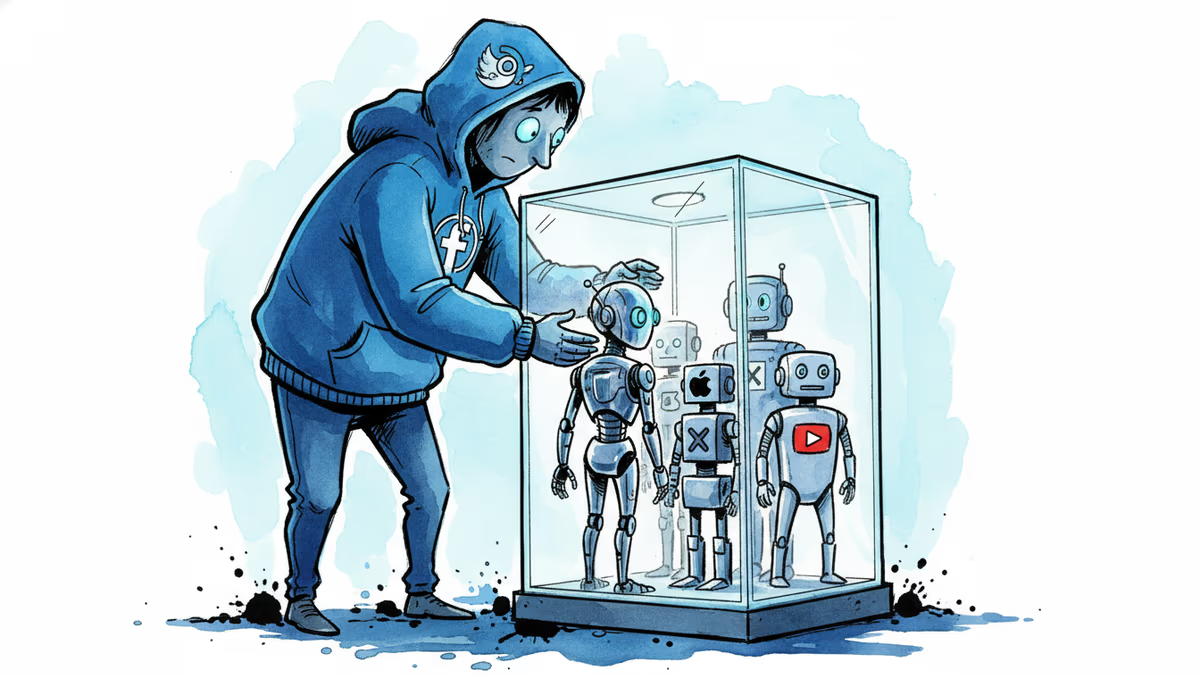
Meta acquired humanoid robotics startup ARI, adding to a Big Tech arms race in physical AI. The real prize isn't a robot product — it's a new way to train intelligence.
A law firm marketing itself on AI-powered legal success submitted fake citations in a federal appeal. Now its lawyers face sanctions — and the broader AI legal industry faces a credibility crisis.
Five major publishers and author Scott Turow have filed a class action lawsuit against Meta, alleging the company used illegal pirate sites like LibGen to train its Llama AI models without permission.
New Mexico already won $375 million from Meta. Now it wants something harder to give: a court order forcing Facebook, Instagram, and WhatsApp to redesign themselves. A three-week trial starts Monday.
Meta acquired humanoid robotics startup ARI, adding to a Big Tech arms race in physical AI. The real prize isn't a robot product — it's a new way to train intelligence.
Thoughts
Share your thoughts on this article
Sign in to join the conversation