
Meta's $0.06 Per Message: Fair Competition or Expensive Gatekeeping?
Meta allows rival AI chatbots on WhatsApp in Brazil for $0.0625 per message after regulatory pressure. Developers call the pricing too high, raising questions about platform neutrality in the AI era.
Six Cents to Break a Monopoly?
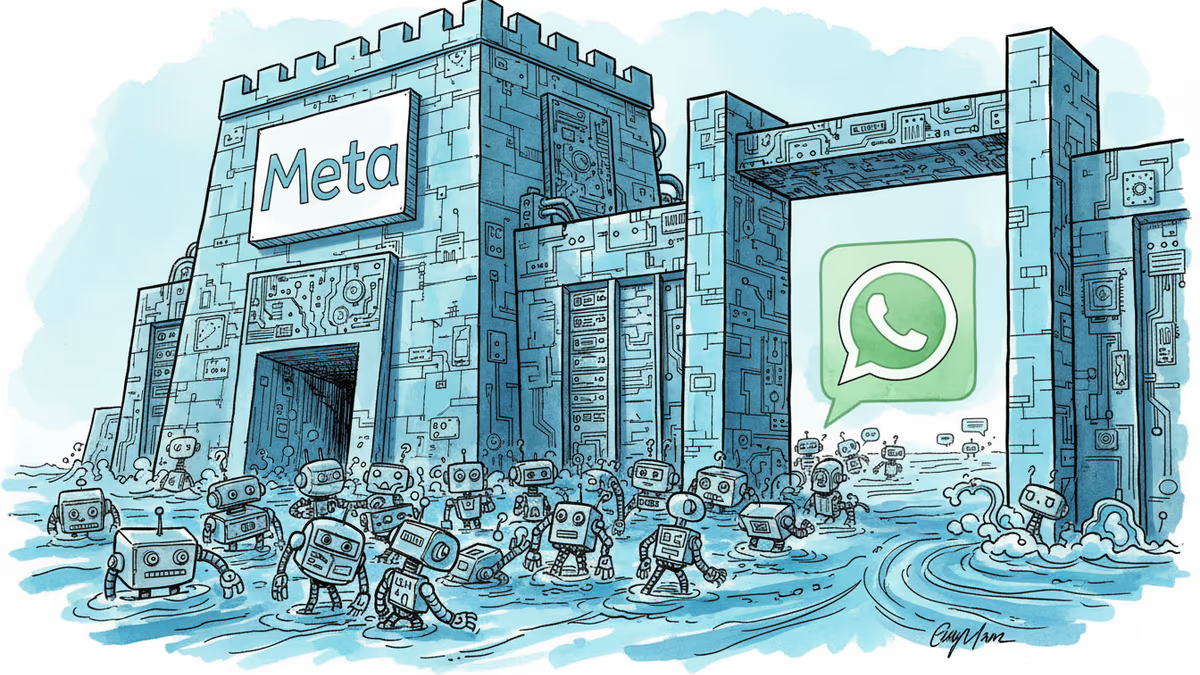
Meta just opened WhatsApp's gates to rival AI chatbots in Brazil—for $0.0625 per message. That's roughly 6 cents every time a user chats with a competitor's AI. After Europe, Brazil becomes the second region where regulators forced Meta's hand. But developers are crying foul over the pricing.
Brazil's antitrust regulator CADE ruled on March 5th that Meta's policy to block third-party AI chatbots constituted anti-competitive behavior. Meta appealed and lost. Starting March 11th, rival AI companies can access WhatsApp through the WhatsApp Business API—if they're willing to pay Meta's toll.
The Developer Dilemma: "It's Too Expensive to Compete"
Here's the math that's bothering developers: 6 cents per non-template message. A user having 100 AI conversations costs $6.25. Scale that to thousands of daily users, and the bills pile up fast.
Zapia, the company that filed the original complaint with CADE, welcomed the decision publicly. But privately, developers tell TechCrunch they're hesitant to resume services. The pricing structure makes it difficult to offer competitive rates to end users.

Meta's defense? The WhatsApp Business API "wasn't designed for AI chatbots" and they "strain the system." Critics counter that this is convenient reasoning from a company pushing its own Meta AI chatbot on the same platform—for free.
The Platform Power Play
This isn't just about messaging apps. It's about who controls the digital infrastructure billions rely on daily. When a platform reaches WhatsApp's scale—2 billion users globally—every policy decision becomes a market-shaping force.
Consider the precedent: If Meta can charge competitors for access while offering its own services for free, what stops other platform giants from similar moves? Google could charge rival search engines for Android integration. Apple could levy fees on competing app stores.
The regulatory response varies by region. Europe's Digital Markets Act takes a harder line on platform neutrality. The US remains more hands-off. Brazil is carving its own path, somewhere between the two approaches.
Authors
Related Articles

Samsung and SK unveiled a chip and AI investment package worth thousands of trillions of won on June 29. The headline number swings wildly by outlet, but the real contest isn't capital — it's water and power.

Viral videos show 2026 graduates jeering executives who praise AI at commencement ceremonies. It's not just rudeness — it's a signal about who pays for technological optimism.
A law firm marketing itself on AI-powered legal success submitted fake citations in a federal appeal. Now its lawyers face sanctions — and the broader AI legal industry faces a credibility crisis.

Filipino virtual assistants using AI to ghost-manage LinkedIn profiles for executives is now a structured industry. 30 comments a day, fake engagement rings, and a platform struggling to tell real from fabricated.
Samsung and SK unveiled a chip and AI investment package worth thousands of trillions of won on June 29. The headline number swings wildly by outlet, but the real contest isn't capital — it's water and power.
Viral videos show 2026 graduates jeering executives who praise AI at commencement ceremonies. It's not just rudeness — it's a signal about who pays for technological optimism.
A law firm marketing itself on AI-powered legal success submitted fake citations in a federal appeal. Now its lawyers face sanctions — and the broader AI legal industry faces a credibility crisis.
Filipino virtual assistants using AI to ghost-manage LinkedIn profiles for executives is now a structured industry. 30 comments a day, fake engagement rings, and a platform struggling to tell real from fabricated.
Thoughts
Share your thoughts on this article
Sign in to join the conversation