
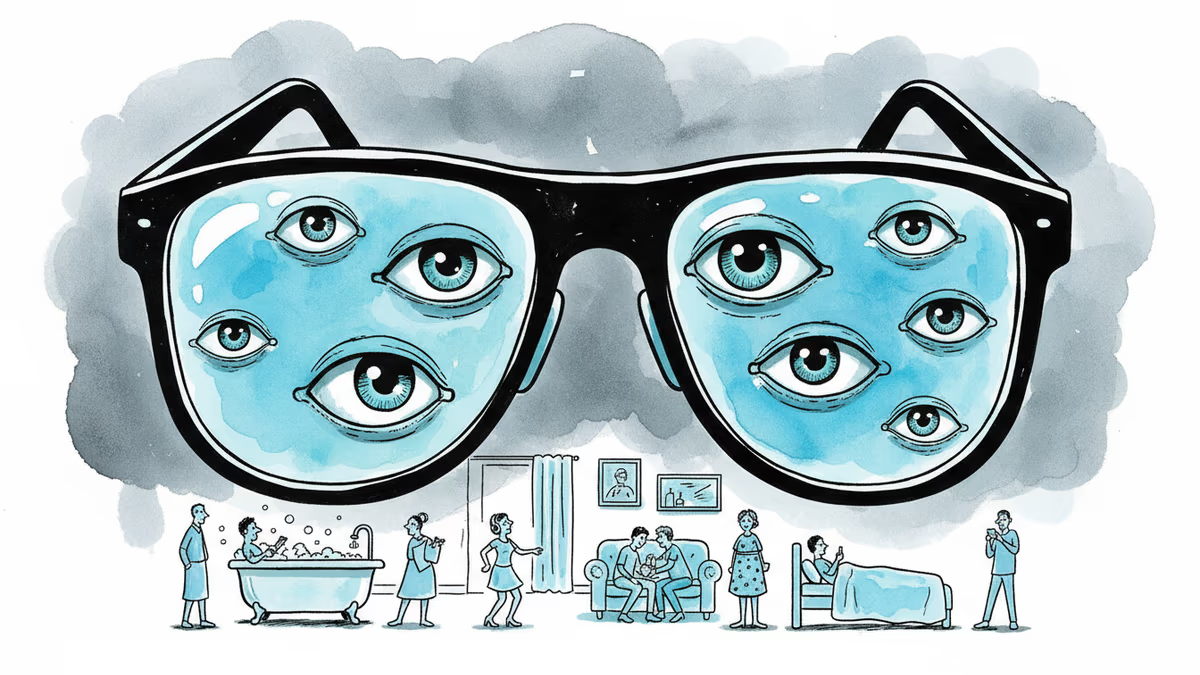
Your Eyes Are Not Your Own
Meta faces lawsuit after investigation reveals AI glasses footage, including intimate moments, is being reviewed by overseas contractors despite privacy promises. The hidden cost of wearable AI surveillance.
Seven Million People Thought They Were Watching the World
Turns out, the world was watching them back.
In 2025, seven million people bought Meta's AI smart glasses, believing the company's promise: "designed for privacy, controlled by you." What they got instead was a direct pipeline to contractors in Kenya who've been reviewing their footage—including people using toilets, having sex, and other deeply intimate moments.
This isn't a glitch. It's a feature that Meta never properly disclosed, and now it's facing a class-action lawsuit in the U.S. while the U.K.'s Information Commissioner's Office launches an investigation. The question isn't just about Meta anymore—it's about whether "smart" devices can ever truly be private.
The Marketing vs. The Reality
Gina Bartone from New Jersey and Mateo Canu from California believed Meta's ads. Who wouldn't? The marketing was crystal clear: "built for your privacy," "you're in control of your data," "added layer of security." Nowhere did they see a disclaimer saying "overseas workers may watch your most private moments."
The Clarkson Law Firm, which has taken on Apple, Google, and OpenAI before, is now representing them. They're alleging Meta and manufacturing partner Luxottica violated consumer protection laws through false advertising. The firm points to a crucial detail: users can't opt out of having their footage reviewed.

Meta claimed it was blurring faces in the footage, but sources disputed that this blurring worked consistently. Even if it did, is a blurred face enough protection when someone's watching you in your most vulnerable moments?
Everyone Has Their Story
Meta's response? They say human review is "explained in our privacy policy" and point to their terms of service. But here's the problem: the BBC found mentions of human review only in Meta's U.K. AI terms, not prominently displayed where users would expect to find it.
The U.S. policy does state that "Meta will review your interactions with AIs" and this "may be automated or manual (human)," but buried in legal text isn't exactly transparent disclosure.
Meanwhile, developers are fighting back with technology. One published an app that can detect when smart glasses are nearby—a digital early warning system for the age of "luxury surveillance."
The Bigger Picture: When Convenience Costs Privacy
This lawsuit represents something larger than Meta's glasses. We're living through the rise of always-on AI devices: smart glasses, AI pendants that constantly listen, wearables that track everything. Each promises to make life easier while quietly expanding the surveillance apparatus around us.
The scale is staggering. Seven million people means seven million data streams flowing into review pipelines. Seven million sets of eyes that aren't just seeing—they're being seen. And this is just one product from one company.
What happens when every major tech company launches their own version? When smart contact lenses arrive? When AI becomes so embedded in our daily tools that opting out means opting out of modern life entirely?
Authors
Related Articles
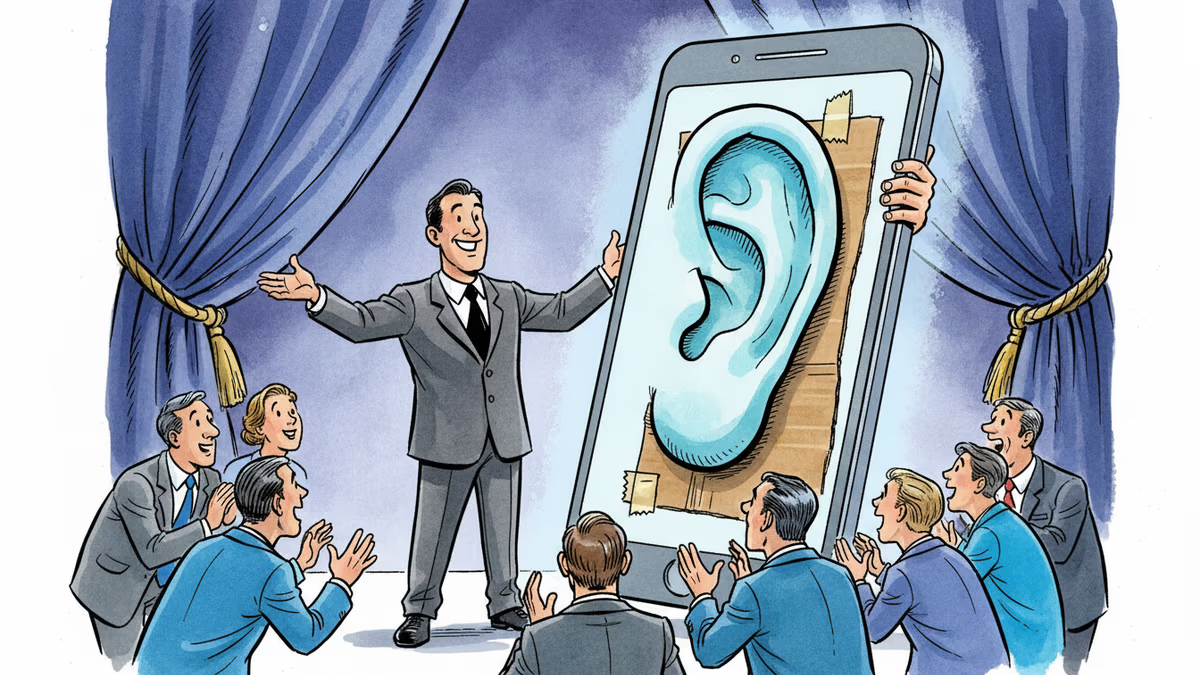
The FTC fined Cox Media and two ad firms $930,000 — not for actually eavesdropping on users, but for falsely claiming they could. The case raises uncomfortable questions about surveillance capitalism.
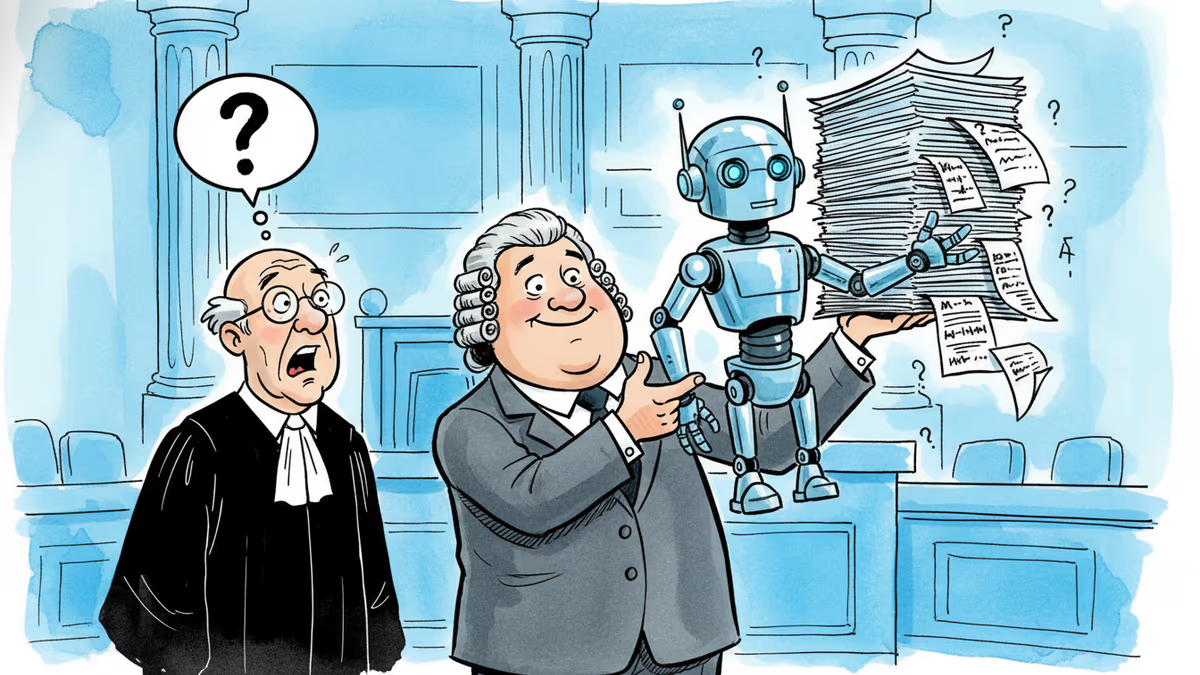
A law firm marketing itself on AI-powered legal success submitted fake citations in a federal appeal. Now its lawyers face sanctions — and the broader AI legal industry faces a credibility crisis.
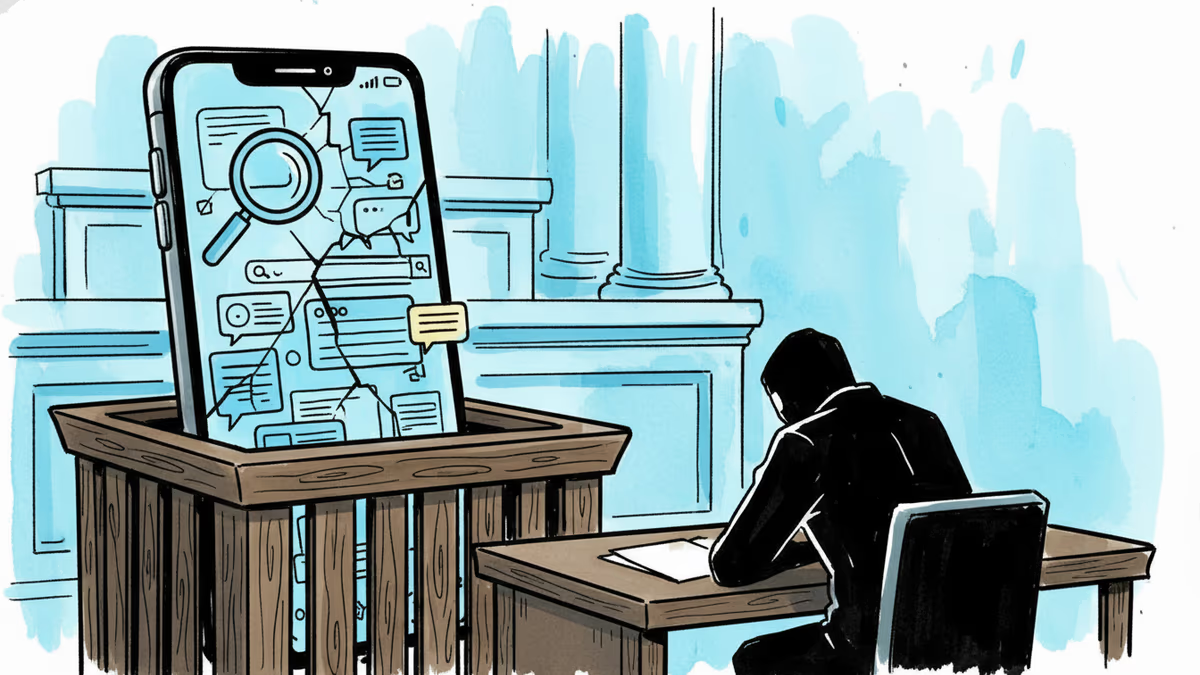
A Utah woman was sentenced to life in prison partly because of her Google searches and deleted texts. The Kouri Richins case reveals how digital footprints have become the courtroom's most reliable witness.
After 15 years of fragmented mobile messaging, Apple and Google are rolling out end-to-end encrypted RCS messaging between iPhones and Android devices. Here's what changed, why it took so long, and what it means for your privacy.
The FTC fined Cox Media and two ad firms $930,000 — not for actually eavesdropping on users, but for falsely claiming they could. The case raises uncomfortable questions about surveillance capitalism.
A law firm marketing itself on AI-powered legal success submitted fake citations in a federal appeal. Now its lawyers face sanctions — and the broader AI legal industry faces a credibility crisis.
A Utah woman was sentenced to life in prison partly because of her Google searches and deleted texts. The Kouri Richins case reveals how digital footprints have become the courtroom's most reliable witness.
After 15 years of fragmented mobile messaging, Apple and Google are rolling out end-to-end encrypted RCS messaging between iPhones and Android devices. Here's what changed, why it took so long, and what it means for your privacy.
Thoughts
Share your thoughts on this article
Sign in to join the conversation