
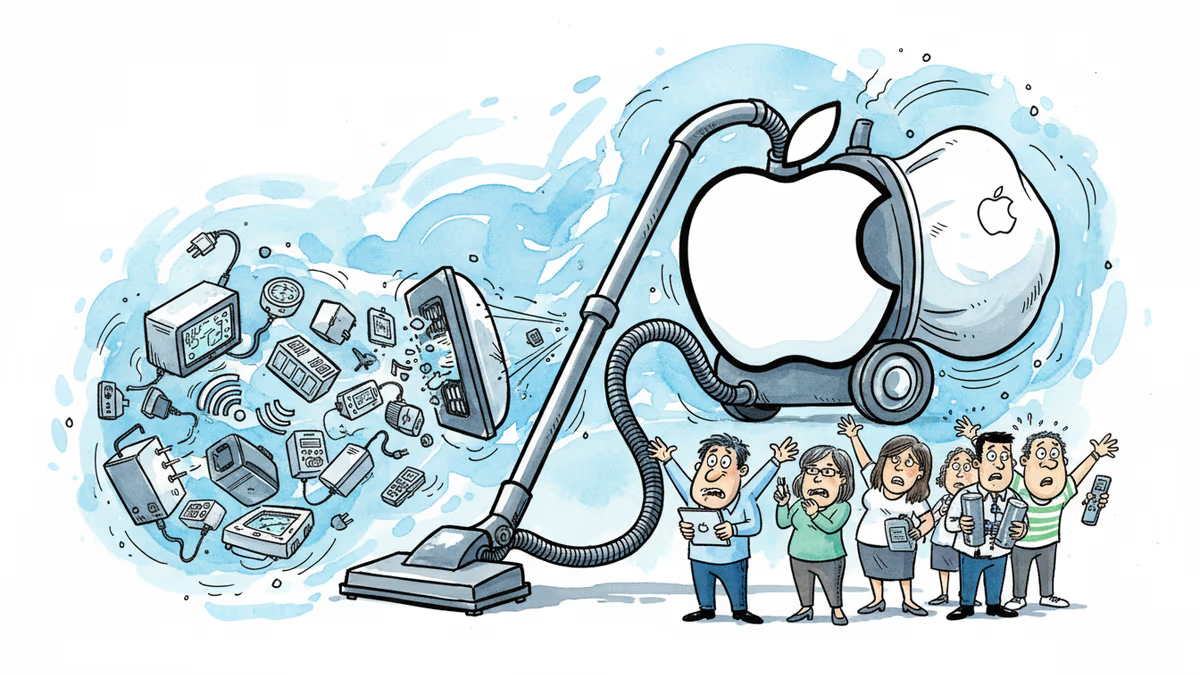
Apple Just Killed Your Old Smart Home Setup
Apple has ended support for the old HomeKit architecture, forcing users to upgrade or lose control of their smart home devices entirely.
Remember that "upgrade" button you casually tapped two years ago and promptly forgot about? Today, Apple made that choice mandatory for everyone else. The company has officially killed support for its old HomeKit architecture, leaving users who didn't upgrade unable to control their smart home devices.
The End of an Era
Apple announced its "new Home architecture" back in 2022, promising better performance, reliability, and support for more accessories. But the rollout was rocky—iOS 16.2 users experienced sluggish devices and connectivity issues, forcing Apple to pause and re-release the update with iOS 16.4.
Now, nearly two years later, Apple has pulled the plug entirely. The old Home app and HomeKit architecture are no longer supported. If you're still on an older iOS or macOS version, your smart lights, locks, and thermostats just became very expensive paperweights.
The Upgrade-or-Die Dilemma
This move affects two distinct groups: those who deliberately avoided the upgrade due to early bugs, and those who simply forgot it existed. The former group feels vindicated—their caution was justified given the initial problems. The latter group is scrambling to figure out why their home automation suddenly stopped working.
Reddit forums are flooded with confused users. "My 3-year-old iPad can't turn on lights anymore," one user complained. "Apparently I needed to upgrade something I didn't even know existed."

But here's the thing: if you're reading this on a modern device and your Home app works fine, you're already on the new architecture. Apple's been quietly migrating users for months.
What This Really Means
This isn't just about forcing upgrades—it's about Apple's broader smart home strategy. The new architecture brings three key advantages:
Matter standard support: The updated system plays much nicer with non-Apple devices. Your Philips Hue lights and Nest thermostats now integrate more seamlessly.
Performance improvements: The old system buckled under the weight of multiple devices. Users with 20+ accessories reported significant lag times. The new architecture handles larger setups with ease.
AI integration prep: This sets the stage for deeper Siri integration and machine learning-powered automation. Your home will actually learn your patterns instead of just following rigid schedules.
The Broader Implications
Apple's decision reflects a growing trend in tech: the gradual elimination of legacy support. Google did something similar with older Android versions, and Microsoft regularly sunsets Windows features.
But smart homes are different. These aren't just apps or software features—they're physical devices that people expect to work for years. When Apple cuts support, it's not just inconvenient; it can literally lock you out of your own home if your smart locks stop responding.
Authors
Related Articles
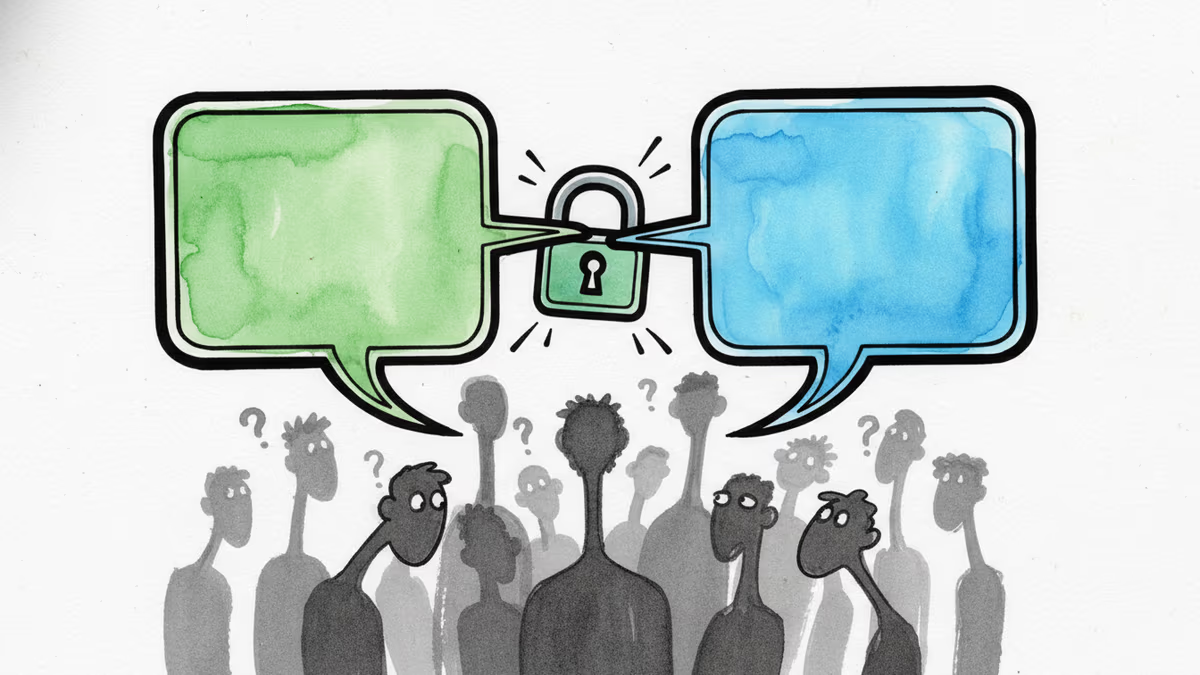
After 15 years of fragmented mobile messaging, Apple and Google are rolling out end-to-end encrypted RCS messaging between iPhones and Android devices. Here's what changed, why it took so long, and what it means for your privacy.
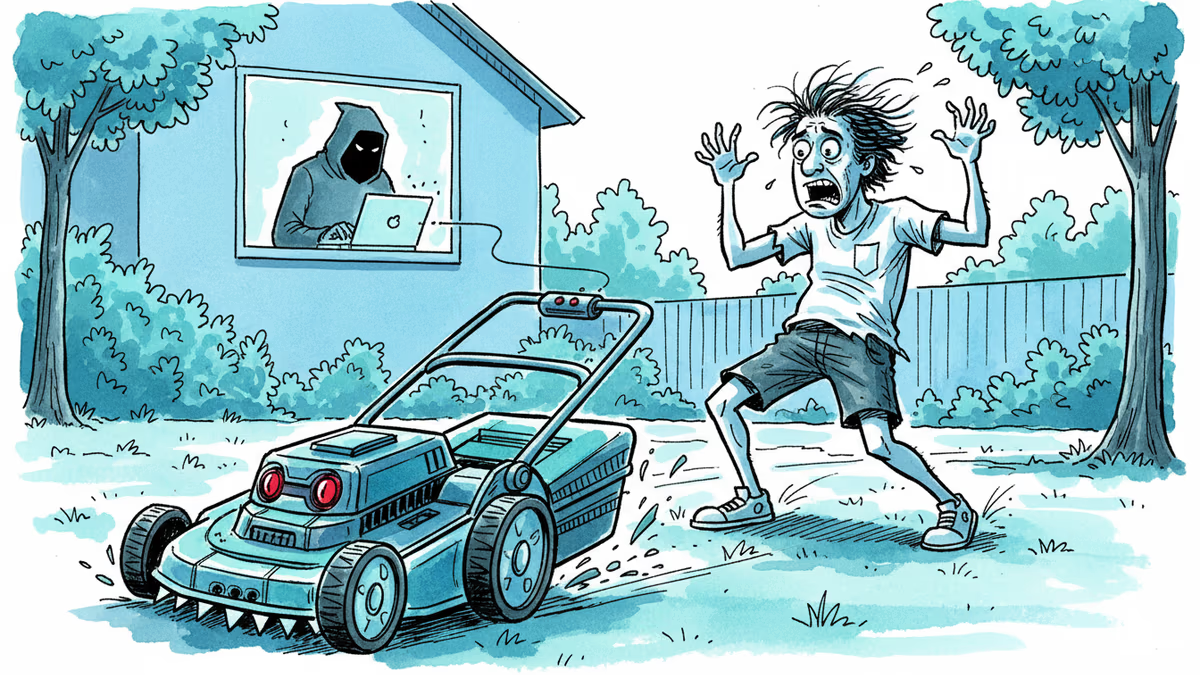
Yarbo's robot lawn mowers had critical security flaws exposing GPS, Wi-Fi passwords, and emails. The company confirmed the findings and cut remote access. But the real issue runs deeper than one brand.
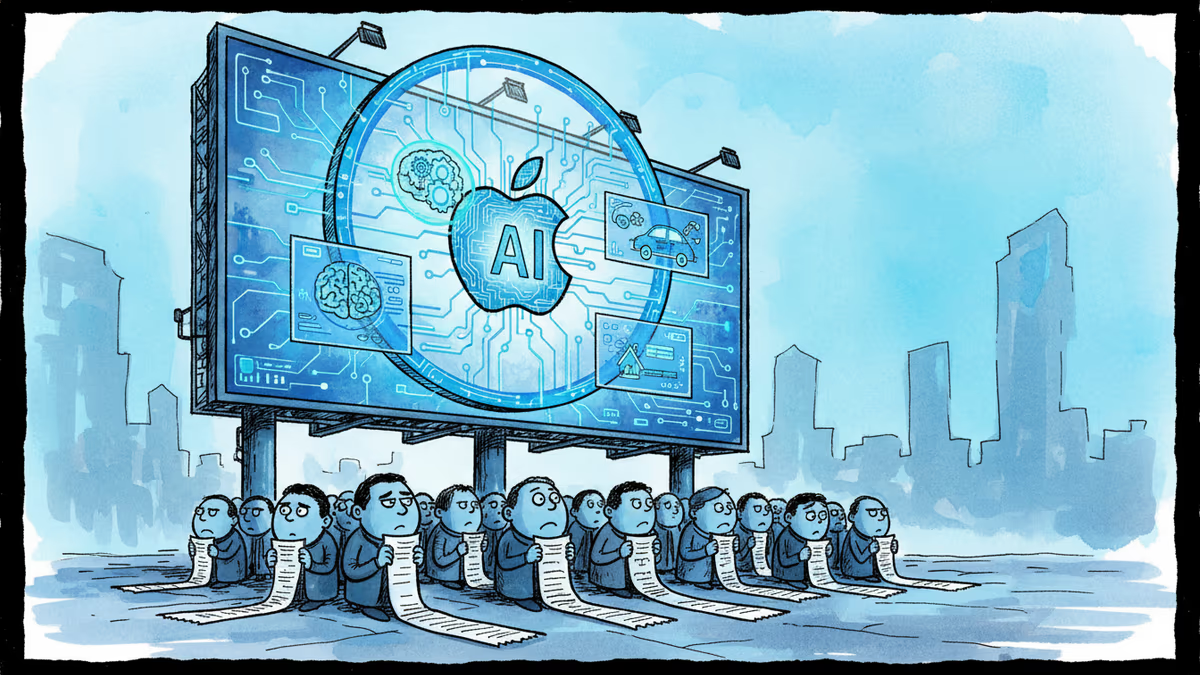
Apple agreed to pay $250 million to settle claims it misled iPhone 16 buyers about Apple Intelligence features. What this means for consumers, Big Tech marketing, and the AI industry.
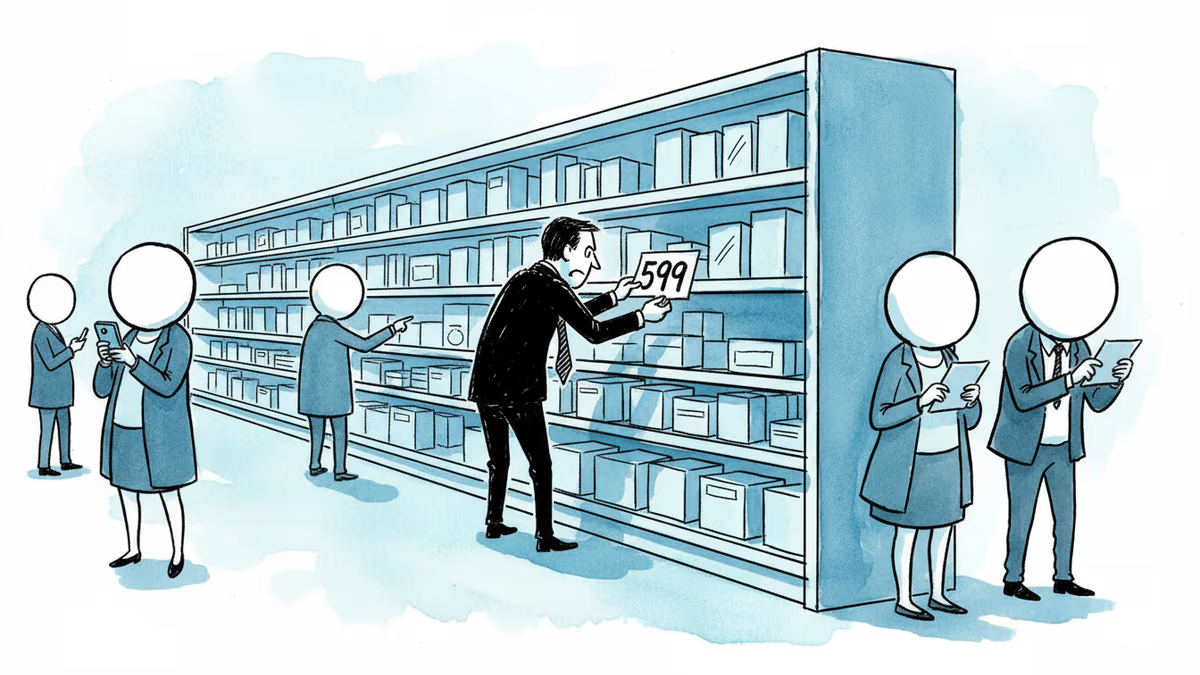
Apple quietly removed the entry-level $599 Mac Mini, raising the starting price to $799 — just one day after Tim Cook warned of chip supply constraints on the earnings call.
After 15 years of fragmented mobile messaging, Apple and Google are rolling out end-to-end encrypted RCS messaging between iPhones and Android devices. Here's what changed, why it took so long, and what it means for your privacy.
Yarbo's robot lawn mowers had critical security flaws exposing GPS, Wi-Fi passwords, and emails. The company confirmed the findings and cut remote access. But the real issue runs deeper than one brand.
Apple agreed to pay $250 million to settle claims it misled iPhone 16 buyers about Apple Intelligence features. What this means for consumers, Big Tech marketing, and the AI industry.
Apple quietly removed the entry-level $599 Mac Mini, raising the starting price to $799 — just one day after Tim Cook warned of chip supply constraints on the earnings call.
Thoughts
Share your thoughts on this article
Sign in to join the conversation