
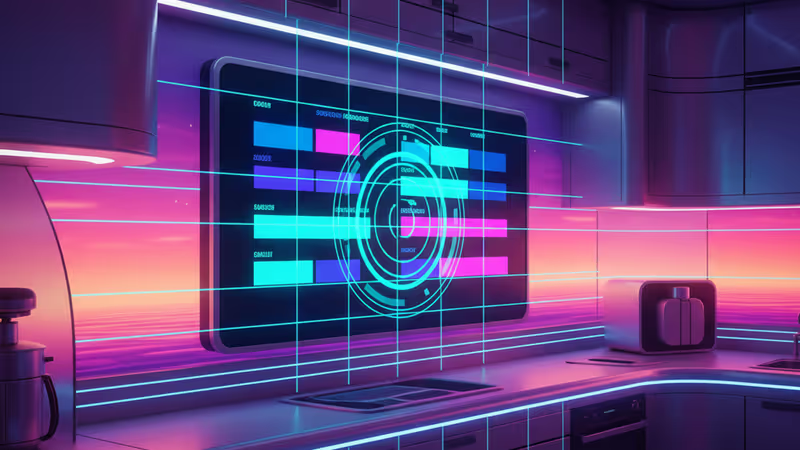
Skylight Calendar 2 CES 2026 Debut: AI Meets Family Organization
Unveiled at CES 2026, the Skylight Calendar 2 uses AI to digitize paper flyers and manage family meals. Discover how this smart hub organizes 1.3M+ families.
Your fridge magnets are officially obsolete. Skylight just dropped the Skylight Calendar 2 at CES 2026, transforming the messy reality of family life into a streamlined digital experience. What started as a simple photo frame company is now a software powerhouse serving over 1.3 million families.
The Evolution of Skylight Calendar 2 Design
The new model bridges the gap between the original 15-inch display and the massive 27-inch Calendar Max. It's sleeker, more customizable with swappable frames, and designed to blend into home decor. But the hardware is just a vessel for the sophisticated software that aggregates schedules from Google Calendar, iCal, and even specialized apps like TeamSnap.

AI That Reads Your Paper Scraps
The standout feature is the new AI integration. Parents can snap a photo of a school flyer or a paper schedule, and the AI automatically extracts dates to update the shared calendar. Meal planning also gets a boost; by photographing the contents of your fridge, the device suggests recipes and can automatically sync missing ingredients to your Instacart app. It's a pragmatic use of AI that solves real-world household friction.
Authors
Related Articles
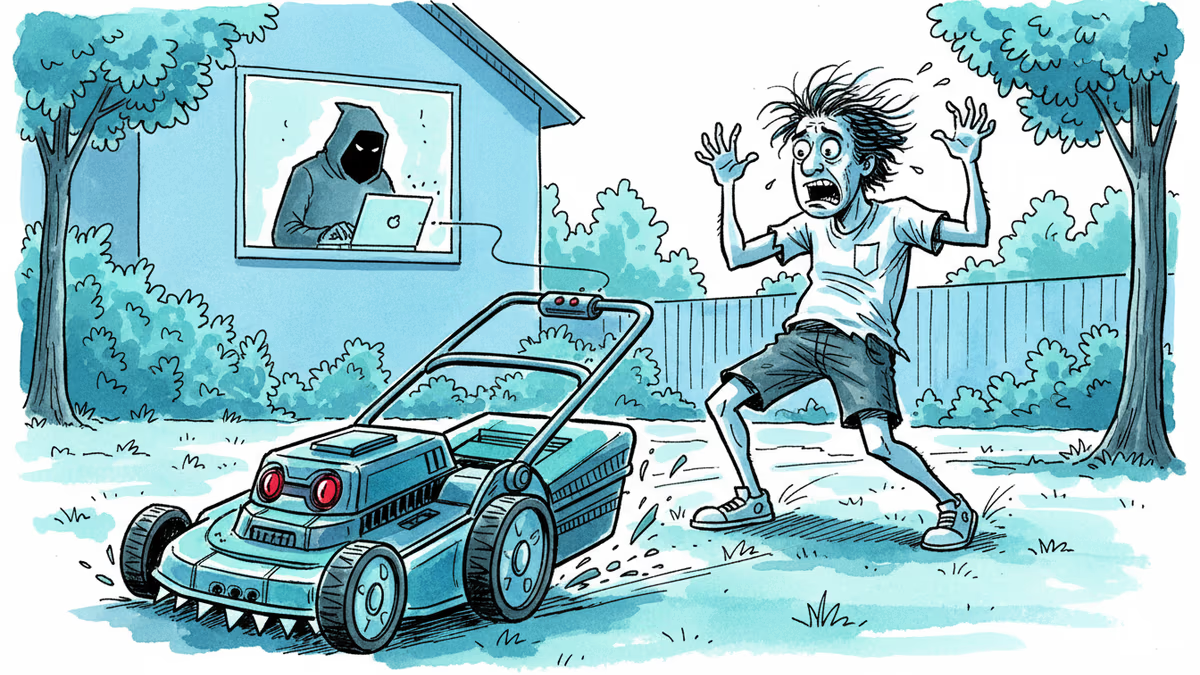
Yarbo's robot lawn mowers had critical security flaws exposing GPS, Wi-Fi passwords, and emails. The company confirmed the findings and cut remote access. But the real issue runs deeper than one brand.
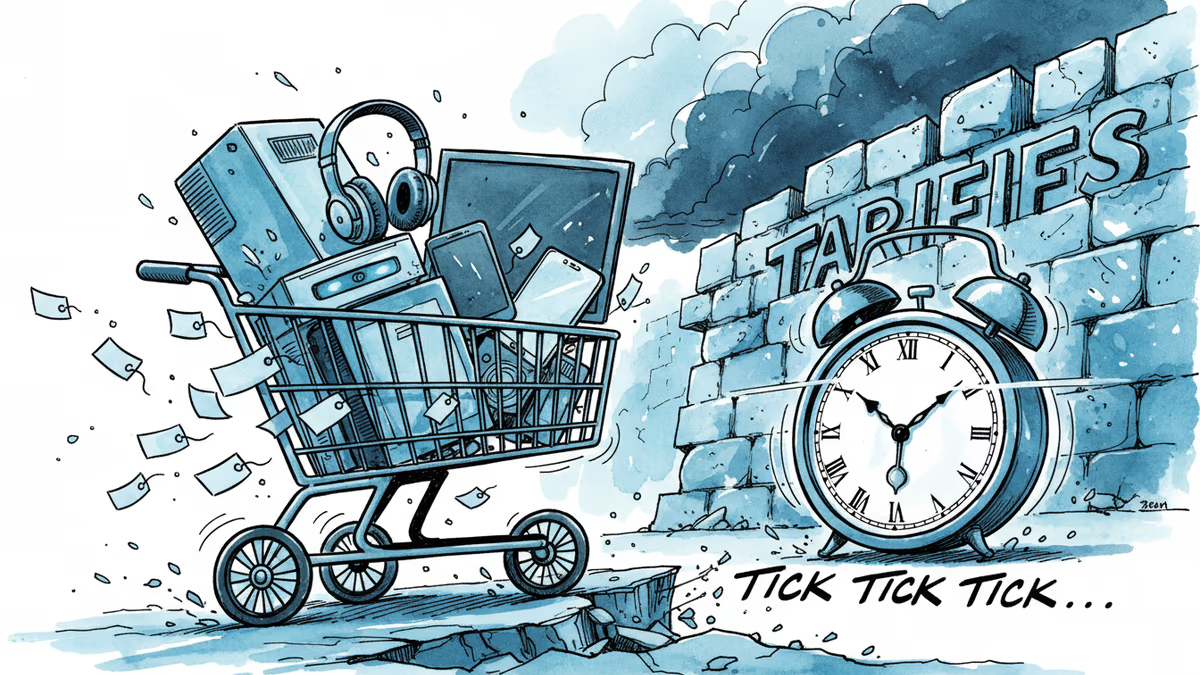
Amazon's Big Spring Sale runs through March 31st with record-low prices on robot vacuums, headphones, and smart home gear — but the real story is why it's happening now.
Apple's HomePad smart display has been delayed again—now targeting fall 2026—because its AI-upgraded Siri still isn't ready. What does that tell us about where the smart home industry is heading?
Google Home introduces Live Search feature enabling real-time camera analysis. Smart home convenience meets privacy concerns as AI monitors daily life 24/7
Yarbo's robot lawn mowers had critical security flaws exposing GPS, Wi-Fi passwords, and emails. The company confirmed the findings and cut remote access. But the real issue runs deeper than one brand.
Amazon's Big Spring Sale runs through March 31st with record-low prices on robot vacuums, headphones, and smart home gear — but the real story is why it's happening now.
Apple's HomePad smart display has been delayed again—now targeting fall 2026—because its AI-upgraded Siri still isn't ready. What does that tell us about where the smart home industry is heading?
Google Home introduces Live Search feature enabling real-time camera analysis. Smart home convenience meets privacy concerns as AI monitors daily life 24/7
Thoughts
Share your thoughts on this article
Sign in to join the conversation