
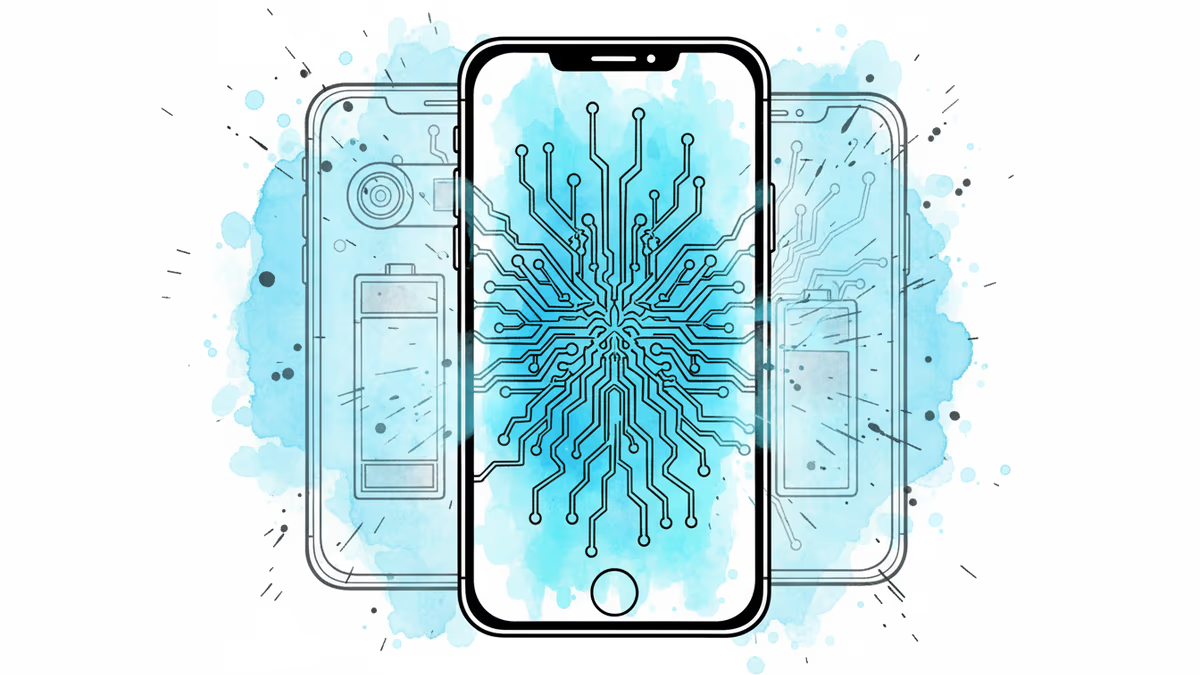
Samsung's Galaxy S26 Bets on Software Over Specs
Galaxy S26 series launches February 25th with minimal hardware upgrades. Samsung's shift from hardware innovation to AI software could reshape smartphone market expectations.
From 4000mAh to 4300mAh: Is That Really It?
Samsung's Galaxy S26 series arrives February 25th, but don't expect the hardware fireworks of previous years. According to extensive leaks from WinFuture, the most significant upgrade you'll get is a battery bump from 4000mAh to 4300mAh on the standard S26 model.
That's welcome news for the dwindling tribe of small phone enthusiasts, but hardly the stuff of upgrade fever. All three models will still lack built-in Qi2 magnets, continuing Samsung's puzzling resistance to the magnetic charging standard that's becoming increasingly popular.
The Software-First Gamble
This isn't just about Samsung playing it safe—it's a fundamental shift in strategy. The company is betting that consumers care more about what their phones can do than what's inside them. With smartphone hardware hitting performance plateaus that most users will never reach, the real battleground has moved to AI capabilities and user experience.

Apple made a similar calculation with the iPhone 16, focusing on Apple Intelligence over raw specs. But there's a crucial difference: Apple controls both hardware and software completely, while Samsung still depends on Google's Android ecosystem for many core features.
Market Reality Check
Consumers are holding onto phones longer than ever—the average replacement cycle now exceeds 3 years. When your current phone handles everything you throw at it, why upgrade for marginal improvements?
Carriers face a different challenge. Without compelling hardware upgrades to drive trade-ins, they'll need to find new ways to justify premium pricing and contract renewals. Software features don't photograph as well as camera bumps.
Investors are watching Samsung's margins carefully. If the company can maintain premium pricing while reducing R&D costs on hardware innovation, it could boost profitability significantly. But that's a big 'if' in an increasingly competitive market.
Authors
Related Articles

Samsung and SK unveiled a chip and AI investment package worth thousands of trillions of won on June 29. The headline number swings wildly by outlet, but the real contest isn't capital — it's water and power.
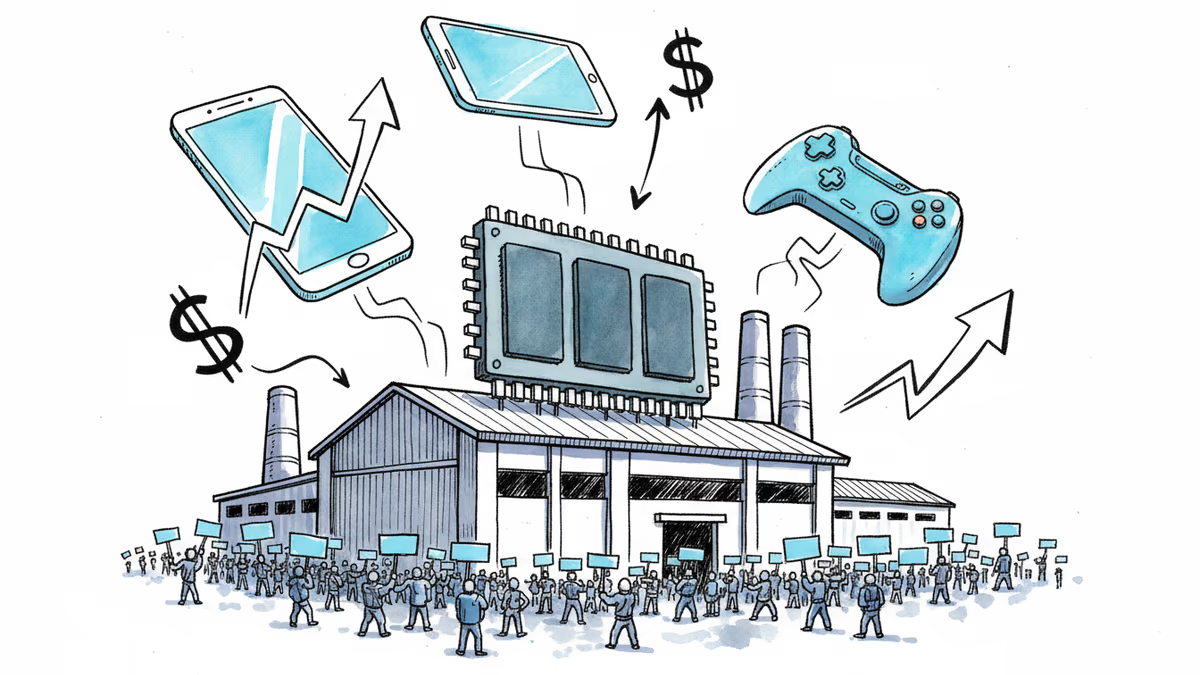
40,000 Samsung union workers rallied at its Pyeongtaek chip plant, threatening an 18-day strike over wages. With AI-driven RAM shortages already lifting consumer prices, the timing couldn't be worse.

Memory makers can't build fabs fast enough. By end of 2027, supply will cover just 60% of demand. Here's why the shortage could last until 2030—and what it means for AI, your devices, and the chip industry.

Samsung's Galaxy S26 now supports AirDrop through Quick Share, making cross-platform file sharing seamless. What does it mean when Android starts dismantling one of Apple's most beloved moats?
Samsung and SK unveiled a chip and AI investment package worth thousands of trillions of won on June 29. The headline number swings wildly by outlet, but the real contest isn't capital — it's water and power.
40,000 Samsung union workers rallied at its Pyeongtaek chip plant, threatening an 18-day strike over wages. With AI-driven RAM shortages already lifting consumer prices, the timing couldn't be worse.
Memory makers can't build fabs fast enough. By end of 2027, supply will cover just 60% of demand. Here's why the shortage could last until 2030—and what it means for AI, your devices, and the chip industry.
Samsung's Galaxy S26 now supports AirDrop through Quick Share, making cross-platform file sharing seamless. What does it mean when Android starts dismantling one of Apple's most beloved moats?
Thoughts
Share your thoughts on this article
Sign in to join the conversation