

Samsung's Harman Bets $1.76B on Automotive Brains with ZF ADAS Acquisition
Samsung's Harman is acquiring ZF's ADAS division for an estimated $1.76 billion, a strategic move to combine digital cockpit tech with advanced driver-assistance systems and become a key player in the future of automotive technology.
Samsung Electronics is making a major move to dominate the future of automotive tech. The company announced Tuesday that its wholly owned subsidiary, Harman, will acquire the Advanced Driver Assistance System (ADAS) division from Germany's ZF Friedrichshafen. The deal, estimated at $1.76 billion, signals a clear intent to build an end-to-end platform for next-generation vehicles.
According to a release from the South Korean tech giant, the acquisition aims to "secure a new growth engine to bolster the automotive business, which has been posting sharp growth." The takeover process is expected to be completed by the end of 2026.
Building an Automotive Powerhouse
Since being acquired by Samsung in 2017, Harman has been on an aggressive growth trajectory. Its sales have more than doubled, jumping from $7 billion in the year of its acquisition to $13.5 billion in 2024. This isn't its only recent purchase; in May, Harman bought Masimo's U.S.-based audio business for $580 million, adding premium brands like Bowers & Wilkins and Denon to its portfolio.

Samsung has set a clear goal for its affiliate: to $20 billion consistent growth and achieve annual sales of $20 billion by the year 2030. This ZF deal is a critical piece of that puzzle.
The Synergy Play: Cockpit Meets ADAS
The strategic logic is all about integration. Harman is a leader in 'digital cockpits'—the complex infotainment and instrument clusters inside modern cars. ZF's ADAS business provides the sensory and safety systems—the eyes and ears of the vehicle.
By combining them, Samsung aims to create a unified solution. "Through the acquisition, we plan to integrate Harman's digital cockpit with the ADAS under a centralized controller structure," the company stated, adding it will "secure the capability to lead rapidly evolving automotive trends."
Authors
Related Articles
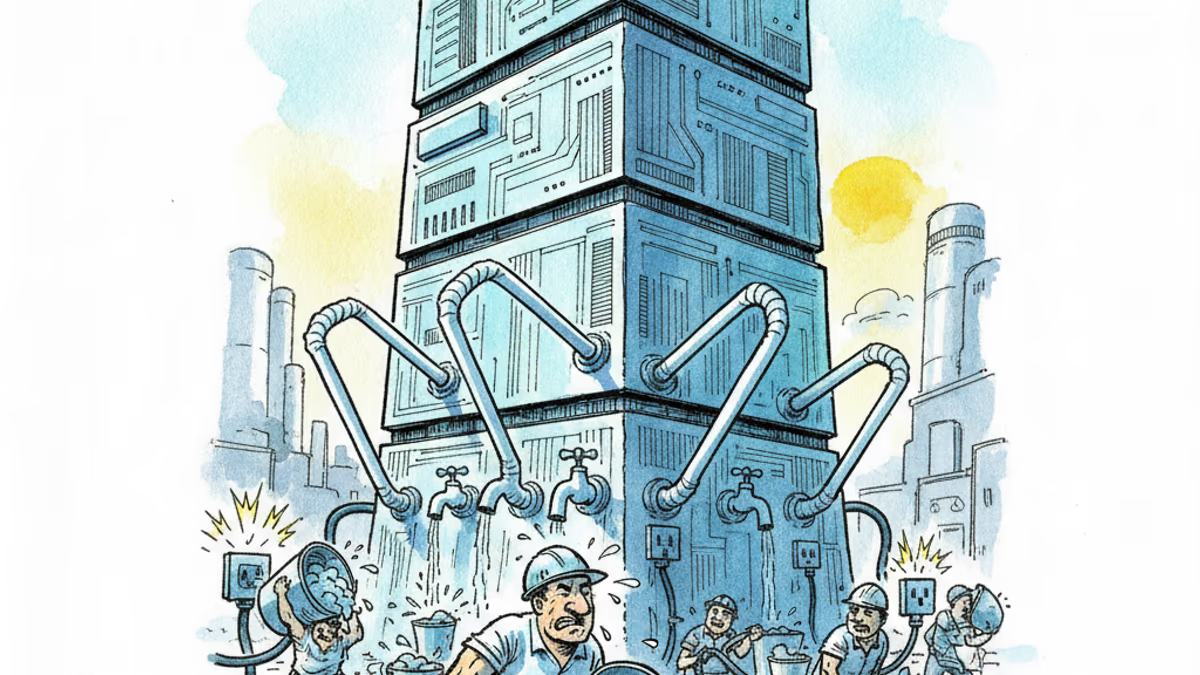
Samsung and SK unveiled a chip and AI investment package worth thousands of trillions of won on June 29. The headline number swings wildly by outlet, but the real contest isn't capital — it's water and power.
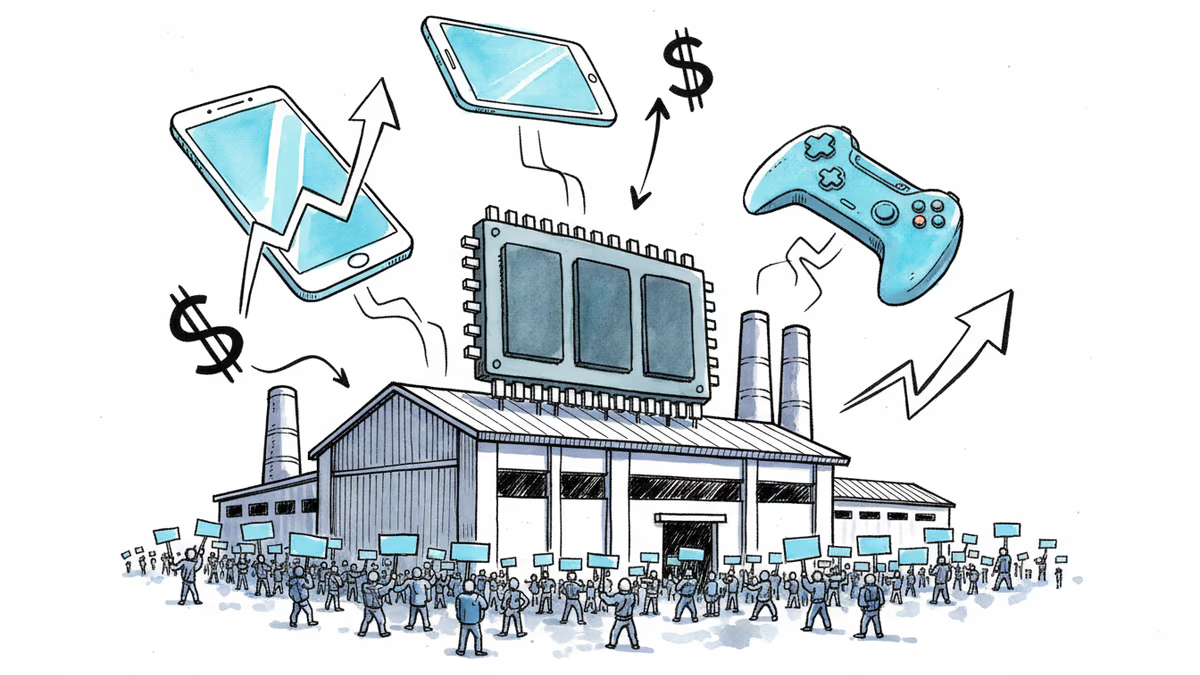
40,000 Samsung union workers rallied at its Pyeongtaek chip plant, threatening an 18-day strike over wages. With AI-driven RAM shortages already lifting consumer prices, the timing couldn't be worse.

Memory makers can't build fabs fast enough. By end of 2027, supply will cover just 60% of demand. Here's why the shortage could last until 2030—and what it means for AI, your devices, and the chip industry.

Samsung's Galaxy S26 now supports AirDrop through Quick Share, making cross-platform file sharing seamless. What does it mean when Android starts dismantling one of Apple's most beloved moats?
Samsung and SK unveiled a chip and AI investment package worth thousands of trillions of won on June 29. The headline number swings wildly by outlet, but the real contest isn't capital — it's water and power.
40,000 Samsung union workers rallied at its Pyeongtaek chip plant, threatening an 18-day strike over wages. With AI-driven RAM shortages already lifting consumer prices, the timing couldn't be worse.
Memory makers can't build fabs fast enough. By end of 2027, supply will cover just 60% of demand. Here's why the shortage could last until 2030—and what it means for AI, your devices, and the chip industry.
Samsung's Galaxy S26 now supports AirDrop through Quick Share, making cross-platform file sharing seamless. What does it mean when Android starts dismantling one of Apple's most beloved moats?
Thoughts
Share your thoughts on this article
Sign in to join the conversation