
Samsung's AI-Generated Ads Look So Real, Nobody Noticed
Samsung is quietly using AI to create social media content, including Galaxy S26 teasers. Most viewers think they're seeing actual product performance.
The 48-Hour Deception Nobody Saw Coming
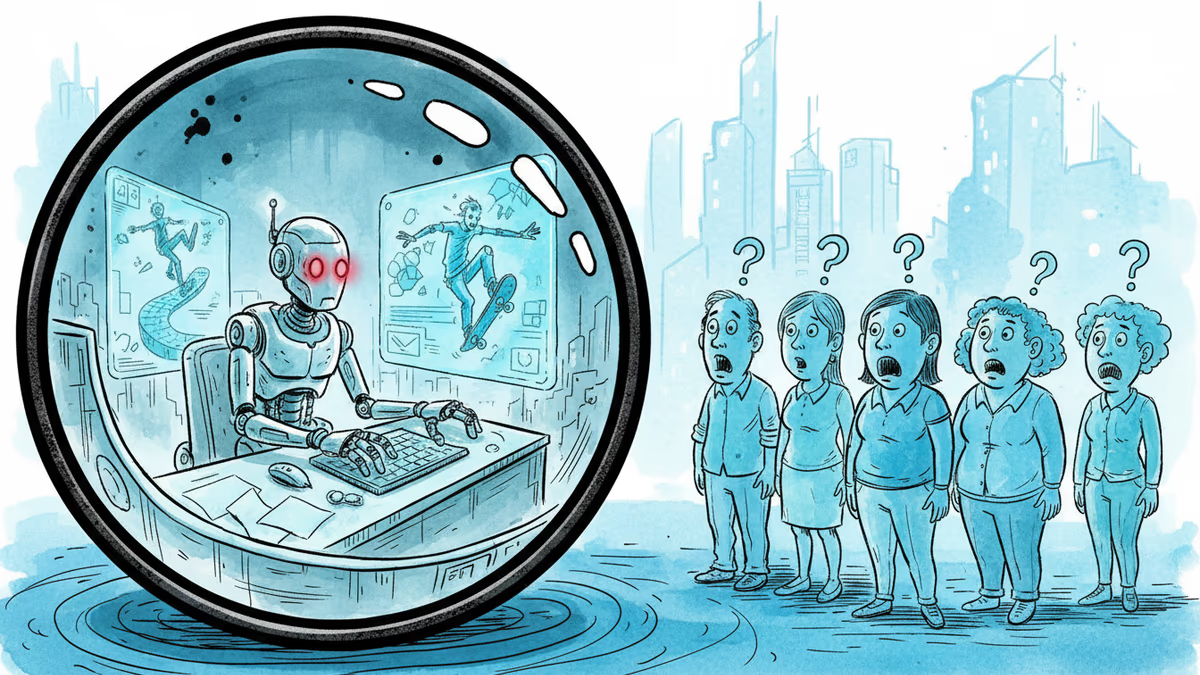
Two skateboarders glide through dimly lit streets, their movements captured in crisp detail despite the darkness. Samsung's "Brighten your after hours" video seemed like the perfect showcase for the upcoming Galaxy S26's low-light capabilities. Except it wasn't real footage at all.
Buried in fine print at the video's end: "generated with AI." Most viewers missed it entirely. And that's exactly the problem The Verge highlighted this week—Samsung has been quietly flooding social media with AI-generated content, from YouTube to Instagram to TikTok, often with disclosure so subtle it might as well be invisible.
The Fine Print Problem
Samsung isn't technically hiding anything. The AI disclosures are there—sometimes flashing briefly at the bottom of videos, sometimes tucked away in descriptions. But "technically compliant" and "genuinely transparent" are two very different things.
Consumer advocacy groups are raising eyebrows. When a video appears to demonstrate actual product performance—like camera quality or display brightness—but was actually created by AI, where's the line between creative marketing and misleading advertising?
The company maintains it follows all relevant guidelines. But as AI-generated content becomes indistinguishable from reality, those guidelines suddenly feel inadequate.

Three Camps, Three Reactions
Marketing professionals see efficiency and innovation. Why spend thousands on location shoots when AI can create the exact scene you need? Especially for a company positioning itself as an AI leader—using AI in marketing feels strategically consistent.
Consumer rights advocates smell trouble. If you're showcasing product capabilities through artificially generated scenarios, how can consumers make informed purchasing decisions? The skateboarding video, for instance, suggests camera performance that might not reflect real-world usage.
Regulators are still catching up. The Federal Trade Commission has guidelines about disclosure, but they were written before AI could create Hollywood-quality content in minutes. Current rules require "clear and prominent" disclosure—but what does that mean when AI generation becomes the norm?
The Domino Effect
Samsung isn't alone in this shift. Apple, Google, and other tech giants are quietly experimenting with AI-generated marketing content. The difference? Most are being more explicit about it, often making AI usage part of the marketing message itself rather than hiding it in fine print.
This creates a competitive dynamic: companies using AI can produce more content faster and cheaper, potentially pressuring others to follow suit or risk being outpaced in content volume.
The skateboarding video might be just the beginning. In a world where AI can generate anything, perhaps the question isn't whether companies will use it—but whether they'll tell us when they do.
Authors
Related Articles
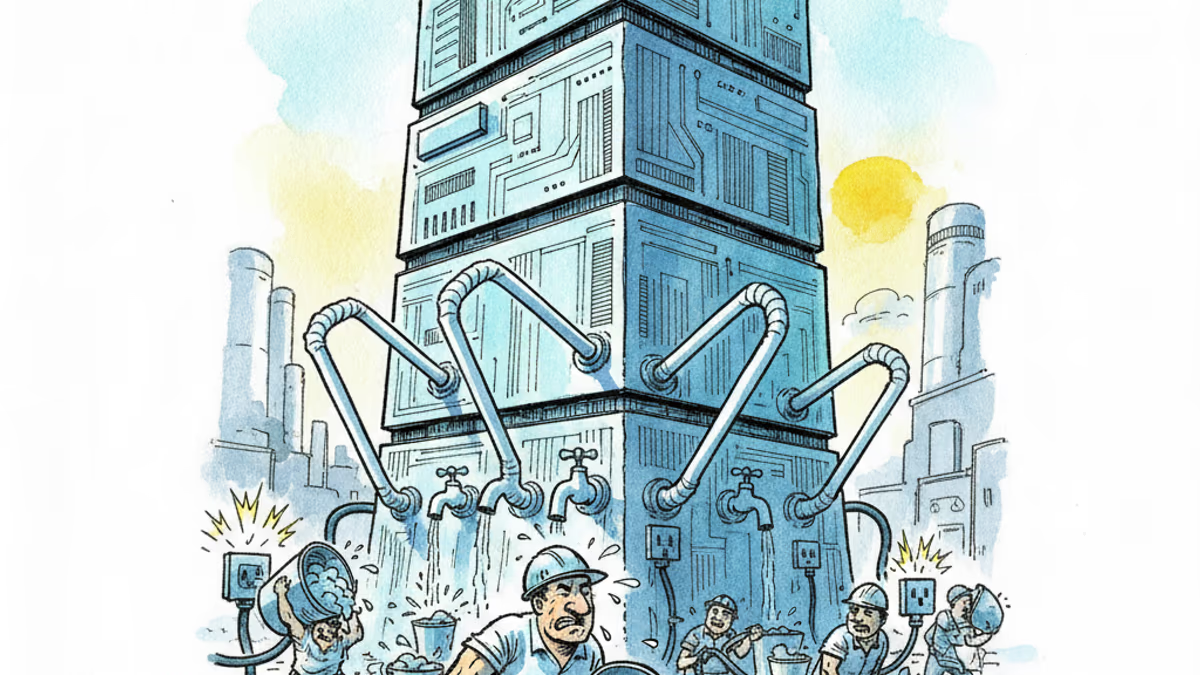
Samsung and SK unveiled a chip and AI investment package worth thousands of trillions of won on June 29. The headline number swings wildly by outlet, but the real contest isn't capital — it's water and power.
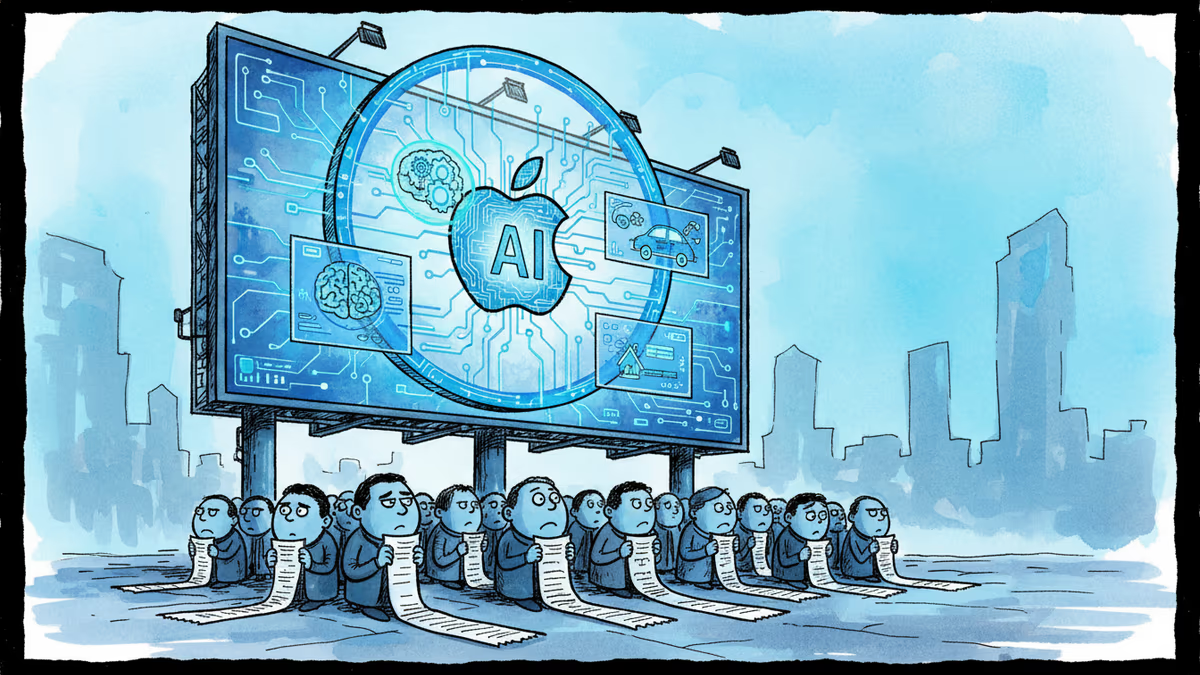
Apple agreed to pay $250 million to settle claims it misled iPhone 16 buyers about Apple Intelligence features. What this means for consumers, Big Tech marketing, and the AI industry.
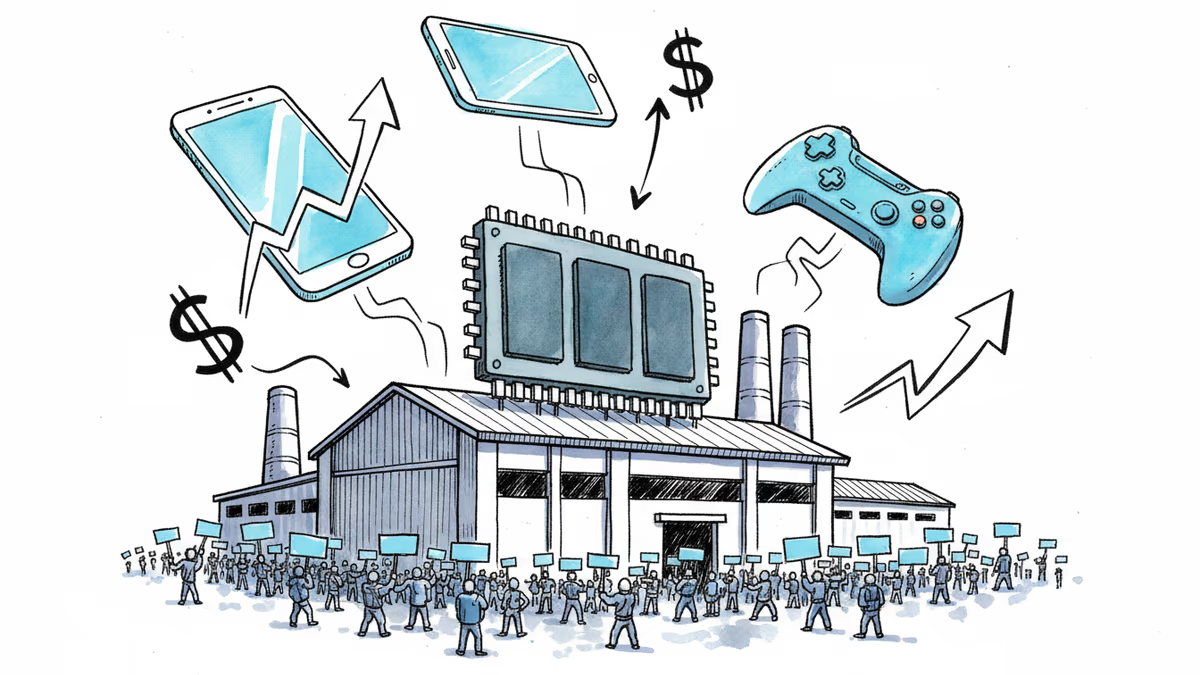
40,000 Samsung union workers rallied at its Pyeongtaek chip plant, threatening an 18-day strike over wages. With AI-driven RAM shortages already lifting consumer prices, the timing couldn't be worse.
Memory makers can't build fabs fast enough. By end of 2027, supply will cover just 60% of demand. Here's why the shortage could last until 2030—and what it means for AI, your devices, and the chip industry.
Samsung and SK unveiled a chip and AI investment package worth thousands of trillions of won on June 29. The headline number swings wildly by outlet, but the real contest isn't capital — it's water and power.
Apple agreed to pay $250 million to settle claims it misled iPhone 16 buyers about Apple Intelligence features. What this means for consumers, Big Tech marketing, and the AI industry.
40,000 Samsung union workers rallied at its Pyeongtaek chip plant, threatening an 18-day strike over wages. With AI-driven RAM shortages already lifting consumer prices, the timing couldn't be worse.
Memory makers can't build fabs fast enough. By end of 2027, supply will cover just 60% of demand. Here's why the shortage could last until 2030—and what it means for AI, your devices, and the chip industry.
Thoughts
Share your thoughts on this article
Sign in to join the conversation