
Samsung's New Phone Screens Go Black When Others Look
Samsung Galaxy S26 introduces built-in privacy display technology that blacks out content when viewed from angles. Analyzing the implications for privacy, competition, and social behavior.
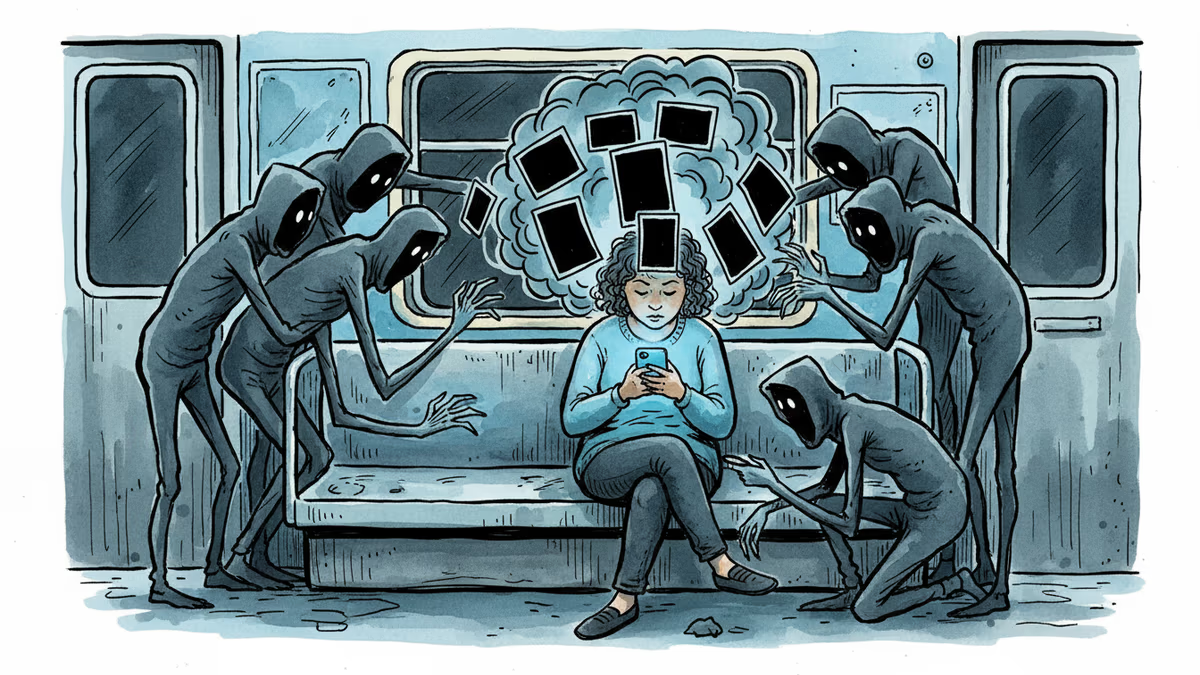
Reading a steamy romance novel on the subway just got less awkward. Samsung's latest ad for the upcoming Galaxy S26 shows exactly how: flip a toggle, and nosy passengers see nothing but black.
The Tech Behind the Blackout
This isn't your typical privacy screen protector. Samsung's "Zero-peeking privacy" feature is built directly into the display hardware, allowing users to selectively black out specific apps or screen areas when viewed from an angle.
Leaked footage suggests the technology works by manipulating liquid crystal molecules in real-time, controlling viewing angles dynamically. Unlike static privacy filters, users can choose what to hide and when—your banking app stays private while your music player remains visible to helpful strangers offering song recommendations.
Samsung Display has reportedly been working on this angle-dependent visibility technology for over two years, filing patents across multiple markets. The timing isn't coincidental—privacy concerns have skyrocketed 340% since 2020, according to consumer surveys.
Privacy Gold Rush
The announcement has triggered a scramble across Silicon Valley. Apple insiders hint at "gaze-tracking privacy features" in development, while Google'sAndroid 15 beta code references "selective screen masking" capabilities.
But hardware is the real battleground. Display manufacturers from LG to BOE Technology are racing to license or develop competing solutions. The global smartphone display market, worth $45 billion annually, could see its first major disruption since OLED adoption.

Privacy accessory makers face an existential question. Companies selling privacy screen protectors—a $2.8 billion market—must pivot or perish. Some are already exploring "enhanced privacy" films that work alongside Samsung's technology.
The Paranoia Economy
Consumer reactions reveal deeper anxieties about digital privacy. Focus groups show 73% of urban commuters worry about shoulder surfing, while remote workers cite "coffee shop anxiety" as a major productivity killer.
Microsoft and Zoom have reported increased demand for "visual privacy" features in their enterprise software. The corporate market sees particular potential—financial advisors, healthcare workers, and lawyers handling sensitive client information represent a $12 billion addressable market.
Yet critics worry about unintended consequences. Child safety advocates question whether the technology could enable harmful behavior, while relationship counselors note potential impacts on family transparency. "Technology that hides can also isolate," warns Dr. Sarah Chen, a digital wellness researcher.
The Competition Heats Up
Samsung's move puts pressure on rivals stuck with software-only solutions. Apple's Screen Time and Google's Digital Wellbeing feel primitive by comparison—they track usage but can't physically hide it.
Chinese manufacturers face a particular challenge. Brands like Xiaomi and OnePlus have built reputations on offering flagship features at lower prices, but hardware-level privacy requires significant R&D investment and patent licensing.
The regulatory landscape adds complexity. European privacy advocates praise the technology, while some US lawmakers question whether it could facilitate illegal activities. China's approach remains unclear, given the government's mixed stance on privacy tools.
Authors
Related Articles
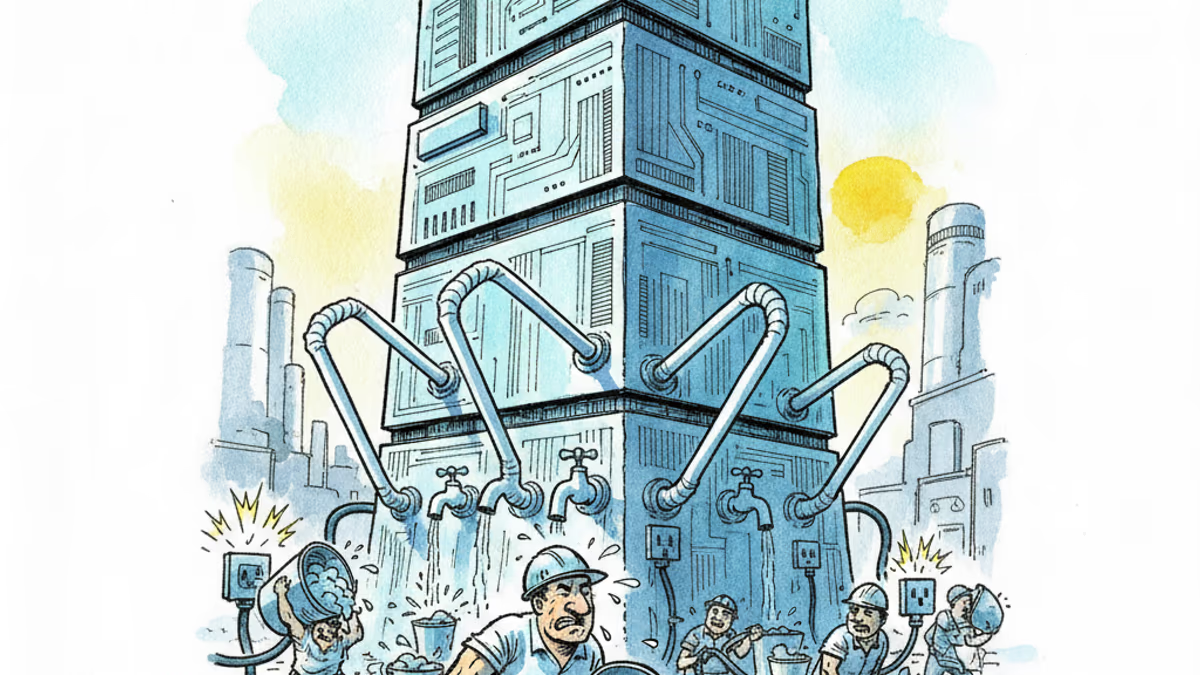
Samsung and SK unveiled a chip and AI investment package worth thousands of trillions of won on June 29. The headline number swings wildly by outlet, but the real contest isn't capital — it's water and power.
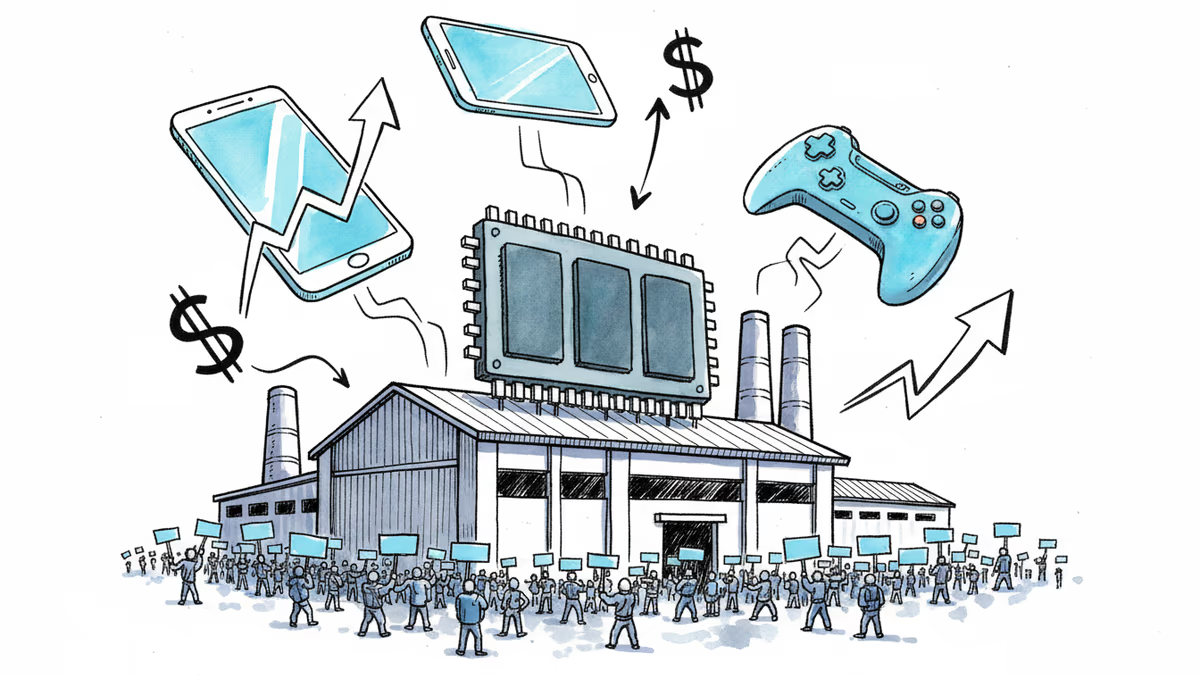
40,000 Samsung union workers rallied at its Pyeongtaek chip plant, threatening an 18-day strike over wages. With AI-driven RAM shortages already lifting consumer prices, the timing couldn't be worse.

Memory makers can't build fabs fast enough. By end of 2027, supply will cover just 60% of demand. Here's why the shortage could last until 2030—and what it means for AI, your devices, and the chip industry.
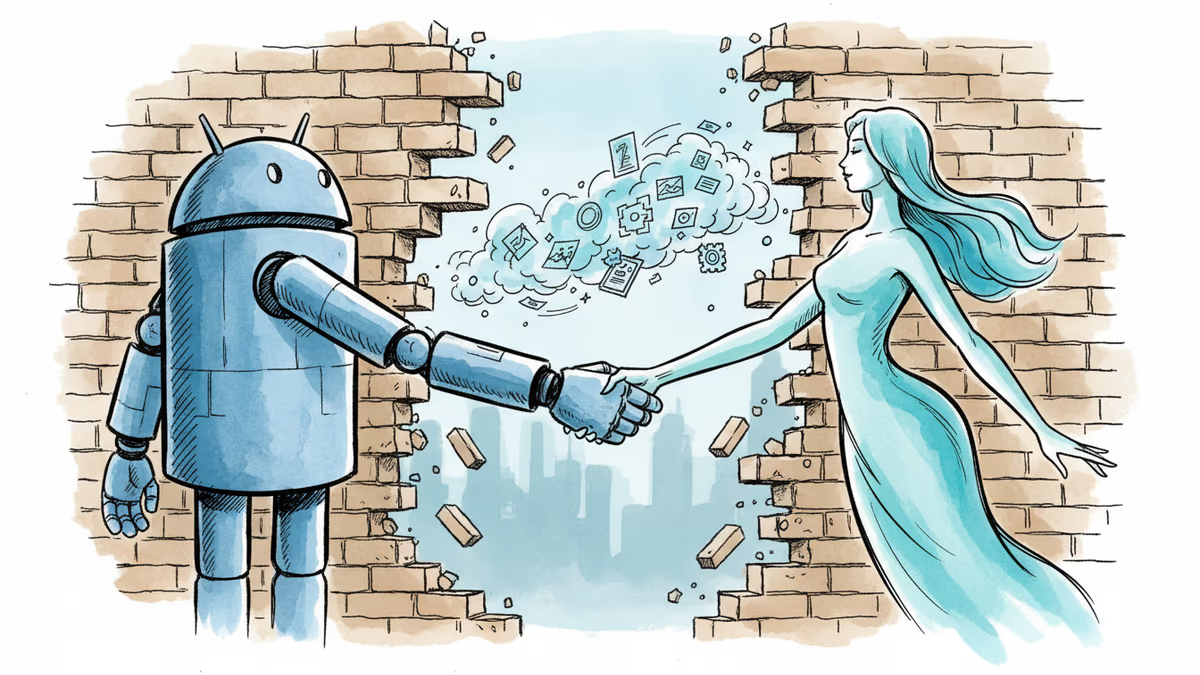
Samsung's Galaxy S26 now supports AirDrop through Quick Share, making cross-platform file sharing seamless. What does it mean when Android starts dismantling one of Apple's most beloved moats?
Samsung and SK unveiled a chip and AI investment package worth thousands of trillions of won on June 29. The headline number swings wildly by outlet, but the real contest isn't capital — it's water and power.
40,000 Samsung union workers rallied at its Pyeongtaek chip plant, threatening an 18-day strike over wages. With AI-driven RAM shortages already lifting consumer prices, the timing couldn't be worse.
Memory makers can't build fabs fast enough. By end of 2027, supply will cover just 60% of demand. Here's why the shortage could last until 2030—and what it means for AI, your devices, and the chip industry.
Samsung's Galaxy S26 now supports AirDrop through Quick Share, making cross-platform file sharing seamless. What does it mean when Android starts dismantling one of Apple's most beloved moats?
Thoughts
Share your thoughts on this article
Sign in to join the conversation