

Samsung's $3K Foldable Sells Out in 10 Minutes Again
The Galaxy Z TriFold vanished in minutes once more. Is it genuine demand or artificial scarcity? What Samsung's $2,900 experiment reveals about premium mobile.
Ten Minutes, Gone Again
Samsung's Galaxy Z TriFold disappeared in 10 minutes flat today. Again. It's become a pattern since the device launched on January 30th, commanding a hefty $2,899.99 price tag.
This raises an obvious question: Is this genuine consumer frenzy, or is Samsung deliberately constraining supply? The answer is probably both. But what's more intriguing is what this phenomenon signals about the smartphone market's evolution.
The TriFold isn't just another phone. It's a 10-inch tablet when fully unfolded, blurring the lines between smartphone, tablet, and laptop. Yet Samsung is treating it like a limited-edition art piece, available only through its own website.
The Premium Paradox
Here's what's fascinating: For $2,900, you get 512GB of storage. Not 1TB. Not even 768GB. Just 512GB. In an era where base-model iPhones offer 128GB for $800, this seems almost insulting.
But Samsung isn't being cheap—it's being strategic. This storage limitation reveals two things about the company's approach.
First, the TriFold is still experimental. Samsung is treating early buyers as beta testers, not mainstream customers. The limited storage suggests the company expects these devices to be used primarily for demonstration and early feedback, not as daily drivers.

Second, it's a price sensitivity test. Samsung wants to understand how much the ultra-premium segment will tolerate before storage becomes a deal-breaker.
The Scarcity Strategy
By selling exclusively through Samsung.com, the company maintains complete control over the narrative. No carrier interference, no retailer markdowns, no competing messaging. It's reminiscent of Apple's early iPhone strategy—create mystique through scarcity.
But there's a risk here. While 10-minute sellouts generate headlines, they also frustrate potential customers. Samsung is walking a tightrope between building desire and alienating buyers.
The limited availability also means Samsung can't gather meaningful market data about mainstream adoption. These early buyers represent the bleeding edge—wealthy tech enthusiasts who'll buy almost anything new. Their purchasing behavior won't predict mass-market success.
What Competitors Are Watching
Every major smartphone maker is studying Samsung's TriFold experiment. Google, Apple, and Chinese manufacturers are all developing foldable strategies, but none have committed to a three-fold design at this price point.
Samsung's approach gives competitors valuable intelligence without forcing them to make similar investments. If the TriFold succeeds, they can follow. If it fails, they avoid the same mistakes.
Meanwhile, the $2,900 price point establishes a new ceiling for smartphone pricing. Even if the TriFold remains niche, it makes other premium phones seem reasonable by comparison.
Authors
Related Articles
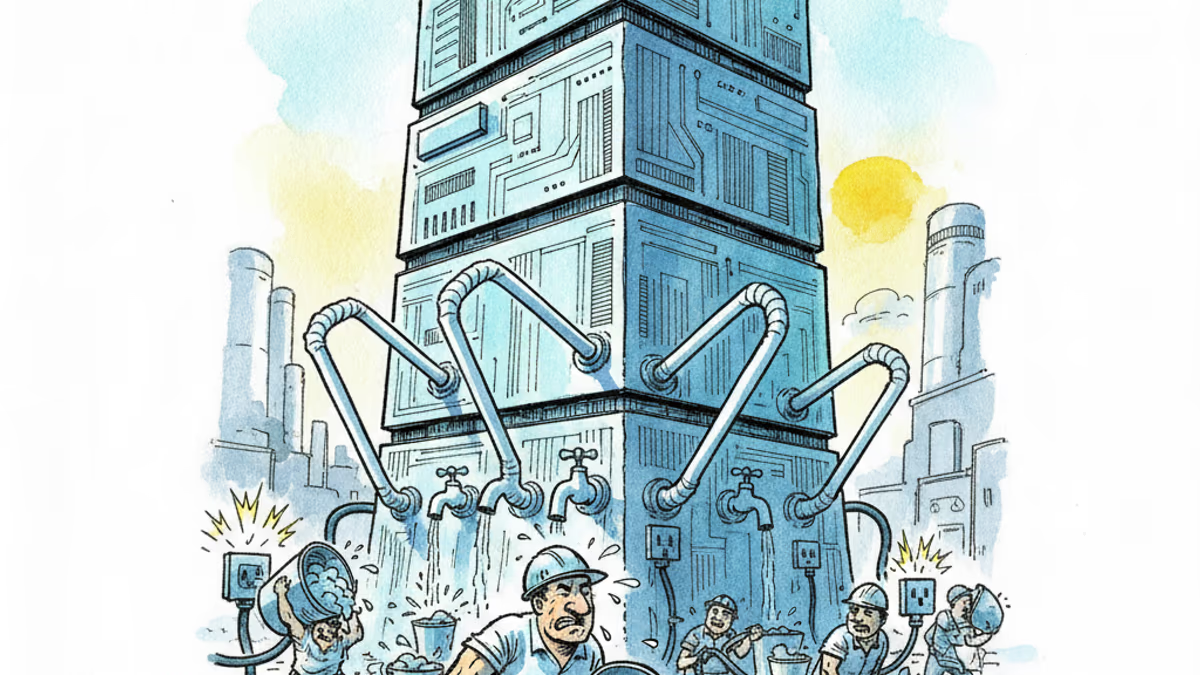
Samsung and SK unveiled a chip and AI investment package worth thousands of trillions of won on June 29. The headline number swings wildly by outlet, but the real contest isn't capital — it's water and power.
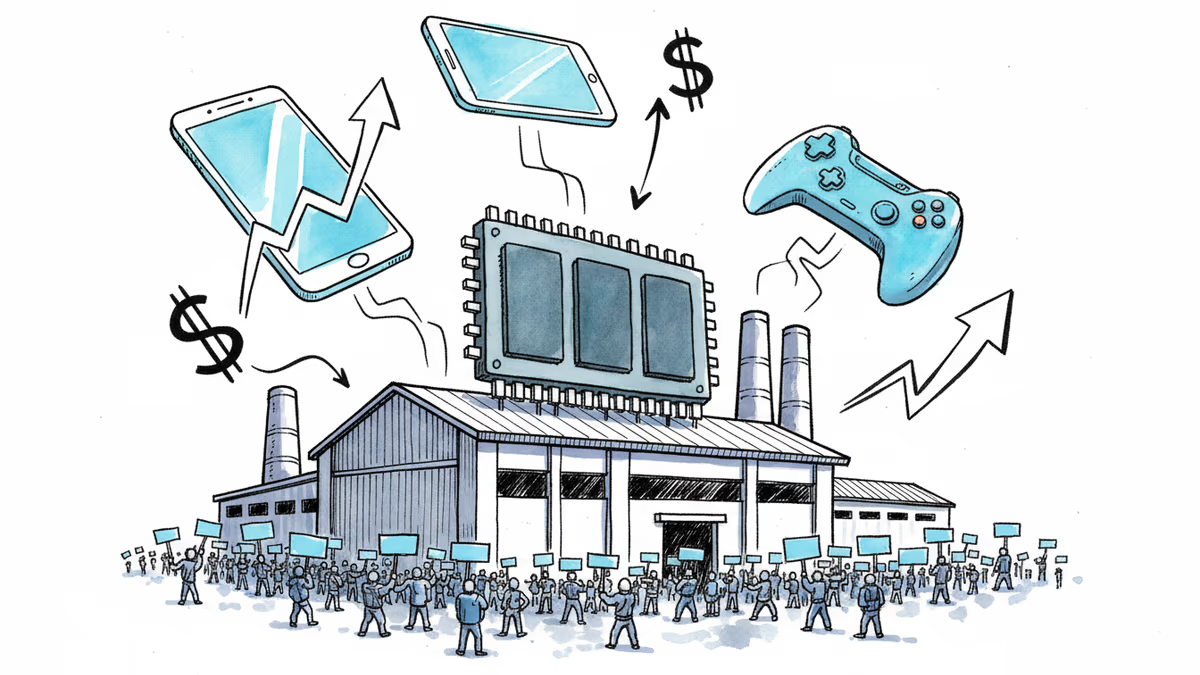
40,000 Samsung union workers rallied at its Pyeongtaek chip plant, threatening an 18-day strike over wages. With AI-driven RAM shortages already lifting consumer prices, the timing couldn't be worse.

Memory makers can't build fabs fast enough. By end of 2027, supply will cover just 60% of demand. Here's why the shortage could last until 2030—and what it means for AI, your devices, and the chip industry.

Samsung's Galaxy S26 now supports AirDrop through Quick Share, making cross-platform file sharing seamless. What does it mean when Android starts dismantling one of Apple's most beloved moats?
Samsung and SK unveiled a chip and AI investment package worth thousands of trillions of won on June 29. The headline number swings wildly by outlet, but the real contest isn't capital — it's water and power.
40,000 Samsung union workers rallied at its Pyeongtaek chip plant, threatening an 18-day strike over wages. With AI-driven RAM shortages already lifting consumer prices, the timing couldn't be worse.
Memory makers can't build fabs fast enough. By end of 2027, supply will cover just 60% of demand. Here's why the shortage could last until 2030—and what it means for AI, your devices, and the chip industry.
Samsung's Galaxy S26 now supports AirDrop through Quick Share, making cross-platform file sharing seamless. What does it mean when Android starts dismantling one of Apple's most beloved moats?
Thoughts
Share your thoughts on this article
Sign in to join the conversation