

The $200 Smartphone Trap: Samsung Galaxy A17's Harsh Reality Check
Samsung Galaxy A17 5G review reveals the painful compromises of budget smartphones. Is saving money worth the daily frustration?
"Camera Failed" - The $200 Reality Check
That's the message that greeted one reviewer when trying to view a photo on Samsung's$200 Galaxy A17 5G. After two weeks of using it as a primary device, the verdict was clear: this phone will test your patience daily.
The Galaxy A17 5G promises a lot on paper. 6.7-inch AMOLED display, six years of software support, 5,000mAh battery. But the devil, as always, is in the details—specifically, the 4GB of RAM that cripples the entire experience.
When Less RAM Means More Problems
The performance issues aren't subtle—they're aggressive. Simple gestures like swiping up to go home trigger Google's Circle to Search feature by mistake, causing the phone to freeze and stutter. The solution? Turn off the feature entirely.
Multitasking becomes a cruel joke. Fill out a form in Chrome, switch to another app, and return to find everything refreshed and your progress lost. Even notifications arrive late—security codes for logins only appear when you manually open the Messages app.
The 90Hz screen refresh rate sounds impressive until you try scrolling through Instagram and encounter constant stuttering. A simple game like Pako Forever becomes nearly unplayable due to frame drops.
The International vs. US Model Divide
Here's where things get interesting: international versions of the Galaxy A17 ship with 8GB of RAM. Samsung deliberately chose to handicap the US model with 4GB, presumably to hit that $200 price point. This decision transforms what could be a decent budget phone into a daily source of frustration.

Benchmark scores confirm the real-world experience. While the A17 slightly edges out Motorola's$200 Moto G in single-core performance, it falls behind significantly in multi-core tasks—exactly where users feel the pain during multitasking.
The Budget Phone Paradox
The Galaxy A17 isn't entirely without merit. The AMOLED display is genuinely good, getting bright enough outdoors and staying sharp. The IP54 rating handles light rain, there's expandable storage, and that six-year software support promise is genuinely impressive compared to Motorola's measly two years.
The 50MP main camera produces decent results in good lighting, with reasonable detail and natural colors. Battery life stretches through a full day of heavy use, sometimes into a second day with lighter usage. 25-watt charging isn't blazingly fast, but it's adequate.
The Used Phone Alternative
Here's the kicker: Swappa lists the Galaxy S23—a flagship from just two years ago—for $236 in good condition. That's a $36 premium for a phone that delivers flagship performance, camera quality, and build materials. The math becomes even more compelling when you consider the S23 will likely receive software updates longer than you'll want to keep it.
This raises uncomfortable questions about the entire budget smartphone category. Are manufacturers deliberately creating frustrating experiences to push users toward more expensive models? Or is $200 simply too little to deliver a satisfactory smartphone experience in 2026?
The Waiting Game Strategy
Perhaps the smartest move isn't buying any $200 phone right now. Samsung will likely release a $300 Galaxy A27 in the coming months. Wait for the inevitable sales, and that phone could drop below $250 while offering significantly better performance.
The same logic applies to Motorola's$300 Moto G Power 2026—patience could save you from months of daily frustration for just $50 more.
Authors
Related Articles
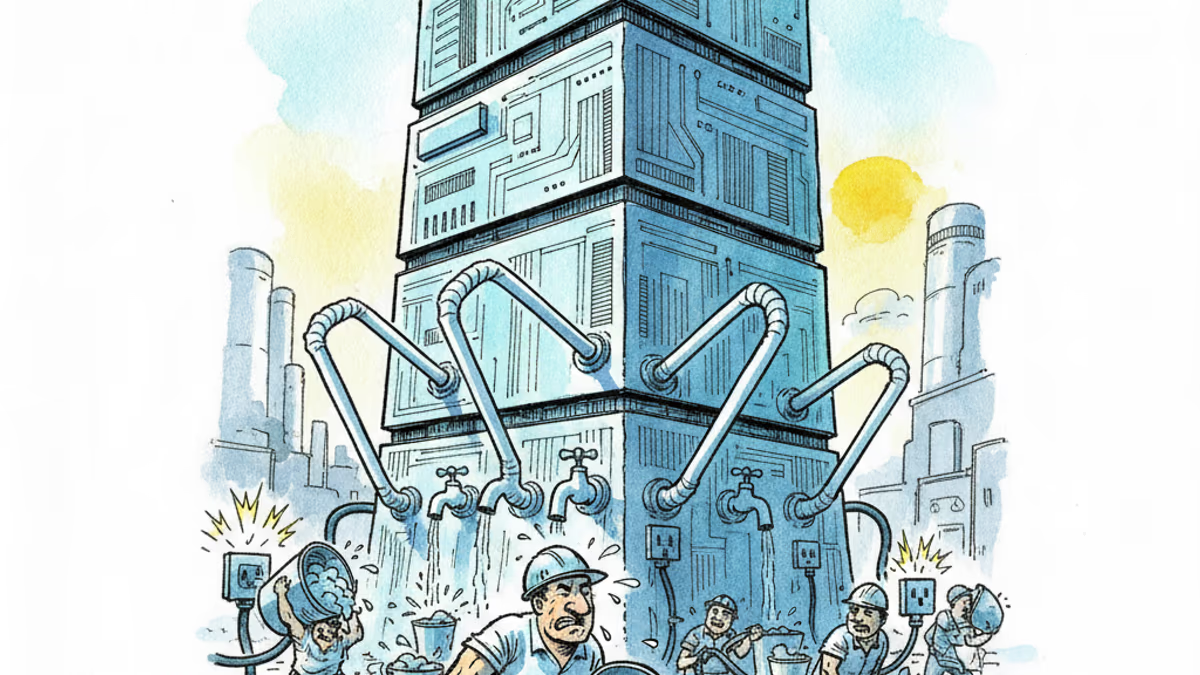
Samsung and SK unveiled a chip and AI investment package worth thousands of trillions of won on June 29. The headline number swings wildly by outlet, but the real contest isn't capital — it's water and power.
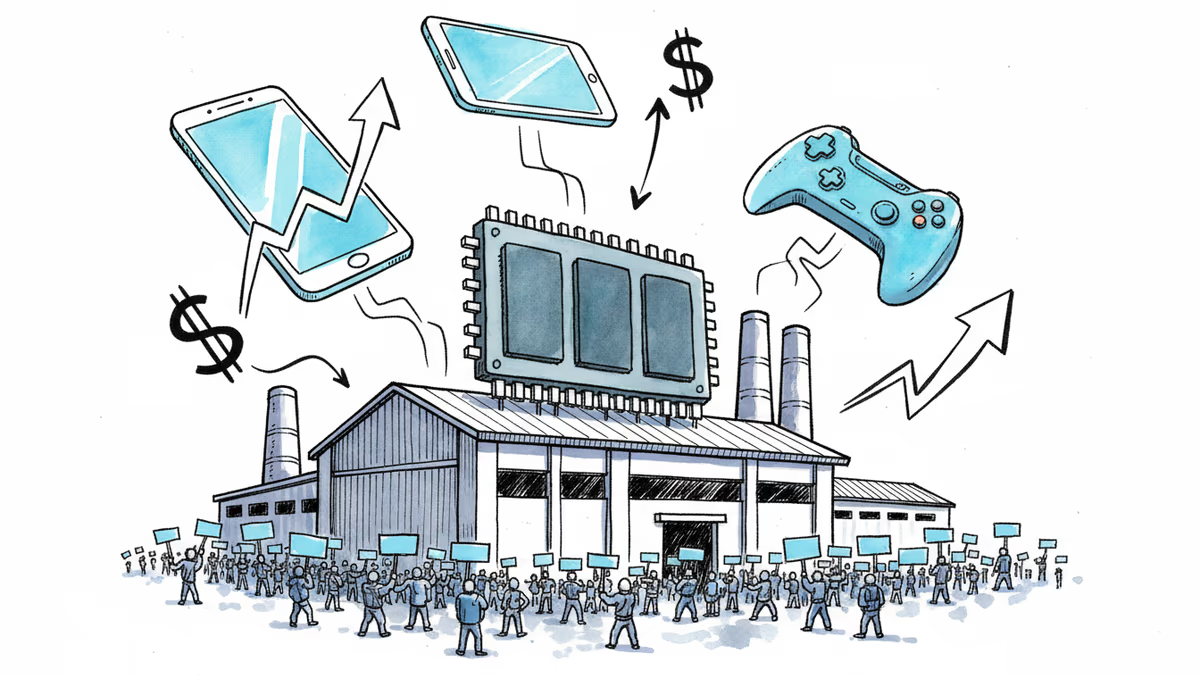
40,000 Samsung union workers rallied at its Pyeongtaek chip plant, threatening an 18-day strike over wages. With AI-driven RAM shortages already lifting consumer prices, the timing couldn't be worse.

Memory makers can't build fabs fast enough. By end of 2027, supply will cover just 60% of demand. Here's why the shortage could last until 2030—and what it means for AI, your devices, and the chip industry.

Samsung's Galaxy S26 now supports AirDrop through Quick Share, making cross-platform file sharing seamless. What does it mean when Android starts dismantling one of Apple's most beloved moats?
Samsung and SK unveiled a chip and AI investment package worth thousands of trillions of won on June 29. The headline number swings wildly by outlet, but the real contest isn't capital — it's water and power.
40,000 Samsung union workers rallied at its Pyeongtaek chip plant, threatening an 18-day strike over wages. With AI-driven RAM shortages already lifting consumer prices, the timing couldn't be worse.
Memory makers can't build fabs fast enough. By end of 2027, supply will cover just 60% of demand. Here's why the shortage could last until 2030—and what it means for AI, your devices, and the chip industry.
Samsung's Galaxy S26 now supports AirDrop through Quick Share, making cross-platform file sharing seamless. What does it mean when Android starts dismantling one of Apple's most beloved moats?
Thoughts
Share your thoughts on this article
Sign in to join the conversation