

Samsung Ballie Robot Cancelled 2026: Why the CES Star Became Vaporware
Samsung's Ballie robot, first teased at CES 2020, has officially become vaporware as of 2026. Explore the journey of this yellow AI sphere and why it failed to launch.
The yellow ball that stole the spotlight is officially rolling into the tech cemetery. After 6 years of teases and impressive demos, Samsung's Ballie robot is now widely regarded as vaporware, failing to reach consumer living rooms.
Samsung Ballie Robot Cancelled: A Timeline of Teases
According to reports from Ars Technica, Ballie was first introduced at CES 2020 as a highly advanced concept. It used facial recognition to follow its owner and could control smart home devices, even activating a vacuum when it detected a mess. It was presented as the ultimate companion for the modern home.

The robot made a return at CES 2024 with a larger spherical build and an integrated projector. Samsung claimed it offered 2 to 3 hours of continuous projection and seamless smartphone connectivity. However, despite the added features, no launch date or pricing was ever confirmed.
The Engineering Wall
Industry analysts suggest that the complexity of navigating diverse indoor environments and maintaining battery life were significant hurdles. While Samsung proved its technological prowess with Ballie, the transition from a trade show demo to a mass-produced product proved insurmountable.
Authors
Related Articles
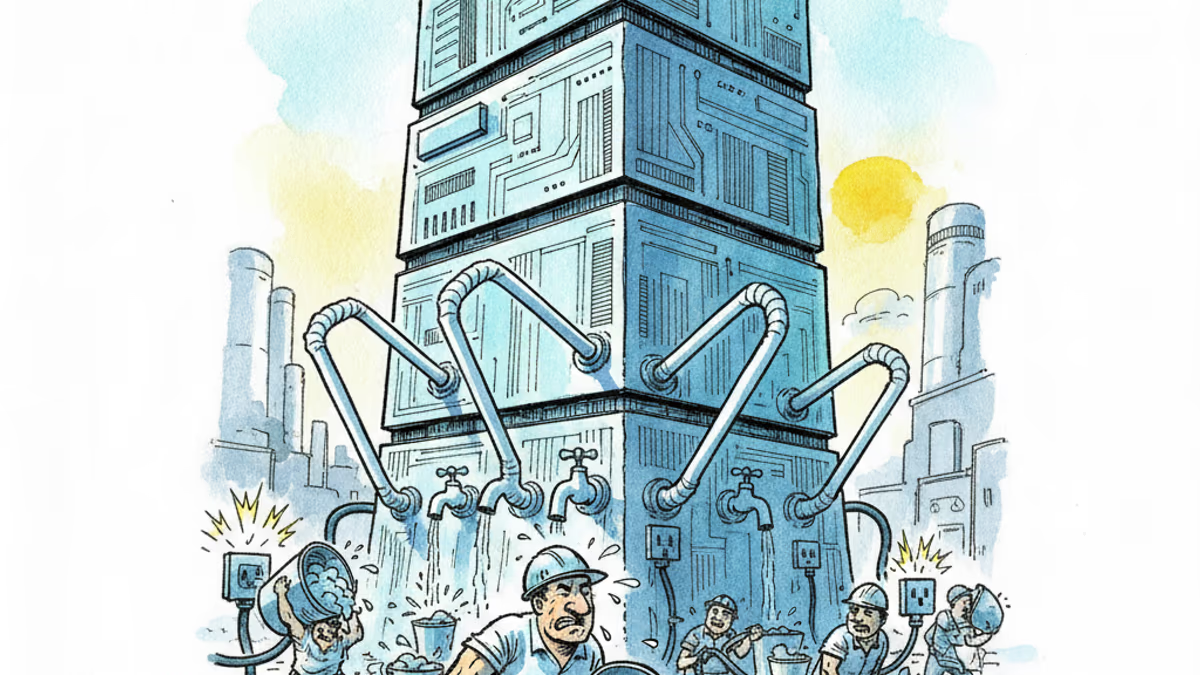
Samsung and SK unveiled a chip and AI investment package worth thousands of trillions of won on June 29. The headline number swings wildly by outlet, but the real contest isn't capital — it's water and power.
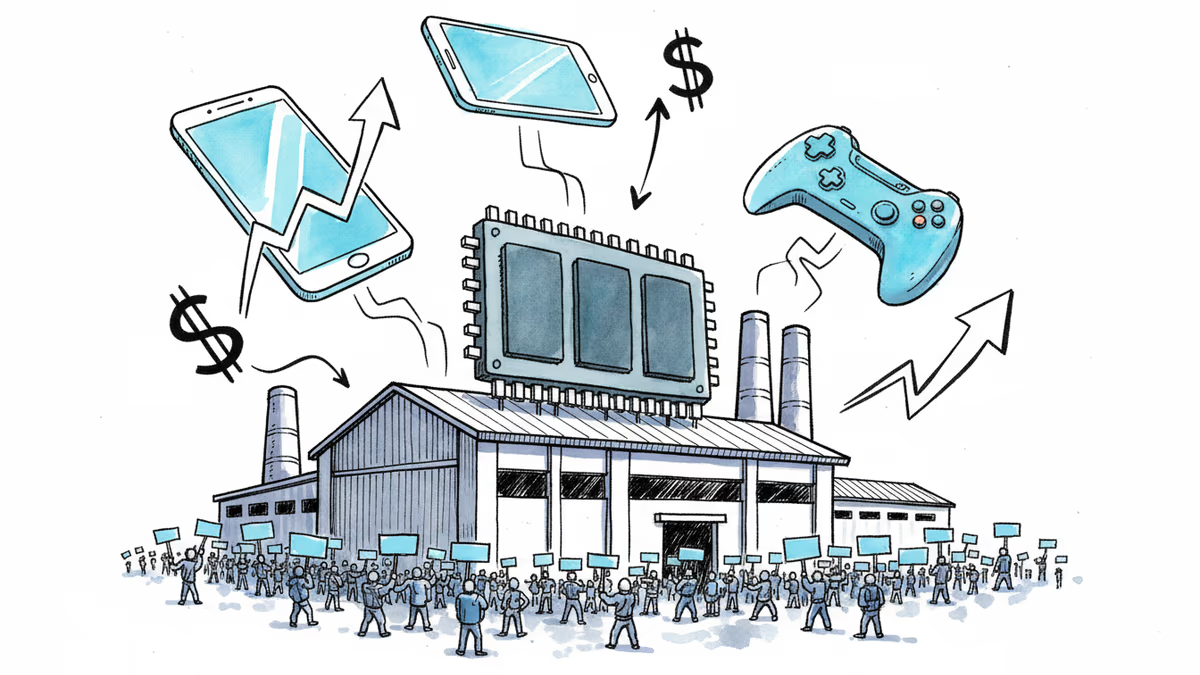
40,000 Samsung union workers rallied at its Pyeongtaek chip plant, threatening an 18-day strike over wages. With AI-driven RAM shortages already lifting consumer prices, the timing couldn't be worse.

Memory makers can't build fabs fast enough. By end of 2027, supply will cover just 60% of demand. Here's why the shortage could last until 2030—and what it means for AI, your devices, and the chip industry.

Samsung's Galaxy S26 now supports AirDrop through Quick Share, making cross-platform file sharing seamless. What does it mean when Android starts dismantling one of Apple's most beloved moats?
Samsung and SK unveiled a chip and AI investment package worth thousands of trillions of won on June 29. The headline number swings wildly by outlet, but the real contest isn't capital — it's water and power.
40,000 Samsung union workers rallied at its Pyeongtaek chip plant, threatening an 18-day strike over wages. With AI-driven RAM shortages already lifting consumer prices, the timing couldn't be worse.
Memory makers can't build fabs fast enough. By end of 2027, supply will cover just 60% of demand. Here's why the shortage could last until 2030—and what it means for AI, your devices, and the chip industry.
Samsung's Galaxy S26 now supports AirDrop through Quick Share, making cross-platform file sharing seamless. What does it mean when Android starts dismantling one of Apple's most beloved moats?
Thoughts
Share your thoughts on this article
Sign in to join the conversation