
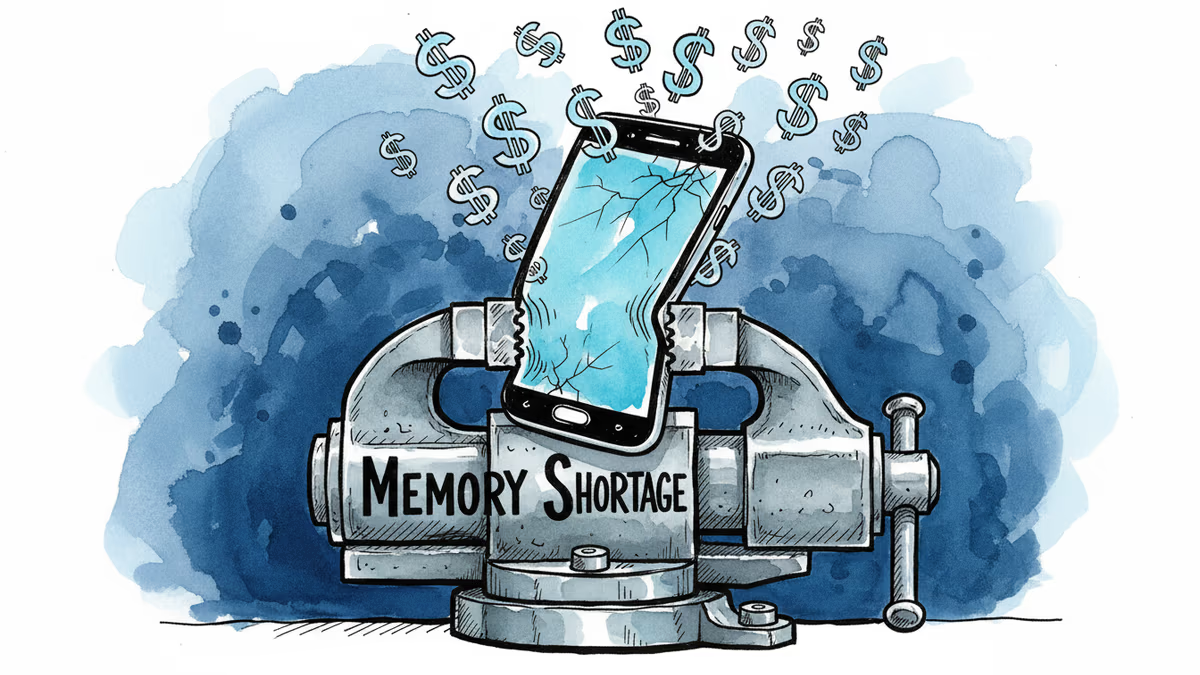
Samsung Admits Memory Shortage Behind Galaxy S26 Price Hike
Samsung COO confirms memory shortage significantly contributed to Galaxy S26's $100 price increase, revealing how AI demand reshapes smartphone economics
"Significant Contribution" - Samsung Breaks Its Silence
The Samsung Galaxy S26 costs $100 more than its predecessor, and customers aren't happy. "More of the same for more money," critics said. Now Samsung is explaining why. Won-Joon Choi, COO of Samsung's mobile business, told The Verge that memory shortage alone made a "significant contribution" to the price hike.
While the S26 doubles its base storage to 256GB, that upgrade doesn't fully justify the $100 premium. Choi cited multiple factors - rising material costs, tariffs, and memory constraints - but emphasized that memory shortage was particularly impactful. This admission reveals how deeply the semiconductor supply chain still affects consumer electronics.
The AI Memory Squeeze
The memory shortage isn't just about pandemic-era supply chain disruptions. It's about AI's voracious appetite for high-performance memory. Companies like SK Hynix and Samsung itself are prioritizing production of HBM (High Bandwidth Memory) for AI applications, which offers higher margins than smartphone memory.

This shift has created an unexpected squeeze. While AI companies pay premium prices for specialized memory, smartphone manufacturers compete for the remaining capacity. DRAM prices have surged 30-40% year-over-year, forcing device makers to choose between absorbing costs or passing them to consumers.
Industry analysts note this isn't temporary. As AI deployment accelerates, the memory hierarchy is being rewritten - with consumer electronics potentially becoming second-class citizens in the allocation game.
Consumer Backlash vs. Market Reality
American consumers are pushing back. Online forums overflow with complaints about "paying more for incremental improvements." Many are considering switching to Google Pixel or sticking with older Samsung models. The timing couldn't be worse for Samsung, as Apple maintains steady iPhone pricing despite similar supply pressures.
But Samsung's pricing reflects broader market dynamics. Memory costs have risen sharply, and the company faces additional pressure from U.S.-China trade tensions affecting component sourcing. Unlike Apple, which can leverage massive scale and long-term supplier contracts, Samsung must navigate these costs with less flexibility.
The smartphone market's maturation also plays a role. With upgrade cycles lengthening and innovation plateauing, manufacturers struggle to justify premium pricing through features alone. Raw material costs become more visible when performance gains are marginal.
Authors
Related Articles
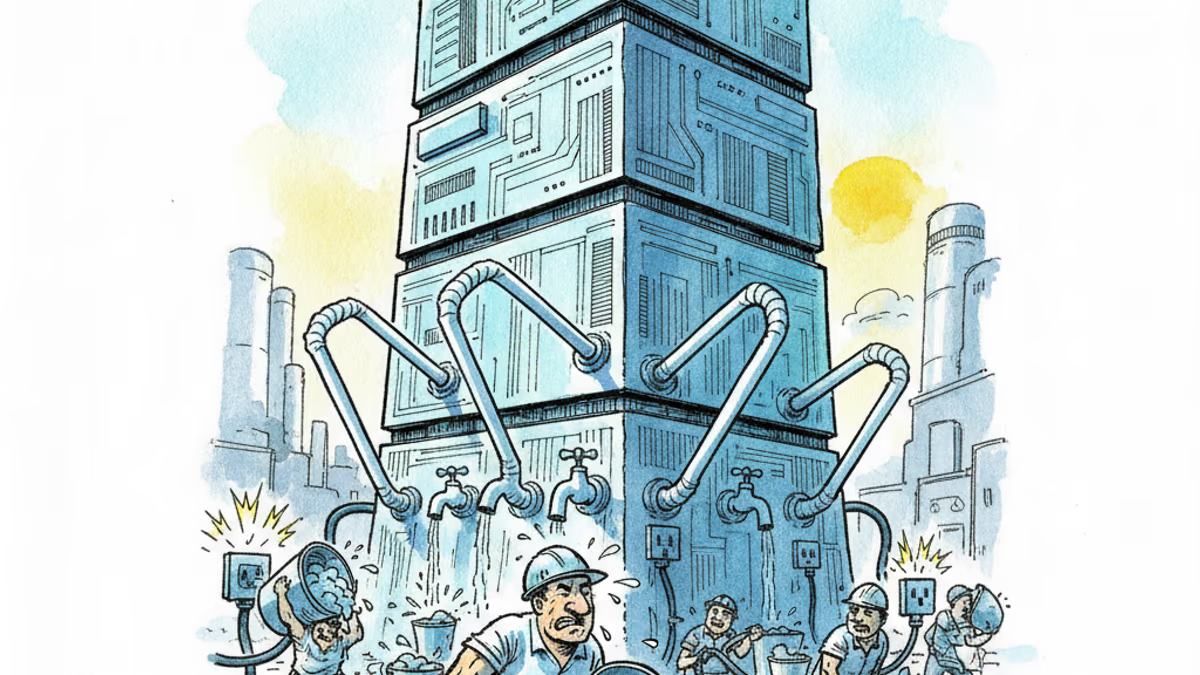
Samsung and SK unveiled a chip and AI investment package worth thousands of trillions of won on June 29. The headline number swings wildly by outlet, but the real contest isn't capital — it's water and power.
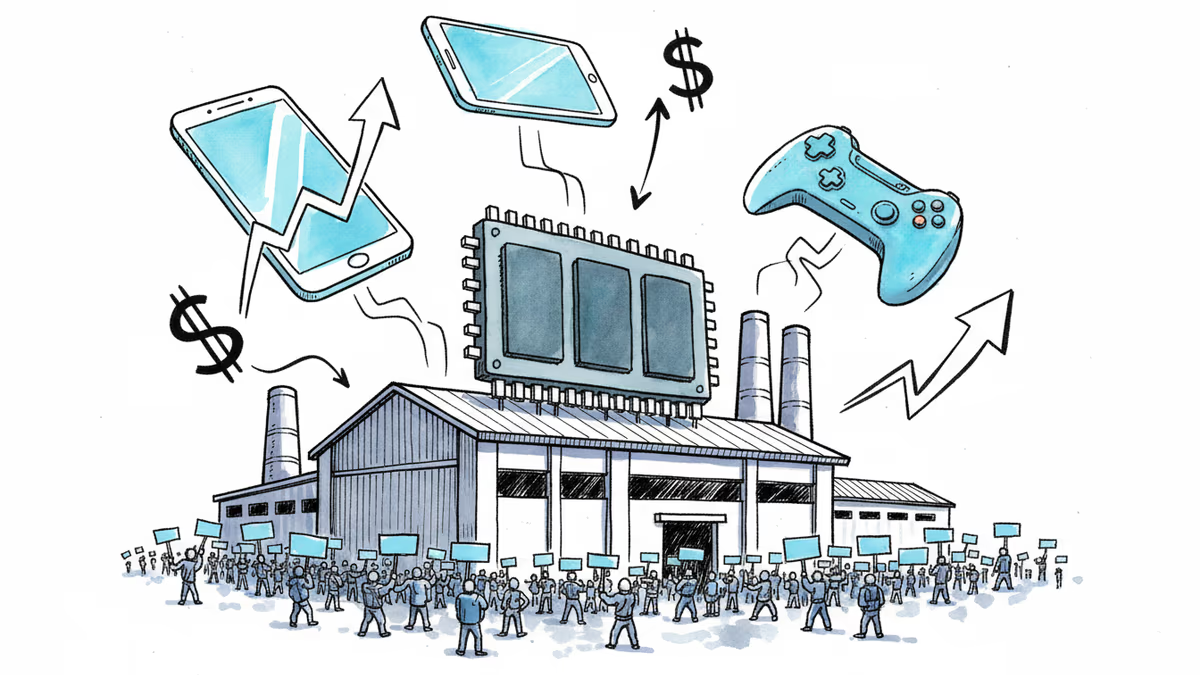
40,000 Samsung union workers rallied at its Pyeongtaek chip plant, threatening an 18-day strike over wages. With AI-driven RAM shortages already lifting consumer prices, the timing couldn't be worse.

Memory makers can't build fabs fast enough. By end of 2027, supply will cover just 60% of demand. Here's why the shortage could last until 2030—and what it means for AI, your devices, and the chip industry.
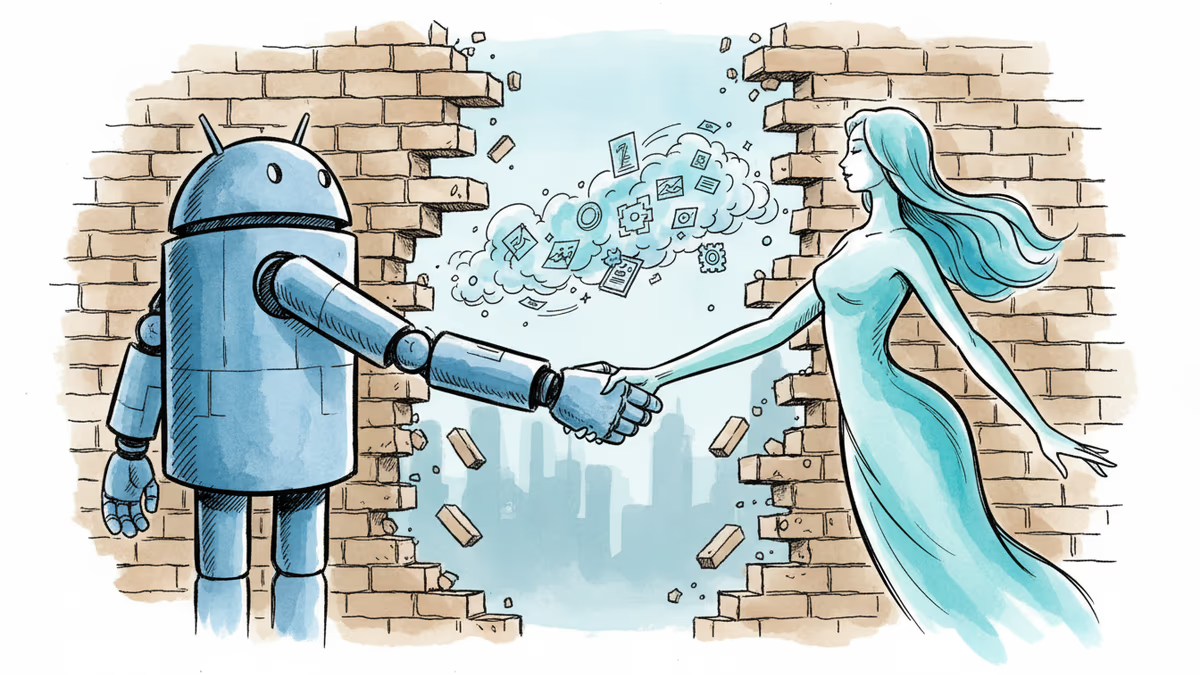
Samsung's Galaxy S26 now supports AirDrop through Quick Share, making cross-platform file sharing seamless. What does it mean when Android starts dismantling one of Apple's most beloved moats?
Samsung and SK unveiled a chip and AI investment package worth thousands of trillions of won on June 29. The headline number swings wildly by outlet, but the real contest isn't capital — it's water and power.
40,000 Samsung union workers rallied at its Pyeongtaek chip plant, threatening an 18-day strike over wages. With AI-driven RAM shortages already lifting consumer prices, the timing couldn't be worse.
Memory makers can't build fabs fast enough. By end of 2027, supply will cover just 60% of demand. Here's why the shortage could last until 2030—and what it means for AI, your devices, and the chip industry.
Samsung's Galaxy S26 now supports AirDrop through Quick Share, making cross-platform file sharing seamless. What does it mean when Android starts dismantling one of Apple's most beloved moats?
Thoughts
Share your thoughts on this article
Sign in to join the conversation