
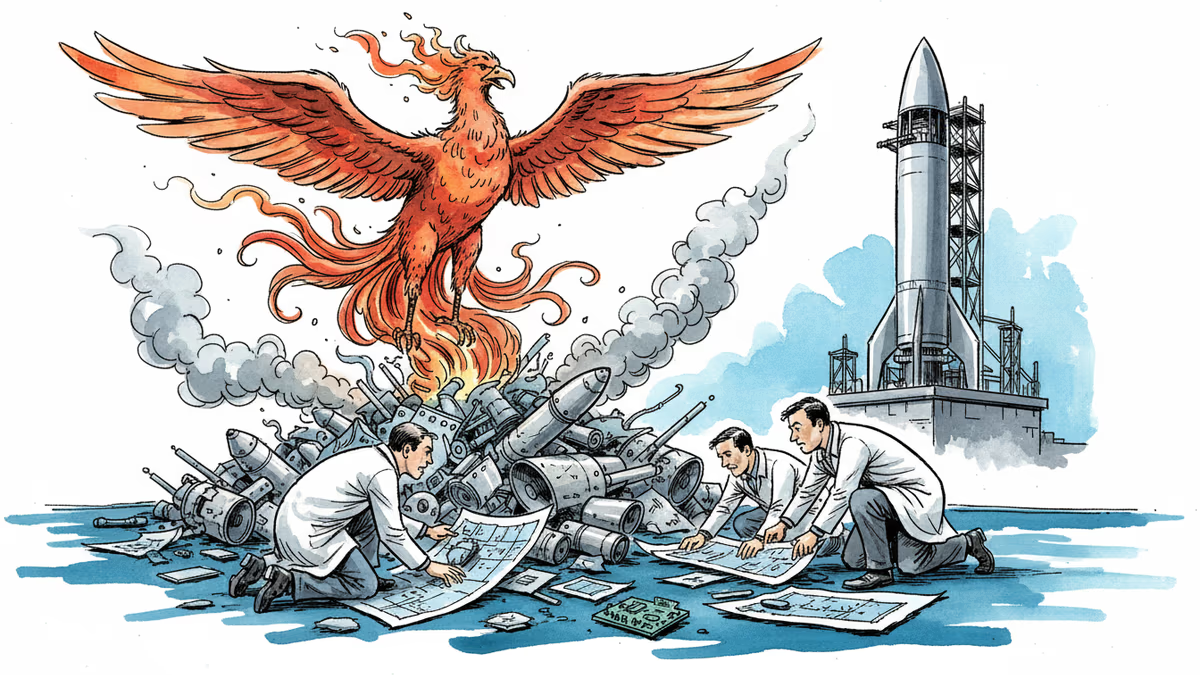
When Space Startup 'Corpses' Come Back to Life
Phantom Space acquired assets from bankrupt Vector Launch, showing how failed space companies' technologies are finding new life. Is this becoming the new normal in aerospace?
$4 million burned. That was Vector Launch's final tally when it went bust in 2019. But last week, this aerospace 'corpse' got a second life.
Phantom Space announced it had acquired the remnants of Vector Launch—and here's the twist: Phantom's co-founder Jim Cantrell is the same guy who left Vector as its finances collapsed. The man who walked away from the sinking ship just bought the wreckage.
When Failure Becomes an Asset
Cantrell says Vector's "flight-proven design elements and engineering data" will immediately reduce development risks for Phantom's Daytona rocket. Translation: yesterday's bankruptcy is today's competitive advantage.
This isn't just corporate opportunism—it's a new pattern in aerospace. Failed startups used to vanish without a trace. Now their technology, talent, and hard-learned lessons flow into new ventures like water finding its level.
SpaceX famously hoovered up engineers from defunct rocket companies in its early days. Blue Origin benefits from Amazon's deep pockets to acquire smaller players. Even Rocket Lab, which just pushed its Neutron debut from Q4 2024 to 2027 after a tank test failure, sees setbacks as data points rather than disasters.
The Ecosystem is Maturing
What's happening here goes beyond simple asset recycling. It signals that aerospace has developed something Silicon Valley has long understood: failure isn't the opposite of success—it's a prerequisite.

In traditional industries, bankruptcy meant liquidation and shame. In mature tech ecosystems, it means "expensive education" that someone else can leverage. Vector's $4 million lesson becomes Phantom's shortcut to market.
This shift matters for investors too. Previously, backing a space startup was binary—moon shot or money pit. Now there's a middle ground where even failures generate recoverable value through acqui-hires, IP transfers, and talent migration.
The Talent Recycling Machine
Behind every asset acquisition is a human story. Vector's engineers didn't disappear when the company folded—they scattered across the industry, taking institutional knowledge with them. Some likely ended up at Phantom, creating an informal continuity between the old company and new.
This "talent recycling" explains why aerospace innovation is accelerating despite individual company failures. Each iteration preserves lessons learned while shedding organizational baggage. It's evolution in action.
What This Means for the Industry
For aerospace professionals, this trend offers both opportunity and uncertainty. Your current employer might fail, but your expertise won't become worthless overnight. The industry increasingly values experience over company loyalty.
For investors, it suggests aerospace is becoming a more mature market where due diligence includes evaluating not just success scenarios, but failure recovery potential. What technologies could survive if this company doesn't?
For regulators, it raises questions about continuity and safety certification when technologies migrate between companies. Does Vector's "flight-proven" data retain its validity under Phantom's ownership?
Authors
Related Articles
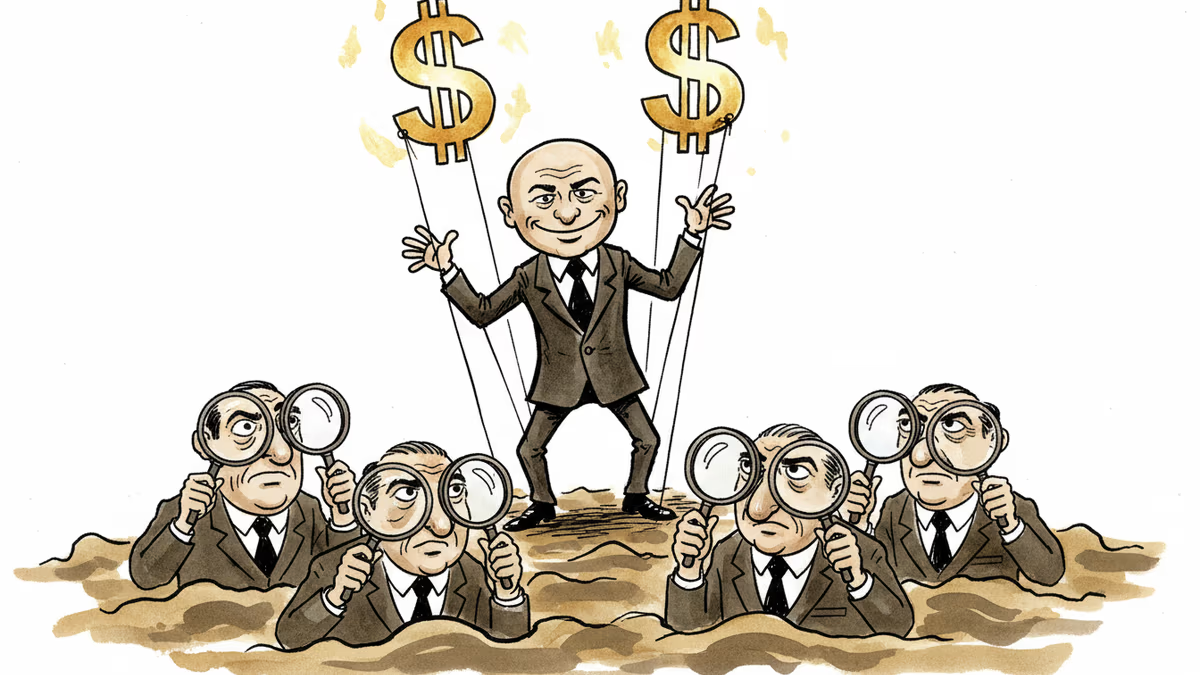
Cluely CEO admits to fabricating $7M revenue figure, exposing how startup "fake it till you make it" culture has gone too far. What this means for the ecosystem.
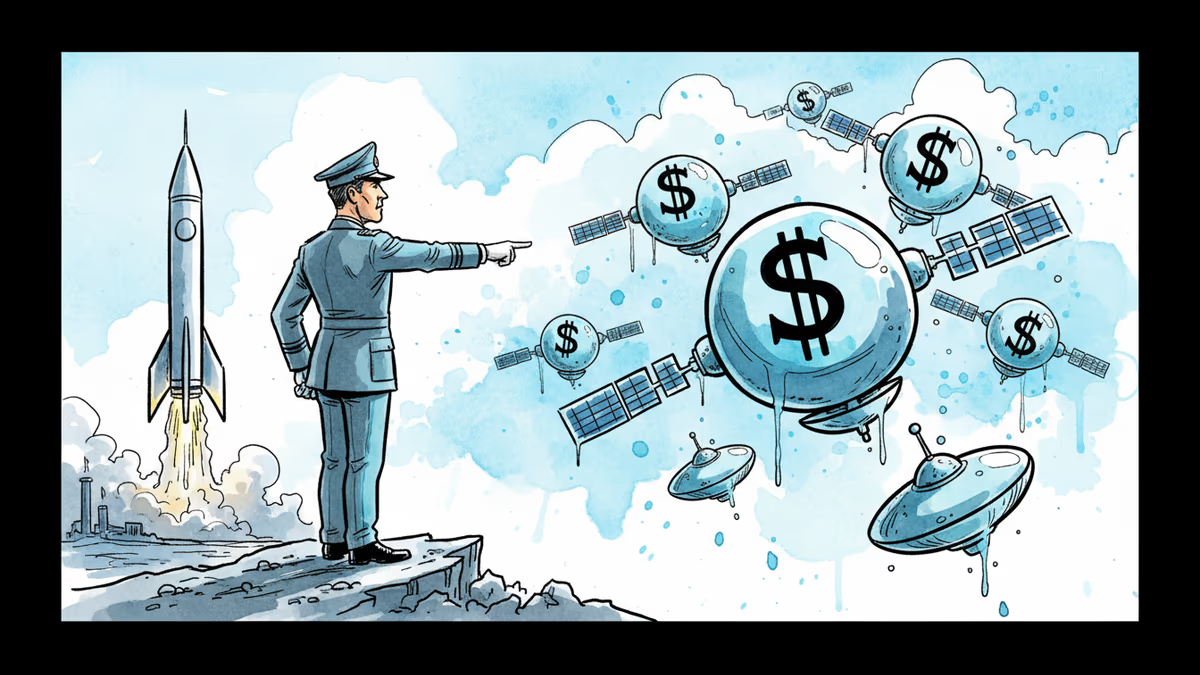
US Space Force shifts $24B R&D focus from rockets to space sensors and payloads, signaling major industry transformation and new opportunities for startups

Lucid Motors laid off 12% of workforce amid profitability push. The luxury EV maker's struggles reveal harsh realities facing Tesla challengers in 2026.
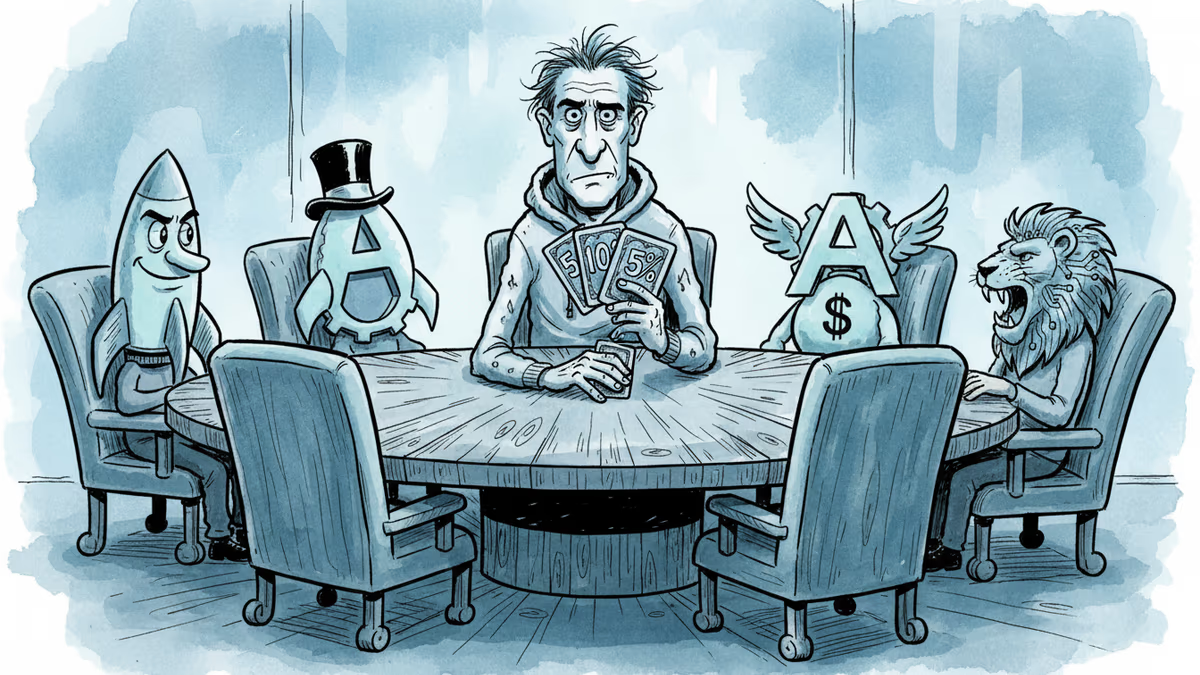
Neo's new accelerator program challenges Y Combinator's fixed 7% model with founder-friendly terms. But what's the real game being played here?
Cluely CEO admits to fabricating $7M revenue figure, exposing how startup "fake it till you make it" culture has gone too far. What this means for the ecosystem.
US Space Force shifts $24B R&D focus from rockets to space sensors and payloads, signaling major industry transformation and new opportunities for startups
Lucid Motors laid off 12% of workforce amid profitability push. The luxury EV maker's struggles reveal harsh realities facing Tesla challengers in 2026.
Neo's new accelerator program challenges Y Combinator's fixed 7% model with founder-friendly terms. But what's the real game being played here?
Thoughts
Share your thoughts on this article
Sign in to join the conversation