
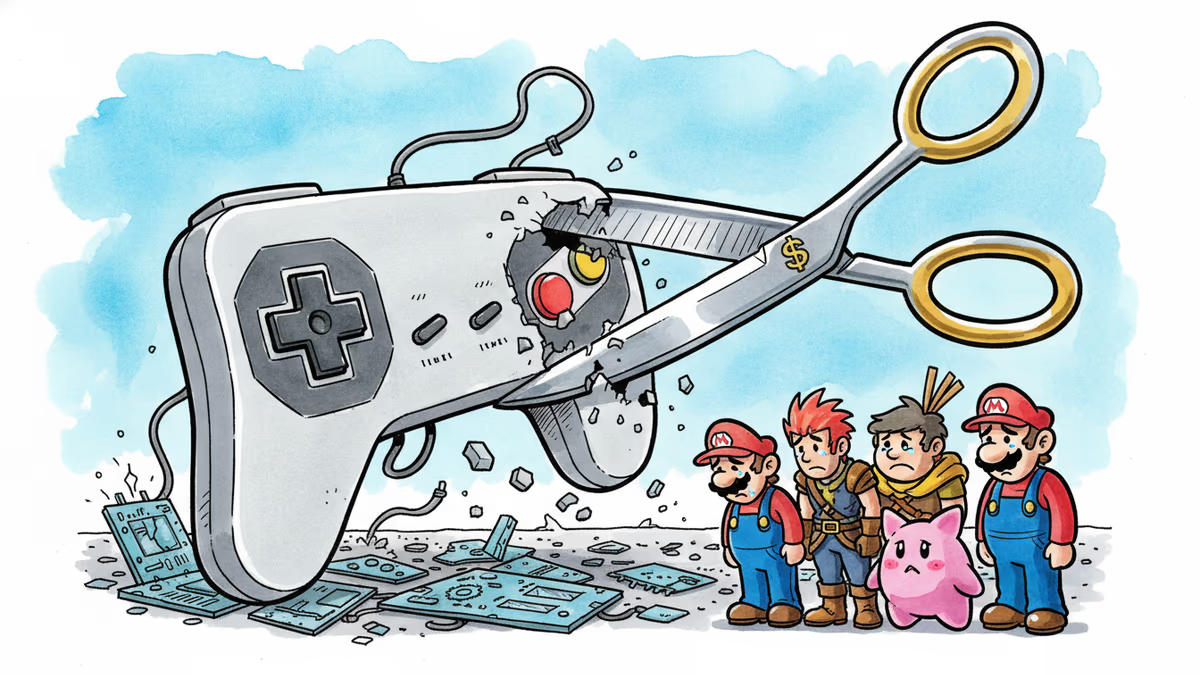
Riot's 2XKO Faces Team Cuts Just 4 Months After Launch
Riot Games reduces 2XKO fighting game team size months after release. What this reveals about modern game development challenges and industry realities.
Five years in development. Four months live. Now facing team cuts. This is the reality check hitting Riot Games' ambitious fighting game 2XKO.
In gaming, "reducing team size" usually means one of two things: massive success requiring fewer hands, or underperformance demanding cost cuts. For 2XKO, the signs point toward the latter.
When Ambition Meets Market Reality
Executive producer Tom Cannon's recent announcement about downsizing the 2XKO team came with corporate-speak politeness, but the message was clear. The free-to-play fighter, set in the League of Legends universe, launched in PC early access last October and hit consoles just weeks ago.
This wasn't some rushed project. 2XKO began life as "Project L" back in 2019, part of Riot's grand plan to expand beyond League of Legends. The company had big dreams: multiple games, animated series, maybe even a gaming empire to rival the biggest entertainment franchises.
Some of those dreams worked. Arcane became Netflix's breakout hit. Valorant carved out its FPS niche. But 2XKO? It's becoming a lesson in how even gaming giants can stumble.
The Fighting Game Gauntlet

Breaking into fighting games isn't just hard—it's brutal. You're not just competing with other new releases. You're going up against Street Fighter and Tekken, franchises with decades of devoted players who've mastered complex move sets and built entire communities around tournaments.
For 2XKO, the challenge was even steeper. Despite leveraging League's massive fanbase, fighting games demand a different kind of engagement. MOBA players don't automatically become fighting game enthusiasts. The skills, the community, the competitive scene—they're all different ecosystems.
Industry veterans saw this coming. "You can't just throw money and popular characters at the FGC (Fighting Game Community) and expect instant success," one developer told us off-record. "That community values authenticity and depth over flashy production values."
The New Math of Game Development
Riot's situation reflects broader industry shifts. The days of "build it big, market it hard, hope it sticks" are fading. Today's successful games often start smaller, iterate faster, and scale based on actual player response rather than projected enthusiasm.
2XKO's team reduction might actually be smart business. Instead of burning cash on a full development team for a game finding its footing, Riot can maintain the title with a smaller crew while resources flow to more promising projects. It's pragmatic, if not particularly inspiring for the developers involved.
This approach is becoming standard across the industry. Even successful studios are adopting "portfolio management" strategies—multiple smaller bets rather than massive singular investments.
Authors
Related Articles
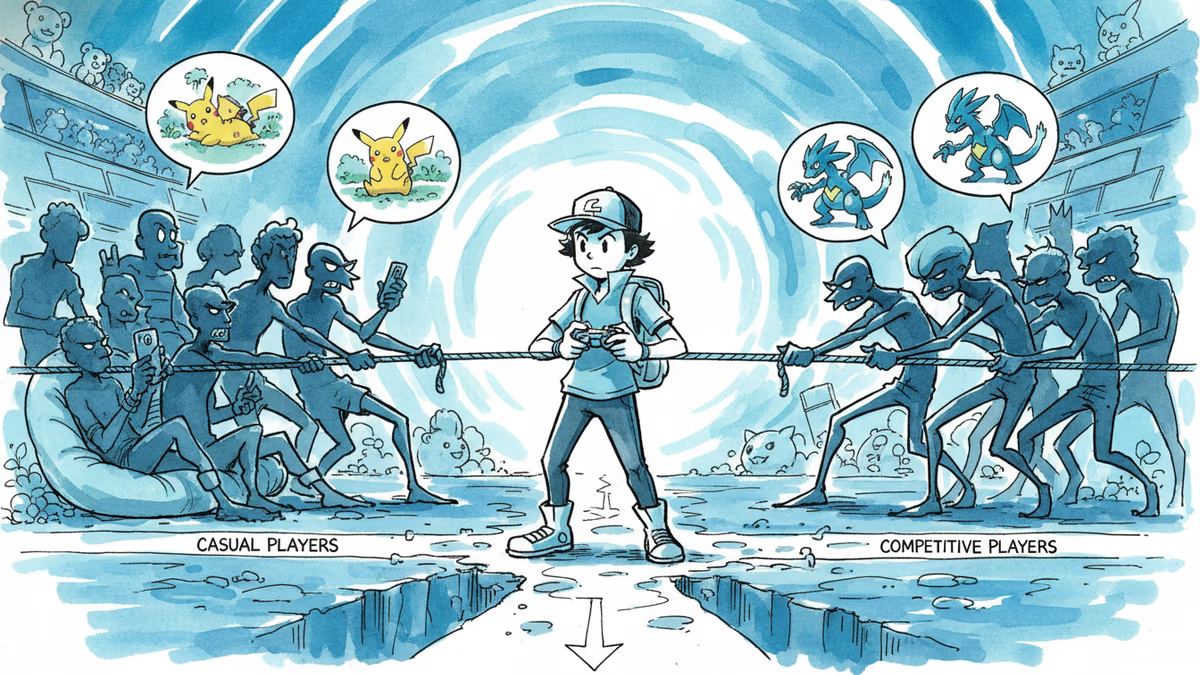
Pokémon Champions launched on Switch with bugs breaking core battle mechanics. But the deeper issue isn't the bugs — it's whether a game trying to please all players can satisfy any of them.
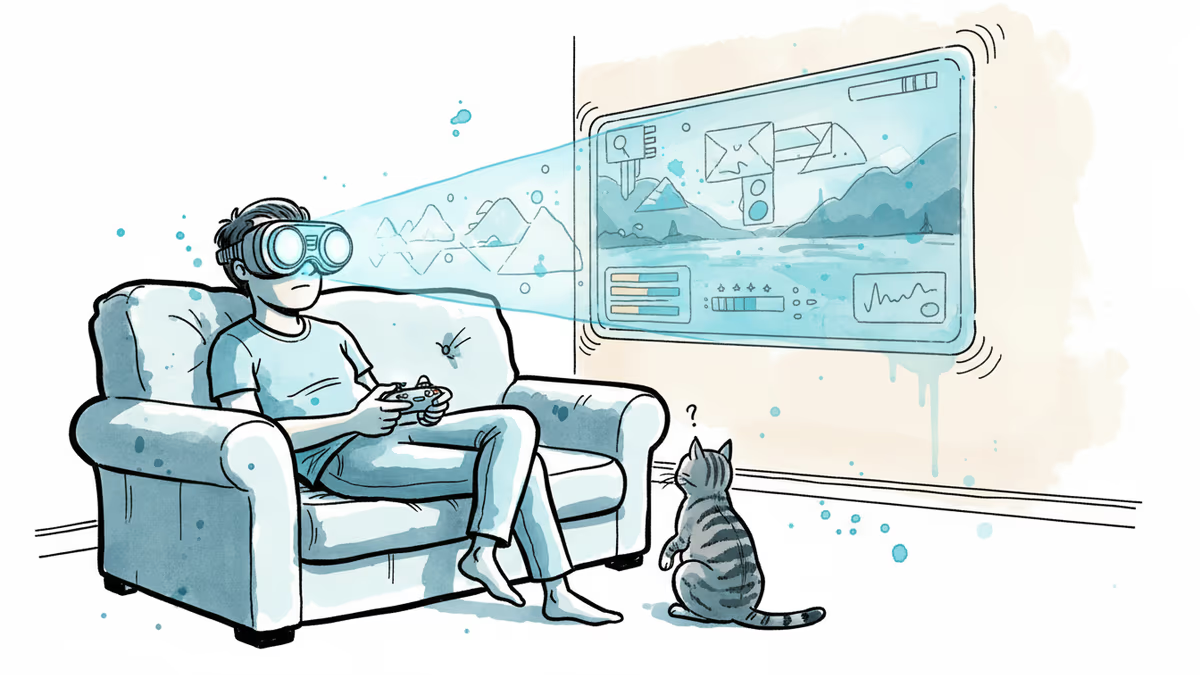
Xreal and Viture's latest AR glasses all do a few things well and a few things poorly. Here's what the best pair would look like — and why none of them are there yet.
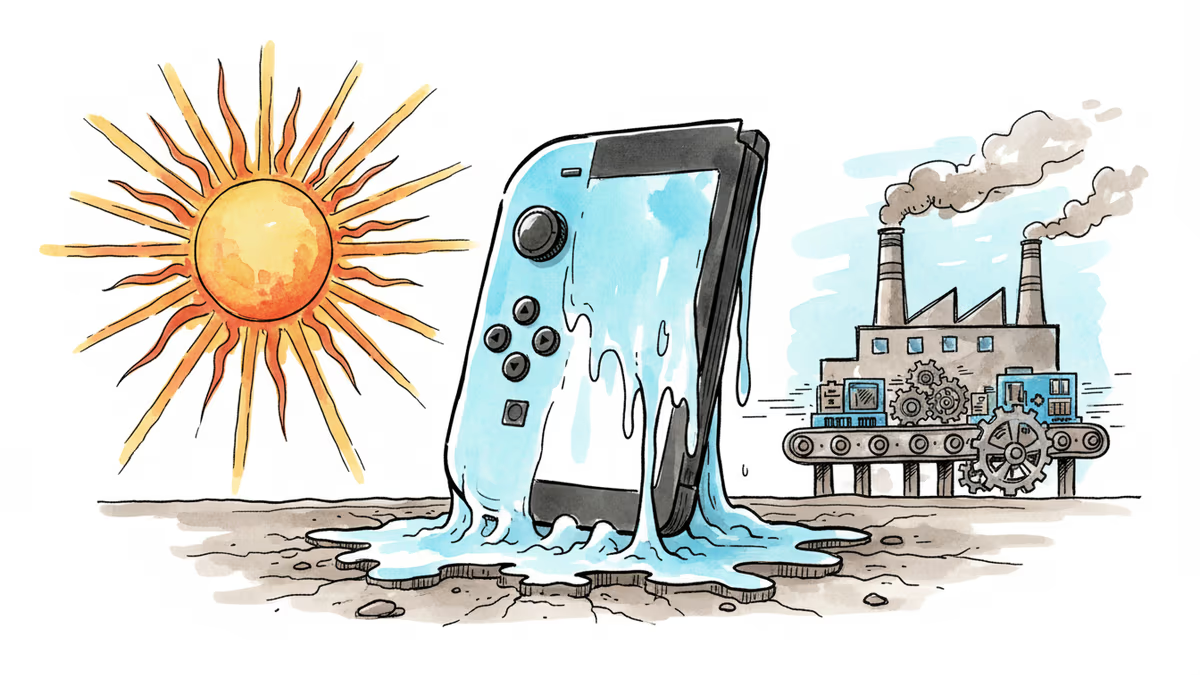
Nine months after a record-breaking launch, Nintendo is cutting Switch 2 production from 6 million to 4 million units per quarter. What went wrong, and what does it signal for the console market?
Generative AI tools dominated GDC 2026 — but most developers aren't shipping them in real games. What's holding the industry back, and what does that gap reveal?
Pokémon Champions launched on Switch with bugs breaking core battle mechanics. But the deeper issue isn't the bugs — it's whether a game trying to please all players can satisfy any of them.
Xreal and Viture's latest AR glasses all do a few things well and a few things poorly. Here's what the best pair would look like — and why none of them are there yet.
Nine months after a record-breaking launch, Nintendo is cutting Switch 2 production from 6 million to 4 million units per quarter. What went wrong, and what does it signal for the console market?
Generative AI tools dominated GDC 2026 — but most developers aren't shipping them in real games. What's holding the industry back, and what does that gap reveal?
Thoughts
Share your thoughts on this article
Sign in to join the conversation