
Netflix Got Grilled While YouTube Flew Under the Radar
A Senate hearing meant to focus on Warner Bros merger turned into a culture war attack on Netflix, while YouTube's massive influence on children went completely unmentioned.
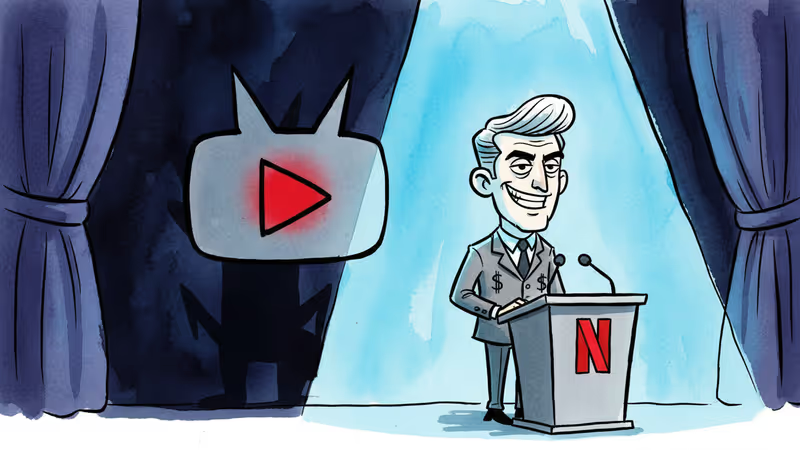
When Netflix co-CEO Ted Sarandos walked into Tuesday's Senate hearing, he expected questions about the Warner Bros. merger. Instead, he got ambushed by Republican culture warriors demanding answers about "transgender ideology" in children's content. Meanwhile, a platform with 10 times more users and arguably 10 times more influence on kids didn't even get mentioned: YouTube.
The Misdirected Attack
Sen. Josh Hawley (R-MO) pivoted from discussing residual payments to asking why "so much of Netflix content for children promotes a transgender ideology." The question caught Sarandos off guard – partly because it had nothing to do with antitrust concerns, and partly because Netflix actually has relatively strict content curation compared to other platforms.
Netflix operates more like traditional Hollywood: professional creators, editorial oversight, and clear content ratings. Every show goes through multiple approval layers before reaching viewers. It's essentially a digital cable network with global reach.
But here's what makes the focus on Netflix particularly misguided: it's not where most kids actually consume their media anymore.
The Real Giant in the Room
YouTube serves 2.5 billion monthly users compared to Netflix's 270 million subscribers. More importantly, YouTube dominates the attention economy for anyone under 25. Kids aren't binge-watching Netflix originals – they're falling down rabbit holes of user-generated content that no senator has ever scrutinized.

Unlike Netflix's curated catalog, YouTube hosts millions of creators uploading content with minimal oversight. The platform's algorithm decides what kids see next, often optimizing for engagement over appropriateness. A child searching for cartoon videos can end up watching conspiracy theories within three clicks.
Yet YouTube wasn't even mentioned in Tuesday's hearing. Why? Because it's easier to grill a CEO sitting in front of you than to understand how algorithmic recommendation systems actually work.
The Convenience of Visible Targets
Politicians love attacking Netflix because it feels like old media – there's a clear corporate structure, identifiable decision-makers, and content you can point to. Sarandos can be summoned to testify and forced to defend specific shows.
YouTube, by contrast, hides behind the "platform not publisher" distinction. When problematic content surfaces, the company can blame individual creators or claim algorithmic neutrality. There's no single person responsible for what kids watch, making accountability nearly impossible.
This dynamic extends beyond content concerns. When discussing market concentration, senators focus on Netflix's subscriber count while ignoring Google's (YouTube's parent company) dominance in digital advertising and data collection.
What This Reveals About Tech Regulation
Tuesday's hearing exposed a fundamental problem with how lawmakers approach tech regulation: they're fighting yesterday's battles with yesterday's frameworks. Traditional media companies like Netflix get treated like broadcast networks, while actual digital platforms operate in regulatory gray zones.
The result? Performative hearings that generate headlines but miss the real issues. While senators demanded Netflix explain its content policies, YouTube's recommendation algorithm continued shaping millions of young minds without scrutiny.
Authors
Related Articles
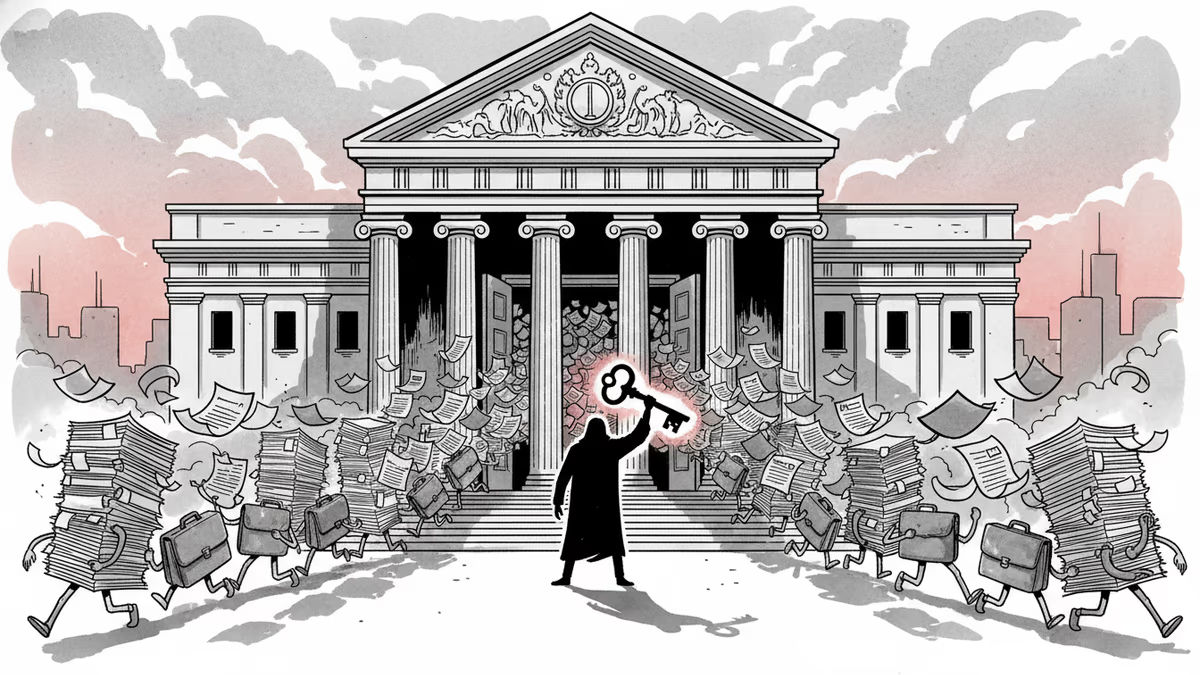
The Trump administration has gutted the DOJ's Voting Section, pushing out two dozen experienced lawyers and replacing them with loyalists. With 2026 midterms approaching, what does this mean for American democracy?
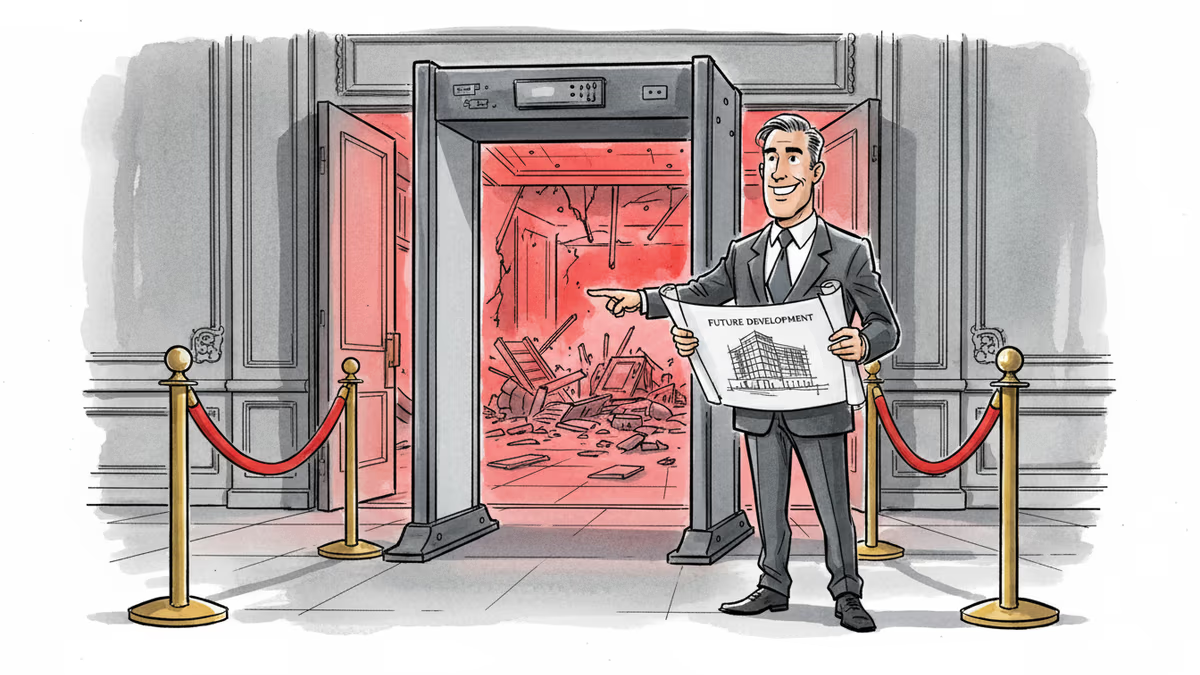
A gunman attacked a Secret Service checkpoint at the White House Correspondents' Dinner. Trump's first public reaction wasn't about security. It was about his $400M ballroom project.

Hours after an armed suspect attempted to breach the White House Correspondents Dinner, Trump used the security scare to publicly defend his White House ballroom project. What does that tell us?
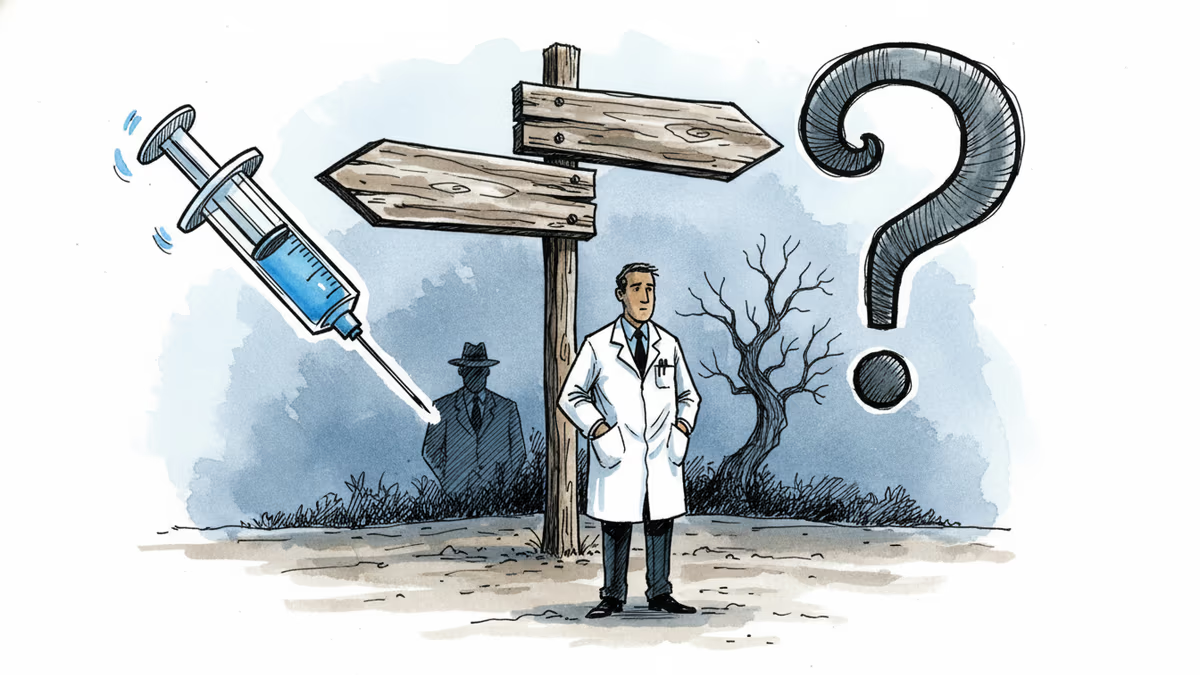
Dr. Erica Schwartz, a pro-vaccine physician with an unimpeachable public health résumé, is Trump's third CDC director nominee—a quiet but pointed rebuke of RFK Jr.'s agenda.
The Trump administration has gutted the DOJ's Voting Section, pushing out two dozen experienced lawyers and replacing them with loyalists. With 2026 midterms approaching, what does this mean for American democracy?
A gunman attacked a Secret Service checkpoint at the White House Correspondents' Dinner. Trump's first public reaction wasn't about security. It was about his $400M ballroom project.
Hours after an armed suspect attempted to breach the White House Correspondents Dinner, Trump used the security scare to publicly defend his White House ballroom project. What does that tell us?
Dr. Erica Schwartz, a pro-vaccine physician with an unimpeachable public health résumé, is Trump's third CDC director nominee—a quiet but pointed rebuke of RFK Jr.'s agenda.
Thoughts
Share your thoughts on this article
Sign in to join the conversation