
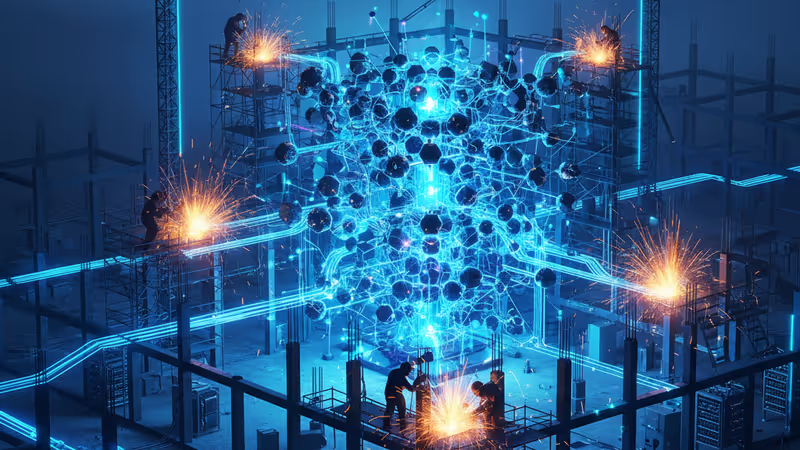
AI Data Center Construction Labor Shortage: The 81,000 Electrician Gap
The rapid construction of AI data centers is fueling a massive labor shortage in the US. Explore why electricians and plumbers are the new MVPs of the AI era.
The AI industry is facing a massive shortage of 81,000 electricians every year. While Meta and OpenAI lure top researchers with multi-million dollar pay packages, a quieter crisis is brewing on the ground. The physical infrastructure that powers AI depends on skilled tradespeople—electricians, plumbers, and HVAC technicians—who are currently in short supply across the US.
The Rising AI Data Center Construction Labor Shortage
According to the Bureau of Labor Statistics (BLS), the demand for electricians is projected to grow 9 percent over the next decade, much faster than the average for all occupations. A McKinsey study highlights an even more dire situation: by 2030, the US will need an additional 130,000 trained electricians and 240,000 construction laborers to keep up with current trends.

The Silver Tsunami Hits the Tech World
This shortage isn't just about rising demand; it's about a retiring workforce. The industry's long-warned 'silver tsunami' has arrived, with highly skilled baby boomers retiring in large numbers. Anirban Basu, chief economist of the Associated Builders and Contractors, says that for decades, younger generations were encouraged to pursue four-year degrees instead of trade skills, leaving a massive void in technical expertise.
Tech giants are starting to sound the alarm. Google recently donated an undisclosed amount to the Electrical Training Alliance to help train 30,000 new apprentices by 2030. While data center projects offer higher pay and overtime, they operate on strict schedules with zero room for error, making it difficult to train new workers on the job without risking costly delays.
Authors
Related Articles
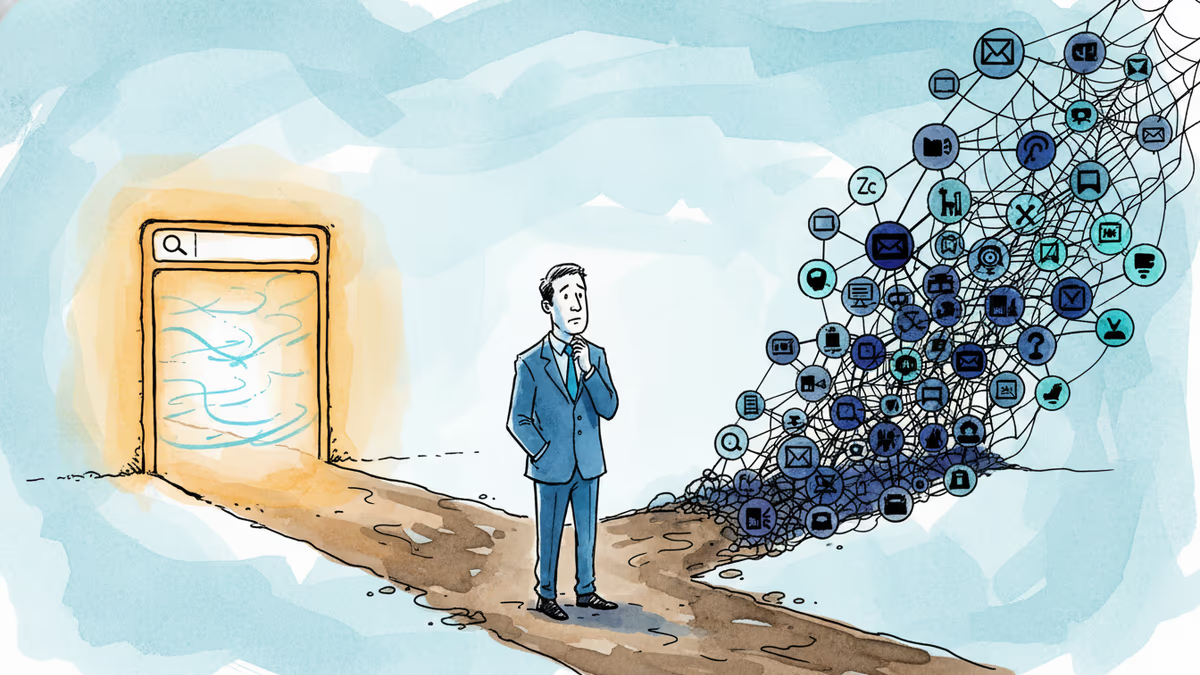
In a post-Google I/O interview, Sundar Pichai acknowledged flawed search results, real AI anxiety, and an AGI timeline that makes the label irrelevant. Here's what he said — and what it means.
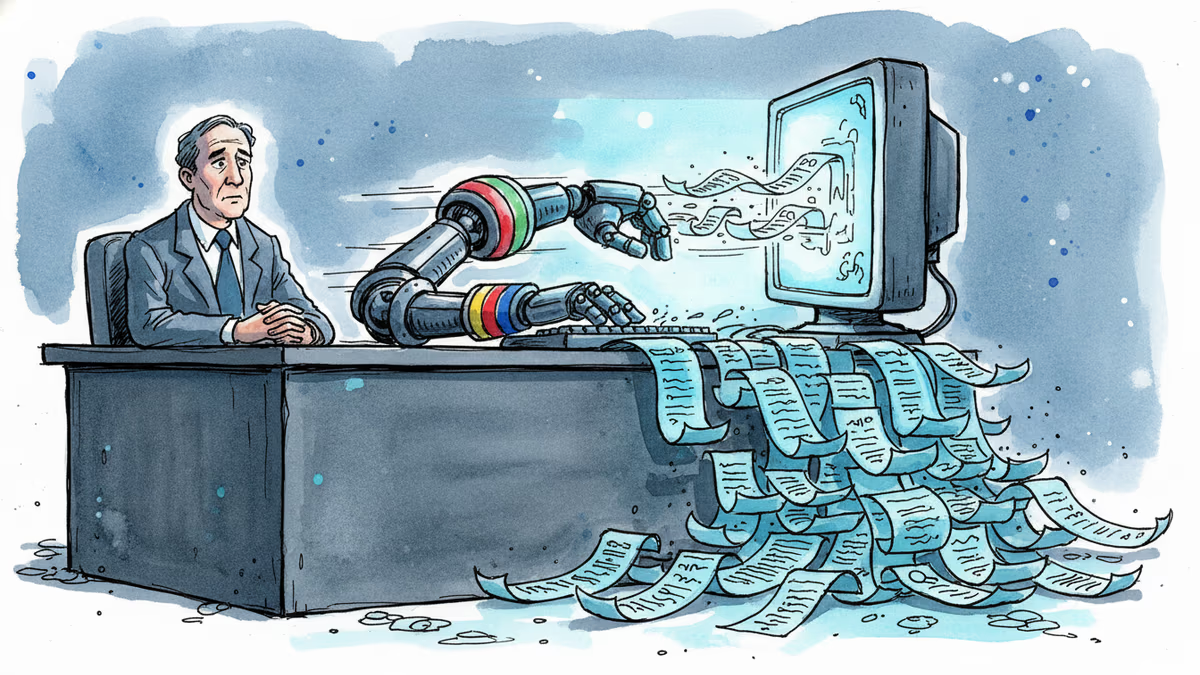
Google is building AI agents that search the web proactively, without user prompting. That's not just a product update — it's a fundamental shift in who controls the information you receive.
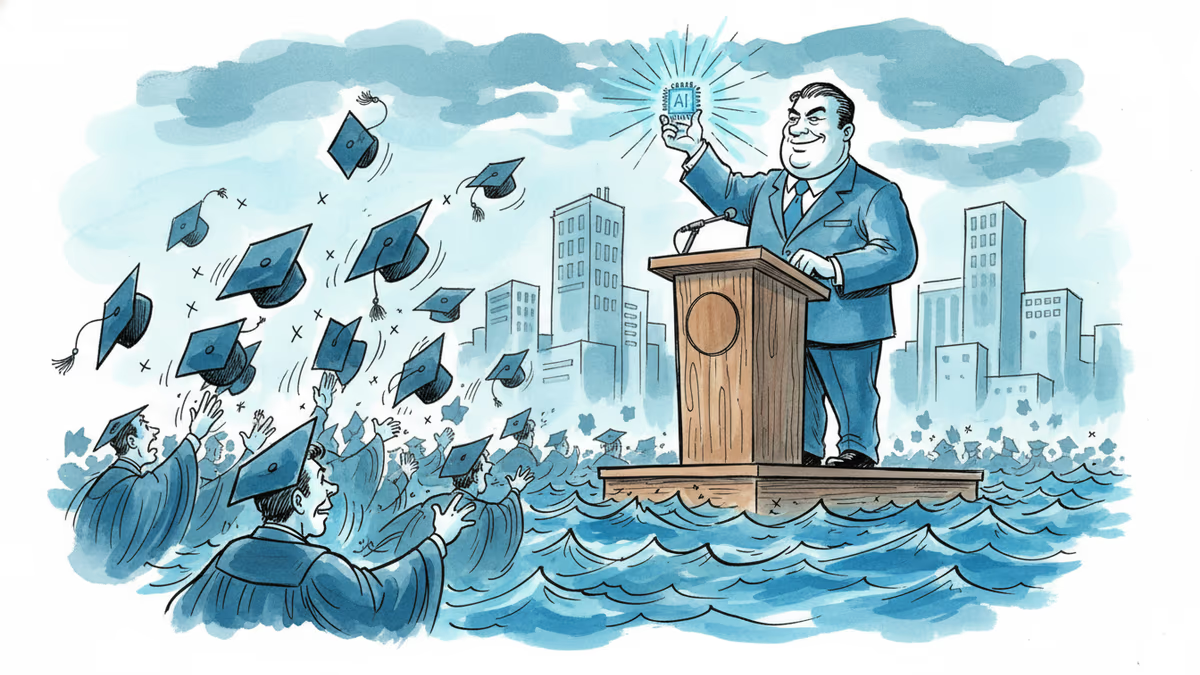
Viral videos show 2026 graduates jeering executives who praise AI at commencement ceremonies. It's not just rudeness — it's a signal about who pays for technological optimism.
Google unveiled the 'Googlebook' platform to replace Chromebook and ChromeOS—but revealed zero hardware specs. What's the strategy, and what does it mean for users, manufacturers, and the education market?
In a post-Google I/O interview, Sundar Pichai acknowledged flawed search results, real AI anxiety, and an AGI timeline that makes the label irrelevant. Here's what he said — and what it means.
Google is building AI agents that search the web proactively, without user prompting. That's not just a product update — it's a fundamental shift in who controls the information you receive.
Viral videos show 2026 graduates jeering executives who praise AI at commencement ceremonies. It's not just rudeness — it's a signal about who pays for technological optimism.
Google unveiled the 'Googlebook' platform to replace Chromebook and ChromeOS—but revealed zero hardware specs. What's the strategy, and what does it mean for users, manufacturers, and the education market?
Thoughts
Share your thoughts on this article
Sign in to join the conversation