
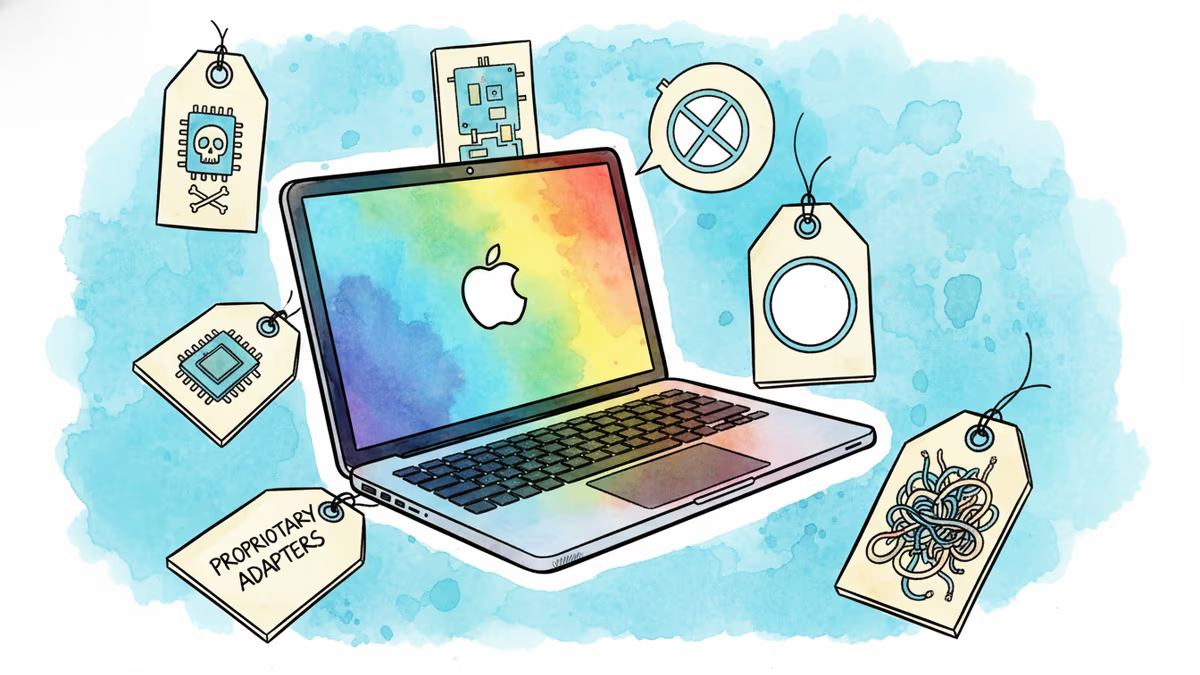
The MacBook Neo Reality Check: What Apple Isn't Telling You
Apple's $599 MacBook Neo launches March 11th with major compromises. We examine what the colorful budget laptop sacrifices and whether it's worth buying.
A $599 MacBook Sounds Too Good to Be True
Apple's cheapest laptop ever launches March 11th, and Best Buy's already sweetening the deal with a $25 gift card. The MacBook Neo promises Apple design at an unprecedented price point. But here's the thing about Apple and "budget" products – they always come with a catch.
The MacBook Neo represents Apple's most aggressive pricing strategy in years. At $599 for the base model, it undercuts the MacBook Air by $500. Yet strip away the marketing, and you'll find a device built on compromises that might frustrate more than they satisfy.
The 8GB RAM Problem Nobody's Talking About
Let's address the elephant in the room: 8GB of RAM in 2026 is borderline insulting. This isn't just about future-proofing – it's about basic functionality today. Try running Slack, Chrome, and Spotify simultaneously, and you'll hit performance walls faster than you'd expect.
The A18 Pro chip is capable enough, borrowed from the iPhone 16 generation. But pairing it with insufficient memory is like putting premium gas in a car with a clogged fuel filter. The potential is there; the execution isn't.

What's Missing Tells the Real Story
No MagSafe. No Thunderbolt. One USB-C port runs at USB 2.0 speeds – a standard that's older than most college freshmen. File transfers will feel painfully slow, especially for creative work.
TouchID only appears on the $699 model. The base version forces you back to password typing – a step backward in user experience that feels deliberately frustrating.
The Strategic Play Behind the Price
This isn't really about creating an affordable MacBook. It's about ecosystem capture. Apple's betting that once you're hooked on macOS and the Apple experience, you'll eventually upgrade to something better – and more expensive.
The colorful design targets students and first-time Mac buyers. It's the same strategy that worked with the iPhone SE – offer just enough Apple magic to create brand loyalty, then upsell later.
Authors
Related Articles
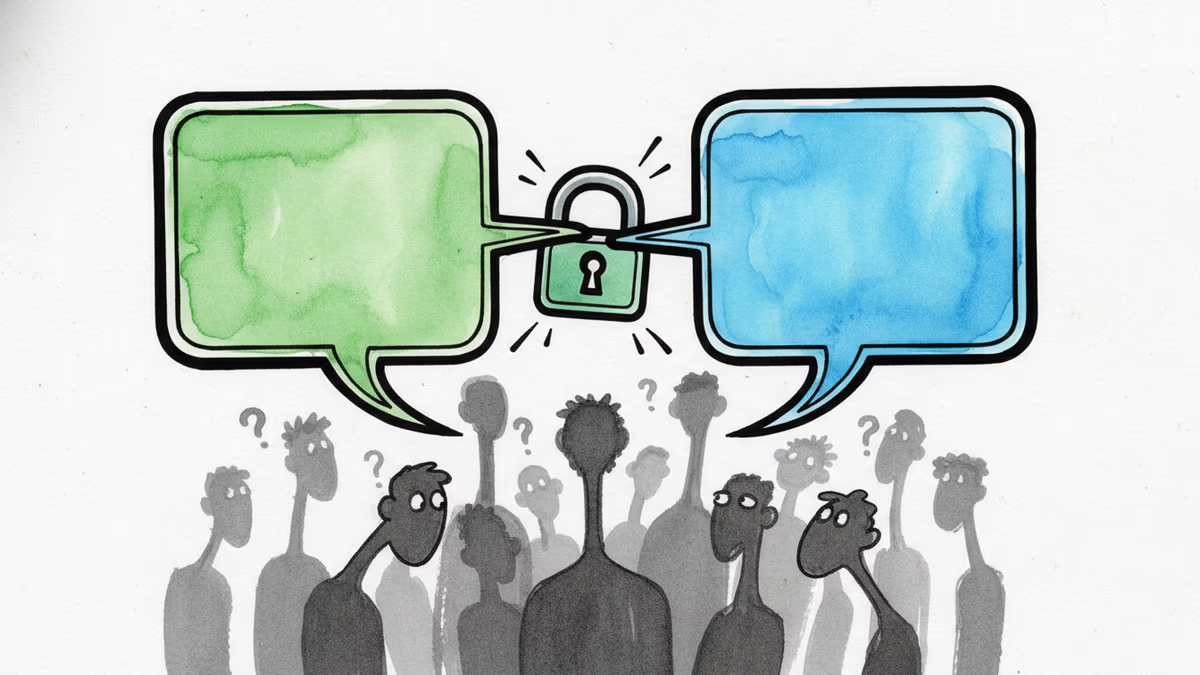
After 15 years of fragmented mobile messaging, Apple and Google are rolling out end-to-end encrypted RCS messaging between iPhones and Android devices. Here's what changed, why it took so long, and what it means for your privacy.
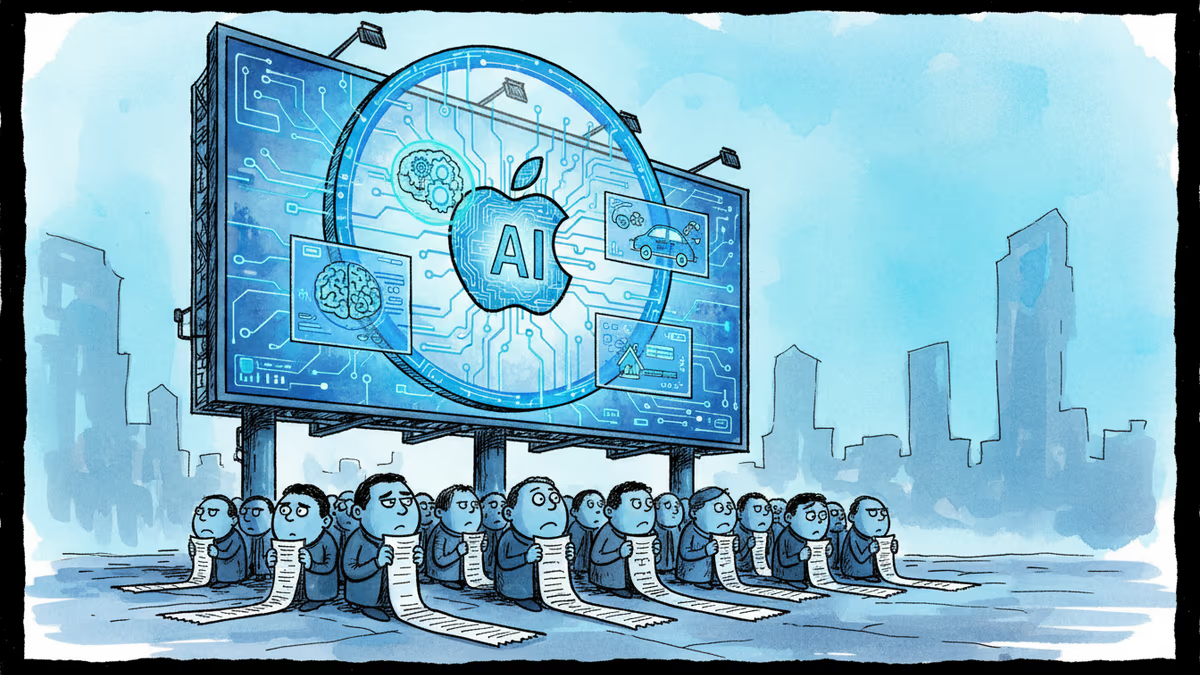
Apple agreed to pay $250 million to settle claims it misled iPhone 16 buyers about Apple Intelligence features. What this means for consumers, Big Tech marketing, and the AI industry.
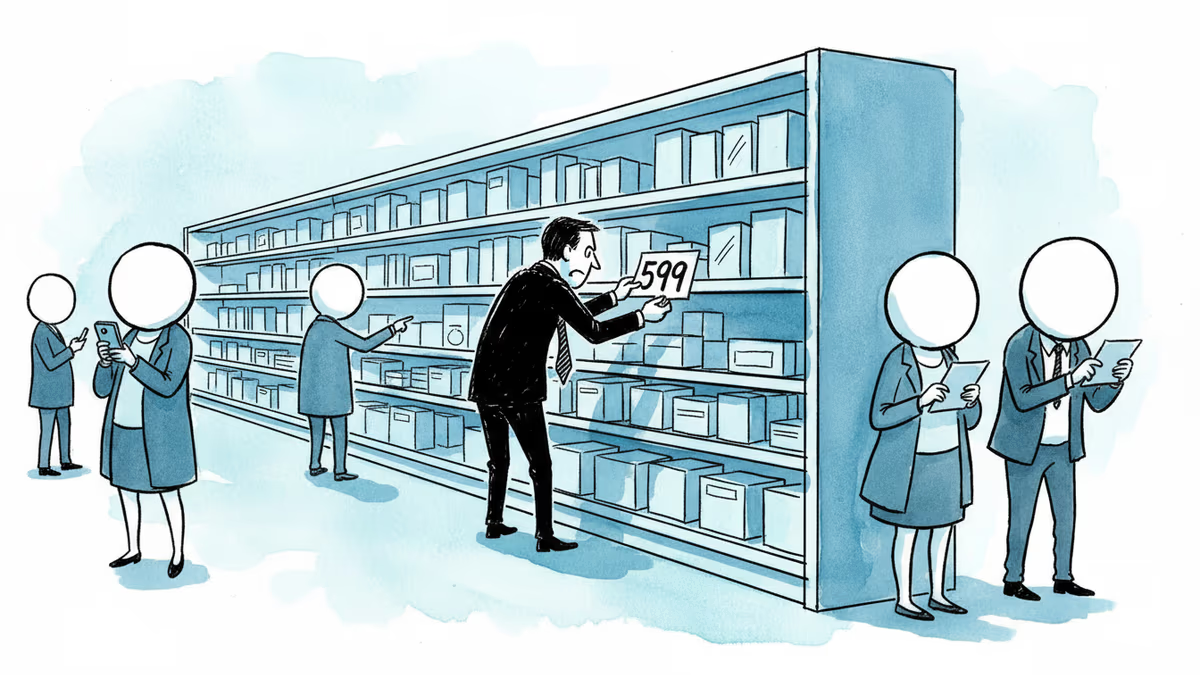
Apple quietly removed the entry-level $599 Mac Mini, raising the starting price to $799 — just one day after Tim Cook warned of chip supply constraints on the earnings call.
Apple names John Ternus, its hardware engineering chief, as the next CEO. The shift from operator to product person signals where Apple thinks its next decade of growth will come from — and raises real questions about what comes next.
After 15 years of fragmented mobile messaging, Apple and Google are rolling out end-to-end encrypted RCS messaging between iPhones and Android devices. Here's what changed, why it took so long, and what it means for your privacy.
Apple agreed to pay $250 million to settle claims it misled iPhone 16 buyers about Apple Intelligence features. What this means for consumers, Big Tech marketing, and the AI industry.
Apple quietly removed the entry-level $599 Mac Mini, raising the starting price to $799 — just one day after Tim Cook warned of chip supply constraints on the earnings call.
Apple names John Ternus, its hardware engineering chief, as the next CEO. The shift from operator to product person signals where Apple thinks its next decade of growth will come from — and raises real questions about what comes next.
Thoughts
Share your thoughts on this article
Sign in to join the conversation