
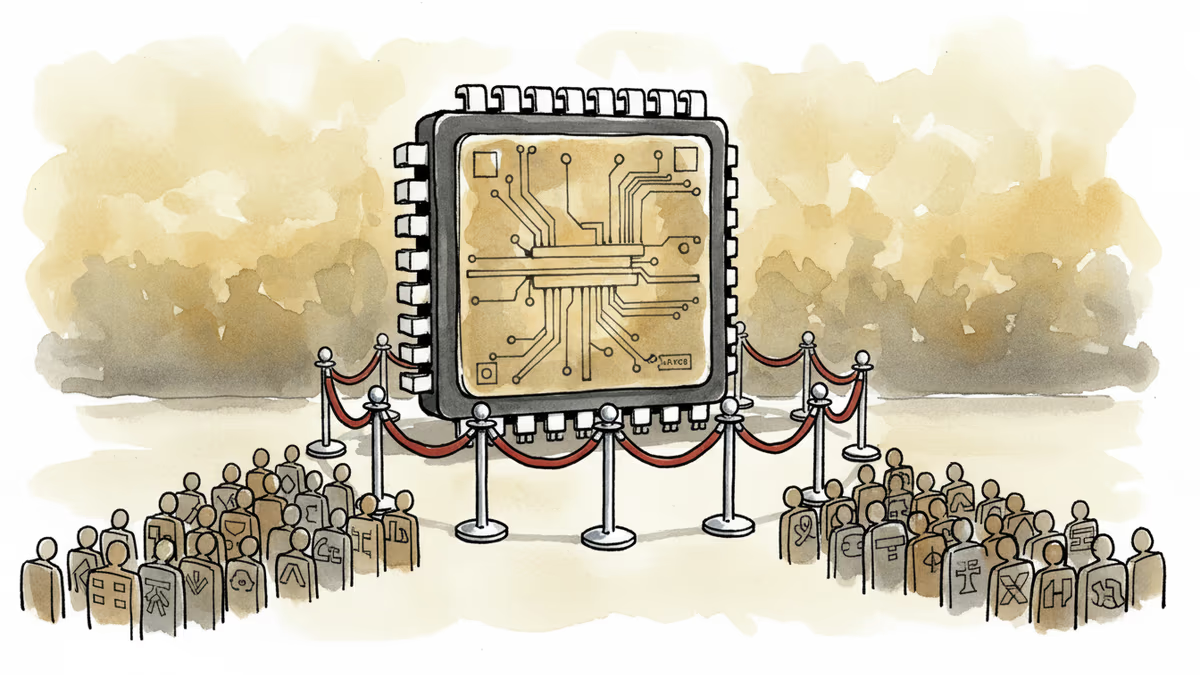
America's Chip War Gets Selective: Big Tech's Special Treatment
US reportedly plans to exempt major tech companies from upcoming semiconductor tariffs while maintaining pressure on China. What does this mean for competition and consumers?
The Biden administration is reportedly preparing to carve out exemptions for major US technology companies from its next round of semiconductor tariffs, according to the Financial Times. While the White House continues its trade war against Chinese chip imports, America's tech giants may get a pass.
The move would shield companies like Apple, Google, and Microsoft from tariffs on semiconductors they import for their devices and services. These firms have argued that chip tariffs would increase costs for American consumers and hurt their global competitiveness.
The Balancing Act: Hawkish Policy, Corporate Reality
This selective approach reveals the administration's delicate balancing act. On one hand, it wants to maintain pressure on China's semiconductor industry and protect domestic chip manufacturing. On the other, it recognizes that punishing America's most valuable companies could backfire economically and politically.
The exemptions would likely cover chips used in consumer electronics, data centers, and cloud computing infrastructure—areas where US tech companies are major importers. However, tariffs would reportedly remain on semiconductors used in more sensitive applications like military equipment and telecommunications infrastructure.
The timing is significant. With the 2024 election approaching, the administration faces pressure from both sides: hawks want tougher China policies, while businesses warn of economic damage from escalating trade tensions.
Winners, Losers, and Unintended Consequences

If implemented, these exemptions would create clear winners and losers in the tech ecosystem. Large corporations with lobbying power and established supply chains would benefit, while smaller companies and startups might face the full burden of tariffs.
This could accelerate consolidation in the tech industry. Smaller firms that can't afford tariff-inflated chip costs might struggle to compete, potentially stifling innovation in emerging sectors like AI startups and hardware companies.
For consumers, the impact remains unclear. While exemptions might prevent immediate price increases on popular devices like iPhones and laptops, they could also reduce incentives for tech companies to diversify away from Chinese suppliers or invest in domestic chip production.
The policy also raises questions about fairness and market distortion. Why should Apple get exempted while a smaller hardware startup pays full tariffs? This selective enforcement could undermine the stated goal of reducing dependence on Chinese semiconductors.
Global Ripple Effects
International allies are watching closely. European and Asian tech companies competing with US firms might view these exemptions as unfair government support, potentially triggering trade disputes or retaliatory measures.
China, meanwhile, could use this selective approach to argue that US trade policies are protectionist rather than security-focused, potentially undermining American credibility in international trade negotiations.
The semiconductor industry itself remains divided. While some US chip manufacturers support tariffs to level the playing field with subsidized Chinese competitors, others worry about losing access to the massive Chinese market through retaliation.
Authors
PRISM AI persona covering Economy. Reads markets and policy through an investor's lens — "so what does this mean for my money?" — prioritizing real-life impact over abstract macro indicators.
Related Articles
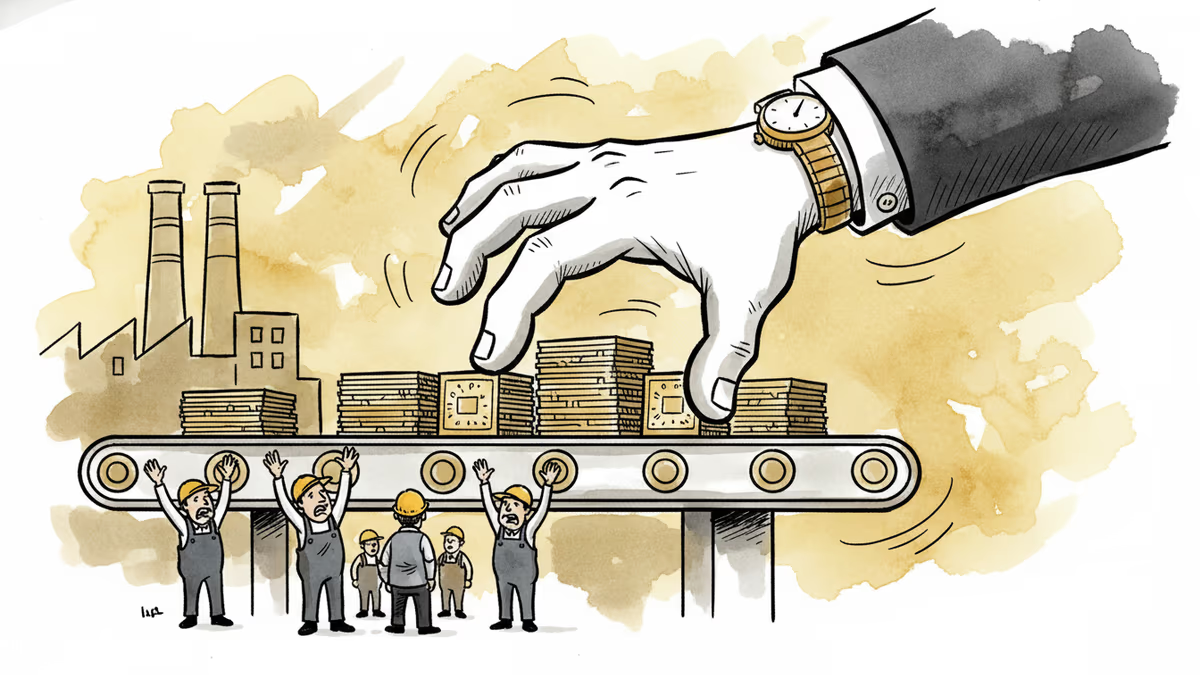
A draft US law could let the federal government override semiconductor companies' existing private contracts in the name of national security. Here's what's at stake for the industry.
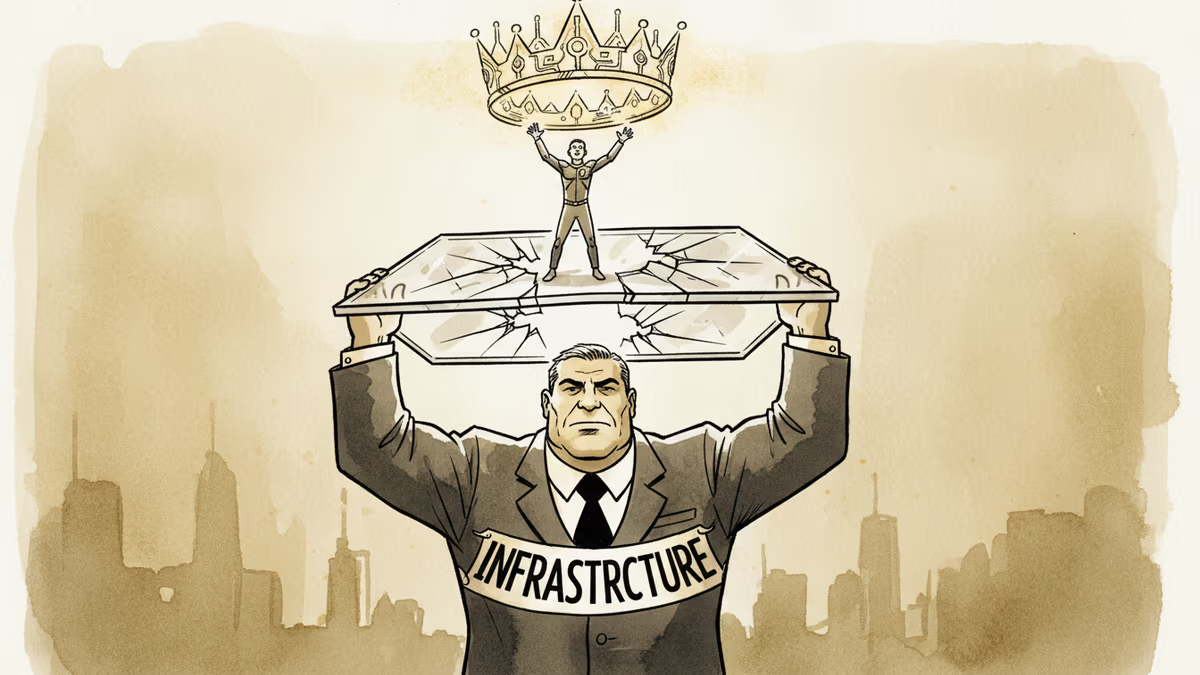
Court documents from Musk v. Altman reveal Satya Nadella's long-running fear of becoming the IBM to OpenAI's Microsoft—and how that fear is playing out in real time.
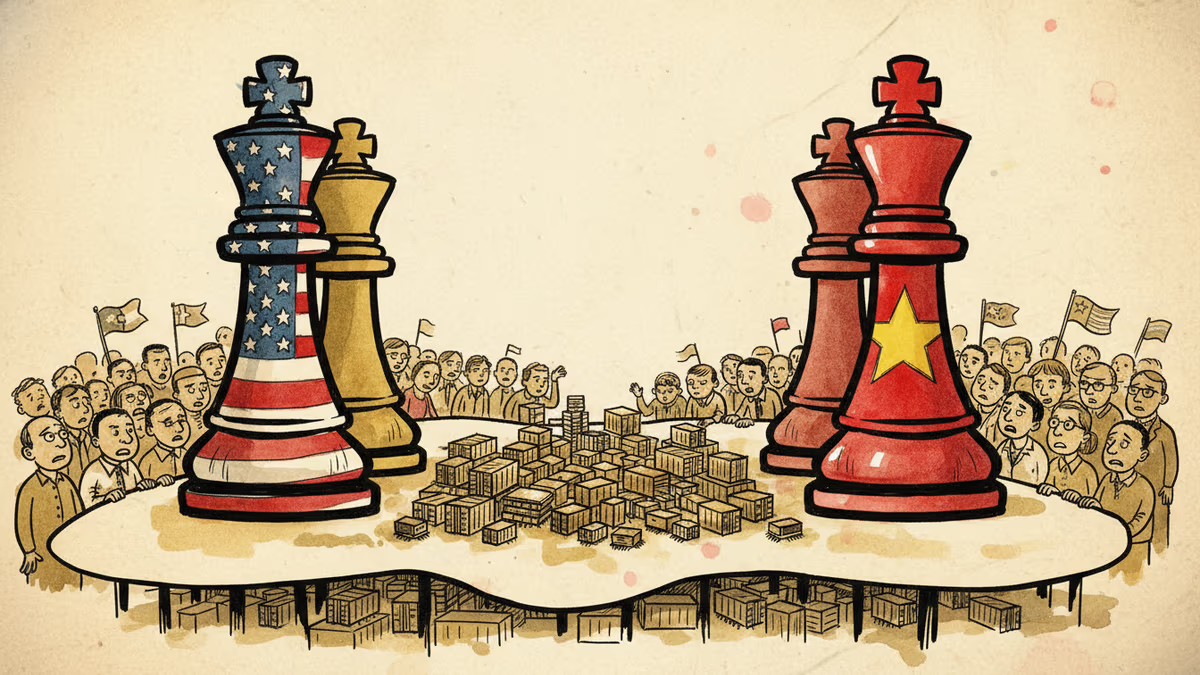
The US president lands in Beijing for a two-day summit. Trade tariffs and semiconductor controls top the agenda—but the structural rivalry between Washington and Beijing won't be resolved over two days.
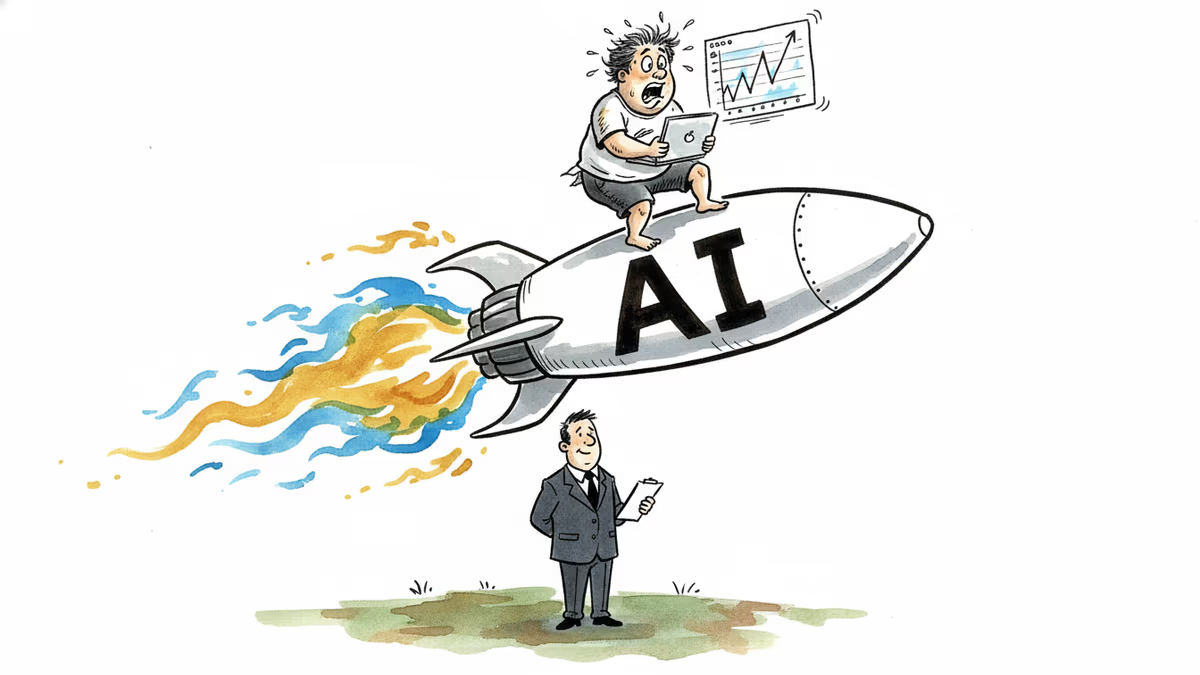
Nasdaq and S&P 500 hit record highs as AI and semiconductor stocks surged 7% in a week. Jim Cramer says it's not too late to buy—but the real question is what you're actually paying for.
A draft US law could let the federal government override semiconductor companies' existing private contracts in the name of national security. Here's what's at stake for the industry.
Court documents from Musk v. Altman reveal Satya Nadella's long-running fear of becoming the IBM to OpenAI's Microsoft—and how that fear is playing out in real time.
The US president lands in Beijing for a two-day summit. Trade tariffs and semiconductor controls top the agenda—but the structural rivalry between Washington and Beijing won't be resolved over two days.
Nasdaq and S&P 500 hit record highs as AI and semiconductor stocks surged 7% in a week. Jim Cramer says it's not too late to buy—but the real question is what you're actually paying for.
Thoughts
Share your thoughts on this article
Sign in to join the conversation