
Bill Gates' Daughter Raises $35M for AI Shopping Agent in 10 Months
Phoebe Gates and Sophia Kianni's AI shopping startup Phia secured $35M funding, aiming to transform e-commerce with personalized shopping experiences and sustainable alternatives.
$35 million in ten months. That's the kind of fundraising speed that makes Silicon Valley take notice. But what's more intriguing than the money—or even the celebrity investor list featuring Kris Jenner and Sheryl Sandberg—is what Phia represents for the future of online shopping.
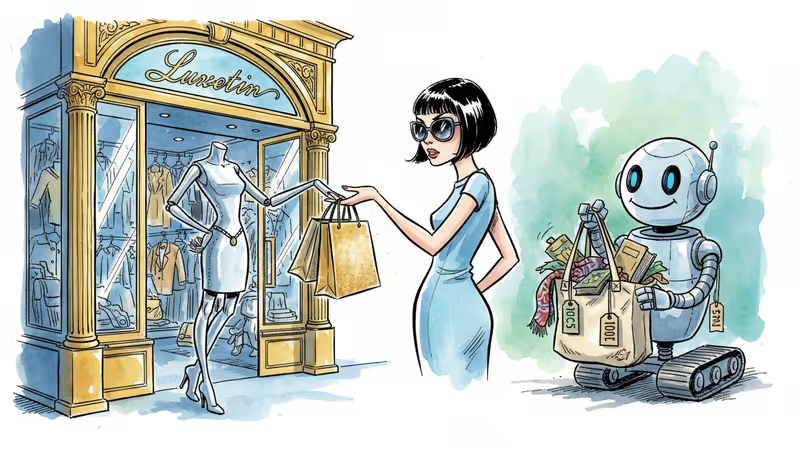
Founded by Stanford roommates Phoebe Gates (yes, Bill's daughter) and climate activist Sophia Kianni, Phia is building what they call an "AI shopping agent." Currently, it's a mobile app and browser extension that helps users save money by suggesting secondhand alternatives to new purchases. Eyeing that $200Anthropologie dress? Phia might show you the same one on Poshmark for $80.
The numbers suggest they're onto something: hundreds of thousands of monthly active users, 11x revenue growth since launch, and 6,200 retail partners onboarded. The startup takes a cut when brands make sales through the platform—a familiar affiliate model with an AI twist.
Beyond Bargain Hunting
But Gates and Kianni have bigger ambitions than just finding deals. They envision a "holistic shopping agent" that understands your taste, your size, and what's already hanging in your closet. "Gone are the days where you would go to a static HTML page that's not personalized for you," Gates explains.
This vision requires serious engineering talent, which is where the new funding comes in. The 20-person team plans to recruit top machine learning engineers to build truly personalized shopping experiences. As Kianni puts it: "It's not even about team size anymore. It's just about the quality of the talent you're attracting."
The sustainability angle—Kianni's background as a UN climate advisor—provides additional appeal. But the founders are pragmatic: consumers will adopt the technology because it saves money, not just because it's environmentally friendly.
The Data Dilemma

Personalization requires data, and that's where things get complicated. In November, cybersecurity researchers discovered that Phia's browser extension was capturing HTML code from websites users visited—essentially collecting browser history data. The company quickly removed the feature and clarified it was only meant to identify shopping destinations.
"We always are extremely transparent with users about the reasons why we are requesting certain permissions," Kianni insists. "All data is aggregated, anonymous, and only used for the purpose of being able to help users find the best products as efficiently as possible."
But as AI agents become more sophisticated, they'll need even more personal data to deliver truly customized experiences. The challenge isn't just technical—it's about building consumer trust in an era of heightened privacy concerns.
The Influence Economy
What sets Phia apart isn't just its technology but its marketing approach. Gates and Kianni have amassed over 2 million followers across social platforms, including their podcast "The Burnouts," where they interview everyone from longevity enthusiast Bryan Johnson to Paris Hilton.
This founder-led marketing represents a new model for startup growth. Rather than spending millions on traditional advertising, they're leveraging their personal brands to build user trust and drive adoption. It's a strategy that works particularly well for consumer-facing products where trust and recommendation matter.
Shopping's Next Chapter
The broader question is whether Phia can evolve from a recommendation engine into a true shopping agent. Current functionality is relatively simple—suggesting alternatives and providing affiliate links. A genuine AI agent would handle the entire purchase journey: research, comparison, negotiation, purchase, and even returns.
That level of automation would fundamentally reshape e-commerce. Instead of browsing Amazon or visiting brand websites, consumers might simply tell their AI agent what they need and let it handle the rest. Traditional retailers and platforms would need to adapt to a world where AI intermediaries control customer relationships.
Authors
Related Articles
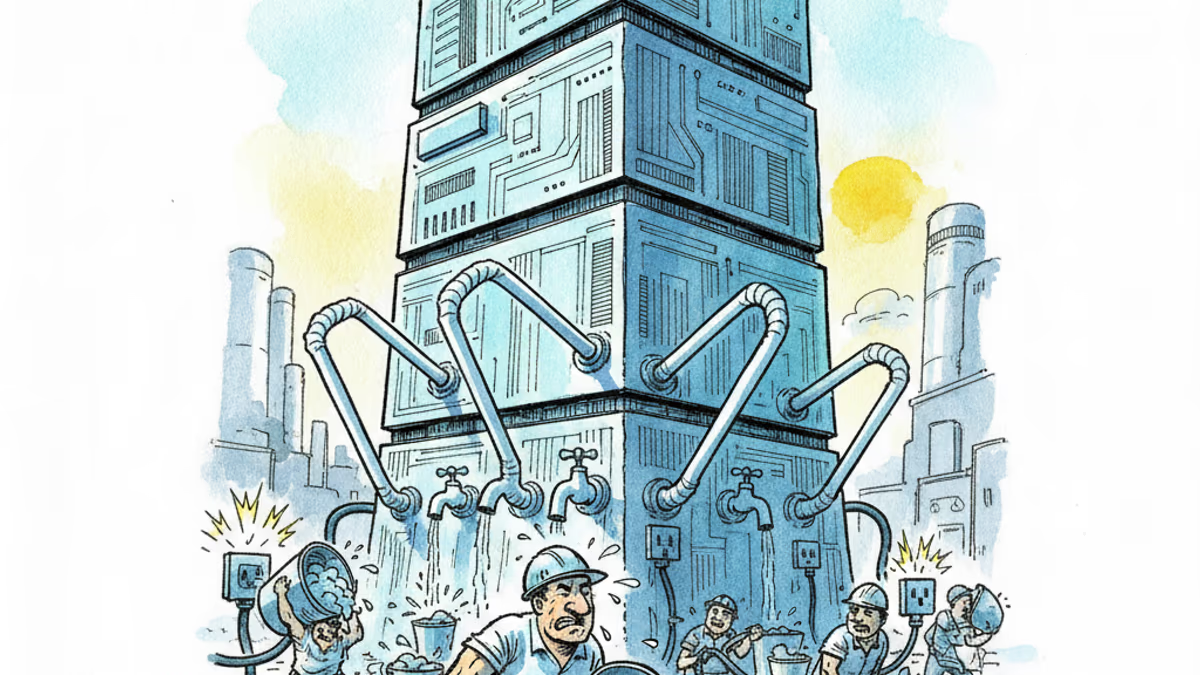
Samsung and SK unveiled a chip and AI investment package worth thousands of trillions of won on June 29. The headline number swings wildly by outlet, but the real contest isn't capital — it's water and power.

Viral videos show 2026 graduates jeering executives who praise AI at commencement ceremonies. It's not just rudeness — it's a signal about who pays for technological optimism.

Filipino virtual assistants using AI to ghost-manage LinkedIn profiles for executives is now a structured industry. 30 comments a day, fake engagement rings, and a platform struggling to tell real from fabricated.
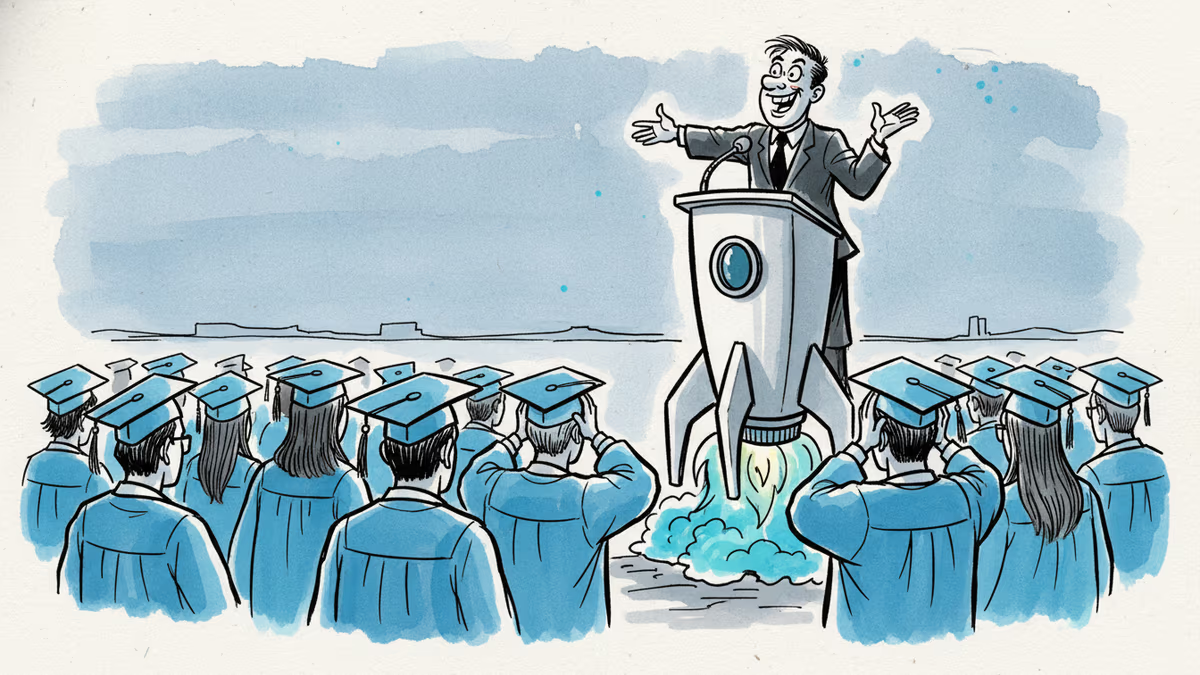
Two commencement speakers learned the hard way that AI enthusiasm doesn't land well with today's graduates. The backlash reveals a widening gap between tech optimism and Gen Z's economic reality.
Samsung and SK unveiled a chip and AI investment package worth thousands of trillions of won on June 29. The headline number swings wildly by outlet, but the real contest isn't capital — it's water and power.
Viral videos show 2026 graduates jeering executives who praise AI at commencement ceremonies. It's not just rudeness — it's a signal about who pays for technological optimism.
Filipino virtual assistants using AI to ghost-manage LinkedIn profiles for executives is now a structured industry. 30 comments a day, fake engagement rings, and a platform struggling to tell real from fabricated.
Two commencement speakers learned the hard way that AI enthusiasm doesn't land well with today's graduates. The backlash reveals a widening gap between tech optimism and Gen Z's economic reality.
Thoughts
Share your thoughts on this article
Sign in to join the conversation