
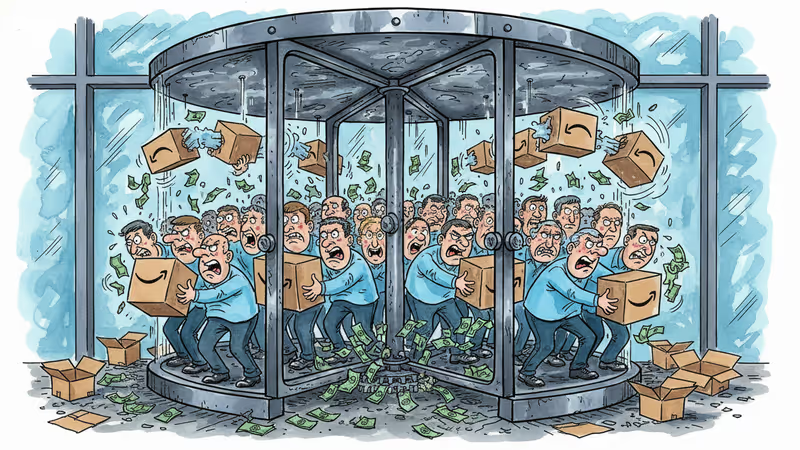
Amazon's $1B Settlement Exposes the Hidden Cost of 'Free' Returns
Amazon settles class-action lawsuit over return processing errors for over $1 billion, revealing the true cost behind 'free, hassle-free' return promises in e-commerce.
Over $1 billion. That's what it costs when "free, hassle-free returns" aren't actually free or hassle-free.
Amazon has agreed to a settlement worth more than $1 billion to resolve claims that it incorrectly processed customer returns, according to reports from Reuters and Bloomberg Law. The settlement includes $600 million in direct refunds plus an additional $309.5 million in payments to affected customers.
When 'Free' Comes with a Hidden Price Tag
The class-action lawsuit, filed in 2023, painted a troubling picture behind Amazon's marketing promises. While the company advertises "free, no hassle returns," plaintiffs alleged it "fails to issue refunds or re-charges customers who have returned items." Even more concerning: Amazon allegedly knew customers weren't aware of these issues, leading to "substantial unjustified monetary losses."
Imagine returning a $200 jacket, only to discover weeks later that you were never refunded—or worse, charged twice. For millions of customers, this wasn't a hypothetical scenario.
The E-commerce Return Dilemma
Amazon's settlement exposes a fundamental tension in modern e-commerce. "Free returns" have become table stakes for online retailers, but they're anything but free. The costs are massive: reverse logistics, restocking, processing, and inevitable losses from damaged or unsellable items.

Industry data suggests return rates can reach 30-40% for categories like apparel and footwear. For a company processing billions of orders annually, even small processing errors can compound into enormous financial exposure—as this settlement demonstrates.
The Ripple Effect Across Retail
This isn't just an Amazon problem. Every major e-commerce player—from Walmart to Target to smaller online retailers—faces similar pressures. The promise of frictionless returns drives customer acquisition, but the operational reality is far more complex.
Some companies are already adjusting their strategies. Zara now charges for online returns in some markets. ASOS has introduced return fees for frequent returners. Amazon itself has quietly tightened return policies for certain product categories.
Who Really Pays for 'Free'?
The settlement raises a crucial question: who should bear the cost of returns in the digital economy? Consumers expect the convenience they've been promised. But companies need sustainable business models.
The reality is that "free" returns were never truly free—the costs were simply hidden in product pricing, membership fees, or absorbed as a customer acquisition expense. As e-commerce matures, this model is becoming harder to sustain.
For consumers, this could mean more transparent pricing but potentially higher upfront costs. For investors, it signals that the era of growth-at-any-cost e-commerce may be ending, replaced by more disciplined, profitable operations.
Authors
Related Articles
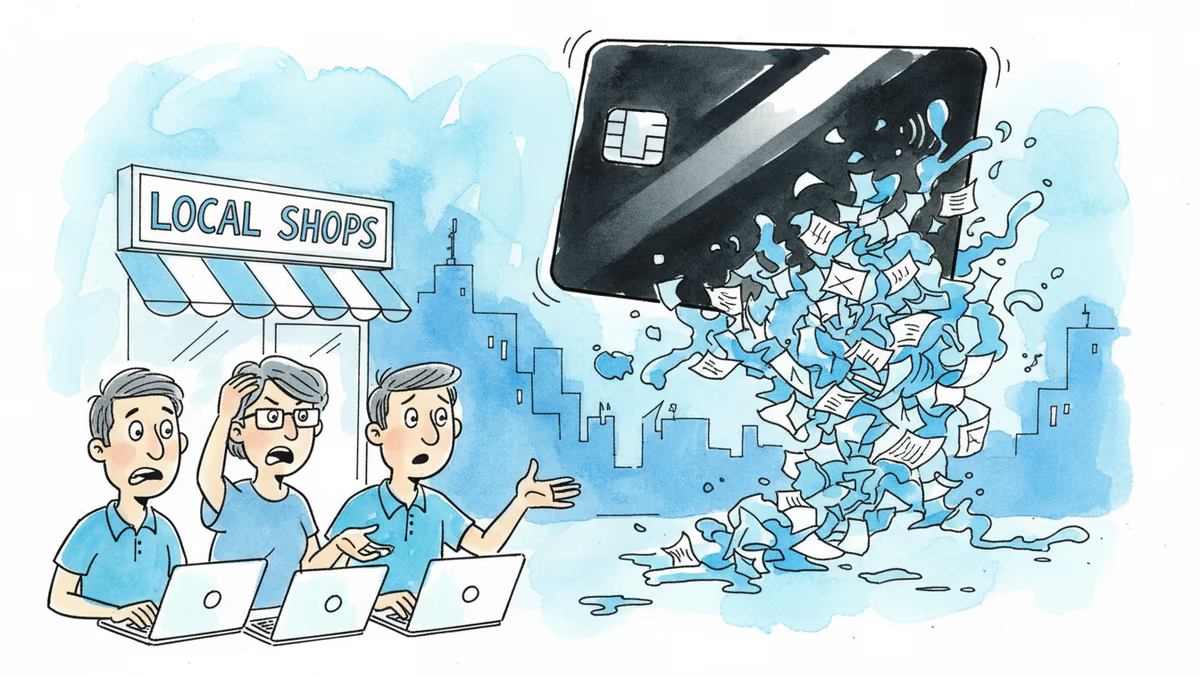
E-commerce fintech Parker filed for Chapter 7 bankruptcy on May 7, despite raising over $200M. The YC-backed startup's abrupt shutdown left small business customers scrambling—and exposed the fragility of vertical fintech models.
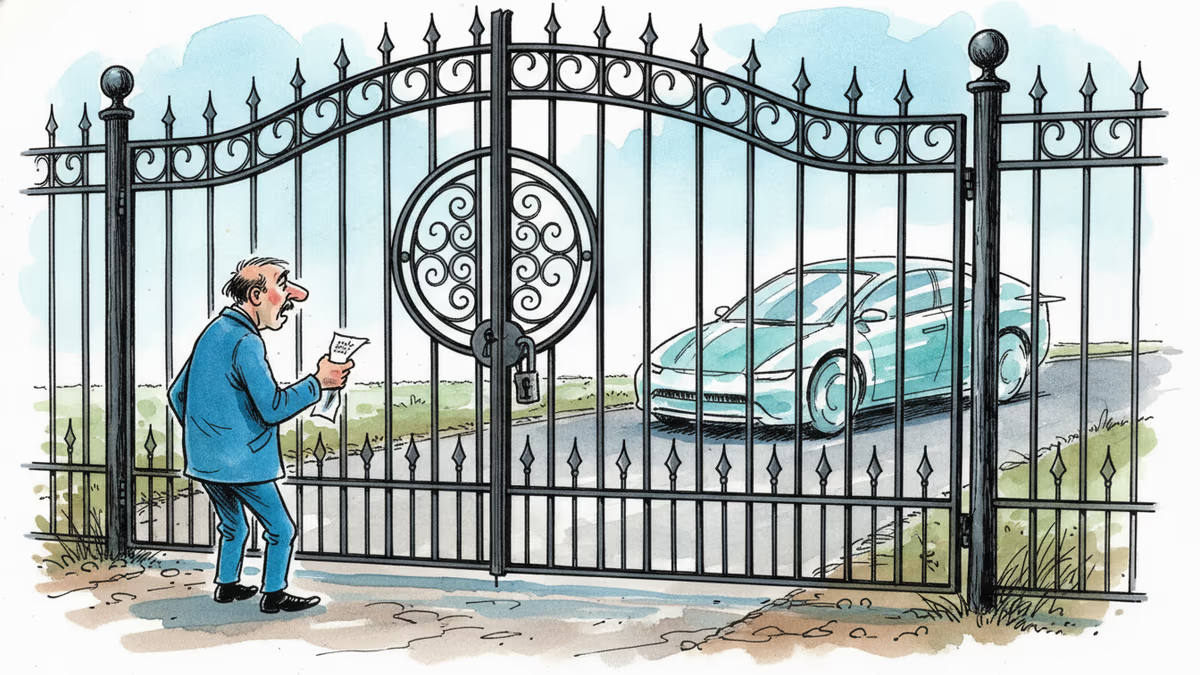
Elon Musk confirmed on Tesla's Q1 2026 earnings call that Hardware 3 vehicles will never receive unsupervised Full Self-Driving — locking out millions who paid for the feature.
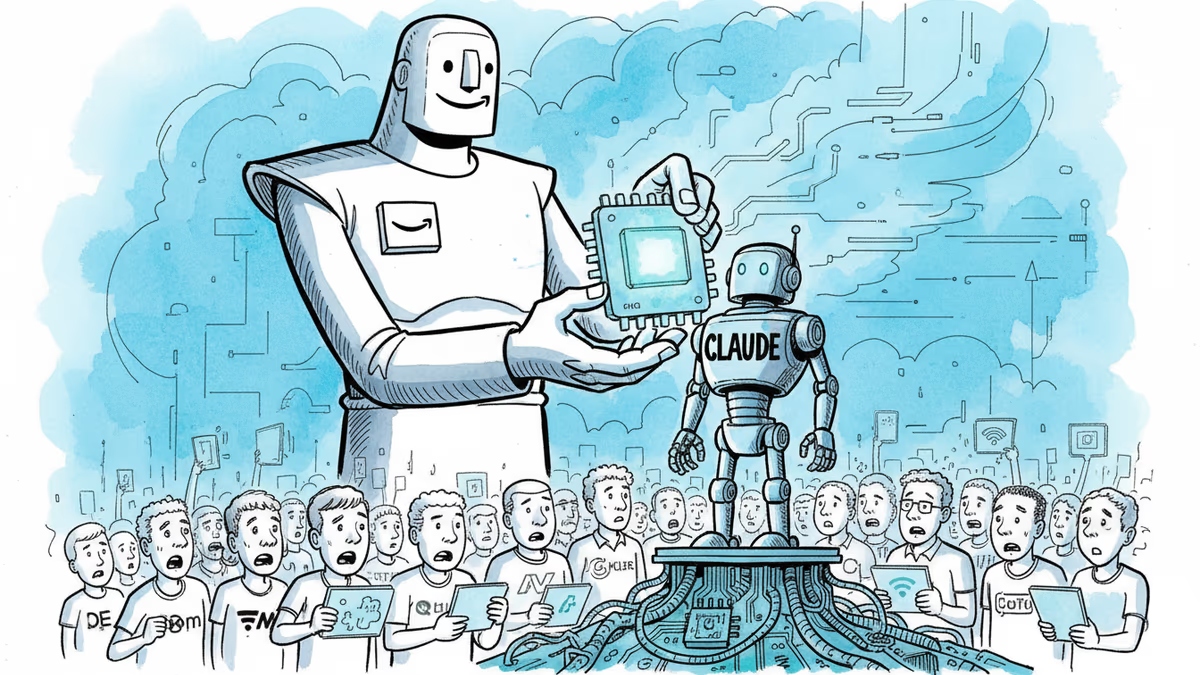
Amazon has poured an additional $5 billion into Anthropic, bringing its total stake to $13 billion—with up to $20 billion more on the table. Here's what the deal really signals about the AI infrastructure race.
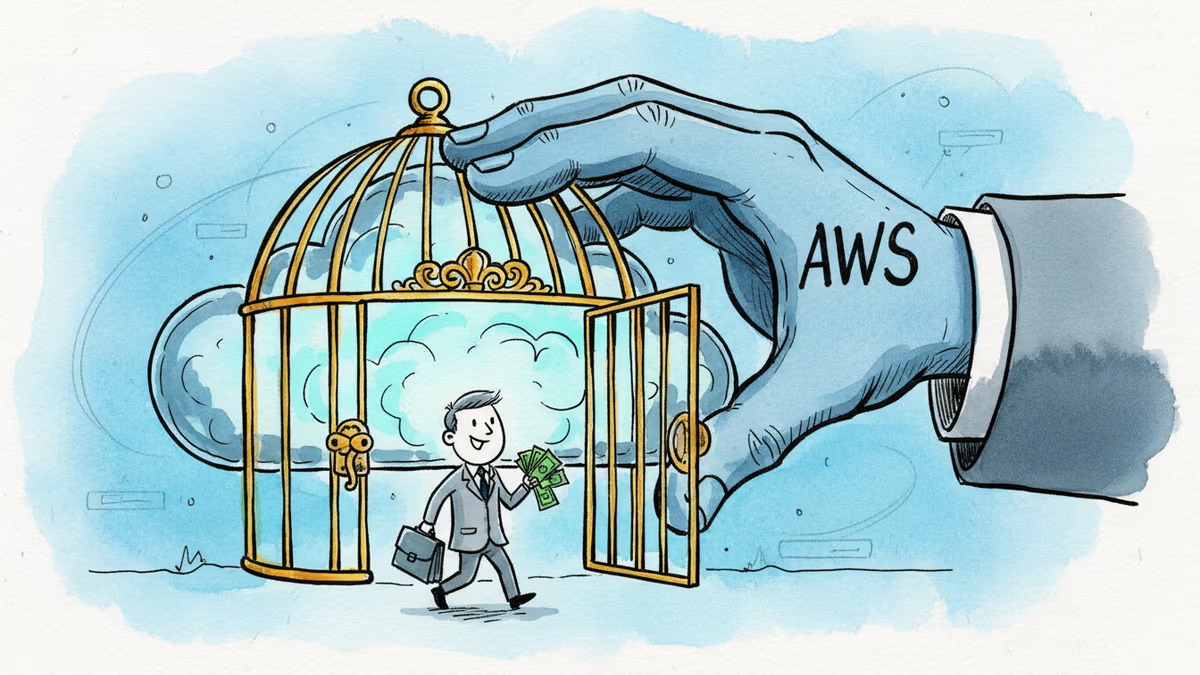
Amazon's fresh $5B investment in Anthropic brings its total to $13B. But the real story is a $100B AWS spending pledge and a bet on Amazon's own AI chips over Nvidia.
E-commerce fintech Parker filed for Chapter 7 bankruptcy on May 7, despite raising over $200M. The YC-backed startup's abrupt shutdown left small business customers scrambling—and exposed the fragility of vertical fintech models.
Elon Musk confirmed on Tesla's Q1 2026 earnings call that Hardware 3 vehicles will never receive unsupervised Full Self-Driving — locking out millions who paid for the feature.
Amazon has poured an additional $5 billion into Anthropic, bringing its total stake to $13 billion—with up to $20 billion more on the table. Here's what the deal really signals about the AI infrastructure race.
Amazon's fresh $5B investment in Anthropic brings its total to $13B. But the real story is a $100B AWS spending pledge and a bet on Amazon's own AI chips over Nvidia.
Thoughts
Share your thoughts on this article
Sign in to join the conversation