
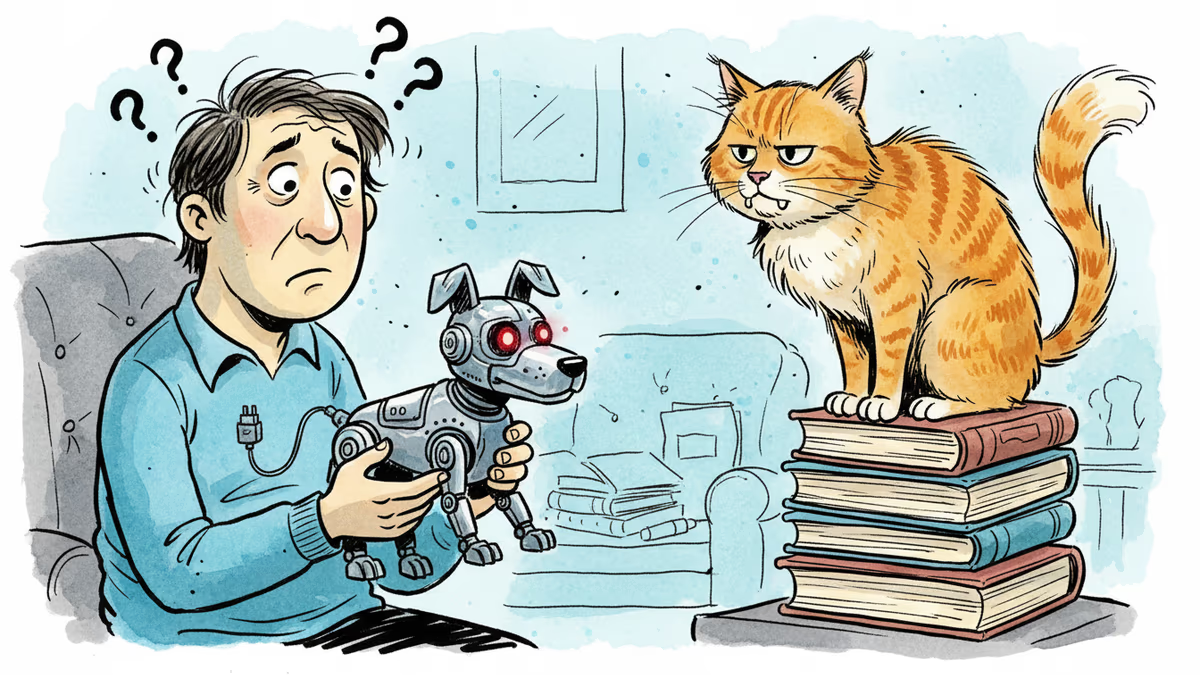
Why AI Pet Moflin Fails to Win Hearts
Casio's AI pet Moflin promised companionship through artificial intelligence, but users are experiencing unexpected rejection. Can technology truly replace emotional bonds?
The $400 Furball Nobody Wants to Hug
After weeks of living with Moflin, Casio's AI-powered pet, users are reporting an unexpected reaction: the overwhelming urge to throw it away. The guinea-pig-sized robot, designed to learn and grow through interaction, was supposed to solve the modern dilemma of wanting pet companionship without the responsibility. Instead, it's creating a new problem entirely.
Moflin represents Casio's ambitious entry into the AI companion market. The $400 device uses sensors and machine learning to develop unique personalities based on how owners interact with it. Touch it gently, and it purrs contentedly. Ignore it, and it becomes withdrawn. The concept sounds revolutionary—a pet that adapts to your lifestyle without vet bills or litter boxes.
But reality tells a different story. Users describe constant whirring sounds, unpredictable movements, and an eerie quality that makes prolonged interaction uncomfortable. The very features meant to make Moflin lifelike—its learning behaviors and responsive sounds—seem to trigger an instinctive rejection.
The Uncanny Valley of Artificial Affection
Moflin's struggle highlights a fundamental challenge in robotics: the uncanny valley. When robots are clearly mechanical, we accept them as tools or toys. But as they become more lifelike, they often provoke discomfort rather than affection. Moflin sits uncomfortably in this middle ground—too artificial to feel real, too realistic to feel safe.

Real pets are unpredictable, but their chaos comes with genuine emotion and biological needs that create authentic bonds. Moflin's algorithmic responses, no matter how sophisticated, feel hollow by comparison. Users intuitively sense the difference between genuine affection and programmed behavior.
This isn't just a Moflin problem. Sony's Aibo robotic dog succeeded partly because it never pretended to be a real animal—it embraced its identity as a robot companion. The key difference? Aibo didn't try to replace emotional bonds; it created new ones based on what robots do well: consistency, reliability, and novel interaction patterns.
A Market Still Betting on Robot Love
Despite individual product struggles, the AI companion market continues growing. Industry analysts project the robotic pet market will reach $2.9 billion by 2030, driven by urbanization, aging populations, and lifestyle constraints that make traditional pet ownership difficult.
The demand is real. Urban dwellers face apartment restrictions, long work hours, and travel schedules incompatible with pet care. Elderly individuals want companionship without physical demands. Families with allergies seek alternatives to traditional pets. These needs create genuine market opportunities for companies willing to solve them thoughtfully.
Japan leads in acceptance of robotic companions, with cultural attitudes more open to emotional relationships with artificial beings. But Western markets remain skeptical, viewing such relationships as somehow inauthentic or concerning. This cultural divide suggests different regions may require entirely different approaches to AI companionship.
Authors
Related Articles

Samsung and SK unveiled a chip and AI investment package worth thousands of trillions of won on June 29. The headline number swings wildly by outlet, but the real contest isn't capital — it's water and power.
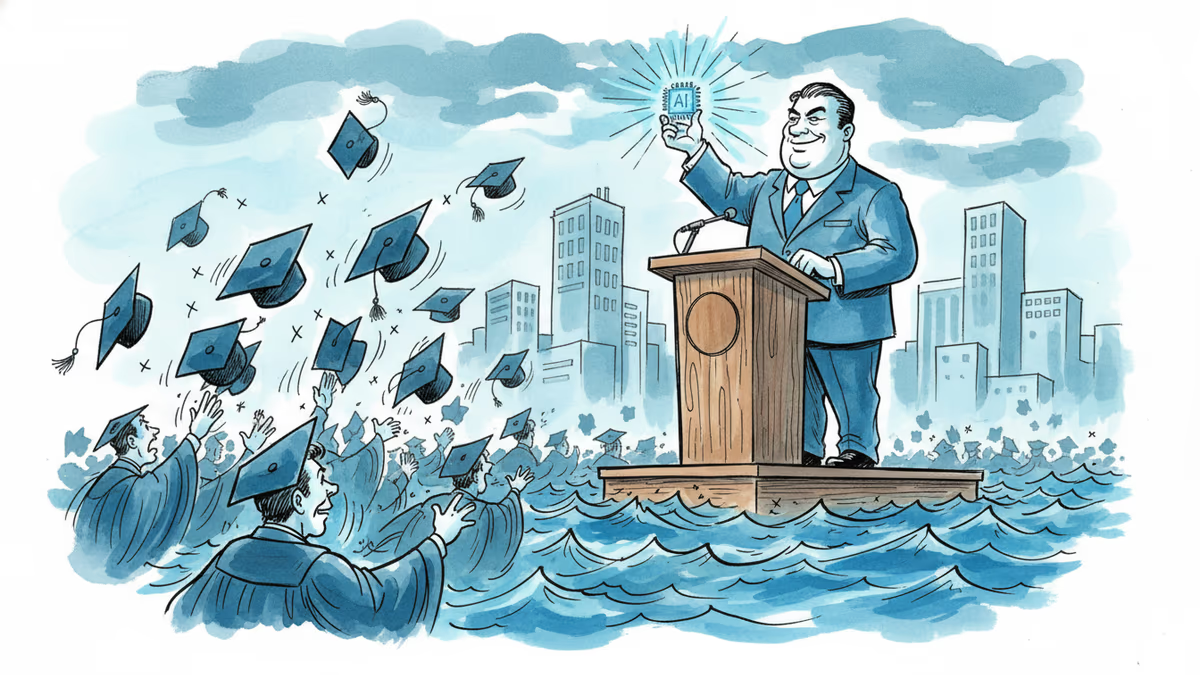
Viral videos show 2026 graduates jeering executives who praise AI at commencement ceremonies. It's not just rudeness — it's a signal about who pays for technological optimism.
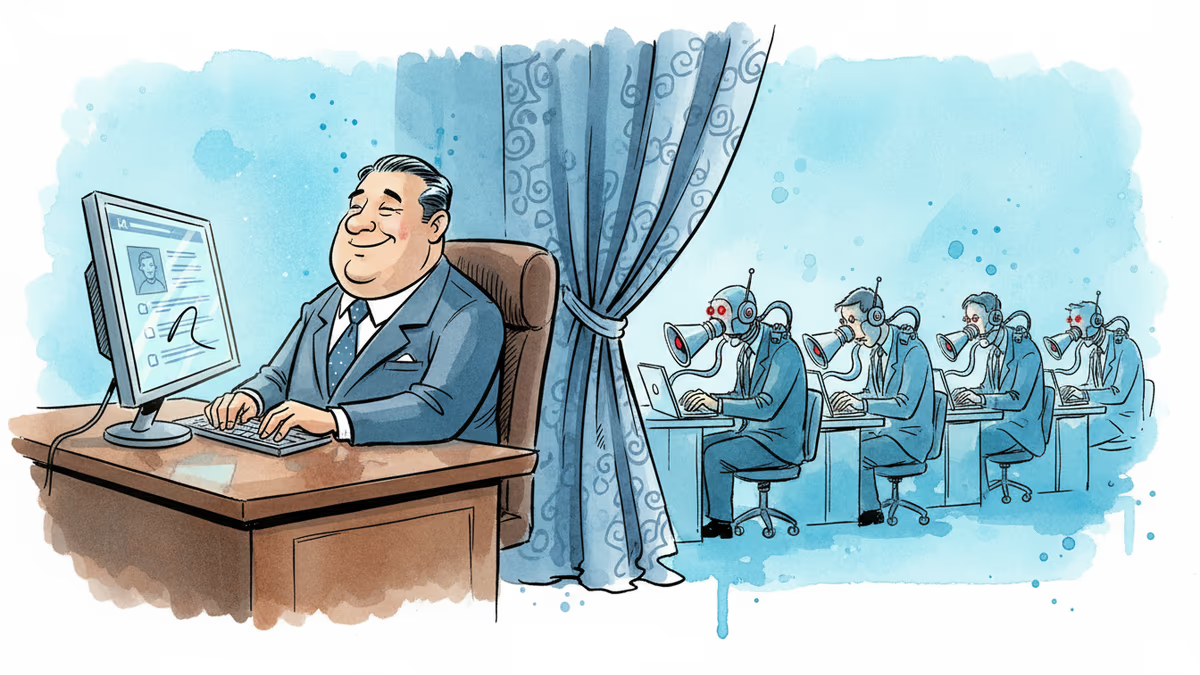
Filipino virtual assistants using AI to ghost-manage LinkedIn profiles for executives is now a structured industry. 30 comments a day, fake engagement rings, and a platform struggling to tell real from fabricated.
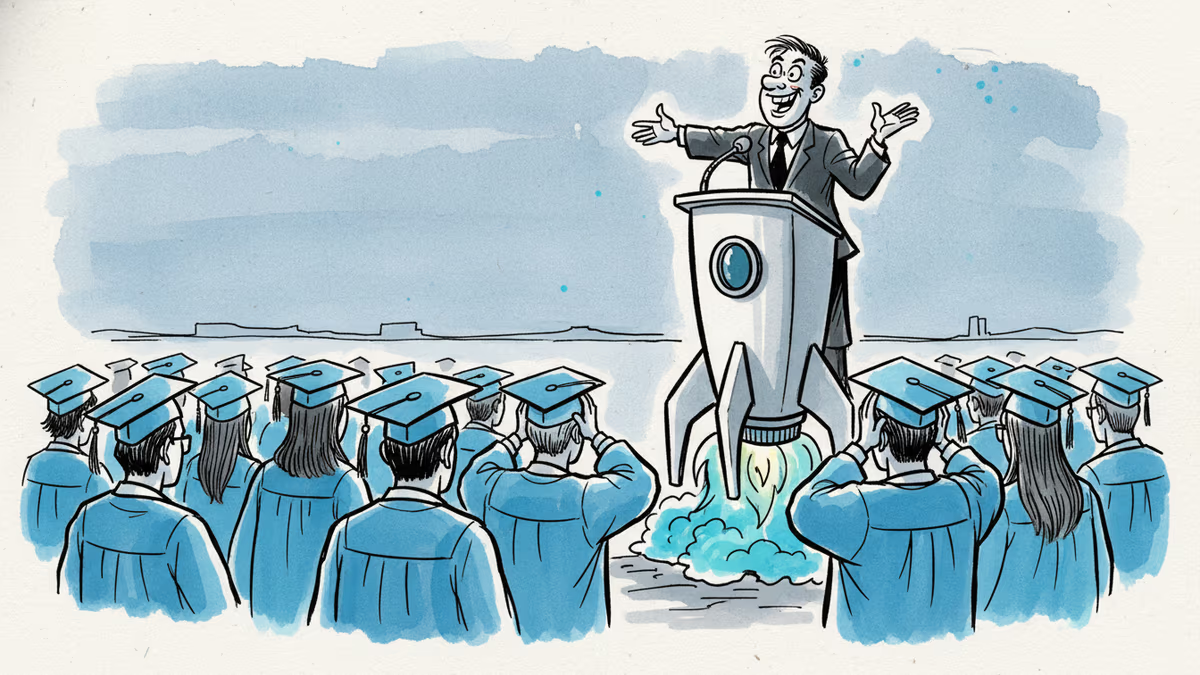
Two commencement speakers learned the hard way that AI enthusiasm doesn't land well with today's graduates. The backlash reveals a widening gap between tech optimism and Gen Z's economic reality.
Samsung and SK unveiled a chip and AI investment package worth thousands of trillions of won on June 29. The headline number swings wildly by outlet, but the real contest isn't capital — it's water and power.
Viral videos show 2026 graduates jeering executives who praise AI at commencement ceremonies. It's not just rudeness — it's a signal about who pays for technological optimism.
Filipino virtual assistants using AI to ghost-manage LinkedIn profiles for executives is now a structured industry. 30 comments a day, fake engagement rings, and a platform struggling to tell real from fabricated.
Two commencement speakers learned the hard way that AI enthusiasm doesn't land well with today's graduates. The backlash reveals a widening gap between tech optimism and Gen Z's economic reality.
Thoughts
Share your thoughts on this article
Sign in to join the conversation