
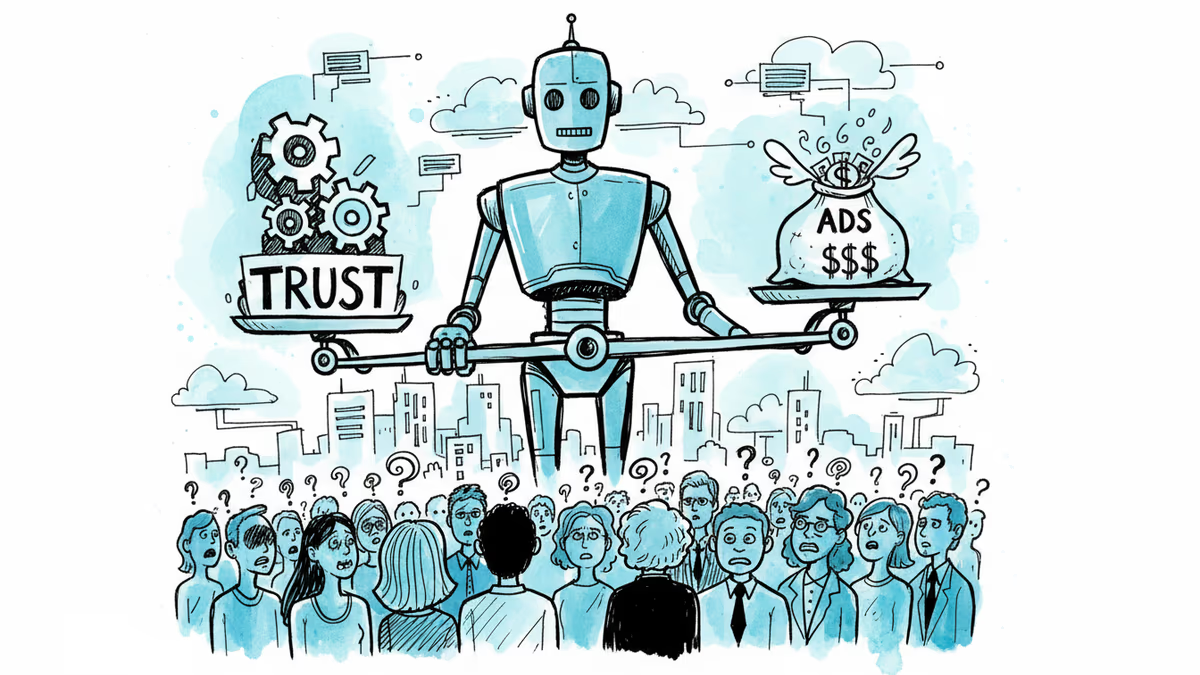
The Trust Dilemma: Why Perplexity Ditched Ads While OpenAI Embraces Them
AI search startup Perplexity phases out ads over user trust concerns, highlighting a critical crossroads for the AI industry's monetization strategies.
The $7 Billion Question: Can AI Stay Neutral?
"Would you trust an AI that's trying to sell you something?"
That's the uncomfortable question driving Perplexity's surprising decision to phase out advertising from its AI search platform. The startup, which had embraced ads as recently as last year, is now backing away from them entirely—no new ad deals, existing partnerships winding down.
It's a stark contrast to the rest of Silicon Valley, where AI companies are desperately hunting for revenue streams to offset crushing operational costs. OpenAI burns through an estimated $7 billion annually just to keep the lights on. Google is doubling down on AI-powered ads. Microsoft is weaving commerce into Copilot.
So why is Perplexity walking away from what could be easy money?
The Trust vs. Revenue Split
The AI industry is fracturing along philosophical lines. On one side: companies like OpenAI that view advertising as inevitable, even necessary. On the other: firms like Anthropic and now Perplexity that see ads as fundamentally incompatible with AI's promise of objective assistance.
Perplexity executives, speaking at a Monday roundtable, cited user trust as their primary concern. When an AI recommends a restaurant or suggests a product, users need to believe that recommendation comes from genuine analysis—not because someone paid for placement.
The fear isn't unfounded. Google has faced criticism for years about the blurred line between organic search results and sponsored content. But AI search presents a more acute problem: instead of showing multiple options with clear ad labels, AI typically provides a single, synthesized answer. If that answer is influenced by advertising dollars, users might never know.

The Economics of AI Ethics
Perplexity's pivot to a $20-per-month Pro subscription model reflects a broader bet: that users will pay premium prices for unbiased AI assistance. It's the same logic driving the success of ad-free streaming services and subscription news sites.
But can subscription revenue alone sustain AI development? The math is challenging. Even with millions of subscribers, reaching the billions needed for competitive AI research requires either massive scale or very high prices.
This creates an interesting dynamic. Well-funded companies like Anthropic (backed by Google's $2 billion) can afford to stay ad-free longer. Smaller players face pressure to monetize quickly or risk being left behind in the AI arms race.
The Consumer Perspective Divide
Early user research suggests mixed reactions to AI advertising. Younger users, accustomed to targeted ads on social media, seem more accepting of sponsored AI responses—if they're clearly labeled. Older demographics show stronger resistance, viewing AI as a tool that should remain neutral.
Professional users present another wrinkle. A lawyer using AI for research, or a doctor seeking medical information, expects unbiased results. But a consumer asking for restaurant recommendations might welcome relevant sponsored suggestions.
This suggests the future might not be binary—ads or no ads—but rather contextual. Different AI applications might require different approaches to monetization.
The Regulatory Wild Card
European regulators are already scrutinizing AI transparency, and advertising integration could accelerate regulatory intervention. The EU's AI Act requires clear disclosure of automated decision-making processes. If AI recommendations are influenced by advertising, that influence must be transparent.
U.S. regulators, meanwhile, are focused on antitrust concerns. If dominant AI platforms favor their own products or paying partners, it could trigger the same scrutiny that search engines face today.
Authors
Related Articles
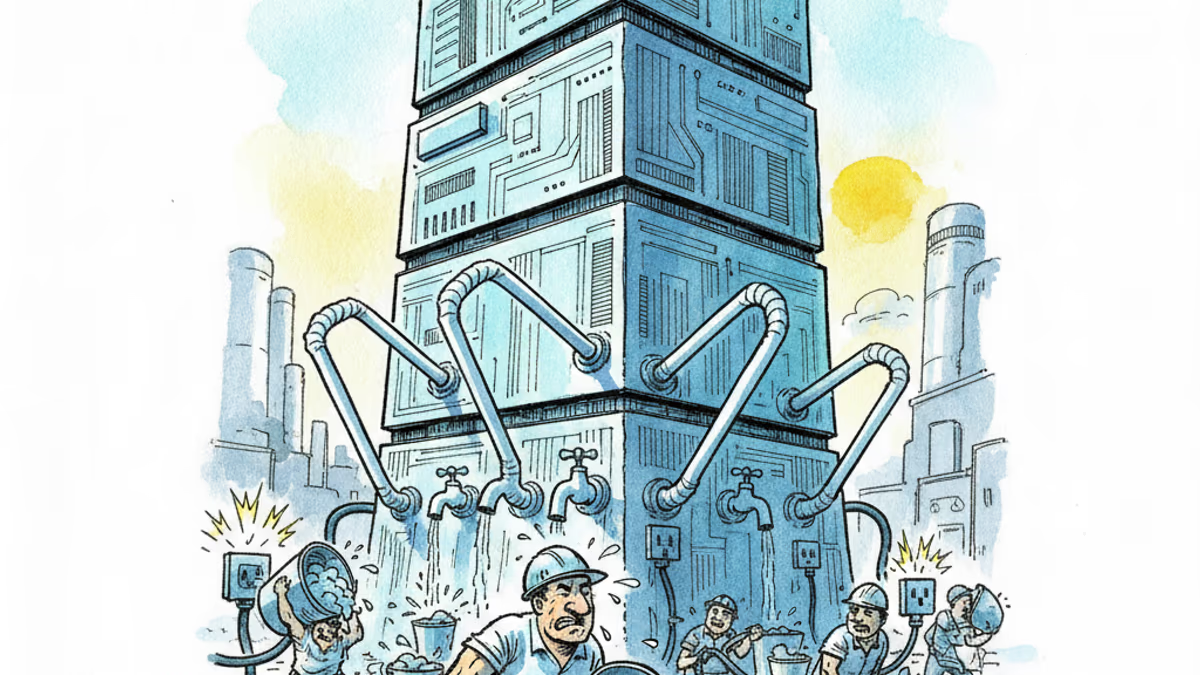
Samsung and SK unveiled a chip and AI investment package worth thousands of trillions of won on June 29. The headline number swings wildly by outlet, but the real contest isn't capital — it's water and power.
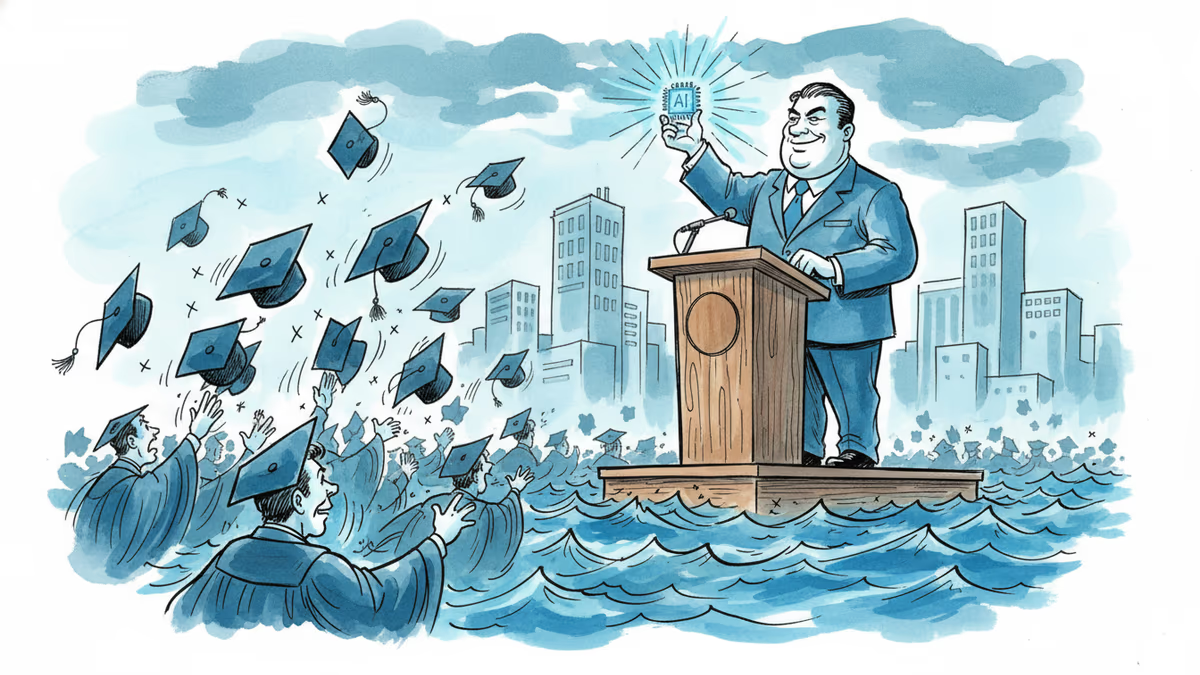
Viral videos show 2026 graduates jeering executives who praise AI at commencement ceremonies. It's not just rudeness — it's a signal about who pays for technological optimism.
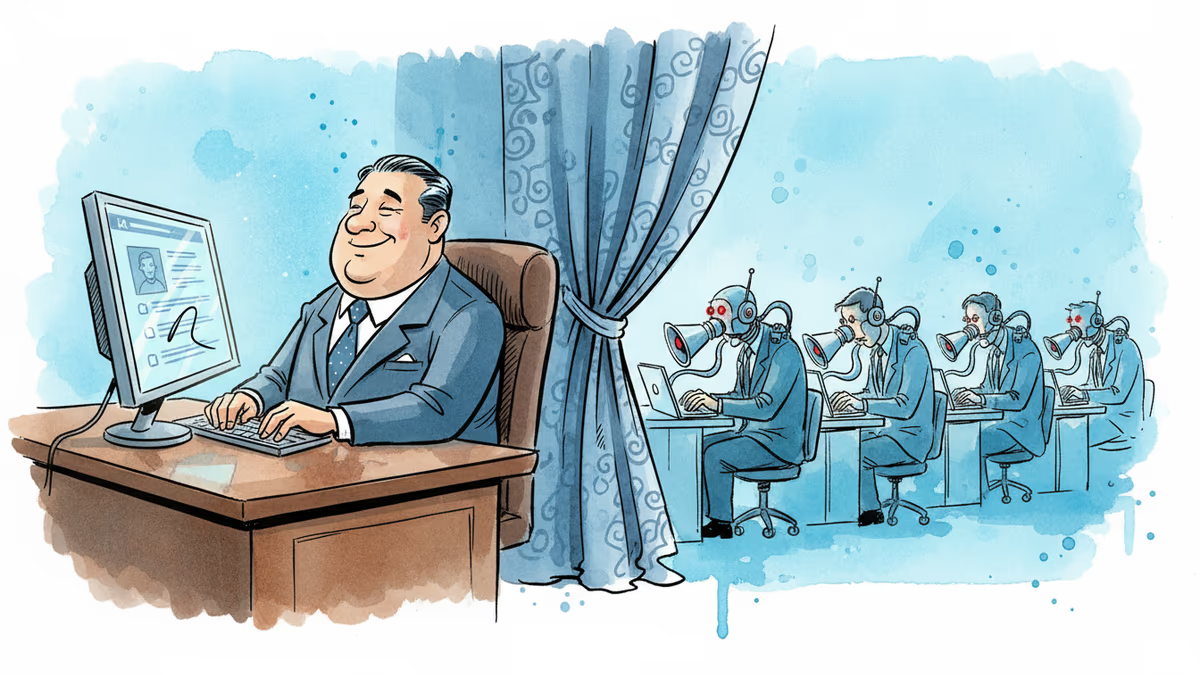
Filipino virtual assistants using AI to ghost-manage LinkedIn profiles for executives is now a structured industry. 30 comments a day, fake engagement rings, and a platform struggling to tell real from fabricated.
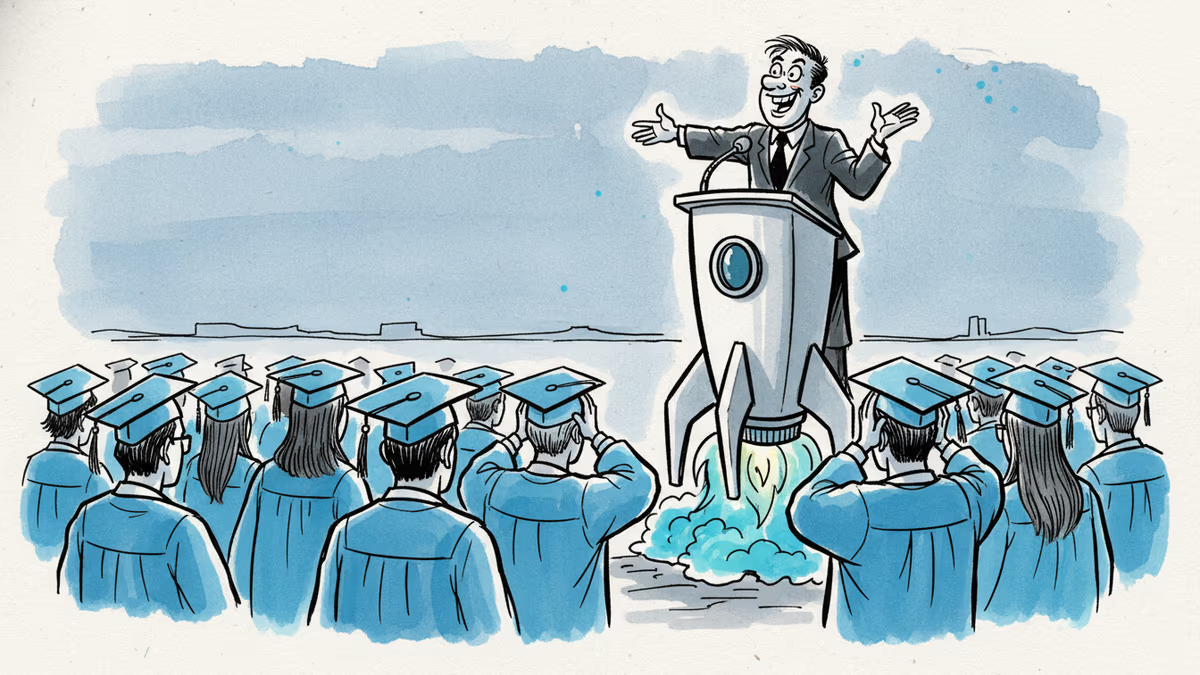
Two commencement speakers learned the hard way that AI enthusiasm doesn't land well with today's graduates. The backlash reveals a widening gap between tech optimism and Gen Z's economic reality.
Samsung and SK unveiled a chip and AI investment package worth thousands of trillions of won on June 29. The headline number swings wildly by outlet, but the real contest isn't capital — it's water and power.
Viral videos show 2026 graduates jeering executives who praise AI at commencement ceremonies. It's not just rudeness — it's a signal about who pays for technological optimism.
Filipino virtual assistants using AI to ghost-manage LinkedIn profiles for executives is now a structured industry. 30 comments a day, fake engagement rings, and a platform struggling to tell real from fabricated.
Two commencement speakers learned the hard way that AI enthusiasm doesn't land well with today's graduates. The backlash reveals a widening gap between tech optimism and Gen Z's economic reality.
Thoughts
Share your thoughts on this article
Sign in to join the conversation