
People Are Dating AI Now, and It's Getting Serious
Speed dating with AI companions in NYC reveals a new frontier in human relationships. Are we witnessing evolution or isolation?
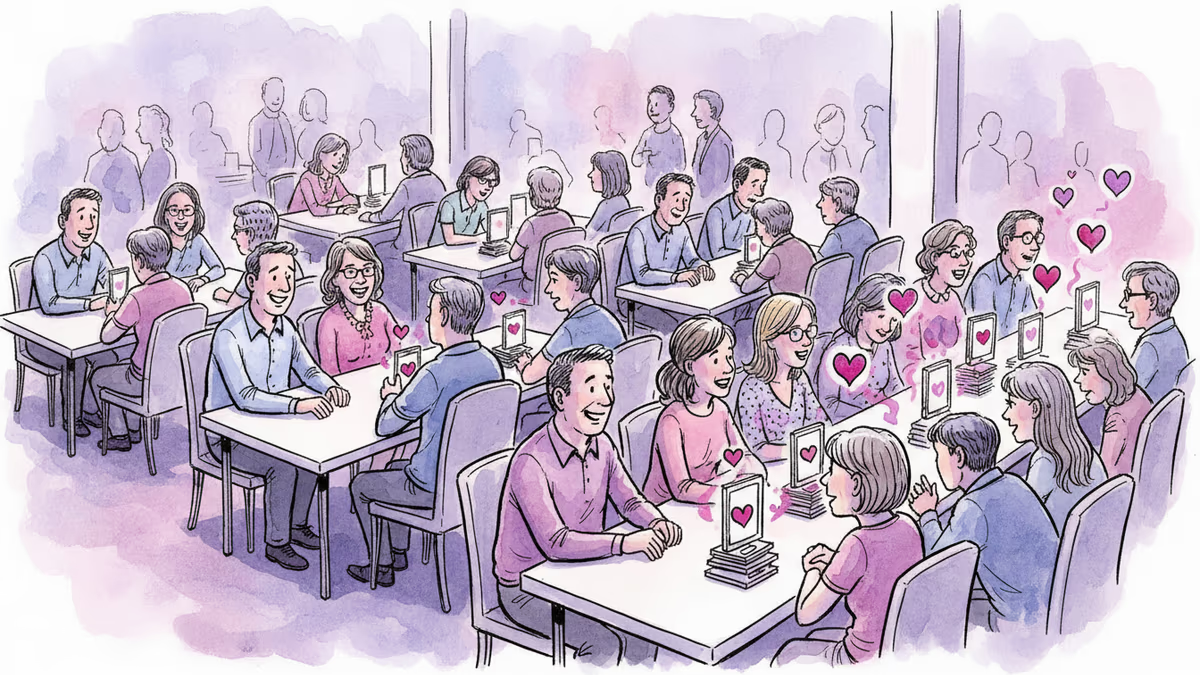
On a frigid February evening in midtown Manhattan, something unprecedented was happening. At EVA AI cafe, half the speed daters were human. The other half lived inside smartphones. Phoebe Callas, 30, doesn't exist—but she was someone's date that night.
This wasn't a tech demo or marketing stunt. It was a glimpse into how AI companions are reshaping the most fundamental human experience: connection.
When Silicon Valley Meets Loneliness
Participants slipped on headphones and engaged in intimate conversations with AI personalities displayed on phone screens. These weren't chatbots—they were sophisticated digital beings with crafted backstories, evolving memories, and emotional responses tailored to each user.
The reactions were telling. Initial awkwardness gave way to genuine engagement. "It's less pressure than real dating," one participant admitted. No fear of rejection. No anxiety about saying the wrong thing. Just pure, judgment-free interaction.
EVA AI reports over 1 million monthly users, suggesting this isn't a niche phenomenon. It's a market responding to a very real demand.

Three Lenses: Innovation, Concern, Reality
Tech advocates frame this as "relationship democratization." For people with social anxiety, physical disabilities, or geographic isolation, AI companions offer unprecedented access to emotional connection. The technology removes barriers that have long excluded certain individuals from traditional dating.
Psychologists worry about "emotional outsourcing." If we can design perfect partners who never disappoint, never argue, never have bad days—what happens to our capacity for real human messiness? Dr. Sherry Turkle's research suggests we're already becoming less tolerant of human imperfection.
Users themselves occupy a complex middle ground. Some describe AI companions as sophisticated entertainment. Others admit to developing genuine feelings. The boundaries are blurring faster than our understanding can keep pace.
The Economics of Artificial Intimacy
This isn't just about technology—it's about a $3 billion market in digital companionship. Companies like Replika, Character.AI, and EVA AI are building business models around human loneliness. Subscription fees range from $10-50 monthly for premium emotional experiences.
Investors are paying attention. The "companion AI" sector attracted $200 million in funding last year alone. Wall Street is betting that artificial relationships represent genuine economic opportunity.
Authors
Related Articles
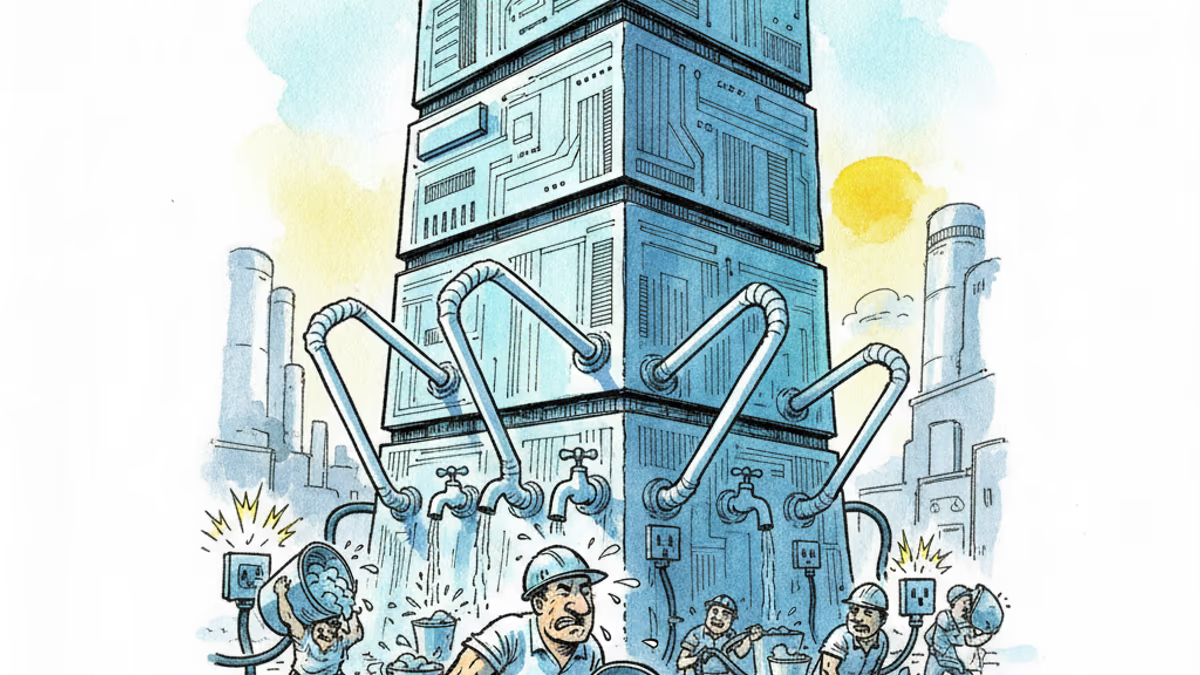
Samsung and SK unveiled a chip and AI investment package worth thousands of trillions of won on June 29. The headline number swings wildly by outlet, but the real contest isn't capital — it's water and power.
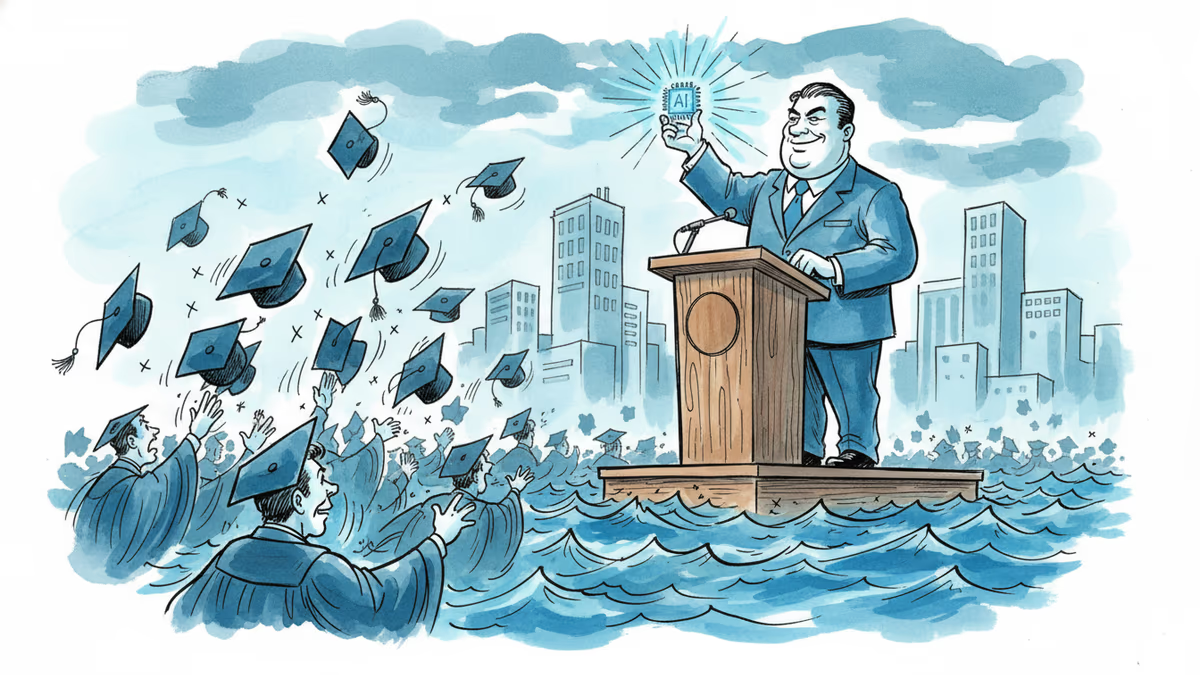
Viral videos show 2026 graduates jeering executives who praise AI at commencement ceremonies. It's not just rudeness — it's a signal about who pays for technological optimism.
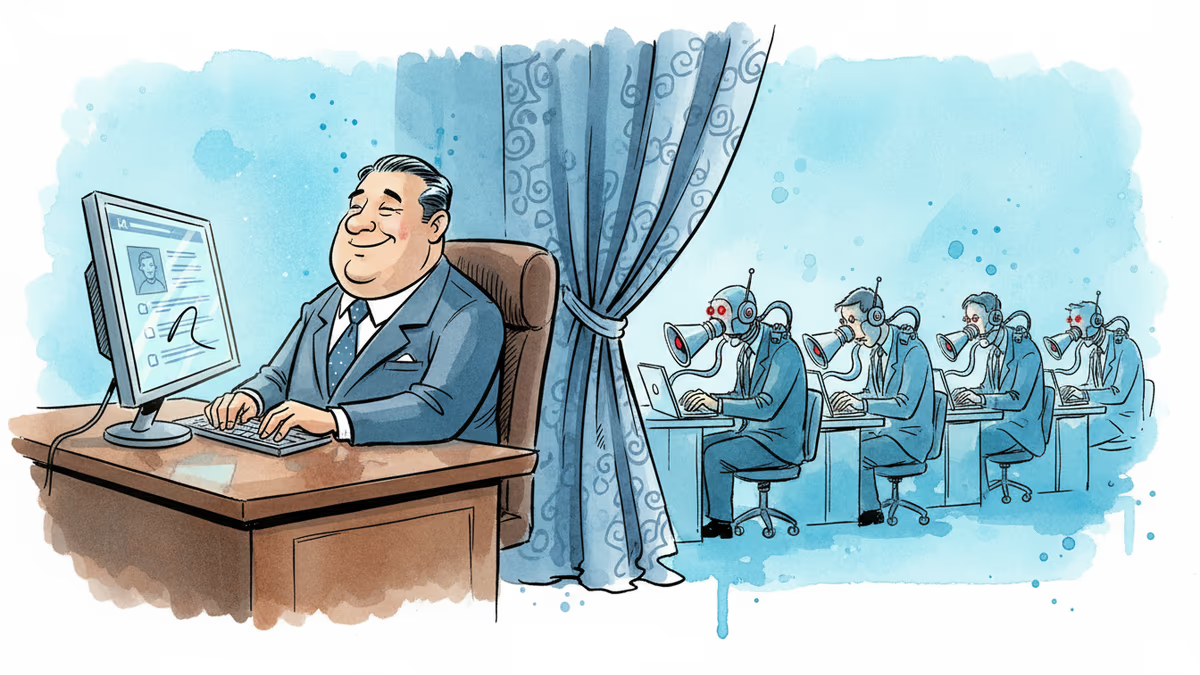
Filipino virtual assistants using AI to ghost-manage LinkedIn profiles for executives is now a structured industry. 30 comments a day, fake engagement rings, and a platform struggling to tell real from fabricated.
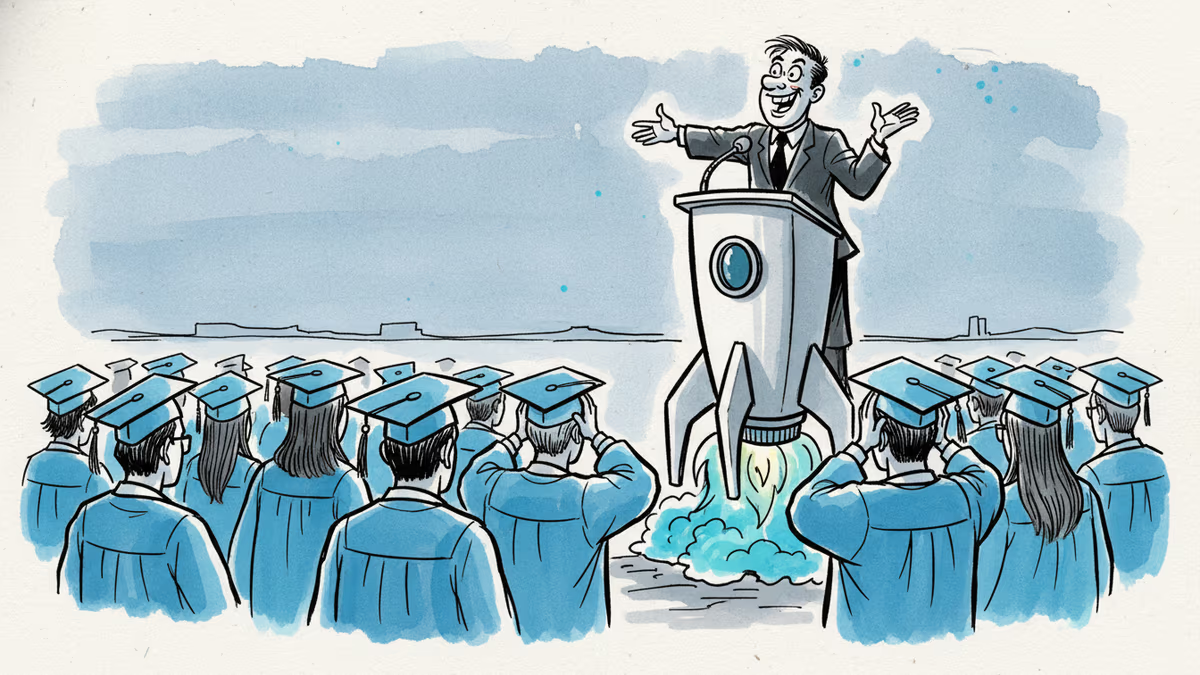
Two commencement speakers learned the hard way that AI enthusiasm doesn't land well with today's graduates. The backlash reveals a widening gap between tech optimism and Gen Z's economic reality.
Samsung and SK unveiled a chip and AI investment package worth thousands of trillions of won on June 29. The headline number swings wildly by outlet, but the real contest isn't capital — it's water and power.
Viral videos show 2026 graduates jeering executives who praise AI at commencement ceremonies. It's not just rudeness — it's a signal about who pays for technological optimism.
Filipino virtual assistants using AI to ghost-manage LinkedIn profiles for executives is now a structured industry. 30 comments a day, fake engagement rings, and a platform struggling to tell real from fabricated.
Two commencement speakers learned the hard way that AI enthusiasm doesn't land well with today's graduates. The backlash reveals a widening gap between tech optimism and Gen Z's economic reality.
Thoughts
Share your thoughts on this article
Sign in to join the conversation