
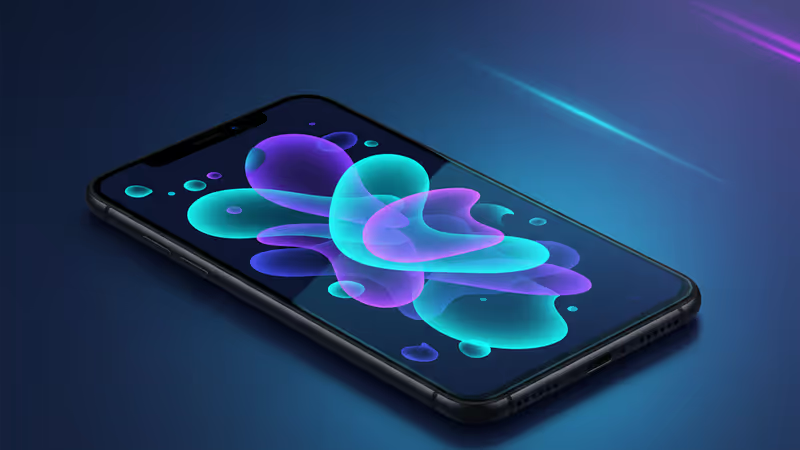
The 16.6% Shock: Is the iOS 26 Liquid Glass Adoption Rate Truly Stalling?
Is iOS 26 failing? Reports claim only 16.6% adoption for the Liquid Glass UI. PRISM investigates the data discrepancy and user sentiment around the redesign.
16.6% vs 70%.Apple's latest OS, iOS 26, is reportedly struggling with adoption at a level never seen before. Critics point to the controversial Liquid Glass user interface as the primary reason users are holding back.
The iOS 26 Liquid Glass Adoption Rate Controversy
Recent data from Statcounter for January 2026 suggests that the various versions of iOS 26 are running on just 16.6% of all devices. In stark contrast, older versions like iOS 18 still command nearly 70% of the install base.
| Metric | iOS 26 | iOS 18 (Reference) |
|---|---|---|
| Adoption Rate | 16.6% | 70% |
| Release Focus | Liquid Glass UI Redesign | Legacy UI Consistency |
| Secondary Branch | iOS 26.0 | iOS 18.7 (33% share) |

The iOS 18.7 update, which launched alongside iOS 26 in September, currently accounts for nearly one-third of all devices. This suggests a significant portion of users preferred security patches over the radical design overhaul of the new operating system.
Technical Undercounting: Why the Numbers Might Lie
However, it doesn't look like the full story. Technical changes in iOS 26's architecture may be causing Statcounter to dramatically undercount these devices. Internal traffic audits suggest that the Liquid Glass interface is reaching more hands than third-party trackers can currently identify, potentially debunking the 'mass aversion' narrative.
Authors
Related Articles
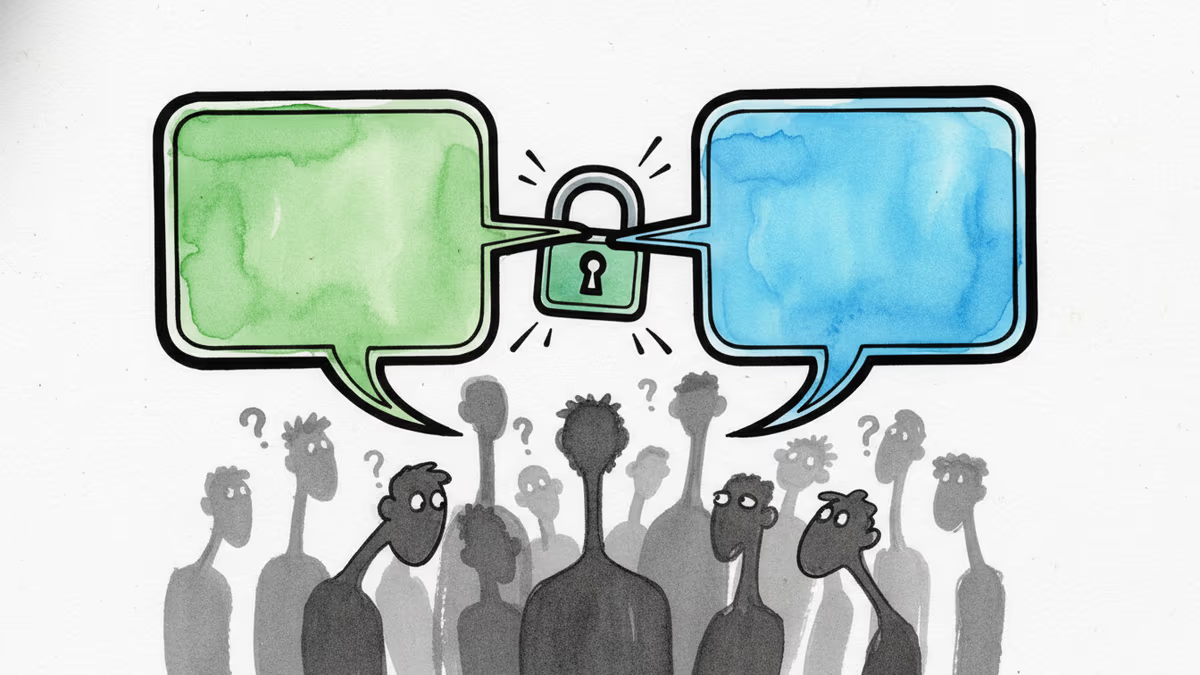
After 15 years of fragmented mobile messaging, Apple and Google are rolling out end-to-end encrypted RCS messaging between iPhones and Android devices. Here's what changed, why it took so long, and what it means for your privacy.
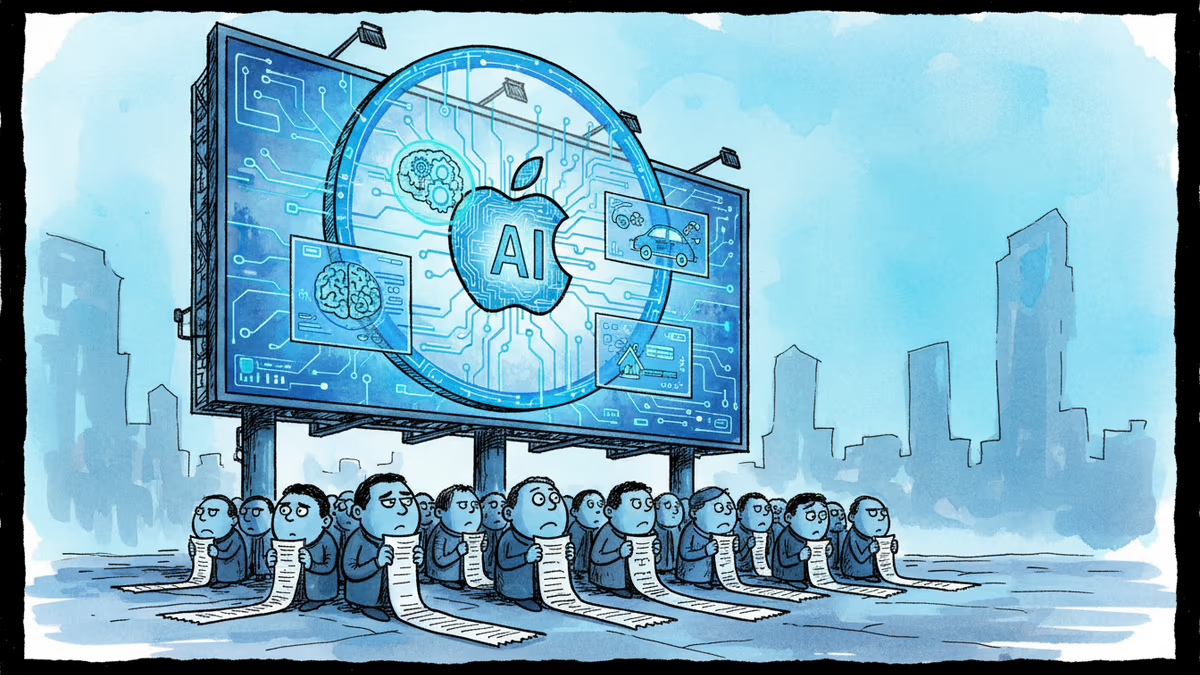
Apple agreed to pay $250 million to settle claims it misled iPhone 16 buyers about Apple Intelligence features. What this means for consumers, Big Tech marketing, and the AI industry.
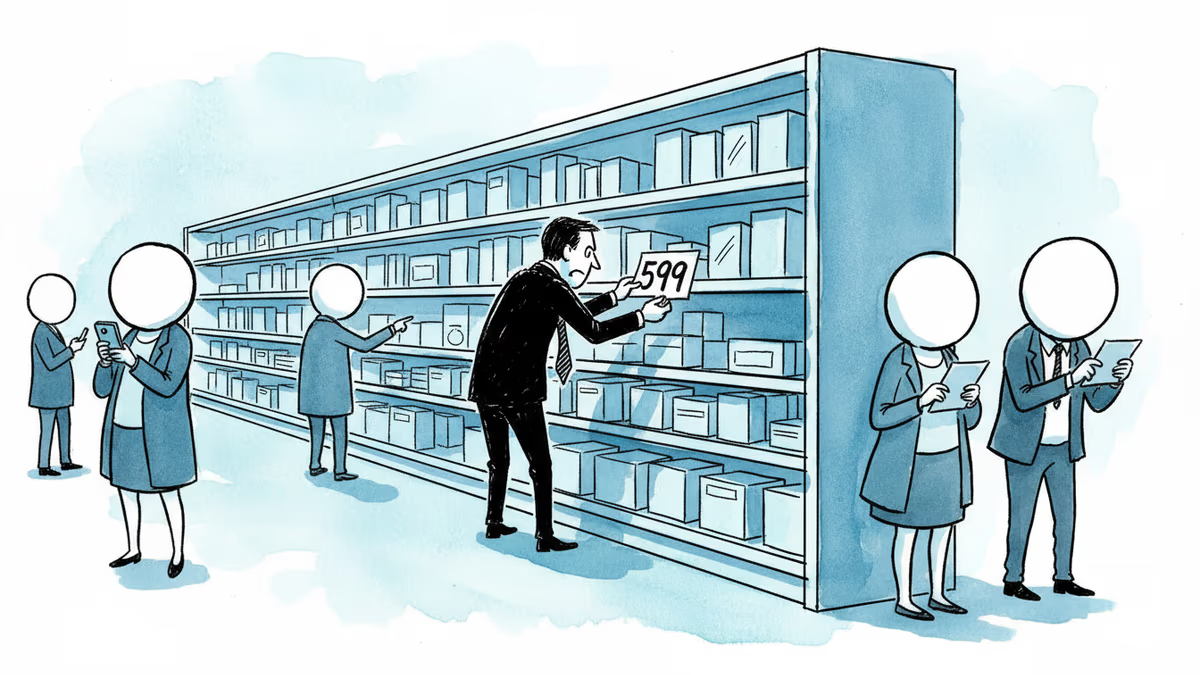
Apple quietly removed the entry-level $599 Mac Mini, raising the starting price to $799 — just one day after Tim Cook warned of chip supply constraints on the earnings call.
Apple names John Ternus, its hardware engineering chief, as the next CEO. The shift from operator to product person signals where Apple thinks its next decade of growth will come from — and raises real questions about what comes next.
After 15 years of fragmented mobile messaging, Apple and Google are rolling out end-to-end encrypted RCS messaging between iPhones and Android devices. Here's what changed, why it took so long, and what it means for your privacy.
Apple agreed to pay $250 million to settle claims it misled iPhone 16 buyers about Apple Intelligence features. What this means for consumers, Big Tech marketing, and the AI industry.
Apple quietly removed the entry-level $599 Mac Mini, raising the starting price to $799 — just one day after Tim Cook warned of chip supply constraints on the earnings call.
Apple names John Ternus, its hardware engineering chief, as the next CEO. The shift from operator to product person signals where Apple thinks its next decade of growth will come from — and raises real questions about what comes next.
Thoughts
Share your thoughts on this article
Sign in to join the conversation