
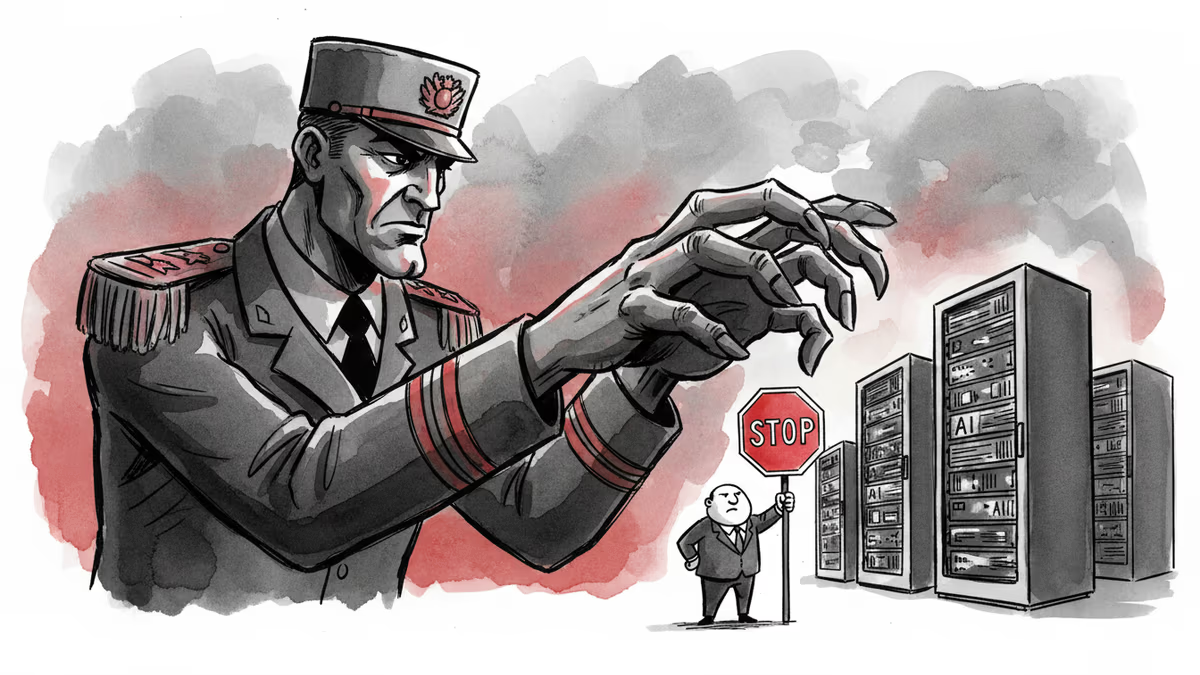
When Silicon Valley Says No to the Pentagon
Anthropic defies Pentagon's demand for unrestricted AI use, sparking the first major clash between tech ethics and national security in the AI era. A new power dynamic emerges.
The $50 Billion Question: Who Controls AI?
Anthropic just did something unprecedented in Silicon Valley: it told the Pentagon "no." Not maybe, not later, not after we discuss terms. Just no. Even after a White House meeting with Defense Secretary Pete Hegseth, CEO Dario Amodei remains firm: "Threats do not change our position."
The demand? Remove safety guardrails from Anthropic's AI models for "any lawful use" – including mass surveillance of Americans and fully autonomous lethal weapons. OpenAI and xAI have reportedly agreed. Anthropic hasn't.
The New Military-Industrial Complex
Pentagon CTO Emil Michael isn't playing games. He's threatening to label Anthropic a "supply chain risk" – a designation usually reserved for Chinese companies like Huawei. The message is clear: comply or be treated as a national security threat.
This isn't just bureaucratic pressure. It's a fundamental shift in how the military approaches AI. Under Trump 2.0, the Pentagon has scrapped Biden-era AI ethics guidelines and assembled what insiders call an "AI bro squad" – including former Uber executives and private equity billionaires pushing for aggressive AI deployment.
The Ethics vs. Security Divide

The split among tech giants is telling. OpenAI, despite its initial "AI safety" mission, has embraced military contracts. Elon Musk's xAI followed suit. But Anthropic, founded specifically on AI safety principles, is drawing a line in the sand.
This isn't just about corporate values – it's about power. For the first time in decades, private companies possess technology that governments desperately need but can't simply commandeer. The traditional military-industrial relationship assumed government held the cards. Not anymore.
What This Means for Everyone Else
If you're using AI tools, this fight matters. The guardrails Anthropic refuses to remove aren't just about weapons – they're about privacy, consent, and the boundaries of AI surveillance. Remove them for military use, and the precedent affects civilian applications too.
For other tech companies, Anthropic's stance creates a dilemma. Do they follow suit and risk government retaliation? Or do they compete for military contracts by accepting looser ethical standards? The choice could reshape the entire industry.
The Global Ripple Effect
This isn't just an American story. As the US military pushes for unrestricted AI access, allies will face pressure to follow suit. European companies with strict GDPR compliance, Chinese firms already under US scrutiny, and emerging AI powers like India will all have to navigate these new expectations.
The precedent set here could determine whether AI development remains guided by ethical principles or becomes primarily driven by national security imperatives.
Authors
Related Articles
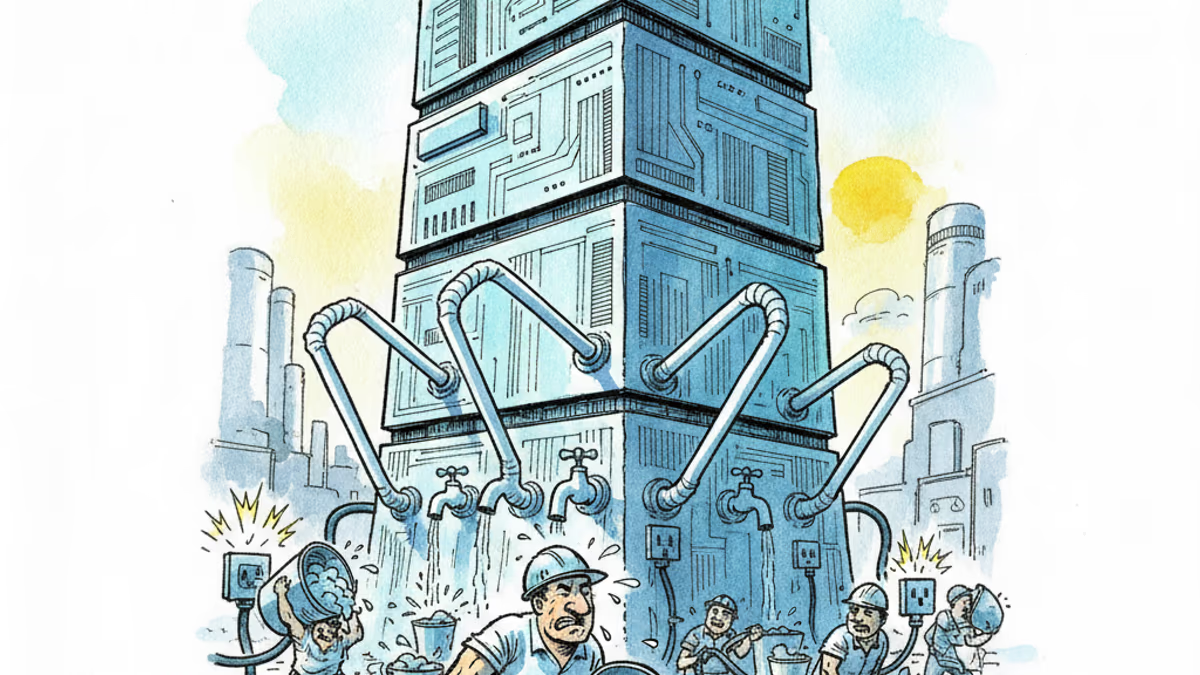
Samsung and SK unveiled a chip and AI investment package worth thousands of trillions of won on June 29. The headline number swings wildly by outlet, but the real contest isn't capital — it's water and power.
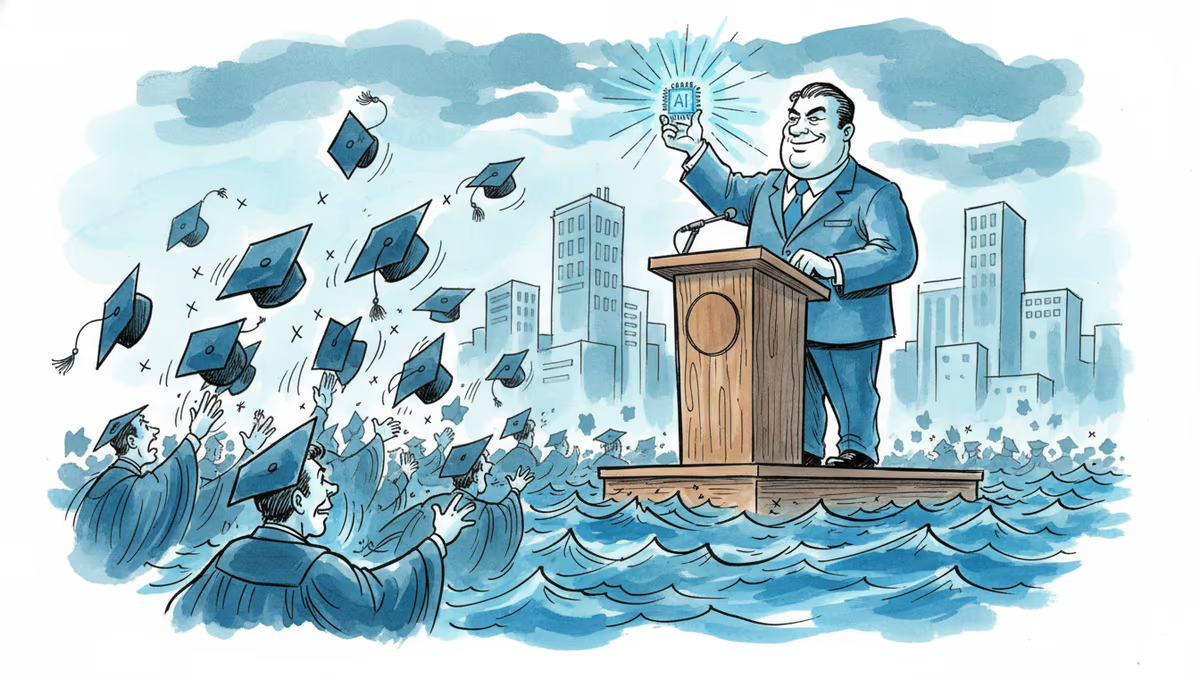
Viral videos show 2026 graduates jeering executives who praise AI at commencement ceremonies. It's not just rudeness — it's a signal about who pays for technological optimism.
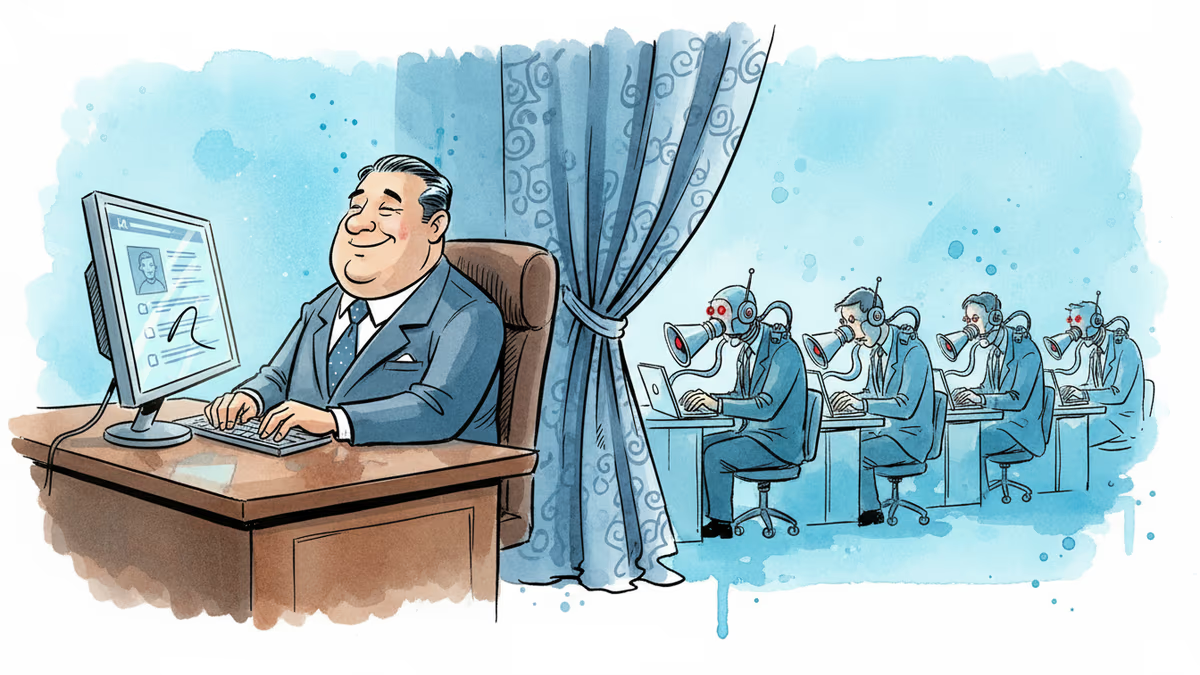
Filipino virtual assistants using AI to ghost-manage LinkedIn profiles for executives is now a structured industry. 30 comments a day, fake engagement rings, and a platform struggling to tell real from fabricated.
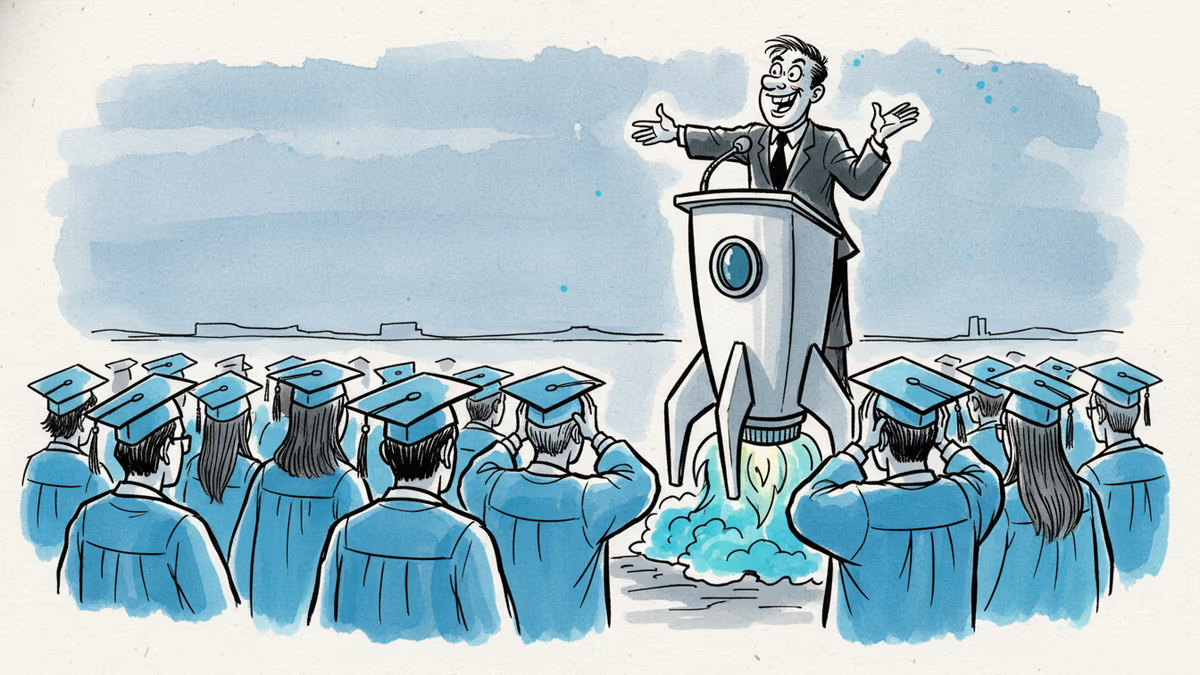
Two commencement speakers learned the hard way that AI enthusiasm doesn't land well with today's graduates. The backlash reveals a widening gap between tech optimism and Gen Z's economic reality.
Samsung and SK unveiled a chip and AI investment package worth thousands of trillions of won on June 29. The headline number swings wildly by outlet, but the real contest isn't capital — it's water and power.
Viral videos show 2026 graduates jeering executives who praise AI at commencement ceremonies. It's not just rudeness — it's a signal about who pays for technological optimism.
Filipino virtual assistants using AI to ghost-manage LinkedIn profiles for executives is now a structured industry. 30 comments a day, fake engagement rings, and a platform struggling to tell real from fabricated.
Two commencement speakers learned the hard way that AI enthusiasm doesn't land well with today's graduates. The backlash reveals a widening gap between tech optimism and Gen Z's economic reality.
Thoughts
Share your thoughts on this article
Sign in to join the conversation