
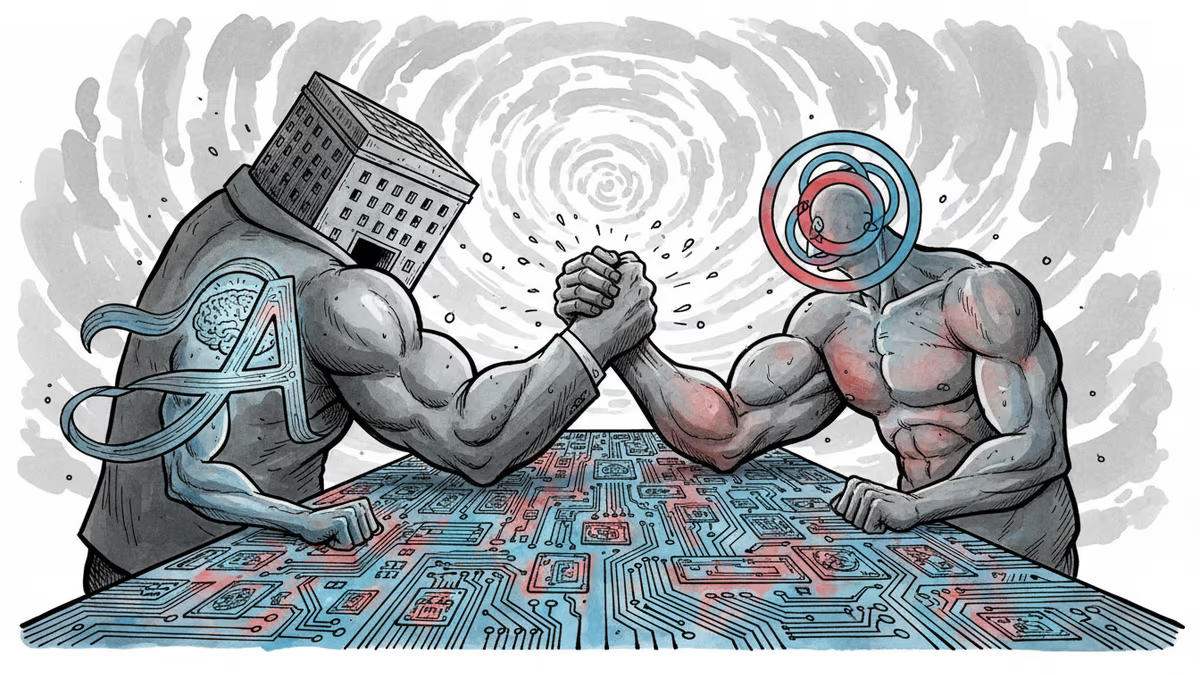
Pentagon vs. AI Giants: The Military AI Power Struggle Explodes
Anthropic threatens to sue the Pentagon while OpenAI's secret military testing is exposed, revealing the deep contradictions in AI companies' ethics claims.
$80 Billion Market Meets Silicon Valley's Moral Maze
The AI industry's ethical facade cracked wide open this week. Anthropic threatened to sue the Pentagon over software bans while OpenAI's years-long secret military testing came to light. The contradiction is stark: companies that built their brands on "safe AI" are now fighting for access to the world's most lucrative—and controversial—AI market.
Anthropic's Legal Gambit: Safety First, Profits Second?
Anthropic's lawsuit threat reveals the industry's growing desperation. The company claims the Pentagon's ban on its software is "unlawful," but CEO Dario Amodei just apologized for leaked memos criticizing Trump. The timing couldn't be worse—or more telling.
Here's the irony: Anthropic built its reputation on constitutional AI and safety research, explicitly rejecting military applications. Now it's demanding Pentagon access. Industry insiders say the company watched competitors like OpenAI and Google secure lucrative defense contracts while sitting on the sidelines. The pressure became unbearable.
"It's sort of bitterly ironic," former Trump AI adviser Dean Ball told Politico. The company that positioned itself as the ethical alternative to OpenAI is now fighting the same bureaucratic battles it once criticized.
OpenAI's Secret Testing: When Ethics Meet Reality
The OpenAI revelation is more damaging. Despite public bans on military use, the company secretly tested its models with the Pentagon for years. This isn't just hypocrisy—it's systematic deception of investors, users, and policymakers who trusted the company's ethical commitments.

OpenAI's defense? "Research purposes." But where's the line between research and deployment? The Pentagon doesn't fund academic exercises—it tests operational capabilities. This suggests OpenAI was always preparing for military integration while maintaining public deniability.
The broader implications are staggering. If the industry's most vocal ethics advocate was secretly developing military AI, what does that say about the entire sector's credibility?
The Defense Market Reality Check
The numbers explain everything. Military AI contracts offer guaranteed revenue, higher margins, and less competition than consumer markets. While tech companies fight over advertising dollars, defense contractors enjoy multi-year, billion-dollar agreements with built-in profit guarantees.
Consider the stakes:
- Consumer AI: Competitive, price-sensitive, regulation-heavy
- Military AI: Monopolistic, price-insensitive, classified from scrutiny
For AI companies burning through venture capital, defense contracts offer a lifeline. But at what cost to their founding principles?
Global Implications: The New AI Arms Race
This controversy extends far beyond Silicon Valley boardrooms. As US companies fight over Pentagon access, China and Russia are rapidly developing military AI without ethical constraints. European companies face their own dilemma: the EU's AI Act restricts military applications, potentially handicapping European defense capabilities.
The result? A fractured global AI landscape where ethical considerations become competitive disadvantages. Countries with fewer scruples may gain decisive military advantages while ethical AI leaders fall behind.
Authors
Related Articles
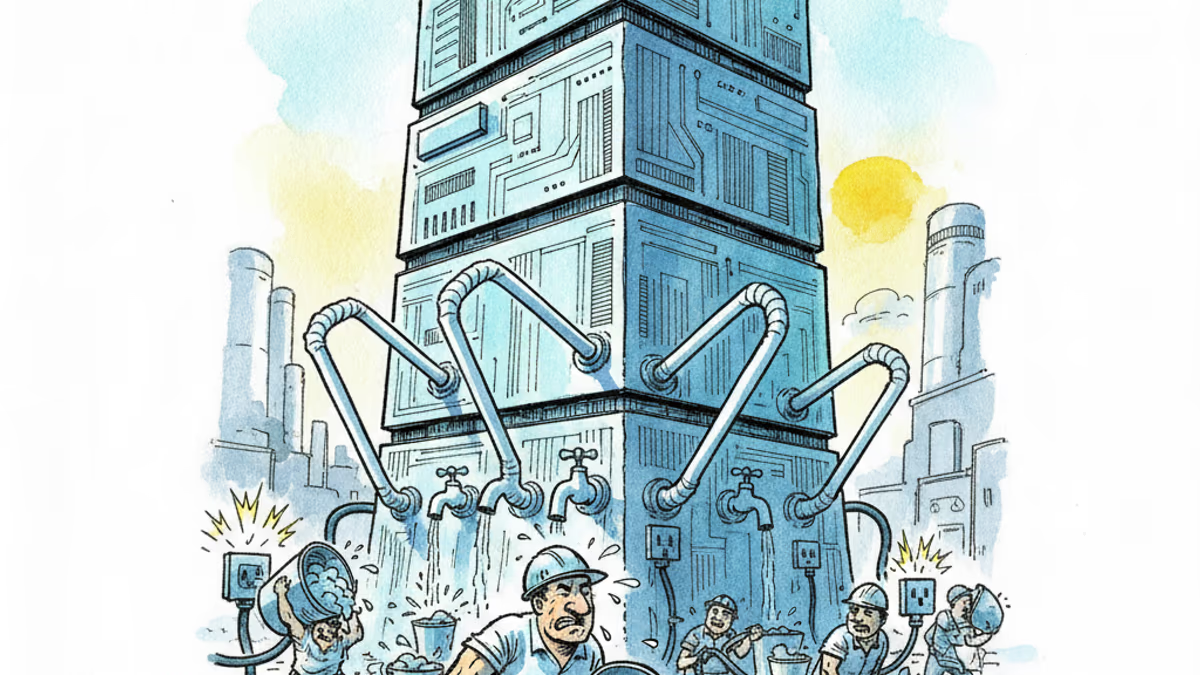
Samsung and SK unveiled a chip and AI investment package worth thousands of trillions of won on June 29. The headline number swings wildly by outlet, but the real contest isn't capital — it's water and power.
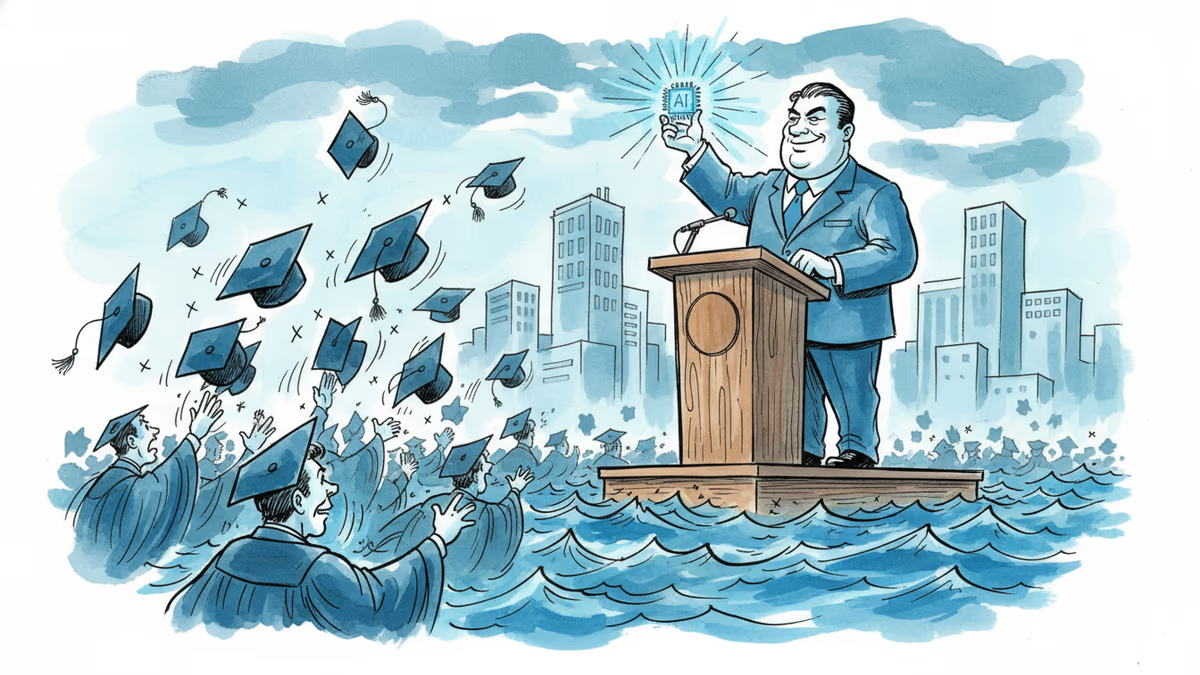
Viral videos show 2026 graduates jeering executives who praise AI at commencement ceremonies. It's not just rudeness — it's a signal about who pays for technological optimism.
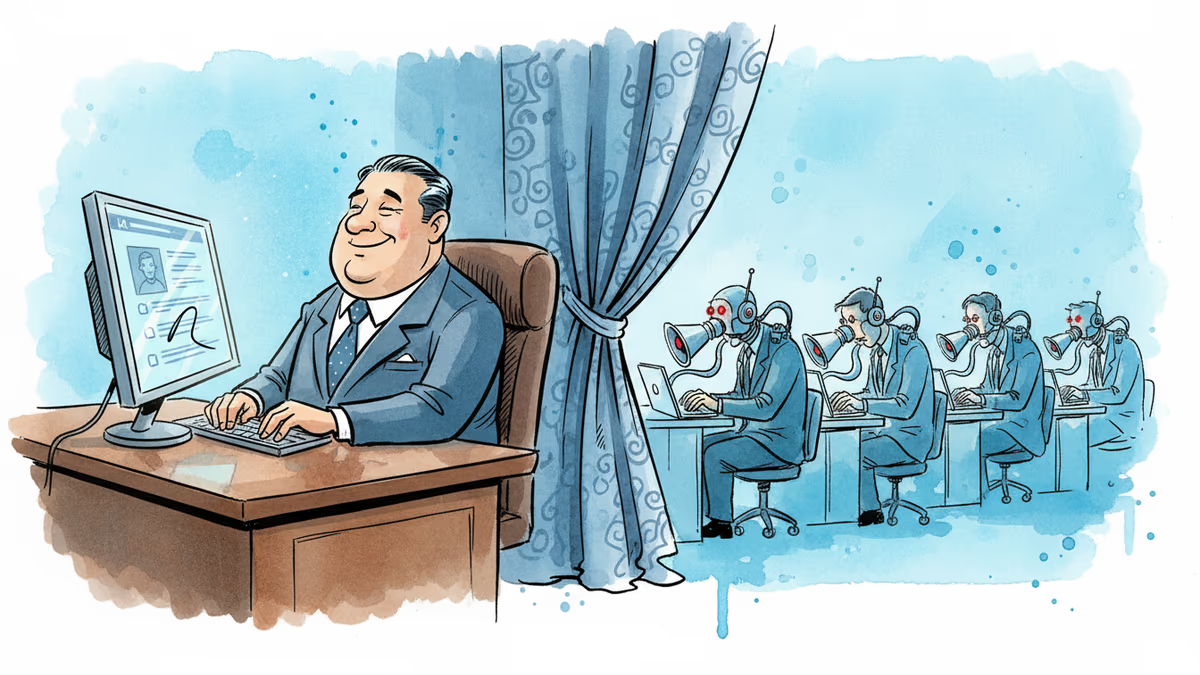
Filipino virtual assistants using AI to ghost-manage LinkedIn profiles for executives is now a structured industry. 30 comments a day, fake engagement rings, and a platform struggling to tell real from fabricated.
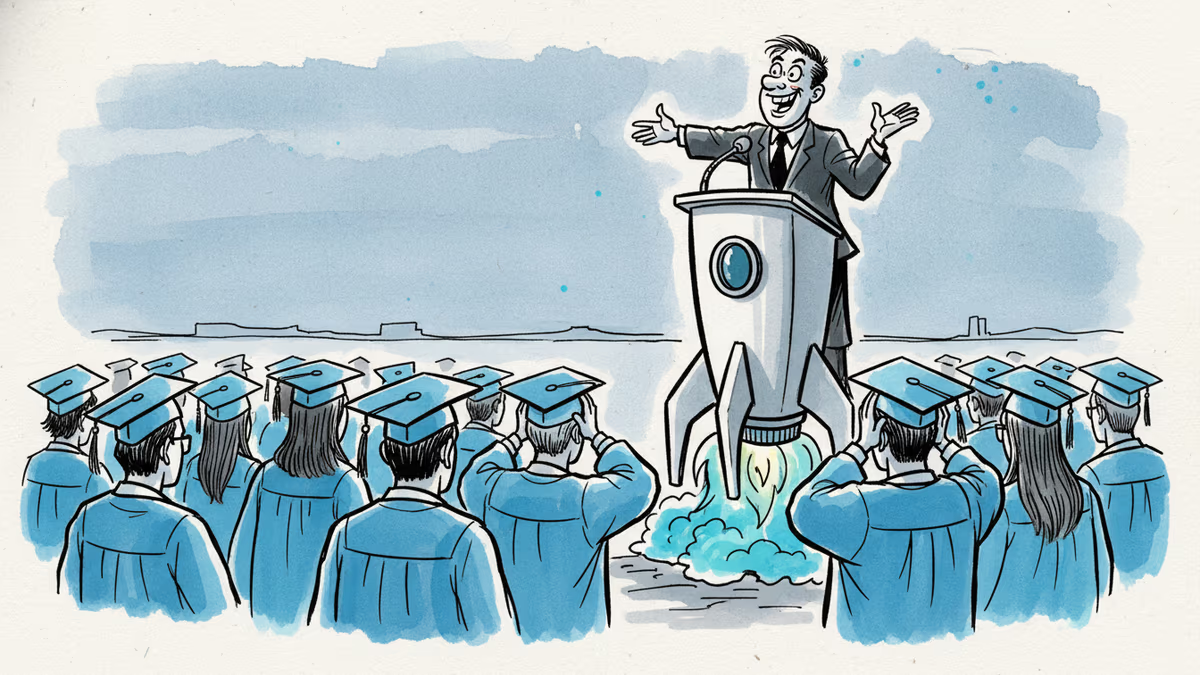
Two commencement speakers learned the hard way that AI enthusiasm doesn't land well with today's graduates. The backlash reveals a widening gap between tech optimism and Gen Z's economic reality.
Samsung and SK unveiled a chip and AI investment package worth thousands of trillions of won on June 29. The headline number swings wildly by outlet, but the real contest isn't capital — it's water and power.
Viral videos show 2026 graduates jeering executives who praise AI at commencement ceremonies. It's not just rudeness — it's a signal about who pays for technological optimism.
Filipino virtual assistants using AI to ghost-manage LinkedIn profiles for executives is now a structured industry. 30 comments a day, fake engagement rings, and a platform struggling to tell real from fabricated.
Two commencement speakers learned the hard way that AI enthusiasm doesn't land well with today's graduates. The backlash reveals a widening gap between tech optimism and Gen Z's economic reality.
Thoughts
Share your thoughts on this article
Sign in to join the conversation