
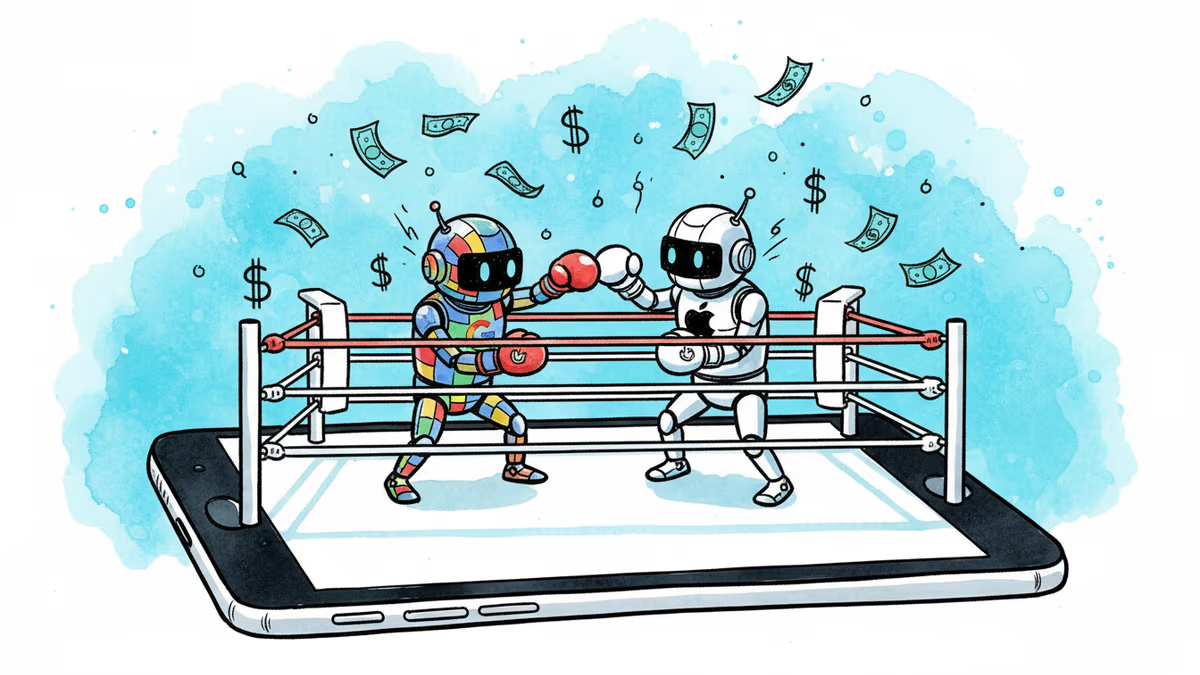
Why Google's Pixel Buds Pro 2 Just Got $49 Cheaper Than AirPods Pro
Google Pixel Buds Pro 2 drops to $180 from $229 on Amazon and Best Buy. Is this aggressive pricing a sign of ecosystem competition heating up? Analysis of features, performance, and market strategy.
$49 off. That's how much Google just slashed from its Pixel Buds Pro 2 at both Amazon and Best Buy, bringing the price down from $229 to $180. If you felt left out of yesterday's AirPods Pro 3 deal as an Android user, this might be your moment.
But here's the thing: when a tech giant cuts prices this aggressively on its premium product just months after launch, it's rarely just about being generous to consumers.
Smaller Package, Bigger Ambitions
The most immediately noticeable upgrade in the Pixel Buds Pro 2 is size—or lack thereof. These buds are 27% smaller than their predecessors, making them a godsend for anyone who's struggled with earbuds that just won't stay put. Reviewer Parker Hall put them through the ultimate stress test: "hours of tree pruning and going on long sweaty runs in Portland's early fall heat wave" with zero issues.
The active noise canceling, bolstered by excellent physical sound isolation, genuinely rivals Apple's best efforts and goes toe-to-toe with audio heavyweights like Bose and Sony. The transparency mode delivers wider range and clearer audio than most competitors manage.
When it comes to actual music playback, you get a wide, natural soundstage with excellent midrange detail and crisp, sparkling treble. On paper, these specs should command the full $229 asking price.
The Gemini Integration Reality Check

Here's where things get interesting—and slightly disappointing. Google's much-touted Gemini AI integration feels more like a beta feature than a selling point. The experience gets clunky when asking multiple questions, and honestly, it's not offering anything revolutionary that other earbuds can't handle.
Compare that to Apple's live translation features or heart rate monitoring—genuinely useful additions that create real value. Of course, if you're on Android, you're locked out of Apple's ecosystem benefits anyway, which brings us to the real story here.
The Ecosystem War Heats Up
This pricing move isn't about clearing inventory or holiday generosity. It's about Google's desperate push to create a cohesive ecosystem experience that can rival the iPhone-AirPods combination that Apple users take for granted.
The problem? Google's fighting on multiple fronts. Samsung's Galaxy Buds have Android integration sewn up for many users. Audio specialists like Sony and Bose own the premium sound quality narrative. Google's betting that aggressive pricing can carve out market share while they perfect their ecosystem integration.
But there's another angle: consumer behavior is shifting. The wireless earbud market is maturing, and differentiation is getting harder. When your AI assistant integration isn't dramatically better than the competition, price becomes the primary weapon.
The Real Competition
For Android users specifically, this discount creates an interesting decision matrix. At $180, the Pixel Buds Pro 2 undercuts most premium competitors while delivering flagship-level performance. The question isn't whether they're good—they objectively are. The question is whether Google can sustain this pricing strategy long enough to build meaningful market share.
Authors
Related Articles
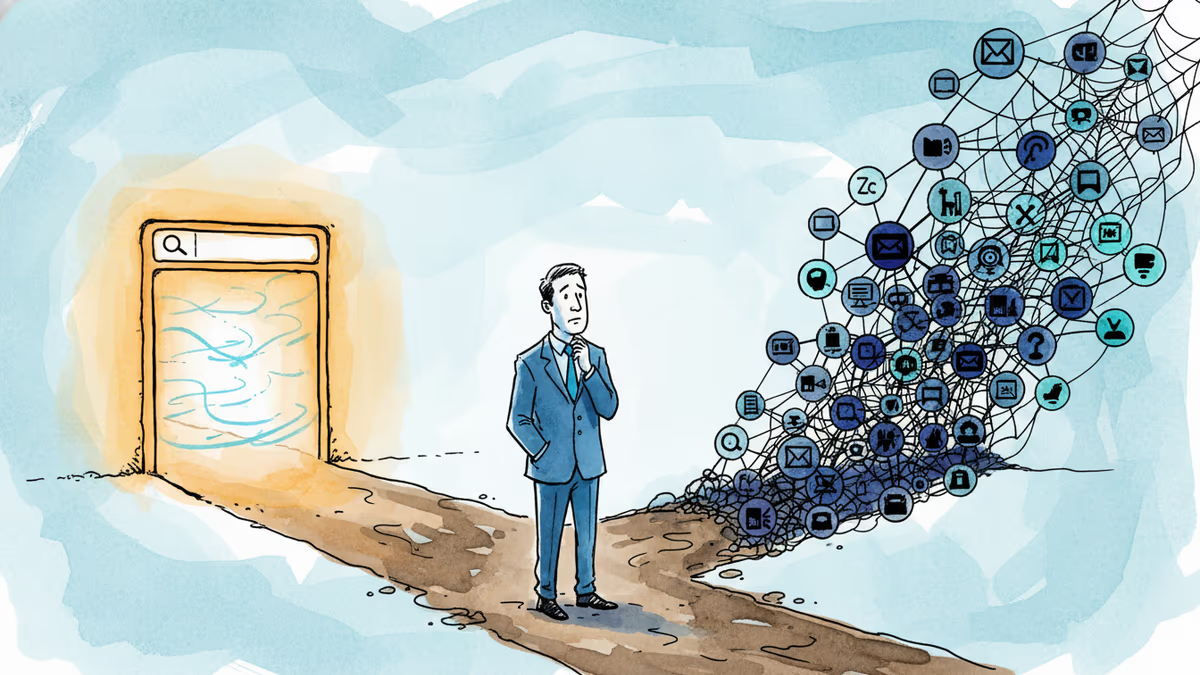
In a post-Google I/O interview, Sundar Pichai acknowledged flawed search results, real AI anxiety, and an AGI timeline that makes the label irrelevant. Here's what he said — and what it means.
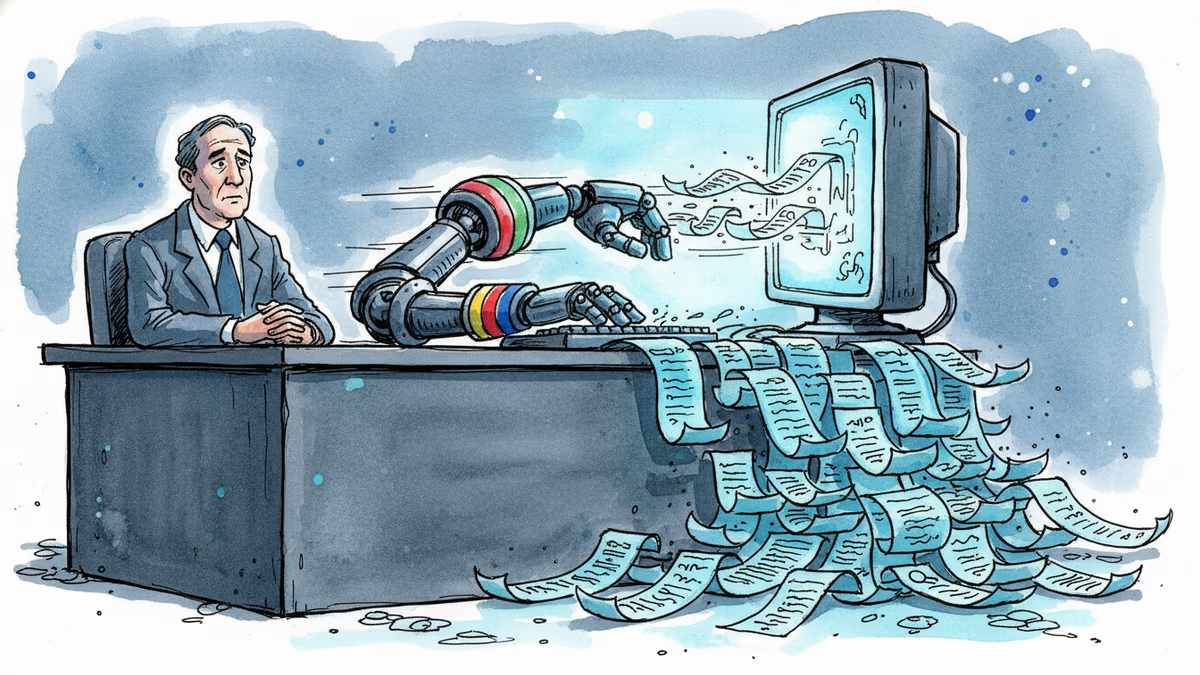
Google is building AI agents that search the web proactively, without user prompting. That's not just a product update — it's a fundamental shift in who controls the information you receive.
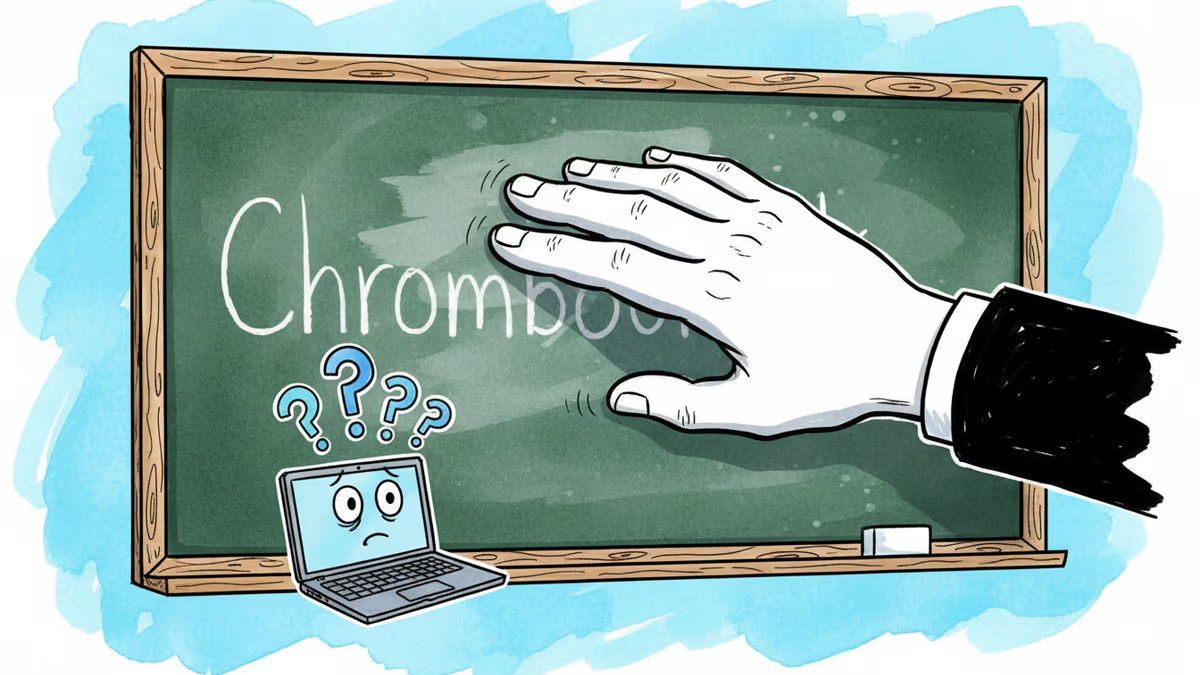
Google unveiled the 'Googlebook' platform to replace Chromebook and ChromeOS—but revealed zero hardware specs. What's the strategy, and what does it mean for users, manufacturers, and the education market?
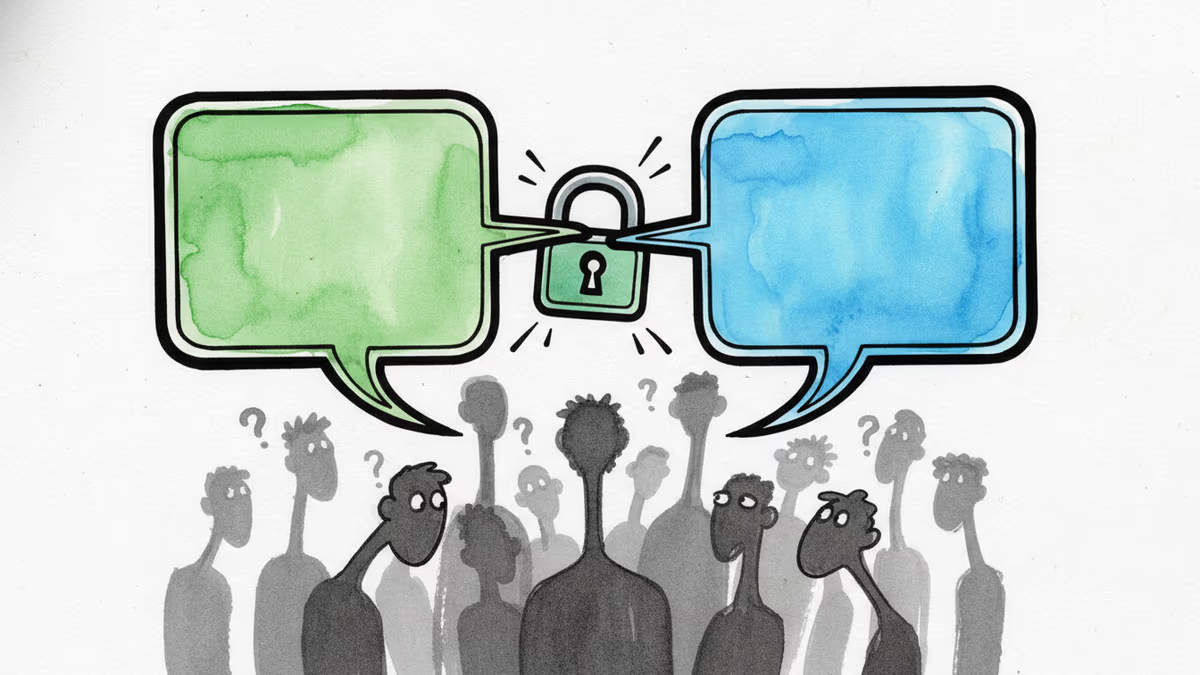
After 15 years of fragmented mobile messaging, Apple and Google are rolling out end-to-end encrypted RCS messaging between iPhones and Android devices. Here's what changed, why it took so long, and what it means for your privacy.
In a post-Google I/O interview, Sundar Pichai acknowledged flawed search results, real AI anxiety, and an AGI timeline that makes the label irrelevant. Here's what he said — and what it means.
Google is building AI agents that search the web proactively, without user prompting. That's not just a product update — it's a fundamental shift in who controls the information you receive.
Google unveiled the 'Googlebook' platform to replace Chromebook and ChromeOS—but revealed zero hardware specs. What's the strategy, and what does it mean for users, manufacturers, and the education market?
After 15 years of fragmented mobile messaging, Apple and Google are rolling out end-to-end encrypted RCS messaging between iPhones and Android devices. Here's what changed, why it took so long, and what it means for your privacy.
Thoughts
Share your thoughts on this article
Sign in to join the conversation