
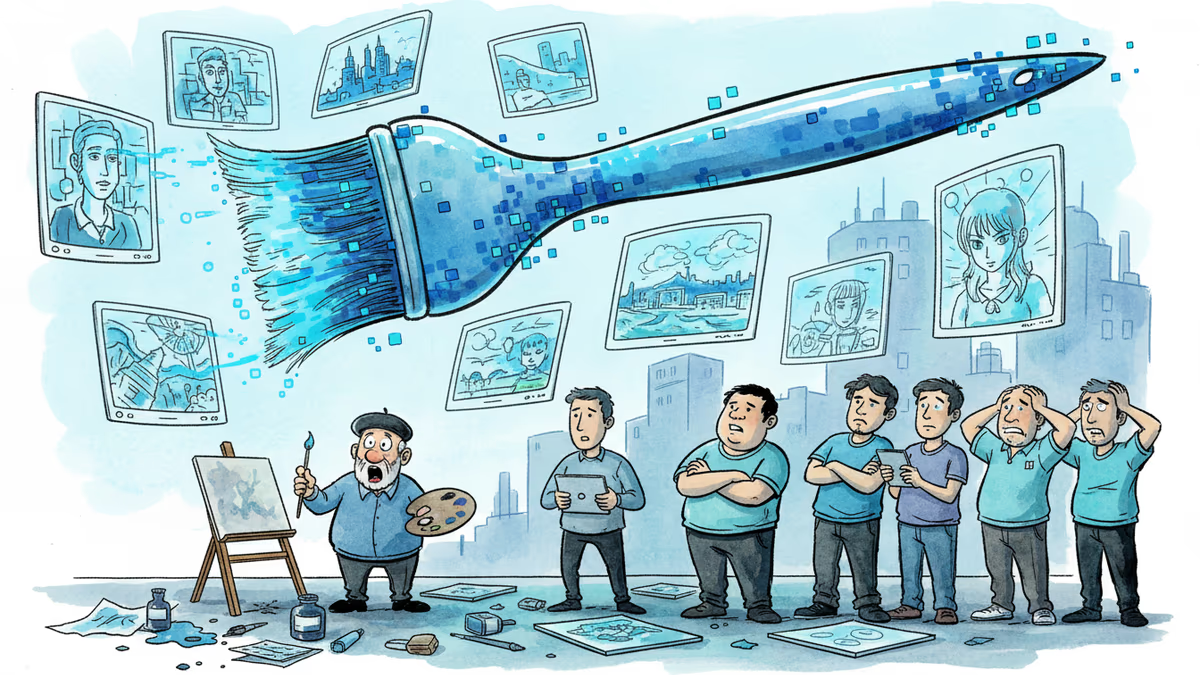
Google's New Image AI Sparks Creative Industry Soul-Searching
Google launches Nano Banana 2 (Gemini 3.1 Flash Image), promising pro-quality results at flash speeds. We examine what this means for designers, artists, and the future of creative work.
Third Major Update in 12 Months
Google just dropped another bombshell in the AI image generation race. Nano Banana 2 (officially Gemini 3.1 Flash Image) launched yesterday, promising to deliver the quality of their pro-tier model at the speed of their flash variant.
The numbers tell the story: where Nano Banana Pro took 30-60 seconds to generate high-quality images, the new version delivers comparable results in 5-10 seconds. Google claims enhanced "world knowledge" pulled from internet data enables more accurate object rendering and infographic creation. Most notably, they say the notorious AI text squiggles are finally history—Nano Banana 2 allegedly matches pro-level text accuracy.
This isn't just an incremental update. It's Google's third major image AI release this year, maintaining a breakneck pace that's leaving competitors scrambling.
Creative Community: Excited or Existential?
The creative world's response has been... complicated. Graphic designers are celebrating the productivity boost—prototype creation times slashed by 80% according to early adopters. But illustrators and concept artists are voicing deeper concerns about client expectations shifting toward "just use AI."

The text accuracy improvement hits particularly hard. Poor typography was one of the last reliable tells that distinguished AI-generated content from human work. With that safety net gone, the line between human and artificial creativity blurs further.
Freelance designer Sarah Chen from San Francisco captures the mood: "It's like having a junior designer who works 24/7, never complains, and just got really, really good at their job."
Market Disruption or Market Evolution?
The timing raises questions. Google's aggressive release schedule—three major updates in 12 months—suggests they're not just competing with OpenAI and Anthropic, but racing toward something bigger. Industry analysts point to the upcoming holiday marketing season, where demand for quick visual content traditionally spikes.
Stock prices reflected the uncertainty. Adobe shares dipped 2.3% following the announcement, while Canva saw a modest 1.8% gain—perhaps investors betting on platforms that integrate AI tools rather than compete with them.
But here's the twist: despite fears of job displacement, demand for creative services has actually grown alongside AI adoption. The question isn't whether AI will replace creatives, but how the creative process itself will evolve.
Authors
Related Articles
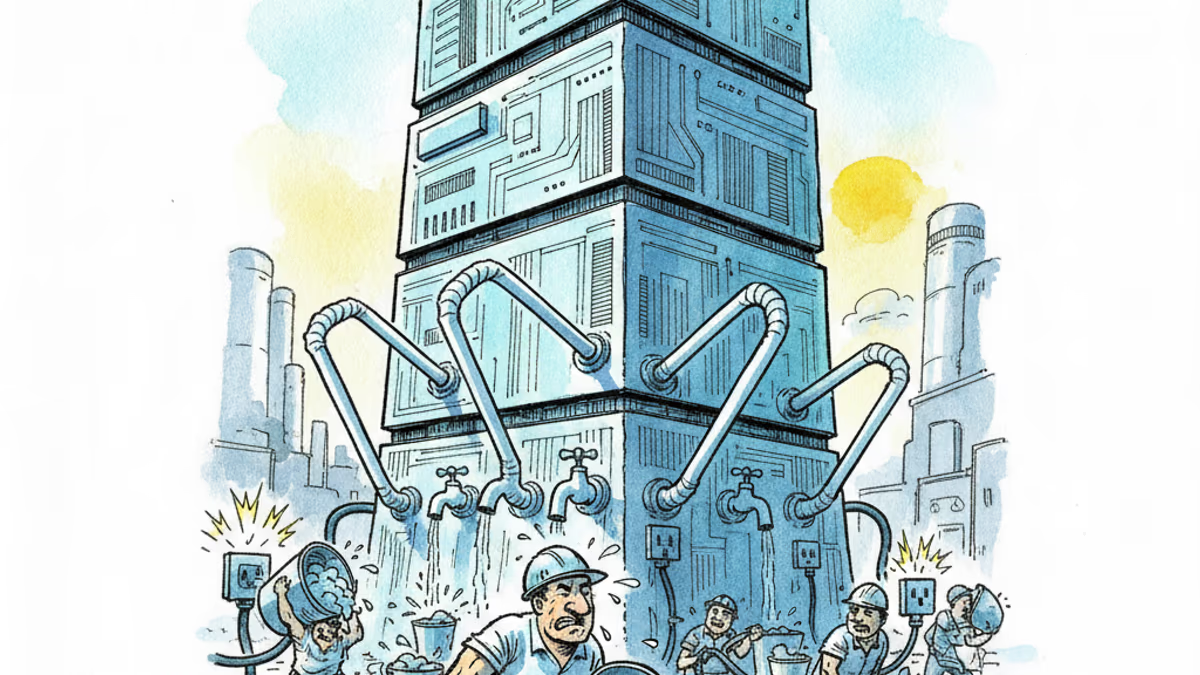
Samsung and SK unveiled a chip and AI investment package worth thousands of trillions of won on June 29. The headline number swings wildly by outlet, but the real contest isn't capital — it's water and power.
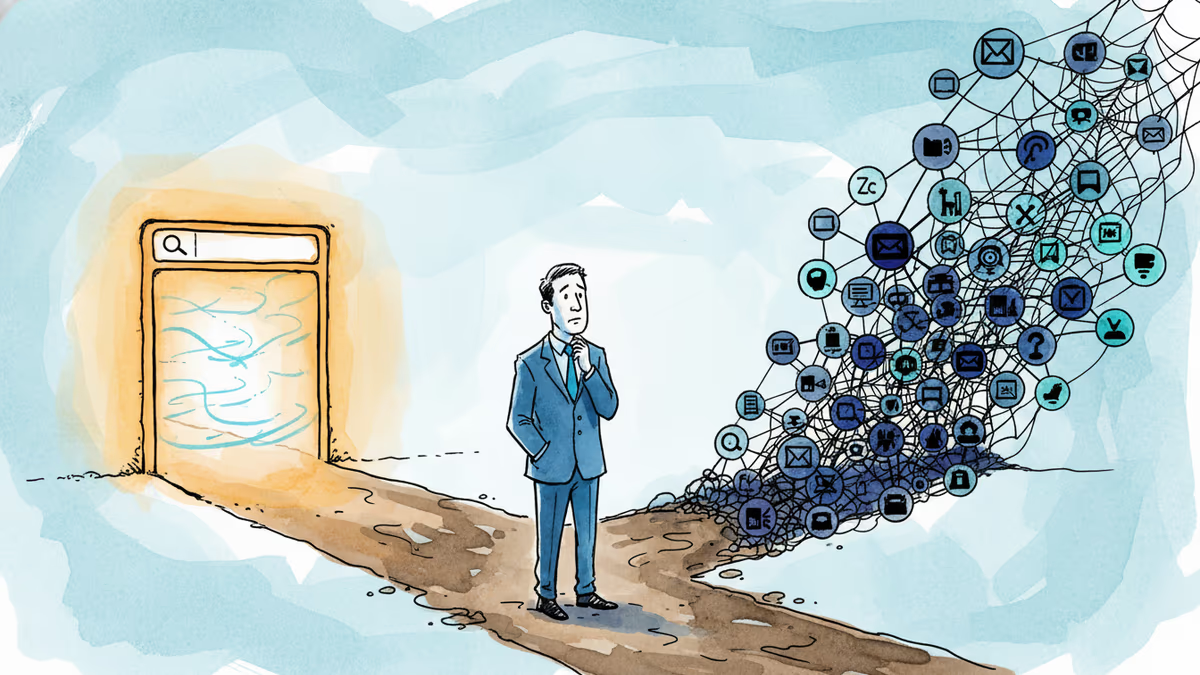
In a post-Google I/O interview, Sundar Pichai acknowledged flawed search results, real AI anxiety, and an AGI timeline that makes the label irrelevant. Here's what he said — and what it means.
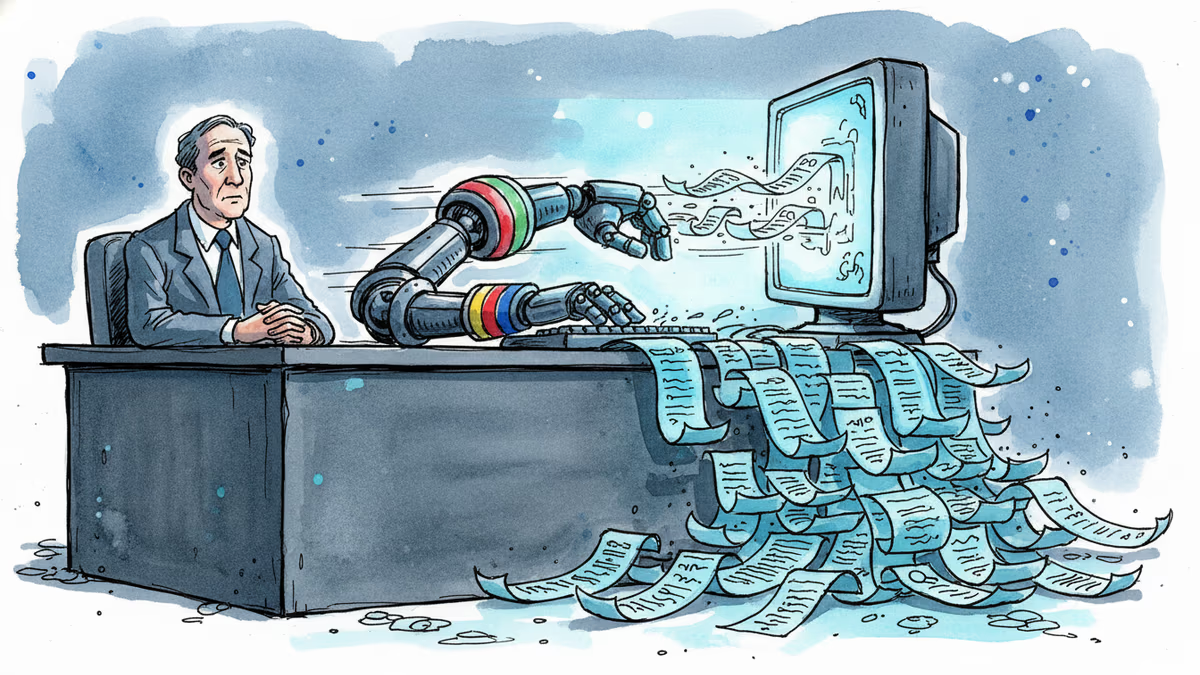
Google is building AI agents that search the web proactively, without user prompting. That's not just a product update — it's a fundamental shift in who controls the information you receive.
Viral videos show 2026 graduates jeering executives who praise AI at commencement ceremonies. It's not just rudeness — it's a signal about who pays for technological optimism.
Samsung and SK unveiled a chip and AI investment package worth thousands of trillions of won on June 29. The headline number swings wildly by outlet, but the real contest isn't capital — it's water and power.
In a post-Google I/O interview, Sundar Pichai acknowledged flawed search results, real AI anxiety, and an AGI timeline that makes the label irrelevant. Here's what he said — and what it means.
Google is building AI agents that search the web proactively, without user prompting. That's not just a product update — it's a fundamental shift in who controls the information you receive.
Viral videos show 2026 graduates jeering executives who praise AI at commencement ceremonies. It's not just rudeness — it's a signal about who pays for technological optimism.
Thoughts
Share your thoughts on this article
Sign in to join the conversation